3 Best Chest Freezers for Solar Power in 2027
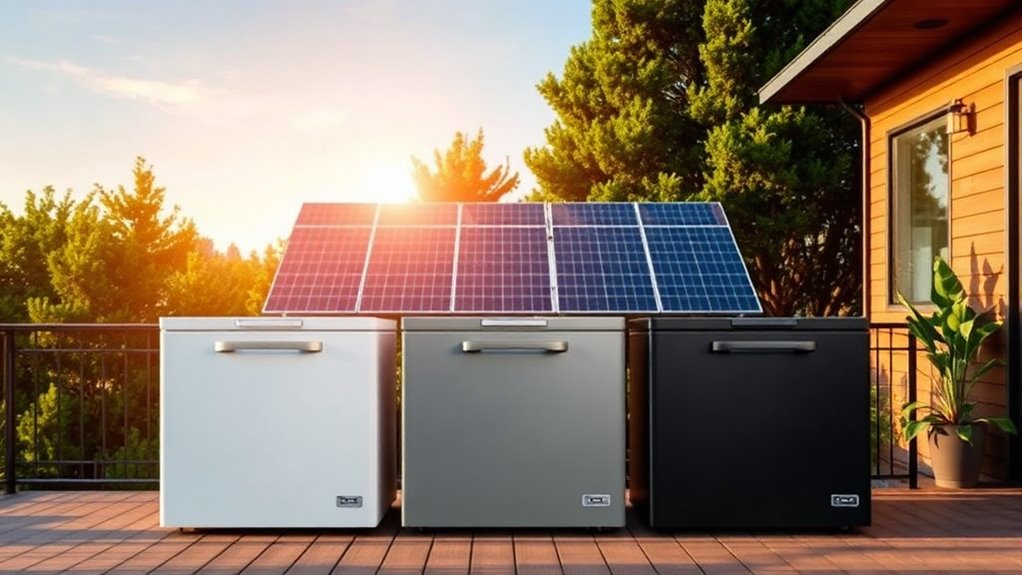
For solar power in 2027, you’ll want efficient chest freezers that maximize energy savings and work seamlessly with your setup. Options like the Portable Mini Solar Powered Car Refrigerator Freezer are perfect for on-the-go use, featuring a handy 50W solar panel. These freezers are designed to keep your food cold while using minimal power, making them ideal for off-grid living or camping trips.
The PioneerWorks 14.5 Cu.Ft model offers dual-mode cooling, which means it can run on both solar and regular power. It’s energy-efficient and easy to move around, giving you flexibility wherever you need it.
If you need something smaller but still powerful, the Antarctic Star 3.2 Cu.Ft freezer runs quietly and reliably down to -40°F. Picking the right size, controls, and noise level can really help keep your solar setup stable. And trust me, there’s plenty more to consider when choosing the best freezer for your solar-powered lifestyle.
Portable Mini Solar Powered Car Refrigerator Freezer
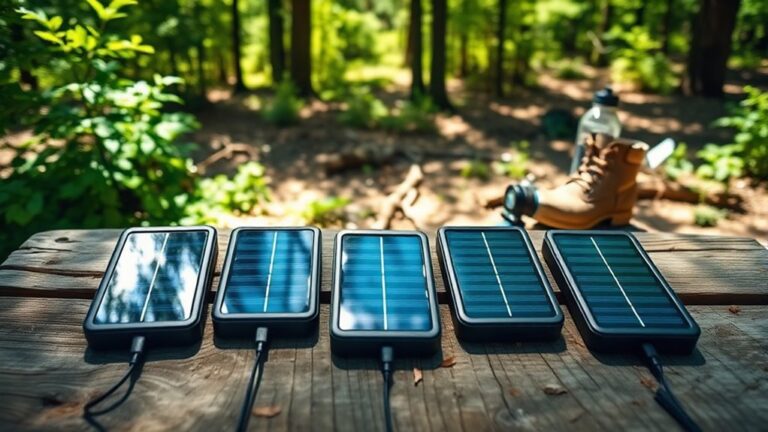
Experience hassle-free cooling on the go with the Portable Mini Solar Powered Car Refrigerator Freezer. Designed for people who travel frequently, this compact fridge keeps your food and drinks fresh using eco-friendly solar energy. It solves the common problem of finding reliable refrigeration during outdoor activities or road trips.
Powered by a 50W monocrystalline solar panel, it offers stable and efficient cooling even in changing weather conditions. The fridge’s compact design includes a convenient handle, allowing for easy transport to camping sites, picnics, or tailgate parties. Its large capacity ensures you have plenty of space for your essentials.
Maintenance is simple, thanks to the included battery box and cable that streamline power setup. While solar efficiency depends on sunlight, this unit offers a practical solution for short-term use. Keep in mind, it supports only DC18V solar panel output, which might limit compatibility with some power sources.
This solar-powered car refrigerator is ideal for anyone needing a portable, eco-conscious cooling option that enhances outdoor experiences without complex setups.
Best for: Outdoor enthusiasts, campers, and travelers looking for a compact and energy-efficient portable fridge.
What We Like:
- Efficient cooling powered by a 50W monocrystalline solar panel
- Compact, portable design with an easy-carry handle
- Large storage capacity suitable for various outdoor activities
- Simple maintenance with included battery box and cable
Specification:
| Feature | Details |
|---|---|
| Manufacturer | Not specified |
| Dimensions | Not specified |
| Weight | Not specified |
| Material | Not specified |
| Color Options | Not specified |
| Solar Panel Power | 50W monocrystalline |
| Solar Panel Output | DC18V |
14.5 Cu.Ft Chest Freezer, Dual Mode Deep Freezer, Energy Saving
Experience the convenience of ample storage with the 14.5 cu. ft chest freezer designed to meet your bulk grocery and meal prep needs. Its spacious interior helps you organize large quantities of food efficiently, reducing frequent trips to the store. The dual-mode function allows you to switch seamlessly between freezer and refrigerator settings, adapting to your changing storage requirements.
This freezer features two removable baskets and a bright LED light, making it simple to locate and access items quickly. A strong seal strip locks in cold air, helping to maintain consistent temperatures and reduce frost buildup. While it requires manual defrosting, this process is straightforward and keeps the unit running efficiently.
Energy efficiency is a key benefit, with an estimated annual cost of just $41 and a quiet 45 dB operation that won’t disrupt your home environment. Mobility is enhanced by six smooth rollers, and a built-in lock provides added security for your stored items.
Best for: Individuals or families seeking a large, versatile chest freezer with energy-saving features, easy access, and mobility for bulk food storage or beverage cooling.
What We Like:
- Dual-mode temperature control for refrigeration and freezing
- Energy-efficient with low operating noise
- Removable baskets and LED lighting for easy organization
- Smooth rollers for effortless movement
- Built-in lock for secure storage
Specification:
| Feature | Details |
|---|---|
| Manufacturer | PioneerWorks |
| Capacity | 14.5 cu. ft |
| Temperature Range | Refrigerator: 32℉–46.4℉, Freezer: -14.8℉–10.4℉ |
| Noise Level | 45 dB |
| Defrost Type | Manual |
| Mobility | Six rollers |
| Security | Built-in lock |
| Lighting | LED light |
Antarctic Star Chest Freezer 3.2 Cubic Feet, Low-Temperature Freezer, Red
The Antarctic Star Chest Freezer delivers reliable low-temperature storage with a compact 3.2 cubic feet capacity. Its wide temperature range from 14°F down to -40°F ensures fast freezing, preserving the quality and nutrients of your food. This freezer is ideal for users who need efficient freezing without sacrificing space or energy.
Designed for quiet operation at 43 dB, it fits easily into small households or off-grid setups. The energy-efficient design consumes only 193 kWh annually, making it suitable for solar-powered environments. An electronic display and adjustable control panel provide straightforward temperature management for different types of food.
Maintenance is simple, but users should monitor the high temperature alarm and the “EH” error code, which signals if the freezer cannot maintain the preset temperature. The chest-style design requires floor space and some bending to access contents, which may be a consideration for some users.
Overall, this freezer balances functionality with convenience, offering precise temperature control and dependable food preservation in a compact footprint.
Best for: Small households, off-grid living, or anyone needing efficient, low-temperature storage with quiet operation and precise temperature control.
What We Like:
- Wide temperature range for rapid freezing and nutrient preservation
- Quiet operation at 43 dB, ideal for noise-sensitive environments
- Energy-efficient with 193 kWh annual consumption, suitable for solar setups
- Easy-to-use electronic display and adjustable temperature controls
Specification:
| Feature | Details |
|---|---|
| Manufacturer | Antarctic Star |
| Capacity | 3.2 cubic feet |
| Temperature Range | 14°F to -40°F |
| Noise Level | 43 dB |
| Annual Energy Use | 193 kWh |
| Color | Red |
| Design | Chest freezer |
Factors to Consider When Choosing a Chest Freezer for Solar Power
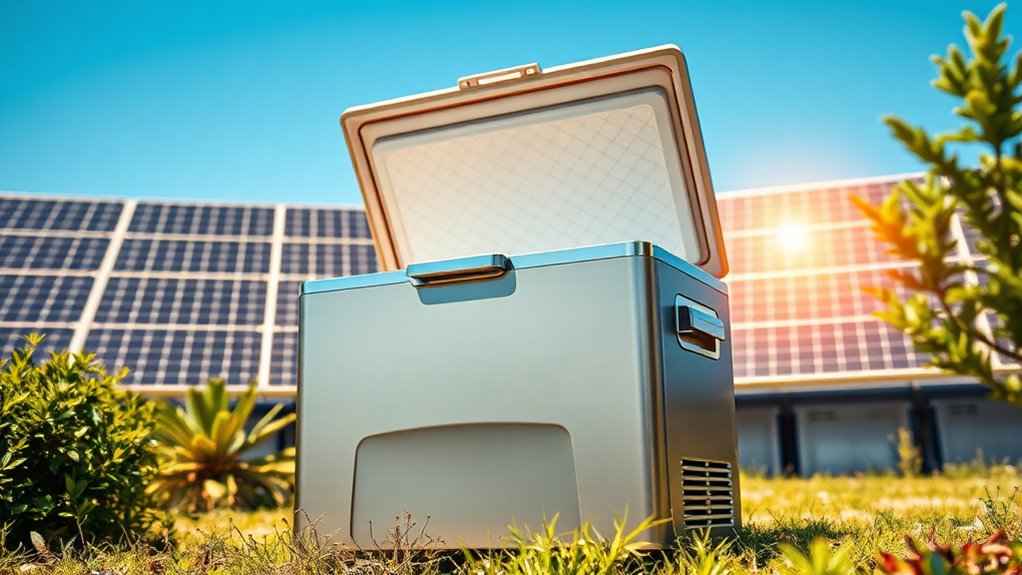
When choosing a chest freezer for solar power, you’ll want to focus on power consumption and cooling reliability to get the best performance. Make sure it’s compatible with your solar panel setup and fits your storage needs.
Don’t forget to check temperature control options for precise management. This way, you can keep your food fresh without wasting energy. It’s all about finding the right balance for your specific setup.
Power Consumption Efficiency
Frequently, understanding power consumption efficiency proves important when selecting a chest freezer for solar power setups. You’ll want to check the stated annual electricity use, like 193 kWh/year, to estimate your long-term solar and battery needs.
Choose models with clear energy-saving claims and daily or yearly cost estimates—lower consumption means easier off-grid operation. Pay attention to the temperature range and control type since colder targets can increase compressor runtime, raising solar demand.
Noise levels around 43–45 dB give clues about motor operation patterns and load steadiness. Also, weigh manual versus automated features; manual defrost freezers often minimize heat influx, helping keep power use down.
Considering these factors ensures your solar setup efficiently supports your freezer without unnecessary strain.
Cooling Performance Reliability
Since maintaining consistent freezing temperatures is essential for your solar-powered chest freezer, you should prioritize models that offer reliable cooling performance. Look for units with proven low-temperature ranges, typically from 14°F down to -40°F. This ensures your food stays frozen despite solar power fluctuations.
Opt for freezers featuring rapid freezing and stable temperature controls, like mechanical dials or electronic displays. These help the freezer quickly recover after frequent openings.
Low operating noise around 43–45 dB usually indicates steady compressor cycling, which supports consistent cooling. Also, consider energy efficiency to sustain temperature without overtaxing your solar system.
Finally, select models with safety features such as high-temperature alarms or error alerts. These help you spot cooling failures early, protecting your frozen goods from spoilage when power inconsistencies occur.
Solar Panel Compatibility
Although chest freezers can offer excellent cooling performance, you’ll need to make sure your solar power system matches their electrical requirements to keep them running smoothly. Start by checking if your freezer’s input matches your solar setup—whether it needs DC or AC power and the correct voltage, like converting 18V solar output to the freezer’s needs.
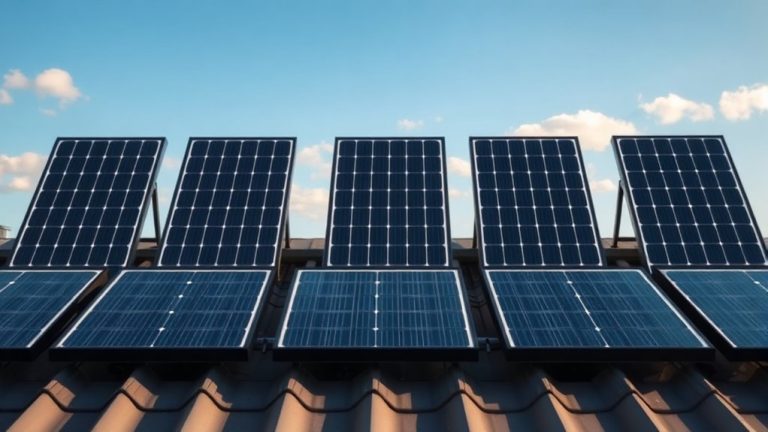
Choose a solar panel with enough wattage, such as a 50W monocrystalline, to support continuous compressor operation, not just brief cooling bursts. Make sure your solar system includes proper battery storage and cabling to run the freezer overnight or during cloudy days.
Also, verify the freezer is designed for solar compatibility. And consider how often it cycles since tighter temperature control demands more steady power from your solar panels. It’s all about matching your gear so everything works smoothly together.
Storage Capacity Needs
Selecting the right storage capacity for your chest freezer is essential when powering it with solar energy. You’ll want to choose a size based on how much bulk food you plan to store, whether it’s around 3.2 cu. ft for small loads or up to 14.5 cu. ft for larger quantities.
Match the capacity to your organization needs—removable baskets or sections help separate meats, vegetables, and quick-grab items without overcrowding. Think about how often you access the freezer; frequent openings in larger units can increase energy use by letting warm air in.
Also, make sure your freezer’s size supports stable freezing since solar power depends on stored mass to maintain temperature. And don’t forget to factor in the physical footprint so it fits nicely in your solar setup space.
Temperature Control Options
When choosing a chest freezer for solar power, you’ll want to focus on temperature control options that suit your specific storage needs. Look for adjustable controls that cover a dual-mode range—refrigerator settings around 32°F to 46.4°F and freezer settings from about -14.8°F to 10.4°F.
If you need finer accuracy, choose models with a mechanical dial or electronic panel to set and maintain exact temperatures. Prioritize freezers that clearly state their operating temperature range, especially low-temp models reaching about 14°F down to -40°F. This way, you can align with your solar power availability.
Electronic displays offer real-time temperature visibility, helping you monitor cooling during variable solar input. Also, safety features like high-temperature alarms alert you if temperatures rise, protecting your stored food from spoilage. It’s all about keeping things safe and efficient!
Portability and Mobility
Temperature control plays a big role in keeping your food safe, but portability and mobility are just as important when pairing a chest freezer with solar power. You’ll want a unit that’s easy to move alone, ideally with handles or built-in carrying features.
Smooth casters, sometimes as many as six, make relocating the freezer between rooms or during seasonal storage much simpler. Consider the freezer’s weight—large models can top 148 pounds and usually require help to relocate.
If you plan frequent travel or outdoor use, choose compact, transportable designs meant for road trips or camping instead of bulky garage models. Finally, confirm the freezer is freestanding and easy to reposition without special tools so you can quickly adapt to changing power setups or storage needs.
Noise Level Considerations
Though chest freezers are essential for preserving your food, their noise level can significantly impact your comfort, especially when running on solar power. You’ll want to check the freezer’s noise rating in decibels (dB); models around 43-45 dB operate quietly and are easier to tolerate during longer run times.
Solar systems often cause compressors to cycle more frequently, so a lower-noise freezer reduces disruption. If your freezer sits near living spaces or shared areas like a garage or basement, even a small difference—say 43 dB versus 45 dB—can affect your peace.
Look for documented dB ratings instead of vague “quiet” claims, and prioritize models with steady temperature control. This helps avoid frequent compressor surges that increase noise.
Durability and Weather Resistance
Besides noise levels, you’ll want to focus on how well a chest freezer holds up against weather and outdoor conditions when running on solar power. Look for weather-resistant construction and stable insulation to keep temperatures steady despite heat spikes, sun exposure, or cold snaps.
Check that the lid seal locks in cold air and resists frost buildup, especially in humid or rainy environments. Choose freezers with corrosion-resistant exteriors and durable, abrasion-resistant interiors to endure outdoor use and wet cleaning.
Reliable temperature control—whether mechanical or electronic—is vital to maintain low temps amid fluctuating solar input and weather changes. Finally, make sure the freezer has safeguards like high-temperature alarms so you can quickly address any issues if the cabinet strays from its target range.
Frequently Asked Questions
How Do Solar Panels Connect to Chest Freezers for Optimal Performance?
You connect solar panels to chest freezers by wiring them through a charge controller and inverter, ensuring consistent power. This setup optimizes performance by regulating voltage and converting DC to AC, keeping your freezer running efficiently.
Basically, the charge controller protects your freezer from voltage spikes, while the inverter changes the solar energy into a form your freezer can use. That way, everything runs smoothly without interruptions.
What Maintenance Is Required for Solar-Powered Chest Freezers?
You’ll need to make sure the solar panels are cleaned regularly and check battery health often. It’s also important to inspect wiring for any damage to avoid issues.
Make sure the freezer’s coils stay dust-free to keep it running smoothly. Don’t forget to monitor energy use too, so your system stays efficient and reliable.
Can Chest Freezers Run on Solar Power During Cloudy Days?
Yes, your chest freezer can run on solar power during cloudy days if you have a properly sized battery bank storing energy.
Without batteries, solar panels alone won’t provide consistent power when sunlight is limited.
So, think of the batteries as your backup—they store energy when the sun is out, and then supply power when it’s not.
That way, your freezer keeps running smoothly, no matter the weather!
Are There Any Tax Credits for Purchasing Solar-Compatible Freezers?
You know what they say, “A penny saved is a penny earned.”
Yes, you can get tax credits for buying solar-compatible freezers, but it depends on your location and current incentives.
Always check local and federal programs first!
How Long Do Solar-Powered Chest Freezers Typically Last?
Solar-powered chest freezers typically last around 10 to 20 years with proper upkeep. You’ll want to keep the compressor and seals in good condition to extend their lifespan and ensure efficient, dependable performance over time.
It’s really about regular maintenance. Just a little care goes a long way in making sure your freezer runs smoothly for years.
Conclusion
Choosing the right chest freezer for your solar-powered setup is like planting a seed in fertile soil—it promises growth, energy, and sustainability. With options like the Portable Mini Solar Refrigerator or the Antarctic Star, you’re not just preserving food; you’re preserving your independence.
Let your freezer be the sun’s loyal companion, storing coolness as the sun stores energy. Embrace this choice, and watch your solar journey flourish with every frozen moment.
When picking the best chest freezer for solar power, think about energy efficiency and how well it pairs with your solar system. The right model can maximize your solar investment, keeping your food fresh without draining your batteries.
By choosing a solar-compatible chest freezer, you’re not only saving money but also contributing to a greener future. So go ahead—invest in a chest freezer that works seamlessly with your solar power, and enjoy the perfect blend of convenience, sustainability, and independence. Your solar-powered lifestyle just got cooler!