5 Best Batteries for Cold Weather Solar in 2027
For reliable cold-weather solar power in 2027, it’s crucial to choose batteries designed to perform well in freezing temperatures. Self-heating LiFePO4 batteries are top picks because they maintain efficiency even when it’s really cold. Options like the 12V 300Ah with app monitoring, LiTime 12V 320Ah mini unit, and the Redodo 12V 100Ah Group 31 all fit the bill perfectly.
The Jackery Solar Generator 1000 v2 offers excellent portability and smart charging features, making it ideal for on-the-go solar setups. If you need higher output, the 24V 100Ah model is a solid choice.
Each of these batteries comes with built-in heaters, advanced BMS protections, and Bluetooth monitoring. This means they keep performance smooth, reliable, and safe in freezing temps. Keep exploring to find the perfect fit for your cold-weather solar setup!
| Image | Name | Editor's Rating | Price |
|---|---|---|---|
|
|
||

|
|
||

|
|
||

|
|
||

|
|
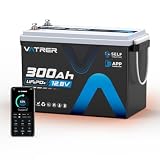
12V 300Ah Self-Heating LiFePO4 Lithium Battery with APP Monitoring
- 【Built-in Self-Heating Function】This 12V 300Ah lithium battery features an intelligent self-heating function...
- 【Smart APP Monitoring】Monitor your battery status in real time via the dedicated smart APP. Track all critical...
- 【Upgraded Battery - Smaller Size】 Compared to the previous 12V 300AH self-heating battery, our upgraded version...
- 【Ultra-Long Cycle Life】This 12V 300Ah LiFePO4 battery provides exceptional durability with over...
- 【Advanced BMS for All-Round Safety】This battery features an upgraded Battery Management System (BMS) that...

Experience dependable power even in freezing conditions with the 12V 300Ah Self-Heating LiFePO4 Lithium Battery with APP Monitoring. Its built-in self-heating activates automatically below 32°F, allowing safe charging and discharging by warming the battery to 41°F. This feature solves the common problem of battery performance loss in cold environments.
Designed to be lightweight, this battery weighs about one-third as much as traditional lead-acid batteries. This makes it ideal for applications where weight matters, such as boats, RVs, solar energy systems, and off-grid power setups. Its compact design also simplifies installation and handling.
Maintenance is straightforward thanks to the advanced Battery Management System (BMS). It protects against overcharge, over-discharge, and other risks, ensuring long-lasting performance. The accompanying app provides real-time monitoring of voltage, current, and battery health, giving users full control and peace of mind.
While this battery excels in many areas, it is not suited for golf cart use. Users should also follow the operation manual carefully to manage the self-heating safely and avoid contact with hot surfaces.
Best for: Outdoor enthusiasts and off-grid users needing a lightweight, reliable lithium battery with cold-weather resilience and smart monitoring.
What We Like:
- Self-heating function for safe cold-weather operation
- Lightweight design eases transport and installation
- Advanced BMS with comprehensive protection features
- Real-time app monitoring of battery status
Specification:
| Feature | Details |
|---|---|
| Manufacturer | [Not specified] |
| Voltage | 12V |
| Capacity | 300Ah |
| Battery Type | LiFePO4 Lithium |
| Weight | Approximately 1/3 of lead-acid batteries (exact weight not specified) |
| Self-Heating | Yes, activates below 32°F |
| Monitoring | APP with real-time data |
LiTime 12V 320Ah Mini Self-Heating LiFePO4 Battery for RV Solar Marine
- 2 Upgraded Heating Modes: 12V 320Ah Mini Self-Heating Battery comes with Regular and Energy-Efficient options...
- Save Space & Easy to Transport: 35% smaller (14.49×7.44×10.04in) than 12V 300Ah lifepo4 battery& 70% lighter...
- Power All Your Gear Consistently: 4096Wh energy + 2560W max continuous output. Runs RV appliances, marine tools...
- Steady Winter Performance: Smart self-heating + low-temp protection. Delivers reliable power in cold...
- Monitor Power in Real Time: Bluetooth 5.0 + LiTime App. Check battery level, temp & status anytime—manage power...
The LiTime 12V 320Ah Mini Self-Heating LiFePO4 Battery is designed to keep your RV, boat, or solar setup powered even in cold conditions. Its built-in self-heating system activates below 41°F during charging, preventing performance drops in freezing temperatures. This ensures your energy supply stays stable when you need it most.
Compact and lightweight, this battery is about 35% smaller and 70% lighter than traditional lead-acid options. This design makes installation simpler and saves valuable space in tight areas. Its robust construction, rated IP65, means it can handle outdoor environments on RVs, marine vessels, trucks, and vans.
Maintenance is minimal thanks to the advanced LiFePO4 chemistry, which offers a long cycle life between 4,000 and 15,000 cycles. You can easily monitor battery health and temperature in real time through Bluetooth 5.0 using the LiTime app, helping you avoid unexpected downtime.
While ideal for energy storage, this battery is not intended for starting engines or high current applications like golf carts. Also, its maximum configuration of 4P4S may limit expansion for very large solar systems. However, it remains a reliable and efficient power source for off-grid adventures.
Best for: Outdoor enthusiasts and vehicle owners who need a compact, durable, and cold-weather-ready lithium battery for solar power applications.
What We Like:
- Self-heating feature for consistent cold-weather performance
- Compact size and lightweight for easy installation
- Real-time monitoring via Bluetooth and the LiTime app
- Durable IP65-rated design suitable for various outdoor environments
Specification:
| Feature | Details |
|---|---|
| Manufacturer | LiTime |
| Voltage | 12V |
| Capacity | 320Ah |
| Dimensions | Mini (exact size not given) |
| Weight | Approximately 70% lighter than lead-acid batteries |
| Battery Type | LiFePO4 |
| Connectivity | Bluetooth 5.0 |
| Protection Rating | IP65 |
Redodo 12V 100Ah LiFePO4 Self-Heating Group 31 Deep Cycle Battery
- 【2X Faster Heating Speed】Redodo 12.8V 100Ah LiFePO4 battery heater is equipped with dual heating pads with a...
- 【Support Low Temp Cut Off】Redodo 12.8V 100Ah LiFePO4 battery self heating supports low temperature cut off...
- 【65% Lighter Weight, Stronger Power】Redodo 12V 100Ah lithium battery self heating is only 23.32lbs, which is...
- 【Self designed 100A BMS & Grade A Cells】Redodo 100Ah self-heating lithium battery with low temp cutoff is built...
- 【Versatile & Easy Connection】Redodo 100Ah self heating LiFePO4 battery with low temp cutoff is versatile for...
Experience dependable power even in freezing temperatures with the Redodo 12V 100Ah LiFePO4 self-heating deep cycle battery. Designed to tackle cold-weather challenges, this battery features dual 100W heating pads that quickly raise cell temperature from 14°F to 41°F in just 30 minutes. This rapid warming helps maintain optimal performance in harsh environments.
The integrated smart 100A Battery Management System (BMS) protects against temperature extremes, overcharging, and excessive discharge. This ensures safe operation and extends the battery’s lifespan. Its lightweight design, at only 23.32 lbs, is 65% lighter than comparable AGM batteries, making it ideal for compact spaces.
Maintenance is straightforward thanks to the battery’s robust construction and intelligent protections. However, charging is disabled below 32°F, so use in extremely cold conditions may require planning. Though it’s not suited for starting engines or golf carts, it excels in renewable energy or recreational setups.
With up to 15,000 deep cycles, this battery offers long-lasting, consistent power for off-grid applications. Its compact size and fast self-heating capabilities improve reliability when you need it most.
Best for: Off-grid users and outdoor enthusiasts who require a lightweight, fast-heating battery for cold-weather use in RVs, boats, and solar systems.
What We Like:
- Fast self-heating with dual 100W pads for quick cold-start performance
- Long cycle life of up to 15,000 deep cycles for extended use
- Lightweight and compact, 65% lighter than similar AGM batteries
Specification:
| Feature | Details |
|---|---|
| Manufacturer | Redodo |
| Voltage | 12V |
| Capacity | 100Ah |
| Battery Type | LiFePO4 (Lithium Iron Phosphate) |
| Weight | 23.32 lbs (10.57 kg) |
| Heating Pads | Dual 100W |
| Dimensions | Group 31 size (approximate) |
Jackery Solar Generator 1000 v2 and 200W Solar Panel,1024Wh LiFePO4 Battery
- 10ms UPS & Tailored for Versatility: Featuring two USB-C ports, one USB-A port, one DC car port, and two pure sine...
- Powerful yet Compact: Boasting a 1,500W AC output and a 3,000W surge peak, the Solar Generator 1000 V2 can power...
- 50-Min Fast Charging: Charge your Explorer 1000 v2 Portable Power Station from 0% to 100% battery level in just...
- 10 Year Lifespan: The Explorer 1000 v2 portable power station is equipped with a durable LFP battery, maintaining...
- Smart App Control: Effortlessly switch between different charging modes with Jackery’s App—including 50-minute...
Experience reliable power wherever you go with the Jackery Solar Generator 1000 v2. Its durable 1,024Wh LiFePO4 battery is designed to last over 10 years, providing consistent energy for your outdoor adventures or emergency needs. This portable power station handles cold weather solar setups with ease, delivering a 1,500W continuous output and a surge capacity of 3,000W.
The included 200W solar panel efficiently recharges the battery, ensuring you stay powered even in remote locations. Smart ChargeShield 2.0 technology manages safe and intelligent charging, protecting your device and extending battery life. Through the Jackery app, you can switch between fast charging and quiet modes for convenience.
With multiple output ports—including pure sine wave AC and USB-C PD 100W—the generator supports various devices simultaneously. Its UPS capability offers seamless power backup, while a quick 50-minute emergency charge keeps you prepared for unexpected power needs. Maintenance is straightforward, focusing on keeping solar panels clean and monitoring battery status via the app.
Best for: Outdoor enthusiasts, emergency preparedness users, and homeowners seeking a reliable, long-lasting portable solar power solution.
What We Like:
- Long-lasting LiFePO4 battery with 4,000 charge cycles
- Efficient solar panel paired with intelligent charging technology
- Multiple output options and UPS capability for versatile use
- Fast emergency charging option for quick power restoration
Specification:
| Feature | Details |
|---|---|
| Manufacturer | Jackery |
| Battery Capacity | 1,024Wh LiFePO4 |
| Continuous Output | 1,500W |
| Surge Output | 3,000W |
| Solar Panel Power | 200W |
| Weight | Not specified |
| Dimensions | Not specified |
24V 100Ah LiFePO4 Battery with Bluetooth
- Advanced Heating System: This 24V 100Ah mini self-heating battery is designed for freezing conditions. When...
- Wireless Bluetooth 5.0 Control: Open the KeepKnow App to see SOC, voltage, and current in real time. Turn discharge...
- Ultra-Light & Slim: Only 40.78 lbs and 13.58 × 7.48 × 9.64 in. Over 60% lighter and 50% smaller than lead-acid...
- EV-Grade Cells & Long Cycle Life: Using the same EV-grade LiFePO4 cells found in electric vehicles, this battery...
- Smart BMS & IP65 Waterproof: Features an intelligent 100A BMS that safeguards against overcharging, short circuits...
Stay powered even in freezing weather with the 24V 100Ah LiFePO4 Battery, designed to keep your devices running smoothly in cold conditions. Its built-in self-heating system activates below 32°F, using charger current to warm the battery, ensuring reliable charging resumes at 37°F. This feature solves common cold-weather battery failures and keeps your setup operational when it matters most.
The battery’s EV-grade LiFePO4 cells provide a long lifespan of over 6,000 cycles at full depth of discharge, reducing the need for frequent replacements. Its smart 100A Battery Management System protects against overcharge, short circuits, and deep discharge, minimizing maintenance and enhancing safety.
Compact and lightweight at just 40.78 lbs with a durable, waterproof IP65 case, this battery is ideal for harsh outdoor environments. Bluetooth 5.0 connectivity allows real-time monitoring and remote control of discharge through the KeepKnow app, giving you convenience and peace of mind.
While it requires a minimum charger current of 7A to activate the heating system, and its max continuous output is 400A, it remains a solid choice for cold-weather marine, RV, and solar power setups.
Best for: Outdoor enthusiasts and marine users needing reliable, cold-weather battery power with smart monitoring and durable, lightweight design.
What We Like:
- Effective self-heating system for cold climate charging
- Long cycle life with robust EV-grade LiFePO4 cells
- Smart BMS for enhanced battery protection
- Bluetooth 5.0 for real-time monitoring and remote control
Specification:
| Specification | Details |
|---|---|
| Manufacturer | — |
| Dimensions (L×W×H) | — |
| Weight | 40.78 lbs (18.5 kg) |
| Battery Type | LiFePO4 |
| Capacity | 24V, 100Ah |
| Cycle Life | 6,000+ cycles at 100% DOD |
| Max Continuous Output | 400A |
| Case Rating | Waterproof IP65 |
| Connectivity | Bluetooth 5.0 |
Factors to Consider When Choosing a Battery for Cold Weather Solar
When choosing a battery for cold weather solar, you’ll need to take into account how the battery chemistry affects performance in low temperatures. Look for models with good thermal management and reliable battery management systems to keep things running smoothly.
Also, pay attention to capacity and energy density to make certain your system meets your power needs efficiently. It’s important to pick a battery that won’t let the cold slow you down.
Battery Chemistry Impact
Although cold weather poses challenges for all battery types, understanding how different chemistries perform in low temperatures helps you choose the best option for your solar setup.
Lithium iron phosphate (LiFePO4) cells maintain stable chemistry and typically allow charging and discharging down to around 0°C (32°F) with proper thermal management. This is unlike other lithium types that risk lithium plating below freezing.
Lead-acid batteries, including flooded, AGM, and gel, suffer reduced capacity and much higher internal resistance near freezing. They often deliver 20–50% less usable power in these conditions.
Since lithium batteries have lower thermal mass, you should consider whether your setup needs active heating or insulation to keep cells at peak temperatures. Also, make sure your battery’s BMS includes temperature cut-offs and cell balancing to protect cycle life in cold climates.
Cold Temperature Performance
Since cold temperatures can drastically reduce a battery’s capacity and increase internal resistance, you need to choose a battery designed to handle these challenges for your cold weather solar setup. Look for chemistries like LiFePO4 that tolerate low-temperature charging or include built-in heating. Most lithium batteries stop charging below freezing to prevent lithium plating.
A proper battery management system (BMS) is essential—it should provide low and high-temperature cutoffs to block charging or discharging outside safe ranges. This helps protect your battery from damage.
Keep in mind, cold conditions lower effective amp-hours and cause voltage sag. So, size your charging sources to supply enough current not only to restore charge but also to warm the cells when needed. Heating consumes extra energy in freezing weather, so plan accordingly.
Thermal Management Features
Choosing a battery with effective thermal management features is essential for maintaining reliable performance in cold weather solar systems. Look for batteries with built-in self-heating that activate when temperatures drop below about 32–41°F (0–5°C), enabling safe charging.
These systems usually stop heating once cells reach around 41–50°F (5–10°C) to prevent overheating and allow normal operation. Pay attention to low-temperature cutoffs in the battery management system (BMS), which protect the battery by blocking charging or discharging below critical temperatures (around -4°F to 32°F / -20°C to 0°C).
Dual-mode heating options help you balance faster warm-up with energy efficiency during standby. Integrated temperature sensors and cell balancing work together to maintain uniform temperatures, avoid thermal gradients, and extend battery life in cold climates.
Capacity And Energy Density
Evaluate the battery’s capacity and energy density carefully to guarantee reliable performance in cold weather solar setups. You’ll want a battery with enough usable capacity (measured in watt-hours) to handle energy losses due to cold temperatures, since chemistries like LiFePO4 deliver less power when chilled.
Higher energy density helps reduce weight and space—crucial if you add insulation or enclosures. Don’t forget to factor in reserve capacity for heating systems, as cold-rated batteries often need extra energy to power internal or external heaters alongside your normal load.
Always specify capacity in watt-hours for accurate comparisons across voltages. Finally, plan for derating by adding a 10–30% safety margin to cover capacity loss and reduced efficiency in low temperatures, ensuring your system stays reliable all winter.
Battery Management Systems
Battery Management Systems (BMS) play a crucial role in keeping your cold weather solar battery safe and efficient. A BMS with low-temperature cutoffs prevents charging below critical temps (around 32°F/0°C), avoiding lithium plating and capacity loss.
It also controls self-heating by activating heating elements when cells drop below 32–41°F. This ensures safe charging and helps restore normal operation.
The BMS manages protections against overtemperature, undertemperature, overcharge, overdischarge, overcurrent, and short circuits. These protections are especially important in cold climates where internal resistance varies.
You’ll want a BMS that reports real-time temperature, voltage, current, state of charge, and fault status via Bluetooth or an app. That way, you can easily monitor cold-start behavior and heating functions.
Finally, pick a BMS with a current rating fitting your system—usually 100–400A for typical 12–24V setups. Look for firmware that supports configurable temperature thresholds and heating logic too.
Durability And Certifications
While a solid Battery Management System protects your battery’s internal health, the overall durability and certifications of the battery itself play a huge role in how well it withstands harsh cold weather conditions. You should choose batteries with proven cycle life ratings—ideally 4,000 to 6,000 cycles at specified depth-of-discharge—to make certain durability through frequent freeze-thaw cycles.
Look for IP65 or higher ingress protection ratings and rugged housings to resist moisture, snow, ice, and dust that cause corrosion. It’s important that thermal-management features like self-heating and temperature cutoffs are built-in, alongside BMS protections against extreme temperatures.
Also, prefer batteries carrying third-party safety and transport certifications like UN38.3, CE, and RoHS. Finally, review manufacturer warranties and test data covering cold-temperature performance to confirm real-world durability. These steps really help ensure your battery lasts in tough conditions.
Frequently Asked Questions
How Do Self-Heating Batteries Impact Overall Solar System Efficiency?
Self-heating batteries boost your solar system’s efficiency by maintaining ideal temperature, preventing capacity loss in cold weather.
They keep your energy storage reliable, so you won’t lose power when temperatures drop.
Pretty handy, right? This means your solar setup works well even when it’s chilly outside.
Can These Batteries Be Used for Off-Grid Winter Camping?
Imagine your phone staying warm like a cozy campfire; yes, you can use self-heating batteries for off-grid winter camping.
They keep power flowing efficiently even in freezing temps, ensuring your gear stays charged all night.
What Maintenance Is Required for Lifepo4 Batteries in Cold Climates?
You’ll need to keep LiFePO4 batteries insulated and avoid deep discharges in cold weather. Regularly check their charge levels to make sure they’re healthy.
It’s also a good idea to store them at moderate temperatures. If you can, use a battery heater to help maintain peak performance. This way, your battery will last longer and work better in the cold.
Are There Warranty Differences for Batteries Used in Cold Weather?
You’ll find warranties wildly differ for cold-weather batteries! Some won’t cover frost damage at all, while others offer robust protection.
Always check the fine print so you don’t get stuck paying for freeze-related failures yourself. It’s better to be safe than sorry!
How Quickly Do Self-Heating Batteries Activate in Freezing Temperatures?
Self-heating batteries usually activate within minutes after detecting freezing temperatures. You’ll notice they quickly generate heat to maintain performance.
This prevents capacity loss and ensures your solar system keeps running efficiently even in cold conditions. It’s pretty impressive how fast they kick in, right?
Conclusion
You might think batteries hate cold weather, but with these self-heating LiFePO4 options, they actually thrive while you’re shivering. Choosing the right one means your solar setup won’t freeze up on you—literally.
So, if you’re ready to keep your power flowing in frosty conditions, these batteries have you covered. Who knew staying warm could be as simple as picking the right battery?
Cold weather solar batteries are game changers for anyone relying on renewable energy in chilly climates. With self-heating features, LiFePO4 batteries ensure your system stays efficient and reliable when temperatures drop. This means no more worrying about power loss or damaged batteries during winter months.
In 2027, picking one of the best batteries for cold weather solar will keep your energy storage strong and your solar setup running smoothly, no matter how low the mercury falls.