5 Best Companies for Solar Panels in 2027
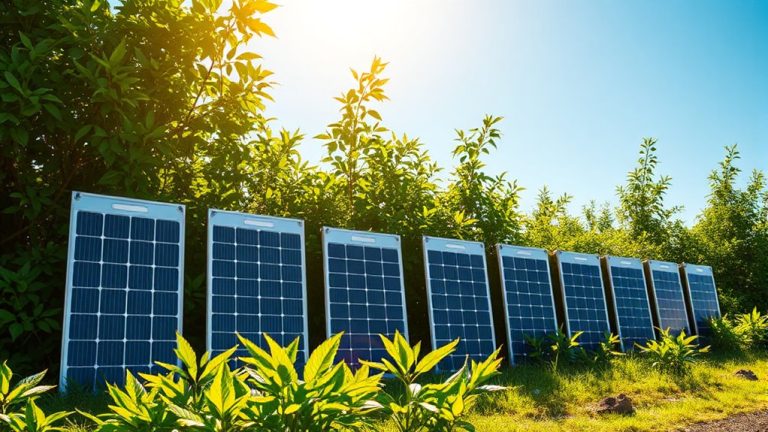
If you’re looking for the best solar panels in 2027, start with top companies like Renogy and JJN. These brands lead the industry with cutting-edge technology and impressive efficiency rates that can really boost your energy savings.
Plus, they use advanced N-Type cells, which means better performance and durability for your home or business.
Renogy’s panels, including their high-output ShadowFlux models and expandable starter kits, offer great reliability and broad compatibility with various setups.
On the other hand, JJN’s bifacial panels increase energy yield by capturing sunlight on both sides, making them a smart choice for maximizing power production.
Both companies also provide tough weather resistance and warranties up to 25 years, giving you peace of mind for the long haul.
Choosing wisely guarantees you’ll maximize your investment—discover the key differences among these leaders next.
| Image | Name | Editor's Rating | Price |
|---|---|---|---|

|
|
||

|
|
||

|
|
||

|
|
||

|
|
Renogy Solar Panels 400 Watt N-Type, 16BB 25% High-Efficiency
- 【Perfect Size for Class B Vans】This 400w solar panel is 7.5% smaller and 11.7% lighter than its predecessor...
- 【25% Cell Efficiency】Renogy's 400 watt solar panels feature 25% efficiency, with advanced 16BB cell technology...
- 【Improved Efficiency and Flexibility】The 24V solar panel minimizes current loss and boosts system efficiency...
- 【Ideal for Hot Climates】With a low temperature coefficient, this solar panels 400 watts guarantee excellent...
- Long-Term Reliability - Renogy 400w solar panel with low degradation (≤1% in the first year, ≤0.4% annually...
Experience efficient solar power in a compact design with the Renogy 400 Watt N-Type, 16BB solar panel. This panel is engineered to deliver 25% cell efficiency, ensuring you get more energy from less space. Its advanced 16BB technology reduces energy loss, even during hot or cloudy days, making your solar setup more reliable.
The panel’s smaller and lighter build—7.5% smaller and 11.7% lighter than earlier models—makes installation and transport easier. It works seamlessly with 12V or 24V battery systems, providing flexibility for various off-grid applications. Maintenance is straightforward due to its durable design and low degradation rate, helping you enjoy consistent performance over time.
Designed to suit RVs, cabins, vans, and other mobile or remote energy needs, this panel offers a smart solution for those who want high output without extra bulk. Its 24V system requires compatible charge controllers, but this ensures optimal energy management. While it costs more upfront, its efficiency and longevity provide real value.
Best for: Individuals needing a high-efficiency, space-saving solar panel for off-grid and mobile installations in diverse climates.
What We Like:
- High 25% cell efficiency with advanced 16BB technology
- Compact and lightweight for easy handling and installation
- Low degradation rate ensures steady energy production
- Compatible with 12V and 24V battery systems
- Performs well in high temperatures and cloudy conditions
Specification:
| Feature | Details |
|---|---|
| Manufacturer | Renogy |
| Power Output | 400 Watts |
| Cell Type | N-Type |
| Busbars | 16BB |
| Efficiency | 25% |
| Size Reduction | 7.5% smaller than prior models |
| Weight Reduction | 11.7% lighter than prior models |
| System Voltage | 12V / 24V compatible |
Renogy ShadowFlux Solar Panel 400 Watt, N-Type 25% High-Efficiency
- ShadowFlux Anti-Shading Technology - Renogy shadowflux technology delivers enhanced power generation even in shaded...
- Unmatched Cell Efficiency - Featuring advanced N-Type solar cells with 16BB technology, renogy shadowflux solar...
- Compact and Lightweight Design - Renogy 400 watt solar panels are 7% smaller and 10% more compact than PERC solar...
- Superior Environmental Endurance - With an ≥ IP67 rating, renogy solar panels are built to endure extreme weather...
- Long-Term Reliability - The 2pcs shadowflux solar panel 200w is backed by a 5-year on materials and craftsmanship...

Renogy’s ShadowFlux Solar Panel delivers reliable power where shading often limits energy capture. Its advanced N-Type cells and 16BB technology ensure up to 400 watts of output with impressive 25% efficiency. This means you can maintain strong energy generation even under partial shade from trees or nearby structures.
The panel’s ShadowFlux Anti-Shading Technology actively improves performance in less-than-ideal conditions. Its compact design with an IP67 rating resists dust and water, making it easy to install on roofs or RVs without taking up extra space. The durable tempered glass and aluminum frame offer lasting protection against the elements.
Maintenance is simple thanks to the panel’s robust build, allowing you to focus on using clean energy without frequent upkeep. It’s designed for homeowners and RV users who need efficient solar power in space-constrained or shaded environments. While slightly heavier due to its sturdy materials, this panel balances durability with performance.
Best for: Homeowners and RV enthusiasts seeking high-efficiency solar power in partially shaded or space-constrained environments.
What We Like:
- Maintains power output under partial shading with ShadowFlux technology
- High 25% efficiency from N-Type cells and 16BB design
- Durable, weather-resistant construction with IP67 rating
- Compact size fits tight installation spaces
Specification:
| Feature | Details |
|---|---|
| Manufacturer | Renogy |
| Output Power | 400 Watts |
| Cell Type | N-Type |
| Efficiency | 25% |
| Technology | 16BB, ShadowFlux Anti-Shading |
| Dimensions | Compact (exact size not provided) |
| Weight | Heavier due to tempered glass and aluminum frame |
| Protection Rating | IP67 |
| Frame Material | Aluminum Alloy |
| Glass Type | Tempered Glass |
Renogy 100W 12V Solar Panel Starter Kit with 30A PWM Controller
- 【Efficient Performance】This Starter Kit can generate an average of 500Wh of electricity per day (varies with...
- 【Market-Leading Service Plan】Enjoy worry-free usage with our market-leading service plan, providing 10 years of...
- 【Exceptional Safety】Certified by UL 61730, CSA C22.2#61730, IEC 61730/IEC 61215, our solar panel withstands...
- 【Remote Monitoring】The Wanderer PWM Charge Controller features an RS232 Bluetooth port. By adding a Renogy BT...
- 【Excellent Compatibility】The solar kit with the Wanderer 30A PWM Charge Controller, supports expansion up to...
Harness reliable solar power wherever you go with the Renogy 100W 12V Solar Panel Starter Kit. Designed to meet the needs of RV owners and off-grid adventurers, this kit provides a steady energy supply without complicated setup. It helps reduce reliance on traditional power sources, making your outdoor experiences more sustainable and convenient.
The kit includes a high-efficiency monocrystalline solar panel paired with a 30A PWM charge controller. This combination efficiently converts sunlight into usable energy while protecting your batteries. The system supports multiple battery types, including lithium, offering versatile compatibility for different setups.
Maintenance is straightforward thanks to the durable, weather-resistant design. The robust materials ensure long-lasting performance even in tough conditions, minimizing upkeep and ensuring continuous power generation. You can also expand the system up to 400W as your energy demands increase.
Remote monitoring via Bluetooth adds convenience, although the module may require a separate purchase. While the PWM controller is less efficient than MPPT alternatives, it provides a cost-effective solution for basic solar power needs.
Best for: RV owners, campers, and off-grid enthusiasts seeking a reliable and expandable solar power system.
What We Like:
- High 22.5% monocrystalline panel efficiency for consistent power output
- Expandable capacity up to 400W with additional panels
- Durable, weather-resistant construction built for outdoor use
- Supports multiple battery types including lithium
- Easy installation with included mounting brackets and cables
Specification:
| Feature | Details |
|---|---|
| Manufacturer | Renogy |
| Panel Power | 100 Watts |
| Panel Type | Monocrystalline |
| Cell Efficiency | 22.5% |
| Charge Controller | 30A PWM |
| System Voltage | 12 Volts |
| Expandable Power | Up to 400 Watts |
| Included Accessories | Z-brackets, cables |
| Weather Resistance | Yes |
JJN Bifacial 425 Watt N-Type Solar Panel, UL 61730, 25% High Efficiency
- [Bifacial Technology]This package contains the solar panel only. These 425W Bifacial solar panels feature a...
- [N-Type 16BB Cells] Utilizing 16BB N-type solar cells, these solar panels offer superior efficiency and...
- [Durable and Weather-Resistant] Built with black corrosion-resistant aluminum frame, the 425W solar panels...
- [Easy Installation and Versatile Use] JJN 425 Watt Solar Panel features pre-drilled mounting holes, which enable...
- [Reliable after-sales Service] As a professional solar panel manufacturer, we provide an extra-long transferable...
Experience the power of advanced solar technology with the JJN Bifacial 425 Watt N-Type Solar Panel. Designed for superior energy capture, this panel generates electricity from both sides, boosting output by up to 25% compared to traditional panels. Its innovative dual-sided design solves the common problem of limited efficiency on single-sided panels.
Built to endure, the panel features a sturdy, black corrosion-resistant frame that withstands tough weather conditions, including strong winds and heavy snow. The waterproof IP65 junction box and IP68 connectors ensure reliable performance with minimal maintenance, making it ideal for long-term use in various environments.
Installation is straightforward thanks to pre-drilled mounting holes, allowing easy setup on rooftops, RVs, boats, or off-grid systems. Its lightweight yet robust construction supports diverse applications without compromising durability. This solar panel is an excellent choice for those wanting efficient, low-maintenance power solutions.
While the initial investment is higher than standard panels, the increased energy yield and durable design offer lasting value. Keep in mind, optimal bifacial gains require reflective surfaces beneath the panel, and its size may need stronger mounts in some cases.
Best for: Homeowners and businesses looking for a high-efficiency, durable solar panel suitable for rooftops, mobile setups, and off-grid use.
What We Like:
- Dual-sided design increases energy output by up to 25%
- Corrosion-resistant frame withstands harsh weather conditions
- Waterproof junction box and connectors enhance durability
- Easy installation with pre-drilled mounting holes
- Lightweight and robust for versatile applications
Specification:
| Feature | Details |
|---|---|
| Manufacturer | JJN |
| Power Output | 425 Watts |
| Cell Type | N-Type, 16 Busbar |
| Frame Material | Corrosion-resistant aluminum |
| Wind Load Rating | 2400 Pa |
| Snow Load Rating | 5400 Pa |
| Junction Box Protection | IP65 |
| Connectors Protection | IP68 |
| Color | Black frame |
Renogy Solar Panels 1280 Watt N-Type 18BB, 25% High-Efficiency
- Safe & Powerful: Renogy 320 watt Solar Panels performs 20 watts higher than regular 300 watt solar panels, total...
- Trusted Quality Solar Panels: Renogy 320 watt solar panels are made of advanced encapsulation material with...
- Edge-Cutting N-Type 18BB Solar Panels: Renogy solar panels come with 18 busbars, reducing hot spot effect in harsh...
- Easy Installation: Renogy Solar Panels come with the pre-drilled holes on the back, ideal for off-grid applications...
- Claim Federal Solar Panels Tax Credit: Claim up to 30% of your home's new solar panels system costs (equipment...
Renogy’s 1280 Watt N-Type 18BB solar panels offer a high-efficiency solution for reliable off-grid power. Designed with advanced technology, these panels convert more sunlight into energy, helping you maintain consistent power in remote locations. They tackle common solar challenges like hot spots and weather damage, ensuring steady performance over time.
The set includes four durable 320-watt monocrystalline panels, generating around 3200Wh daily. This output suits RVs, cabins, and yachts that need a dependable energy source without complicated setups. Their rugged design, with IP68 weatherproofing and anti-corrosion coatings, reduces maintenance demands and withstands harsh environments.
Installation is straightforward thanks to pre-drilled holes and multiple mounting options. Although the panels are heavier, their construction supports long-term use and stability. This balance between durability and efficiency makes them a smart choice for users who prioritize consistent, clean energy.
Best for: Outdoor enthusiasts and homeowners seeking durable, high-efficiency solar panels for off-grid living and mobile applications.
What We Like:
- 25% cell efficiency ensures strong daily energy output
- IP68-rated weatherproofing protects against harsh conditions
- Anti-corrosion coating extends panel lifespan
- Pre-drilled holes simplify installation
- Robust build suitable for diverse off-grid environments
Specification:
| Feature | Details |
|---|---|
| Manufacturer | Renogy |
| Total Wattage | 1280 Watts |
| Panel Type | N-Type Monocrystalline |
| Number of Panels | 4 |
| Wattage per Panel | 320 Watts |
| Cell Configuration | 18 Busbars (18BB) |
| Daily Energy Output | Approx. 3200 Wh |
| Weatherproof Rating | IP68 |
| Weight (Total) | 144 lbs (4 panels) |
Factors to Consider When Choosing Companies for Solar Panels
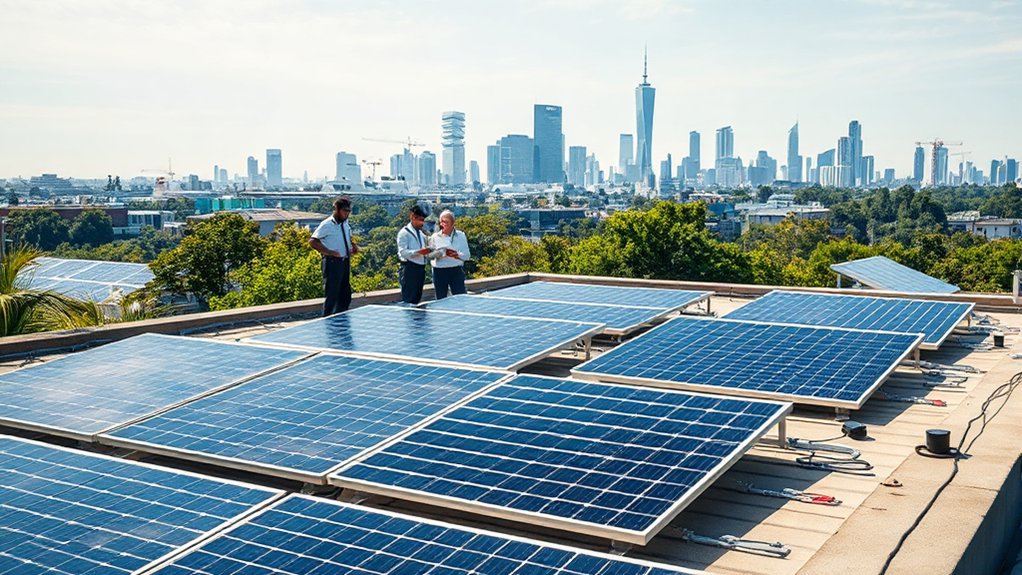
When you’re picking a solar panel company, focus on panel efficiency, output, and how well their products hold up over time. Check the warranty, the quality of installation, and whether the system fits your current setup.
You’ll also want panels that can withstand your local weather conditions. It’s important to think about these factors to make sure you get the best value and performance out of your solar investment.
Panel Efficiency and Output
Panel efficiency and output play a pivotal role in determining the overall performance of your solar power system. When you’re comparing companies, look for panels with high efficiency—top models now convert 25% or more of sunlight into usable electricity.
Pay close attention to power output ratings, which typically range from 100 to over 1,000 watts. Higher output boosts your system’s total energy generation, so it really makes a difference.
Advanced features like multi-busbar designs help maximize efficiency and reduce microcrack risks. These small details can have a big impact on how well your panels perform over time.
Don’t overlook the temperature coefficient; panels with lower coefficients maintain performance even in hotter climates. So, if you live somewhere warm, this is definitely something to consider.
Finally, check the degradation rates—high-quality panels lose less than 1% efficiency in the first year and no more than 0.4% annually. This means you can count on consistent output for decades.
Warranty and Longevity
While choosing a solar panel company, it’s essential to weigh both warranty coverage and the longevity of the panels themselves. You’ll find that warranty periods can vary greatly, with leading manufacturers providing coverage from 10 to 25 years.
Look for warranties that include both materials and workmanship, along with performance guarantees that promise at least 80% output after 25 years. This protects your investment and guarantees ongoing efficiency.
Pay close attention to panel technology—N-Type cells tend to last longer than P-Type, and advanced designs with multiple busbars reduce the risk of hot spots and micro-cracks. These details really make a difference.
Degradation rates matter, too: panels typically lose ≤1% in the first year and ≤0.4% annually. Robust designs and strong warranties are a good sign of long-term reliability.
Installation Process Quality
Even with robust warranties and long-lasting panels, your solar investment depends heavily on how well the system is installed. When evaluating solar companies, pay close attention to their installation process.
A quality provider will start with a thorough site assessment, determining the best panel placement for maximum sunlight and efficiency. Secure mounting and precise alignment are essential to prevent weather damage and maximize energy production.
Make sure to insist on certified installers who guarantee proper wiring and electrical connections. Improper work here can cause energy losses or safety risks.
High-quality mounting hardware matters too, especially if you live in areas with strong winds or heavy snow. Finally, reputable companies conduct post-installation inspections and offer maintenance plans.
These plans help you catch issues early and protect your long-term energy savings. It’s worth choosing a company that stands by their work from start to finish.
Compatibility With Systems
As you compare solar companies, it’s essential to look beyond just panel quality and examine how well their systems integrate with your existing energy setup. Make certain the solar panels you choose are compatible with both 12V and 24V battery systems. This flexibility lets you maximize efficiency, no matter your current or future configuration.
Check if the panels support various battery types like Lithium, AGM, or deep-cycle batteries. This versatility can simplify upgrades and replacements down the line.
Pay close attention to the voltage output. A 24V system often reduces current loss, which is especially useful in cloudy conditions.
Also, assess the panel design for compatibility with different mounting options—rooftop, ground, or portable setups. Finally, look for panels optimized for partial shading to guarantee consistent energy generation.
Weather Resistance Features
Because solar panels spend their entire lives exposed to the elements, you need to pay close attention to their weather resistance features when choosing a company. Look for solar panels with high IP ratings, such as IP65 or IP68, to verify they’re protected against dust and water ingress, even in harsh climates.
It’s also smart to choose panels engineered to handle high wind loads—typically up to 2400Pa—and heavy snow loads around 5400Pa for maximum durability. Advanced encapsulation materials add another layer of protection, shielding your system from moisture damage over time.
Additionally, corrosion-resistant frames are essential if you live in wet or coastal areas. Finally, pick panels with robust junction boxes, like IP67, to assure reliable performance through rain and snowfall.
Innovation and Technology
While strong weather resistance keeps your solar panels operating reliably, it’s the underlying innovation and technology that truly set the best companies apart. When evaluating options, look for companies offering advanced cell technologies, like 16BB configurations, which boost panel efficiency to as much as 25%.
N-Type solar cells stand out for their high-temperature performance and resilience against microcracks, ensuring your investment lasts longer. Anti-shading features are essential if you’re dealing with partial shading from trees or buildings. These systems maximize energy production even in less-than-ideal conditions.
Bifacial panels generate power from both sides, which can increase your total energy output by up to 25%, especially in reflective settings. Plus, durable, weatherproof designs—like those with IP68 ratings—further guarantee consistent, long-term performance.
Financial Incentives Availability
When you’re comparing solar panel companies, don’t overlook the impact of financial incentives on your investment. Many governments offer benefits like tax credits, rebates, and grants that can dramatically lower your installation costs.
In the U.S., you can deduct up to 30% of your solar panel expenses from your federal taxes, thanks to the federal solar tax credit. Some states add extra perks, such as performance-based incentives that pay you for the actual energy your system generates.
Utility companies might provide rebates or net metering, letting you sell excess power back to the grid for additional savings. Since incentives vary widely based on your location and change frequently, always research the latest programs before deciding.
Smart research can help you maximize your financial returns. So, it pays off to stay informed and shop around!
Frequently Asked Questions
What Is the Average Lifespan of a Solar Panel System?
You can expect a solar panel system to last about 25 to 30 years on average. After that, you’ll still get electricity, but the efficiency drops a bit.
Regular maintenance and cleaning really help you get the most out of your system. It keeps things running smoothly and maximizes your solar panels’ lifespan and performance.
How Long Does Solar Panel Installation Typically Take?
You might schedule your installation on a Monday, and by Wednesday, you’re already watching your new panels collect sunlight.
Typically, solar panel installation takes one to three days, depending on your system size and roof complexity. It’s usually quicker than you might expect!
Are There Government Incentives for Installing Solar Panels in 2027?
Yes, you’ll likely find government incentives for installing solar panels in 2027. These may include tax credits, rebates, or grants.
They help reduce your upfront costs and make switching to solar energy much more affordable. It’s definitely worth checking out what’s available in your area!
Can Solar Panels Increase My Home’s Resale Value?
Absolutely, solar panels can boost your home’s resale value—think of them as planting a money tree on your roof. Buyers love energy efficiency, and lower utility bills make your property stand out in the market.
It’s like giving your home an upgrade that pays off in more ways than one. Plus, who doesn’t want to save money while helping the environment?
How Do I Maintain and Clean My Solar Panels?
You should clean your solar panels with a soft brush and water every few months, especially if you notice dirt buildup. It helps keep them working efficiently.
Check for debris and damage regularly. Catching problems early can save you a lot of trouble later.
Don’t use harsh chemicals, as they can damage the panels. And always follow your manufacturer’s maintenance guidelines to be safe.
Conclusion
Choosing the right solar panel company might seem overwhelming, but you don’t have to be an expert to make a smart choice. If you’re worried these advanced panels are too expensive, remember that their high efficiency means you’ll save more on energy bills in the long run.
With top options like Renogy and JJN, you’re investing in quality, reliability, and real savings. These companies offer some of the best solar panels in 2027, designed to maximize your energy output and minimize costs.
Going solar now is a smart move. Not only will you reduce your carbon footprint, but you’ll also enjoy lower utility bills for years to come. Choosing the best solar panel company ensures you get durable, high-performance panels that pay off over time. So, make the switch to solar with confidence and start reaping the benefits of clean, renewable energy today!