11 Best 10 Gauge Solar Panel Wires for 2027: Power Your Setup
Not all solar panel wires are created equal; discover the best 10 gauge options for 2027 that promise durability and efficiency. Your perfect setup awaits!


Not all solar panel wires are created equal; discover the best 10 gauge options for 2027 that promise durability and efficiency. Your perfect setup awaits!

Wondering which 10-gauge solar cables will elevate your projects in 2027? Discover the top options that promise unmatched performance and reliability.
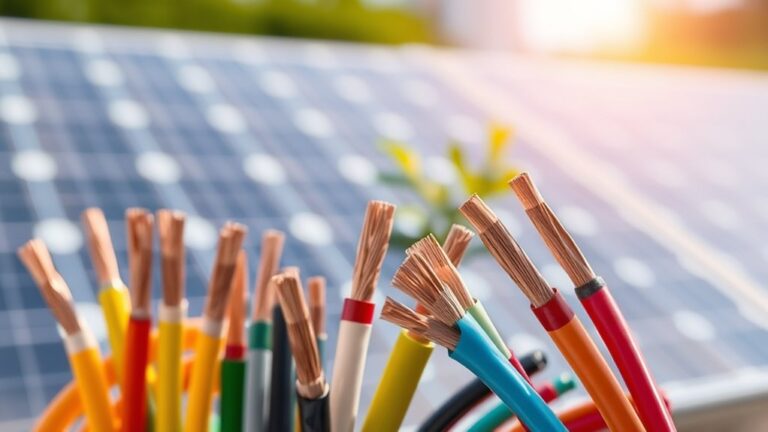
Looking for the best 10 AWG wire for solar panels in 2027? Discover top choices that could transform your energy setup!

Looking for the best 10 AWG solar panel wires for 2027? Discover options that enhance efficiency and power flow—your solar system deserves the best.
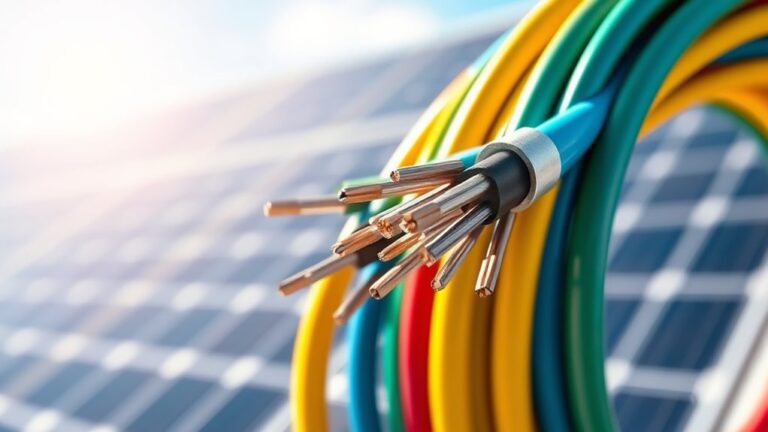
Imagine boosting your solar setup’s efficiency with the best 10 AWG cables of 2027—discover our top picks to elevate your installation!

Check out the top 12 best 10 amp solar charge controllers for 2027 and discover features that could revolutionize your solar setup!
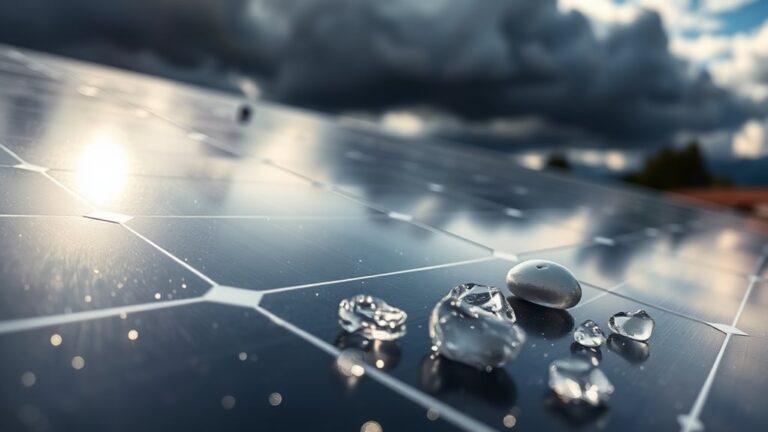
You shouldn’t expect solar panels to be completely hail proof, but they’re built tough with tempered glass and tested to handle most hail impacts. They usually resist hail up to 1 inch in diameter, protecting your investment during typical storms.
That said, larger hail or extreme impacts might cause damage. Panels often outlast roof shingles in hail but still need care and occasional checks.
If you want to know how to boost their durability and spot damage early, keep exploring. It’s worth staying on top of it to keep your panels in great shape!
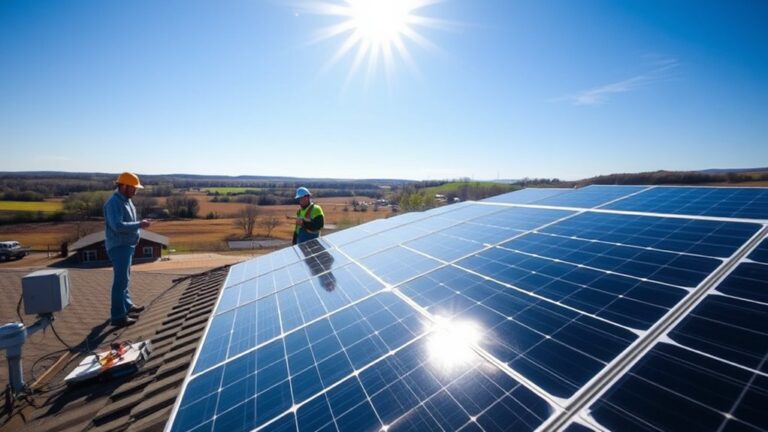
When you’re figuring out how much solar panels cost in Missouri, three key factors stand out: system size, panel type, and local incentives. Larger systems cost more upfront but often save you money long-term.
Choosing efficient panels like monocrystalline impacts price and performance. Plus, Missouri’s tax exemptions and utility rebates can lower your net costs considerably.
Installation challenges and weather conditions also play a role. Keep exploring to uncover details that will help you budget wisely.
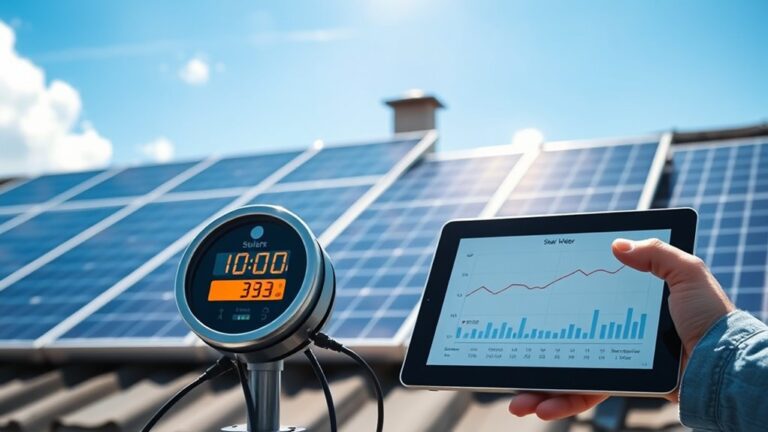
To figure out how many watts you need to run your house on solar, start by calculating your daily electricity use from your utility bills and appliance wattages. Then divide that by your location’s average peak sun hours to find the system size, adding about 20% for efficiency losses.
Choose panels that match this wattage and consider battery backup if you want extra reliability. Keep exploring to uncover key tips for choosing and maintaining your ideal solar setup.

You can expect a solar panel to produce between 100 and 400 watts, depending on the type you choose. Monocrystalline panels offer the highest wattage and efficiency, while polycrystalline and thin-film panels provide lower outputs but at different price points.
Your panel’s actual power also depends on factors like sunlight intensity, temperature, shading, and design features. These things can really change how much energy you get from your system.
If you want to understand how these elements influence energy production and pick the best system for your needs, there’s more to explore. It’s worth digging deeper to make the best choice for your setup.