Author: Admin

  • 10 Best Times to Install Solar Panels for Maximum Savings

    You’ll save the most by installing solar panels during spring, summer, or early fall when sunlight is strongest, and installers are readily available.

    Off-peak seasons like fall and winter often bring lower labor costs and discounts without sacrificing quality. So, you can still get a great deal even when the days are shorter.

    Timing your install before year-end helps you claim full tax credits, while early installation locks in lower utility rates and avoids hikes.

    Planning around construction phases and rebate deadlines also boosts savings. Keep exploring for tips to optimize your solar investment.
  • 5 Steps to Connect a Solar Water Heater to Your Pool

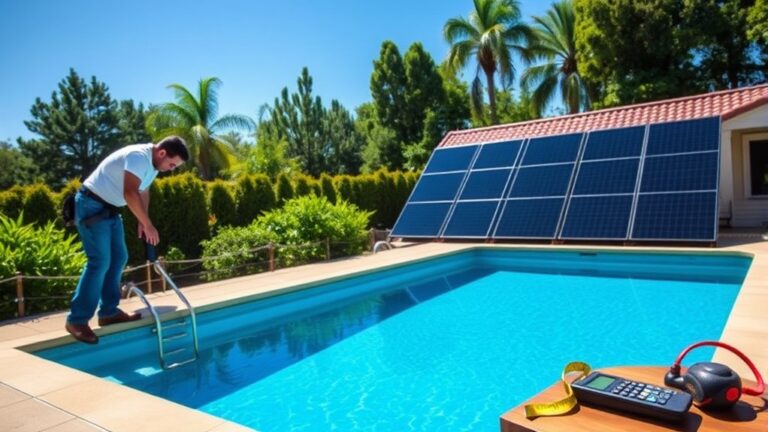
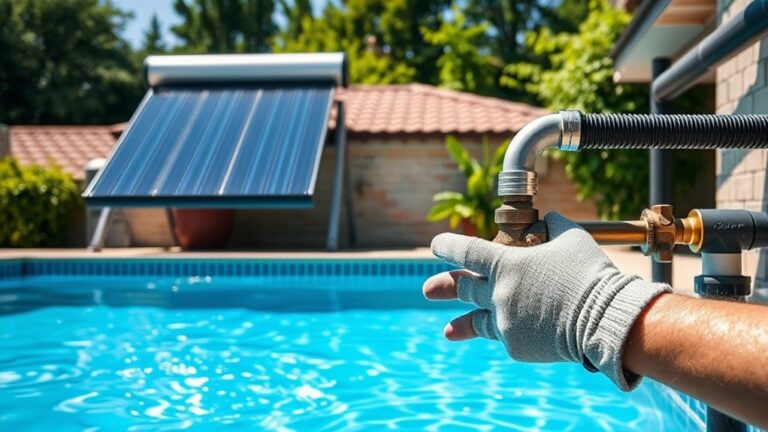
    To connect a solar water heater to your pool, first choose a system sized for your pool’s volume and climate. Next, plan plumbing routes with minimal bends and position panels in sun-rich, south-facing areas.

    Then, securely mount the panels and connect them to your pool pump using insulated, UV-resistant pipes. Be sure to install control valves as needed to keep everything running smoothly.

    Finally, set up a solar controller with a temperature sensor. Test the system for leaks and flow, and don’t forget to maintain it regularly.

    Keep going to explore each step in detail!

  • Do Solar Panels Need Direct Sunlight to Maximize Efficiency?

    You don’t need direct sunlight for your solar panels to produce energy, but they do work best when sunlight hits them head-on. Direct exposure lets your panels convert maximum solar energy efficiently, especially from 10 a.m. to 4 p.m.

    On cloudy days, they still generate power, around 10-25% of full capacity, depending on panel type and placement. So, even when it’s not perfect outside, your panels are still working for you.

    If you want to understand how to get the most from your system in less-than-ideal conditions, keep exploring. There’s plenty you can do to boost efficiency!

  • 10 Tips to Calculate How Many 4×8 Solar Pool Heaters for a 14000-Gallon Pool

    To size your 14,000-gallon pool’s solar heaters, first measure its surface area and volume accurately. Factor in your climate and daily sunlight to estimate heat loss, mainly from evaporation.

    Decide how much you want to raise the temperature—each 4×8 panel offers about 20,000 BTUs daily, so calculate how many match your needs. Adjust for seasonal changes and pool usage frequency.

    Proper panel placement facing south with minimal shading boosts efficiency. Keep going to uncover more on optimizing your solar setup.

  • How Do Solar Umbrellas Charge on Cloudy Days?

    You can keep your devices charged under a solar umbrella even on cloudy days because its panels capture scattered, diffused sunlight rather than relying solely on direct rays. Although charging slows when clouds block the sun, the umbrella’s larger solar surface and efficient panel types help sustain steady energy collection.

    Plus, built-in storage ensures power is ready when you need it. Keep reading to discover how weather, design, and a few handy tips can boost your umbrella’s performance in low-light conditions.

  • 7 Reasons Solar Panels Are Worth It in Texas

    You’ll find solar panels worth it in Texas because they harness abundant sunlight to cut your electric bills and protect you from rising rates. They boost your home’s value and attract energy-conscious buyers.

    Federal and local incentives make going solar affordable, while Texas-tough panels ensure durability. Plus, you’re helping the environment by reducing emissions and conserving water.

    When you explore further, you’ll discover how to select the perfect system and maximize your investment.

  • 5 Key Ways You Save Much With Solar Panels

    You save a lot with solar panels by cutting your electric bills since you generate your own power and use it during peak sunlight.

    You can tap federal tax credits, state rebates, and net metering to make installation affordable.

    Solar panels also boost your home’s value and help it sell faster. Plus, with low maintenance needs and protection from rising energy prices, you gain stability and long-term savings.

    Keep exploring to uncover more benefits and practical tips.