How Many Watts Can a Solar Panel Produce?
You can expect a solar panel to produce between 100 and 400 watts, depending on the type you choose. This range covers most residential and commercial panels available today. Monocrystalline panels offer the highest wattage and efficiency, making them a popular choice for maximizing energy output.
Polycrystalline and thin-film panels provide lower outputs but come at different price points, which might suit various budgets. Your panel’s actual power also depends on factors like sunlight intensity, temperature, shading, and design features.
These elements can significantly impact how much energy your solar system produces daily. If you want to understand how these factors influence energy production and pick the best system for your needs, there’s more to explore.
Getting the right panel means balancing cost, efficiency, and environmental conditions to get the most watts out of your investment.
Key Takeaways
- Monocrystalline panels typically produce 250 to 400 watts per panel, offering the highest efficiency among common types. They’re a popular choice if you want the most power from a smaller space.
- Polycrystalline panels generate between 200 and 350 watts per panel but are less efficient than monocrystalline. They can be a bit more affordable, though, which makes them a good option for some budgets.
- Thin-film panels produce 100 to 200 watts per panel and have lower efficiency and power output. They’re usually lighter and more flexible, but don’t pack as much punch.
- Actual wattage depends on factors like sunlight intensity, temperature, shading, and panel quality. So, what you get in real life might be different from the rated numbers.
- Also, system losses and efficiency adjustments typically reduce real-world output by 10–15% from the panel’s rated wattage. It’s good to keep that in mind when planning your solar setup.
Typical Solar Panel Wattage Ranges by Type
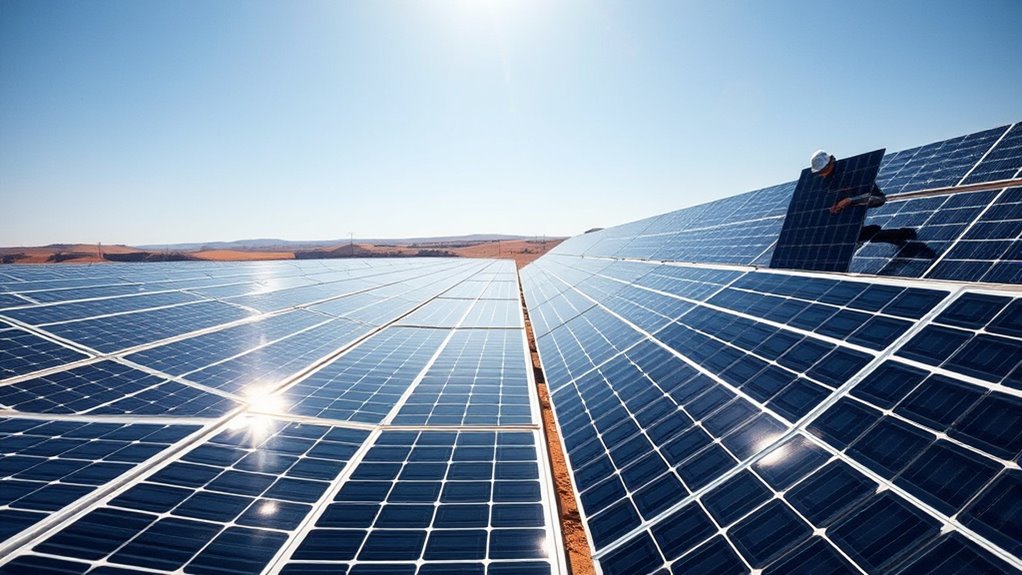
Although solar panels come in various types, each type typically produces a specific range of wattage. When you choose monocrystalline panels, expect outputs between 250 and 400 watts per panel. These panels are known for their efficiency and sleek design, making them popular for residential use.
Polycrystalline panels usually generate slightly less power, ranging from 200 to 350 watts. They’re more affordable but a bit less efficient. So, if you’re watching your budget, these might be a good option.
Thin-film panels, on the other hand, often produce between 100 and 200 watts. They’re lightweight and flexible but require more surface area to match the power of crystalline panels. Knowing these ranges helps you pick the right panel type based on your energy needs and available space.
What Affects a Solar Panel’s Wattage?
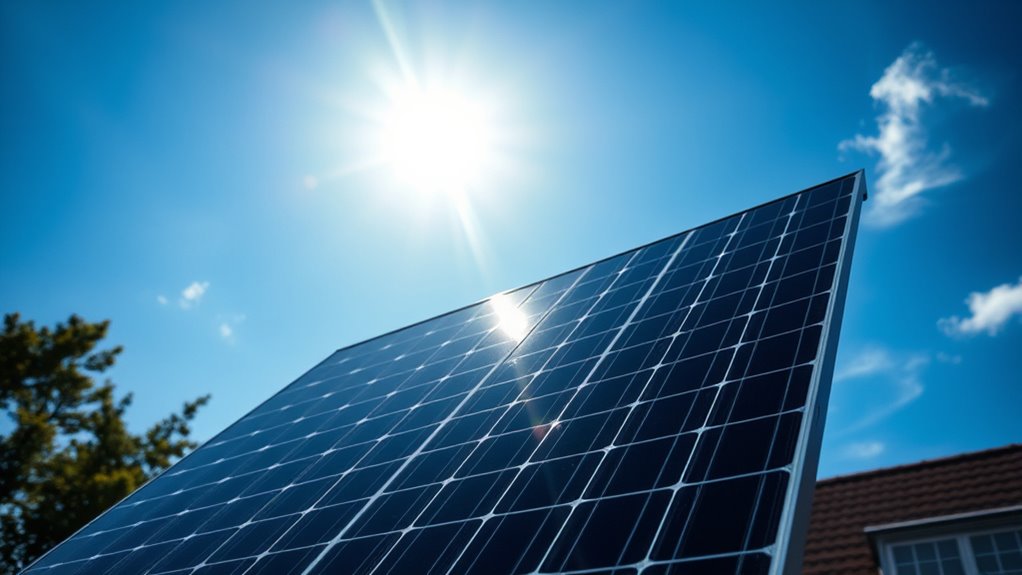
You’ll notice that a solar panel’s wattage depends largely on its efficiency and the conditions it faces. Factors like the quality of materials and design affect how well it converts sunlight into power.
Plus, environmental elements such as shading, temperature, and location play a big role in its actual output. So, it’s not just about the panel itself but also where and how it’s used.
Panel Efficiency Factors
When you’re choosing a solar panel, understanding what affects its wattage can help you make smarter decisions. One key factor is the panel’s efficiency, which measures how well it converts sunlight into electricity.
Higher efficiency means more watts from the same size panel. Efficiency depends on the materials used, such as monocrystalline panels, which typically offer better performance than polycrystalline or thin-film types.
The quality of manufacturing also influences efficiency—better cells and advanced technology reduce energy loss. Additionally, the panel’s design, including anti-reflective coatings and wiring, affects how much sunlight it captures and converts.
Environmental Impact on Output
How does the environment around your solar panel affect its wattage? Several factors come into play.
Temperature is key—high heat can reduce your panel’s efficiency, lowering its power output. Shade from trees, buildings, or debris blocks sunlight, directly cutting wattage.
Dirt, dust, or snow buildup on the panel surface also limits the sunlight it absorbs, so regular cleaning helps maintain output. The angle and direction of your panel relative to the sun impact how much sunlight it captures throughout the day.
Weather conditions like clouds or heavy rain reduce sunlight intensity, decreasing wattage temporarily. By understanding and managing these environmental factors, you can maximize the power your solar panel produces and get the most from your investment.
Calculating Energy Output From Solar Panel Wattage
Although a solar panel’s wattage rating gives you a basic idea of its power, calculating the actual energy output requires considering factors like sunlight hours, panel efficiency, and system losses.
To estimate the daily energy output, multiply the panel’s wattage by the average peak sunlight hours your location receives. Then, adjust this figure by the panel’s efficiency, usually between 15–20%, reflecting how well it converts sunlight into electricity.
Estimate daily energy by multiplying panel wattage by peak sunlight hours, then adjust for efficiency.
Don’t forget to factor in system losses from wiring, inverters, and shading, which can reduce output by about 10–15%. For example, a 300-watt panel receiving 5 peak sunlight hours daily, running at 18% efficiency with 12% system losses, would produce roughly 1.18 kilowatt-hours per day.
This calculation helps you predict your solar setup’s real-world energy generation. It’s a handy way to see what you can really expect from your panels!
How Weather and Location Impact Solar Panel Power
You’ll notice your solar panel’s power changes with sunlight intensity and seasonal weather shifts. Your location plays a big role, too—some areas get more sun, while others face frequent clouds or storms.
Understanding these factors helps you predict how much energy your panel can produce year-round. It’s pretty handy to know what to expect depending on where you live and the time of year.
Sunlight Intensity Variations
Because sunlight intensity fluctuates throughout the day and across seasons, the power your solar panel produces can vary markedly. When the sun is high and bright, your panel generates more electricity.
During early mornings or late afternoons, the angle of sunlight reduces intensity, limiting output. Cloud cover, haze, and atmospheric conditions also play a role, scattering or blocking sunlight, which directly diminishes the wattage your panel delivers.
Your location impacts sunlight intensity too—areas closer to the equator receive stronger, more consistent sunlight year-round compared to regions farther away. Even local surroundings, like tall buildings or trees, can cast shadows that reduce exposure.
Understanding these variations helps you set realistic expectations for your solar panel’s performance and optimize its placement for maximum energy production. It’s all about knowing when and where your panel will work best.
Seasonal Weather Effects
How does changing weather throughout the year affect your solar panel’s power output? Seasonal shifts can cause noticeable fluctuations in the energy your panels generate.
During sunny, dry months, your panels work at peak efficiency, soaking up more sunlight. But as clouds roll in or rain falls, sunlight becomes diffuse, reducing power output.
Colder temperatures often improve panel efficiency, so winter days with clear skies can still produce decent energy, despite shorter daylight hours. On the flip side, hot summer days may slightly reduce efficiency because of overheating.
Snow can block panels temporarily but also reflects sunlight, potentially boosting production once it’s cleared. Understanding these seasonal weather effects helps you set realistic expectations and plan energy use accordingly.
That way, you can make sure your solar system meets your needs all year round.
Geographic Location Influence
Several factors tied to your geographic location directly affect how much power your solar panels can produce. The amount of sunlight you get daily depends on where you live and the local climate.
For example, if you’re in a sunny desert, your panels will generate more power than if you’re in a cloudy, northern region. Weather patterns and latitude play vital roles.
Consider these location influences:
- Sun intensity: Closer to the equator means stronger, more consistent sunlight.
- Climate conditions: Frequent clouds or rain reduce solar panel efficiency.
- Altitude: Higher elevations often get clearer skies, boosting power output.
Understanding how your location impacts solar energy will help you set realistic expectations and optimize your system’s performance. It’s all about knowing what to expect and making the most of your setup!
How Does Solar Panel Output Change During the Day and Year?
As sunlight intensity shifts throughout the day and across seasons, your solar panel’s power output naturally fluctuates. In the morning and late afternoon, the sun’s angle is lower, so your panel produces less power than at midday when the sun is highest.
Solar panel output varies with sunlight intensity, peaking at midday when the sun is highest.
Cloud cover and weather conditions can also reduce output at any time.
Over the year, seasonal changes impact sunlight duration and angle. During summer, longer days and higher sun angles boost power generation. In winter, shorter days and lower sun angles limit output.
Additionally, temperature affects efficiency—solar panels perform better in cooler conditions, so very hot days might slightly reduce production.
Understanding these variations helps you anticipate daily and seasonal energy availability from your solar system.
Choosing Solar Panels Based on Your Power Needs
What factors should you consider when choosing solar panels to meet your power needs? First, assess your daily energy consumption to understand how much power you actually use.
Then, think about your space availability—do you have enough roof or ground area for the number of panels needed? Finally, consider your budget and the panel efficiency to balance cost and output.
Focus on these key points:
- Your lifestyle’s energy demands—power your home without compromise.
- Available installation space—maximize every inch for sustainable energy.
- Budget constraints—invest wisely for lasting savings and impact.
Frequently Asked Questions
How Long Do Solar Panels Typically Last?
You can expect solar panels to last about 25 to 30 years. They’ll gradually lose efficiency over time, but with proper care, they’ll keep producing clean energy for decades.
Most of the time, you won’t need major repairs or replacements. So, they’re a pretty reliable way to go green!
What Maintenance Do Solar Panels Require?
Your solar panels just need a gentle touch—regular cleaning to brush off dust and debris, plus annual inspections to catch any cracks or loose wires.
With simple care, they’ll keep soaking up the sun’s energy efficiently.
Can Solar Panels Work During a Power Outage?
You can’t rely on solar panels during a power outage unless you have a battery backup or an off-grid system. Without storage, the panels shut down for safety, so you won’t get electricity when the grid’s down.
It’s kind of annoying, right? But that’s just how they’re designed to prevent backfeeding electricity onto the grid, which could be dangerous for utility workers. So, if you want power during an outage, a battery setup or going completely off-grid is the way to go.
Are There Any Tax Incentives for Installing Solar Panels?
Like finding treasure in your backyard, you can tap into tax incentives when installing solar panels. You’ll often get federal credits, state rebates, and local perks that cut costs, making solar more affordable and rewarding.
These incentives really help lower the upfront expenses. Plus, they make going solar a smart financial move in the long run.
How Do Solar Panels Affect Home Resale Value?
You can boost your home’s resale value by installing solar panels, as many buyers appreciate energy savings and sustainability.
Panels often make your property more attractive, helping it sell faster and sometimes at a higher price.
It’s a win-win because not only do you save on energy bills, but future owners see the benefits too.
Conclusion
So, you want to know how many watts a solar panel can produce? It’s not a fixed number—kind of like how your phone battery life depends on what you’re doing. Weather, location, and time of day all play their part, so don’t expect your panel to be a constant powerhouse.
But hey, if you pick the right one for your needs, you’ll be soaking up the sun’s energy like a pro—no magic required! The wattage of a solar panel varies widely depending on its size and technology, typically ranging from 100 watts to over 400 watts per panel.
Keep in mind, factors like shading, temperature, and angle also affect the actual power output. So, when choosing a solar panel, consider these variables to maximize efficiency. In the end, understanding how many watts a solar panel can produce helps you make smart decisions for your solar energy setup and get the most out of your investment.