Blog

  • How to Safely Cut Your Solar Panel in Half

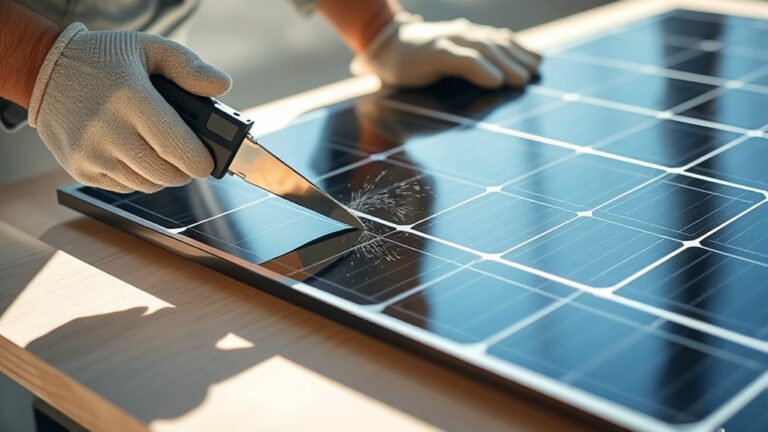
    To safely cut your solar panel in half, first disconnect it and wear safety gear like goggles and gloves. Prepare a clean, well-lit workspace and mark your cut line on the back.

    Use a fine-toothed saw or glass cutter to carefully cut along the line. Protect fragile cells and wiring with tape and handle everything gently.

    After cutting, seal the edges with UV-resistant silicone and test the connections before use. Following these steps will help keep your panel functional and efficient.

    And there’s more to learn about protecting and reconnecting your panel after cutting. Just take it step by step, and you’ll be good to go!
  • What Can Solar Panels Power in a House?

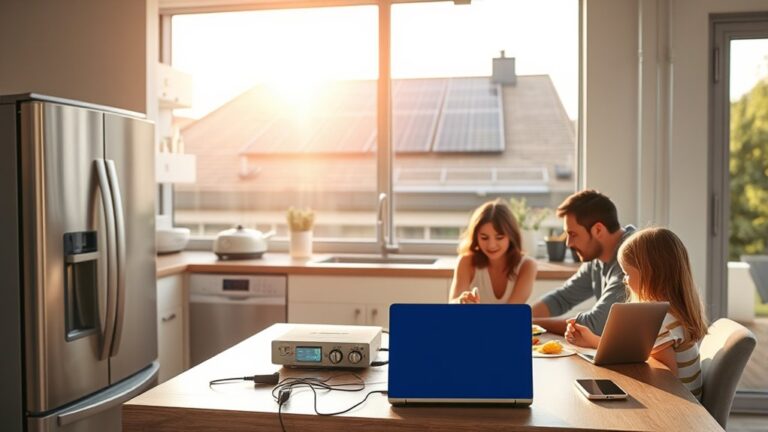
    You can power most household essentials with solar panels, including lights, TVs, refrigerators, and computers. Smaller devices like phones, fans, and smart home gadgets run well during sunny hours, thanks to inverters converting energy for your use.

    Energy-efficient appliances maximize benefits, while battery storage can help run heating or cooling systems. Depending on your system size and location, you might even power your entire home.

    Keep exploring to see how solar can fit your lifestyle and needs. It’s pretty amazing what you can do with the right setup!

  • Can Solar Panels Catch Fire and How to Prevent It

    Yes, your solar panels can catch fire, but it’s pretty rare when they’re installed and maintained properly. Usually, problems come from faulty wiring, damaged panels, or poor ventilation. These issues can cause overheating or sparks.

    You can prevent fires by using certified installers and inspecting connections regularly. It’s also important to keep debris clear and make sure your panels are cleaned properly.

    Keep an eye out for warning signs like burning smells or discoloration. Watching for these can help you catch problems early. Keep following along to understand exactly what to watch for and how to keep your system safe.

  • 7 Reasons My Solar Panels Are Worth It in Washington State

    You’ll save up to 75% on energy bills by generating your own power, even on Washington’s cloudy days. That’s thanks to advancements that capture diffused sunlight.

    Solar incentives and tax credits make installation affordable, and your home’s value goes up with the addition.

    You’ll reduce reliance on the grid and support green energy, which helps cut your carbon footprint. Solar panels offer energy independence and long-term savings.

    Explore how these benefits make solar a smart choice for you.

  • Are Solar Panels Worth It in Missouri?

    Solar panels are worth it in Missouri because you’ll save on energy bills by generating your own electricity, especially with 4 to 5 peak sun hours daily. You can take advantage of federal and state tax credits, rebates, and net metering to lower costs further.

    Sure, seasonal weather and storms might affect performance a bit, but modern technology and local policies really help keep things efficient.

    If you want to understand all the benefits and challenges, there’s definitely more to explore. It’s worth digging into the details before making a decision!

  • Why Do Solar Lights Fog Up Inside?

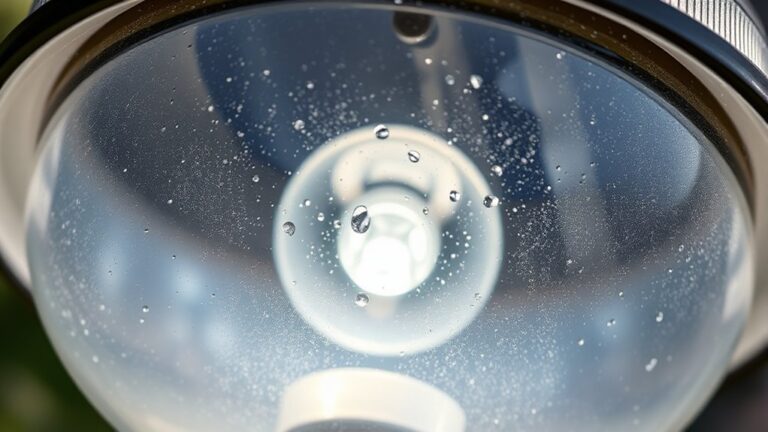
    Solar lights fog up inside because moisture sneaks in through tiny gaps or imperfect seals. Changes in temperature cause this trapped moisture to condense, especially in humid or rainy conditions.

    If the design lacks proper ventilation or uses non-breathable materials, the moisture can’t escape, making fogging worse. Sealing cracks and improving airflow can help prevent this issue.

    Keep exploring to discover easy fixes and how weather affects your solar lights’ performance.

  • When Does the Tax Credit for Solar Expire?

    You can claim the federal solar tax credit at 30% of your installation costs through the end of 2032. Starting in 2033, the credit drops to 26%, then 22% in 2034. It expires after that unless Congress renews it.

    Acting now helps you lock in savings and avoid higher costs later. If you want to learn how this impacts your solar project and tax filing, there’s more useful information ahead.

  • 5 Reasons I Should Lock My Solar Panels in California

    You should lock your solar panels in California to protect them from theft and vandalism. It creates a tough barrier that stops quick removal.

    Locking also keeps panels secure during storms, preventing wind or water damage. Plus, it lowers your liability risk by avoiding falling debris or loose wiring hazards.

    Having locks can simplify insurance claims and might even reduce your costs. Keep exploring to understand how easy locking options make all this possible.

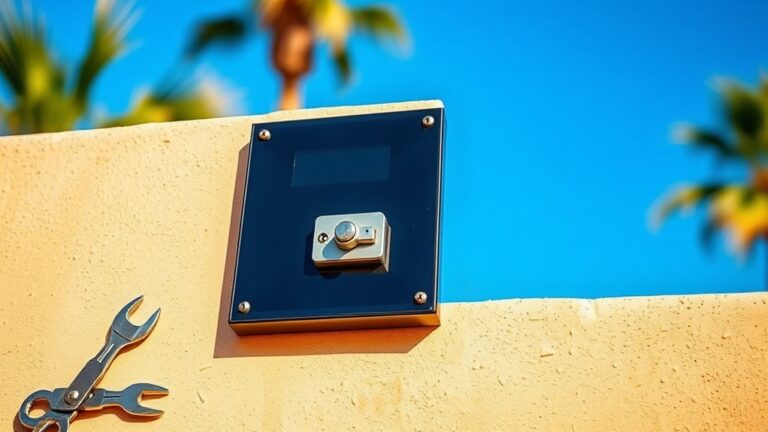
  • 10 Reasons I Should Lock My Solar Control Panel in California

    You should lock your solar control panel in California to prevent theft, tampering, and accidental damage that can disrupt your system and void warranties. Locking stops unauthorized access, keeping your energy monitoring accurate and your equipment safe from electrical hazards.

    It also helps you meet safety codes and avoid costly repairs caused by vandalism or environmental harm. Securing your panel protects your investment and boosts home security.

    Discover how locking your panel benefits your solar system long-term. It’s a simple step that can save you a lot of trouble down the road.

  • 5 Tips to Determine If My Roof Is Good for Solar

    To know if your roof is good for solar, first check its age and condition—older or damaged roofs might need repairs. Measure your roof’s usable space, avoiding shaded or obstructed areas.

    Make sure your roof faces south or has a favorable tilt for sunlight. Spot any shade from trees or chimneys, as it cuts efficiency.

    Finally, confirm your roof’s materials work well with panels. Keep exploring these factors to guarantee a smooth solar setup and lasting energy savings.