Blog

  • How Much Sunlight Does an Outdoor Solar Security Camera Need?

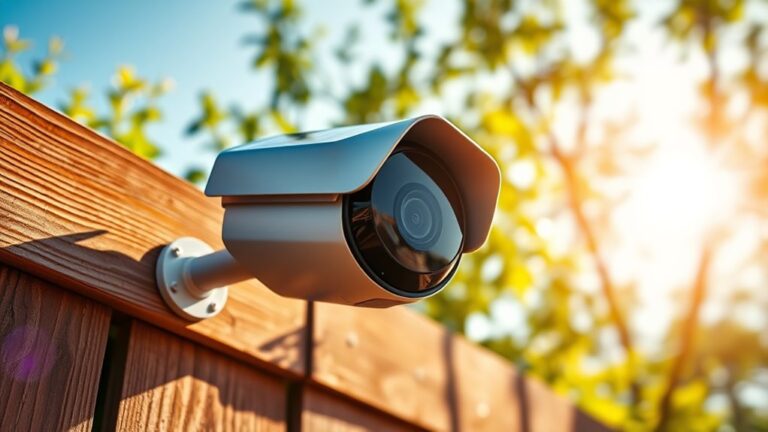
    You’ll need to provide your outdoor solar security camera with at least 4 to 6 hours of direct sunlight daily to keep it charged and working reliably. Make sure it’s placed where the sun hits it during peak hours, avoiding shade from trees or buildings.

    Keep the panels clean and angled correctly to maximize energy. Weather and seasons can affect how much power it collects.

    If you want to optimize its performance, there are simple steps you can take. It’s not too complicated once you know what to do!
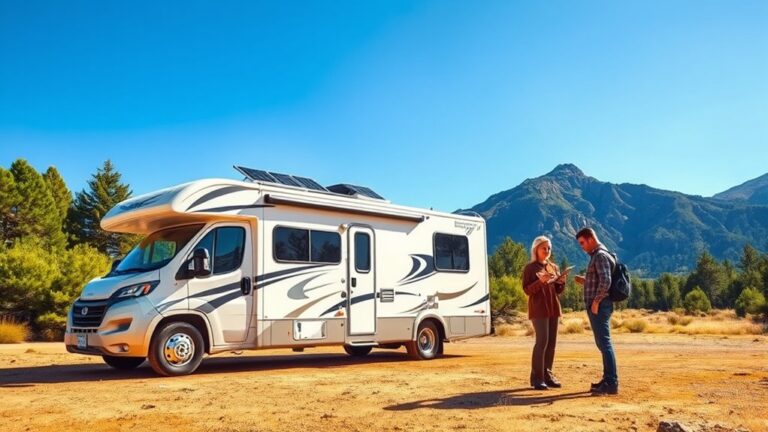
  • How Much Solar Do I Need for My RV?

    To figure out how much solar you need for your RV, start by listing all devices and their daily watt-hour use. Then, consider your average sunlight hours—fewer means you’ll need bigger panels.

    Choose a battery bank big enough to store your energy, factoring in discharge limits and efficiency. Match your solar panels to recharge your battery within 4-6 hours of sunlight.

    This balance keeps you powered and confident on the road. Keep going, and you’ll uncover tips for sizing and upgrading your system.

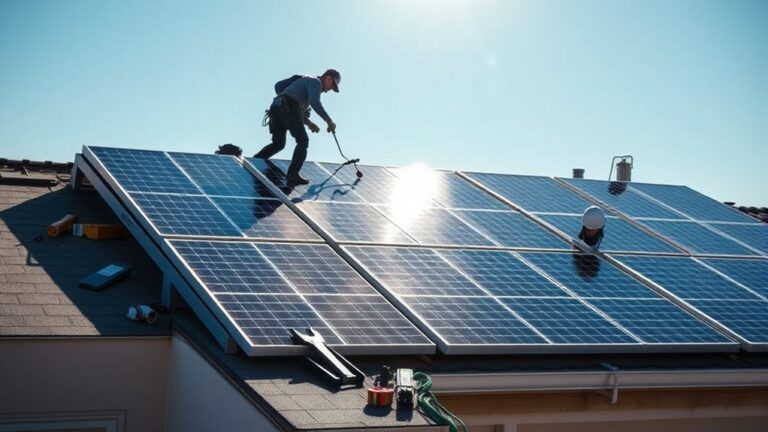
  • How Long Does It Take to Install Solar Panels Step by Step

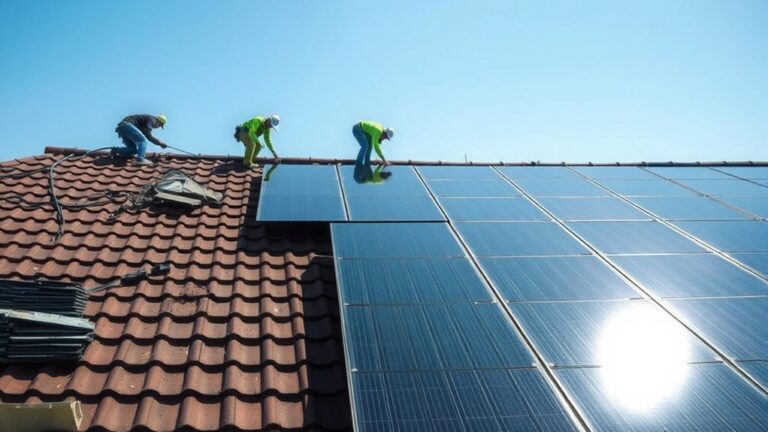
    You’ll spend about 1 to 2 hours on a site assessment to check your roof and energy needs. Then, getting permits and approvals can take anywhere from a few days to several weeks, depending on your area.

    Once approved, installation usually takes 1 to 3 days: mounting hardware, placing panels, wiring, and final testing. Weather or paperwork might cause delays.

    After installation, an inspection happens within 1-2 weeks before activation. Keep going if you want the full step-by-step process.

  • How Long Does It Take to Install Commercial Solar Panels?

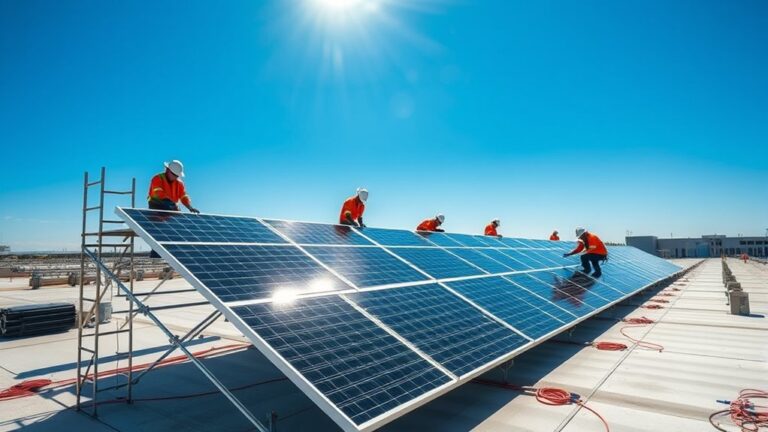
    Installing commercial solar panels usually takes a few weeks to several months. It all depends on your project size, site readiness, and permit approvals.

    You’ll spend about one to two weeks on site assessment and design. Then, several days for mounting and electrical work. After that, there’s additional time for inspections and commissioning.

    Delays often come from paperwork or scheduling inspections. If you want to understand how each step affects your timeline and how to keep things moving smoothly, there’s more to explore ahead.

  • How Do You Store Solar Energy Step by Step

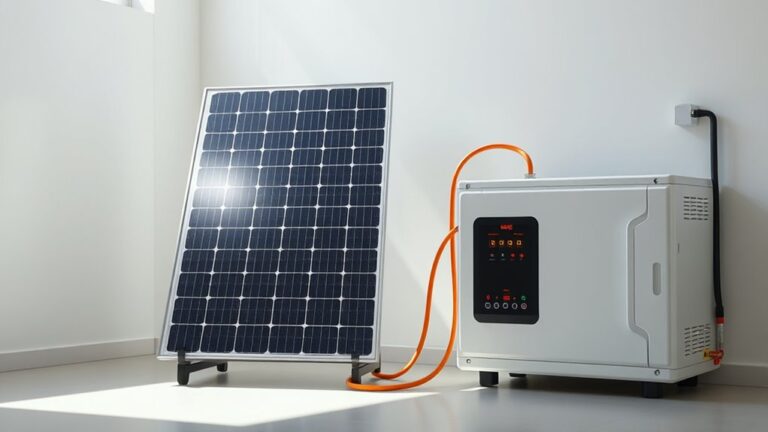
    You store solar energy by capturing sunlight with panels that convert it into electricity. This electricity flows through a charge controller to protect your battery from overcharging.

    The energy then gets stored in your chosen battery type until you need it. When it’s time to use the energy, an inverter converts the stored DC power into AC for your home or devices.

    Keeping track of your system helps you use energy efficiently. There’s more to optimizing and maintaining your setup ahead.

  • How Do You Replace Your Roof With Solar Panels in 3 Steps?

    To replace your roof with solar panels in three steps, first assess your roof’s age, condition, and material. This helps guarantee it’s ready and sturdy enough for installation.

    Next, choose high-quality, efficient solar panels that fit your space and style. It’s important to pick panels that work well for your needs and look good on your home.

    Finally, hire licensed professionals to install the system securely. They’ll connect it safely and activate it with your utility.

    Keep exploring to understand each step in detail for a smooth, long-lasting solar upgrade. You’ll want to make sure everything goes just right!

  • How Does Solar Energy Work at Night?

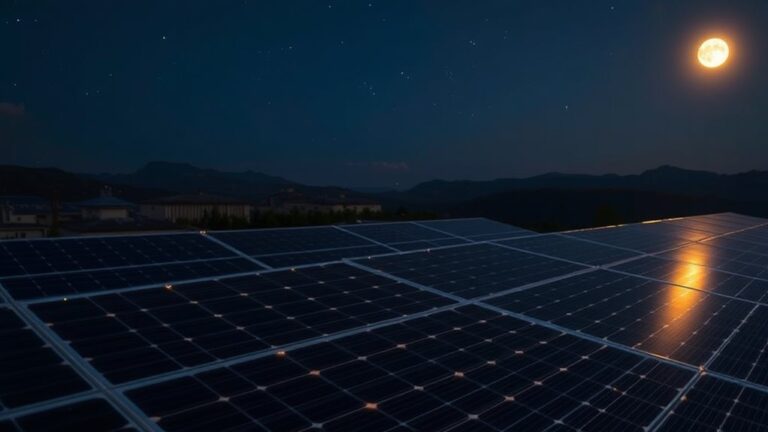
    You can use solar energy at night by tapping into power stored during the day. Solar panels capture sunlight and turn it into electricity when it’s sunny, but they don’t work without light.

    To keep your home powered after dark, battery systems or thermal storage save excess energy from the sun. These solutions release stored power when you need it, ensuring steady electricity even without sunlight.

    If you want to understand how this works and other ways to maximize solar power anytime, keep exploring. It’s pretty cool how technology helps us use the sun’s energy around the clock!

  • Do You Still Have an Electric Bill With Solar Panels?

    You’ll likely still have an electric bill with solar panels because they only produce power during sunlight hours. They can’t cover all your energy use, especially at night or on cloudy days.

    Plus, fixed fees from your utility usually remain. But if your system is sized well and you use net metering credits effectively, you could reduce or even eliminate costs.

    To understand why bills persist and how to maximize your savings, keep exploring these essential factors.

  • How Do Solar Panels Work in Shade?

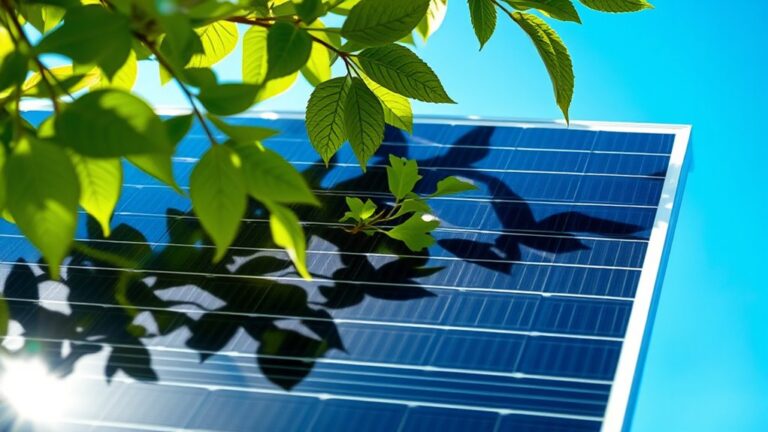
    When your solar panels get shaded, they produce less power because shaded cells block sunlight, reducing output considerably. Since panels are wired in series, even small shadows can affect the whole system.

    Luckily, bypass diodes let current flow around shaded parts, preventing major losses and hot spots. While partial shade usually won’t damage panels, persistent shading can stress them over time.

    If you want to explore how to minimize shade’s impact, keep going. There are ways to make sure your panels keep working efficiently even with some shade.

  • How Do Solar Panels Work in Snow?

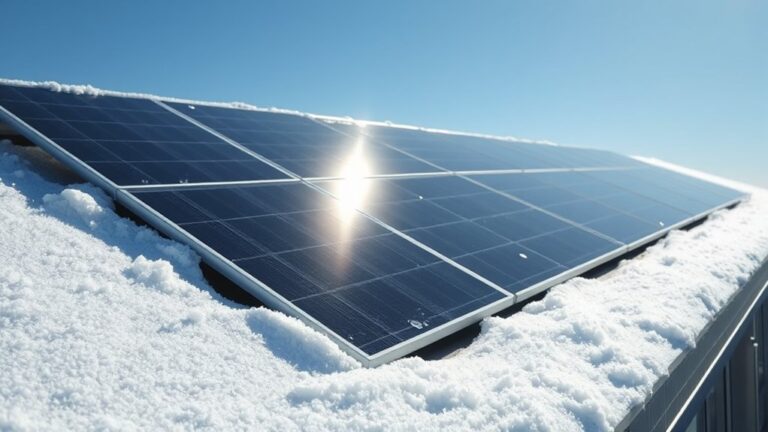
    You can depend on your solar panels to generate power even when snow is present. Snow may temporarily reduce output by covering the panels, but partial exposure and reflected light still allow energy production.

    The panels’ angled design helps snow slide off naturally, while heat absorption speeds melting. Proper maintenance and safe snow removal guarantee they stay efficient and undamaged.

    Keep exploring to discover tips on maximizing your solar power during snowy weather. It’s easier than you might think to keep your system working great all winter long!