Day: September 13, 2026

  • How to Start a Solar Farm in 3 Simple Steps

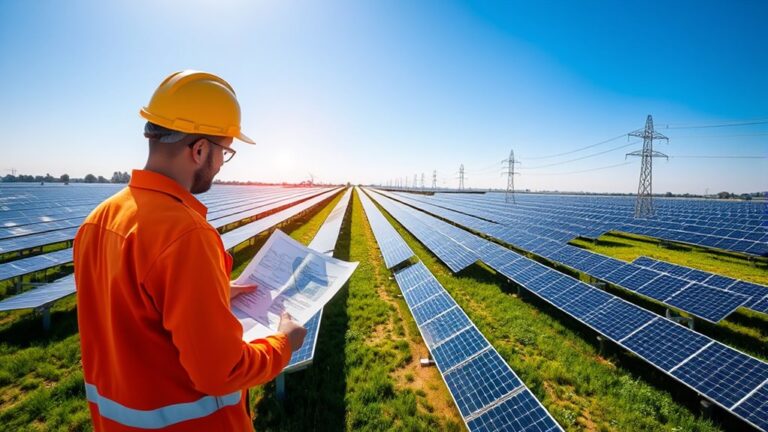
    To start a solar farm, first secure suitable land with good sunlight and flat terrain. You’ll also need to get the required permits from local authorities.

    Next, choose efficient solar panels that fit your budget and energy goals. Then, hire professionals to install them properly to maximize sunlight capture.

    Finally, maintain your system by cleaning panels, checking connections, and monitoring performance. This will help guarantee long-term efficiency.

    Keep exploring these basics, and you’ll get a better understanding of how to optimize your solar project’s success even further.
  • How to Hook Up Solar Panel to Battery in 5 Easy Steps

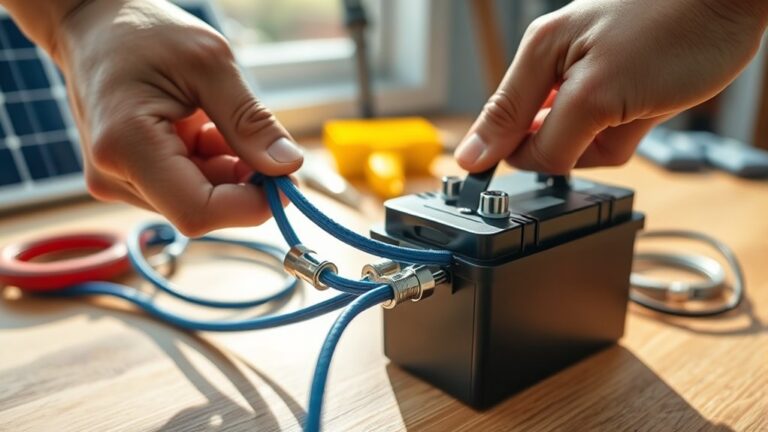
    To hook up a solar panel to a battery in five easy steps, start by gathering all necessary tools like insulated wires, connectors, and a multimeter.

    Connect your solar panel’s positive and negative wires to the charge controller. Then, wire the controller to the battery terminals, making sure all connections are tight and clean.

    Test the system by checking voltage and charge indicators during sunlight. This way, you’ll know everything is working properly.

    Finally, keep up with regular cleaning and inspections to maintain peak performance.

    Stick around for more tips and troubleshooting advice!

  • How to Get Out of a Solar Panel Contract in 10 Steps

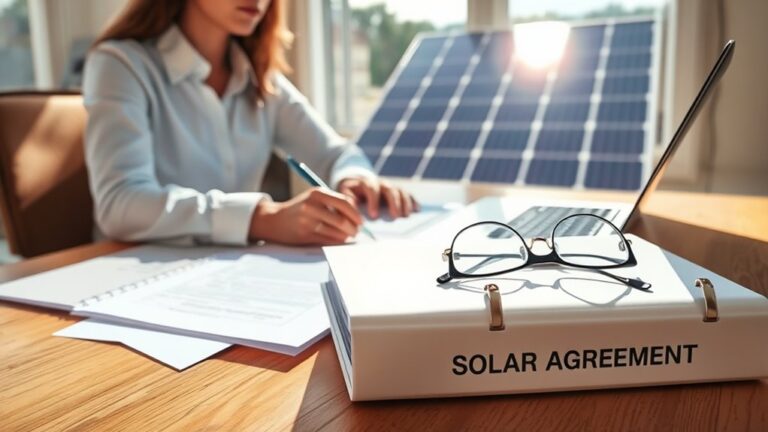
    To get out of your solar panel contract in 10 steps, first review your contract terms, focusing on cancellation rights and cooling-off periods.

    Gather all documents and communications, then contact your provider to discuss options, including transfers or buyouts.

    Draft and send a formal cancellation notice by certified mail. Confirm cancellation and settle final bills promptly.

    Keep organized records throughout. Following these steps guarantees you protect your rights and avoid unnecessary fees—explore the full process to confidently handle your cancellation.

  • How to Connect Solar Panels in Parallel in 5 Easy Steps

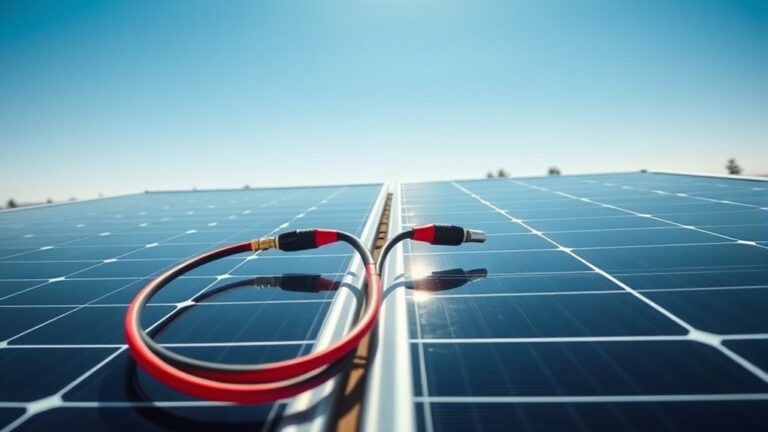
    To connect your solar panels in parallel, first gather outdoor-rated cables, waterproof connectors, and tools like a wire stripper and multimeter. Identify each panel’s positive and negative terminals, confirming polarity.

    Then, join all positive terminals with insulated wires, and do the same for all negatives, keeping wire gauge consistent. Secure connections with weatherproof fittings and insulation, organizing cables neatly.

    This setup boosts current while maintaining voltage. Keep going to uncover tips for ensuring a safe, reliable system.

  • How Solar Panels Work – Step-by-Step Diagram Guide

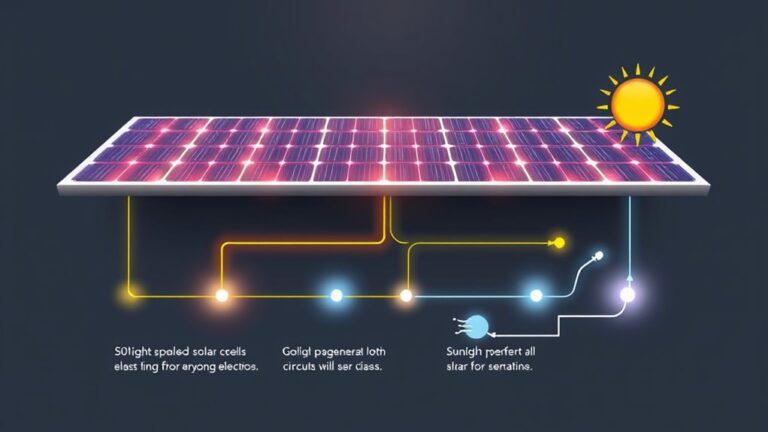
    You’ll see solar panels soak up sunlight with angled cells that convert photons into electricity by exciting electrons inside. These electrons move through layers, creating direct current (DC) power.

    An inverter then changes DC into usable alternating current (AC) for your home. Excess energy can store in batteries or send back to the grid, earning credits.

    Proper installation, regular cleaning, and monitoring keep your system efficient and safe. Keep going to understand every step and maximize your solar setup.

  • How Much Does Solar Fire Cost – 5 Key Price Points

    The cost of a solar fire system depends on five key price points. Your system’s size and quality drive the initial expense. Installation costs can range from $3,000 to $7,000, influenced by complexity and location.

    Expect ongoing maintenance and repairs, like inspections and part replacements, to add to expenses over time. Financing options, including loans and leases, can ease upfront costs.

    Plus, you’ll enjoy significant energy savings and increased home value. Keep exploring to discover how each factor shapes your investment.

  • How Much Does It Cost to Maintain a Solar Panel?

    You’ll typically spend between $150 and $300 every few years on solar panel maintenance, covering inspections and minor repairs that keep your system efficient.

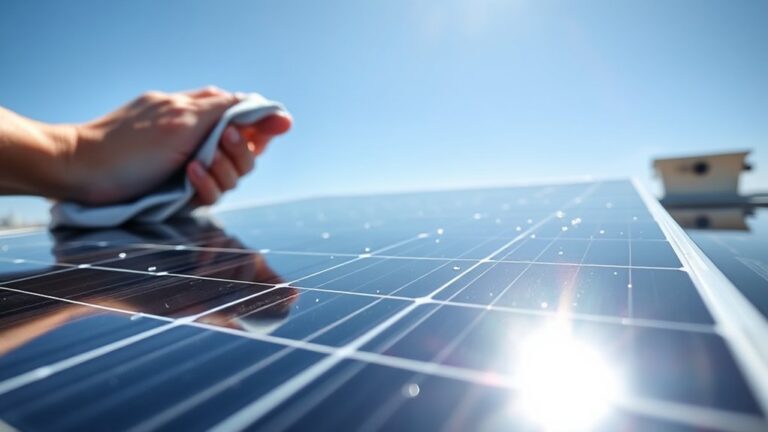
    Routine cleaning costs about $100 to $250 per session, or you can do it yourself to save money.

    Inverters may need replacement after 10–15 years, costing $1,000 to $3,000.

    Monitoring systems usually add little cost but help spot issues early.

    Keep going to find out how to lower these expenses over time.