How Much Does Solar Fire Cost – 5 Key Price Points
The cost of a solar fire system depends on five key price points. Your system’s size and quality drive the initial expense.
While installation costs can range from $3,000 to $7,000, they are influenced by complexity and location.
Expect ongoing maintenance and repairs, like inspections and part replacements, to add to expenses over time.
Financing options, including loans and leases, can ease upfront costs.
Plus, you’ll enjoy significant energy savings and increased home value.
Keep exploring to discover how each factor shapes your investment.
Key Takeaways
- Solar fire system size significantly impacts total cost. Larger setups cost more because they require more materials and have higher energy capacity.
- Installation expenses typically range from $3,000 to $7,000. This depends on how complex the site is, the labor involved, and any necessary electrical work.
- Annual maintenance and minor repairs usually cost between $100 and $300. Major components, like inverters, need replacement every 7 to 10 years.
- Financing options, such as loans and government rebates, can really help. They reduce upfront costs and make managing long-term expenses easier.
- Solar fire systems can lower your energy bills by up to 50%. Plus, they can increase your property value and help the environment by cutting down carbon emissions.
Factors Driving Your Solar Fire System’s Cost
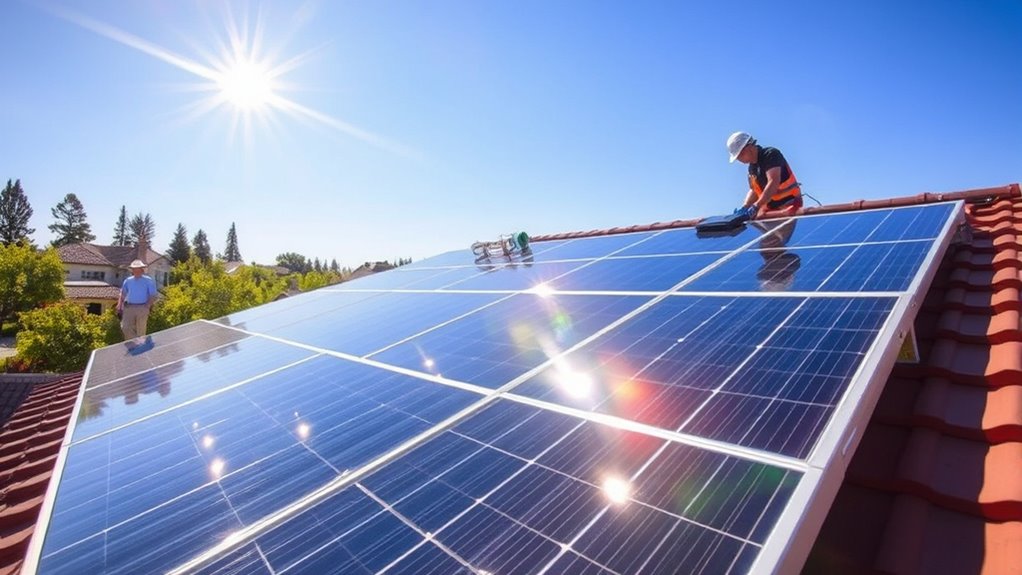
When you decide to install a solar fire system, several key factors will influence its overall cost. First, the size of your system matters—a larger setup to cover more area or meet higher energy needs will cost more.
The overall cost of a solar fire system largely depends on the size and energy needs of your setup.
The type and quality of solar panels and fire-resistant materials also play a significant role. Premium components come at a higher price but offer better durability and efficiency.
Your location impacts costs too, considering local climate and sunlight availability, which affects system design. Plus, any customization or advanced features, like automated monitoring or integration with existing fire safety systems, will increase the price.
Understanding these factors helps you anticipate expenses and choose the right system that fits your budget and safety requirements.
Solar Fire Installation and Setup Costs
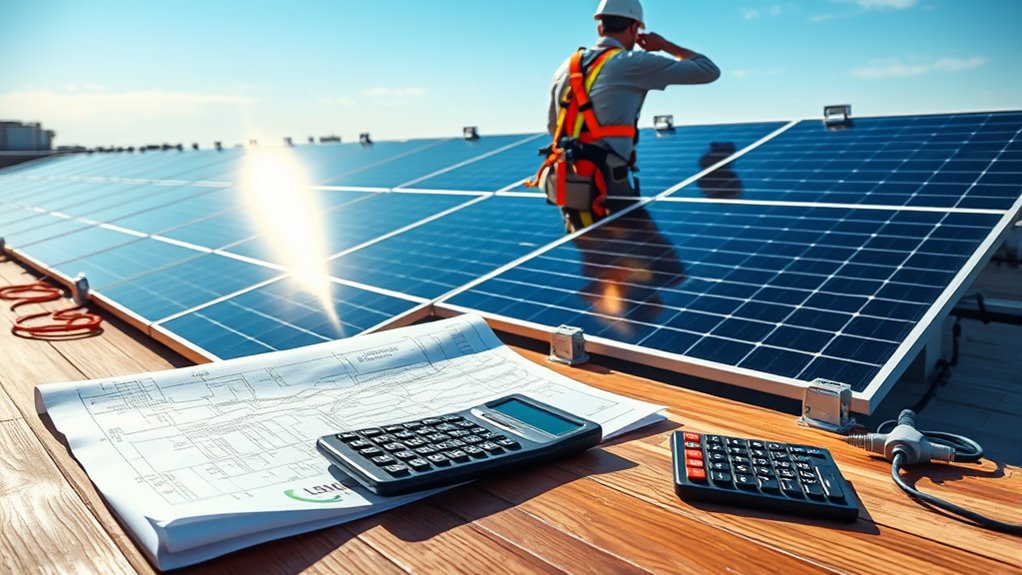
How much should you expect to spend on installing and setting up your solar fire system? Installation costs typically range between $3,000 and $7,000, depending on system size and complexity.
You’ll pay for labor, which varies by region and installer expertise. Site preparation, such as roof reinforcement or mounting structure installation, can add to your expenses.
Electrical work to connect the system to your home’s wiring also factors in. Some installers include permits and inspections in their quotes, but you should confirm this upfront.
Choosing experienced professionals ensures a safe, efficient setup, minimizing future issues. While upfront installation costs may seem high, they’re an essential investment for peak system performance and longevity.
This way, you’ll maximize your solar fire system’s benefits from day one.
Solar Fire Maintenance and Repair Costs Over Time
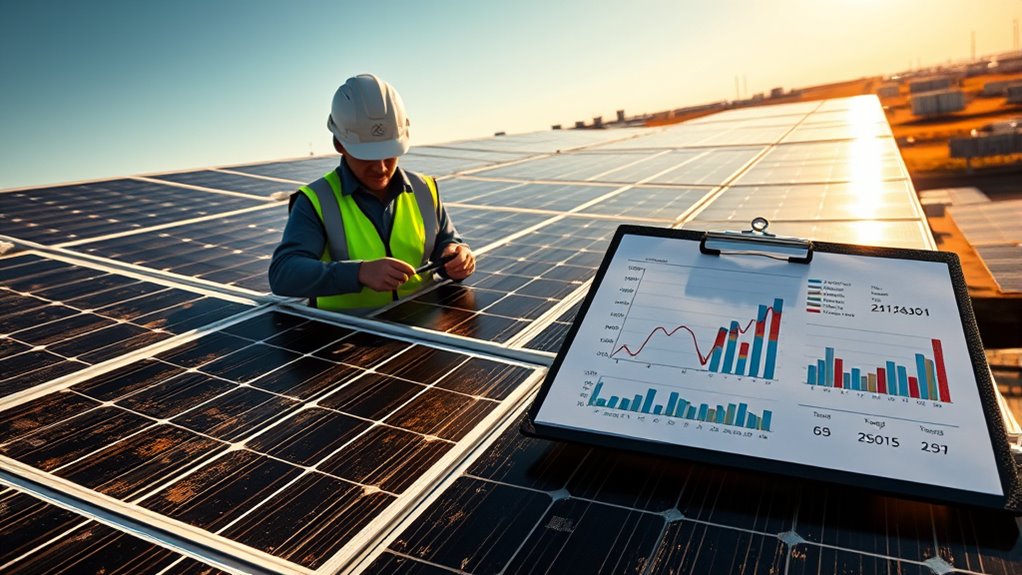
Although solar fire systems require less upkeep than many other energy solutions, you’ll still need to budget for regular maintenance and occasional repairs to keep everything running smoothly. Typically, annual inspections and cleaning cost around $100-$200. This helps prevent dirt buildup that can reduce efficiency.
Repairs vary depending on the issue but generally range between $150 and $500. Over time, component replacements like inverters or sensors may be necessary. So, planning for these costs is wise.
| Maintenance Task | Frequency | Estimated Cost |
|---|---|---|
| System Inspection | Annually | $100 – $150 |
| Cleaning | Annually | $100 – $200 |
| Minor Repairs | As needed | $150 – $300 |
| Inverter Replacement | Every 7-10 years | $400 – $600 |
| Sensor Replacement | Every 5 years | $200 – $400 |
Financing Options to Reduce Solar Fire Costs
Keeping up with maintenance and unexpected repairs can add to the overall expense of your solar fire system. To ease the financial burden, consider financing options that spread out costs over time.
Many providers offer low-interest loans tailored for renewable energy projects, letting you pay in manageable monthly installments. You might also find government incentives or rebates that reduce upfront costs.
Leasing your solar fire system is another option, allowing you to avoid a large initial investment while still enjoying the benefits. Some companies provide power purchase agreements, where you pay only for the energy generated.
Solar Fire Savings: What to Expect
Wondering how much you can actually save with a solar fire system? The savings depend on several factors but generally, you’ll see a noticeable reduction in your energy bills.
Solar fire systems harness the sun’s energy to heat your water or space, cutting down your reliance on traditional energy sources. Here’s what you can expect:
- Lower monthly utility bills by up to 50% or more
- Reduced carbon footprint, helping the environment
- Increased home value due to energy efficiency upgrades
- Potential eligibility for government rebates or tax credits
Frequently Asked Questions
How Long Does a Solar Fire System Typically Last?
A solar fire system typically lasts around 20 to 25 years. You’ll want to maintain it regularly to keep it efficient.
Some components might need replacement sooner, but overall, it’s a long-term, durable investment. It’s definitely worth the effort!
Are Solar Fire Systems Environmentally Friendly?
Yes, solar fire systems are environmentally friendly because they use renewable energy from the sun, reduce greenhouse gas emissions, and lower your carbon footprint.
You’ll help protect the planet while enjoying clean, sustainable heating. It’s a win-win!
Can Solar Fire Systems Be Used in All Climates?
Yes, you can use solar fire systems in most climates. They’re designed to work efficiently even in colder or cloudy areas.
That said, performance might dip in extreme weather. So, you’ll want to take into account local conditions before installing one.
What Safety Measures Are Needed for Solar Fire Systems?
Think of solar fire systems as a sun’s flame in your home; you’ll need proper insulation, pressure relief valves, and regular maintenance to keep that flame safe.
This helps prevent leaks, overheating, or damage from freezing temperatures.
It’s all about making sure everything runs smoothly and safely.
Do Solar Fire Systems Require Special Permits?
Yes, you’ll usually need special permits for solar fire systems. Local regulations vary, so you should check with your city or county building department before installation.
This helps guarantee compliance with safety and zoning codes. It’s always better to be safe and follow the rules!
Conclusion
When you invest in a solar fire system, you’re not just paying upfront costs—you’re setting yourself up for long-term savings. Did you know that solar fire systems can reduce your energy bills by up to 70%?
With manageable installation and maintenance expenses, plus flexible financing options, going solar is more affordable than ever. You’ll enjoy cleaner energy and lower costs, making it a smart choice for your home and wallet.
Choosing a solar fire system means embracing sustainable living while cutting down on your monthly expenses. It’s a win-win for the environment and your budget.
Overall, the cost of solar fire systems is balanced by significant savings on energy bills and the benefits of renewable energy. With competitive pricing and ongoing incentives, switching to solar fire technology is a practical and economical decision. Embrace solar fire to reduce your carbon footprint and enjoy lower energy costs for years to come.