Day: September 21, 2026

  • Do Solar Panels Work When Covered With Snow?

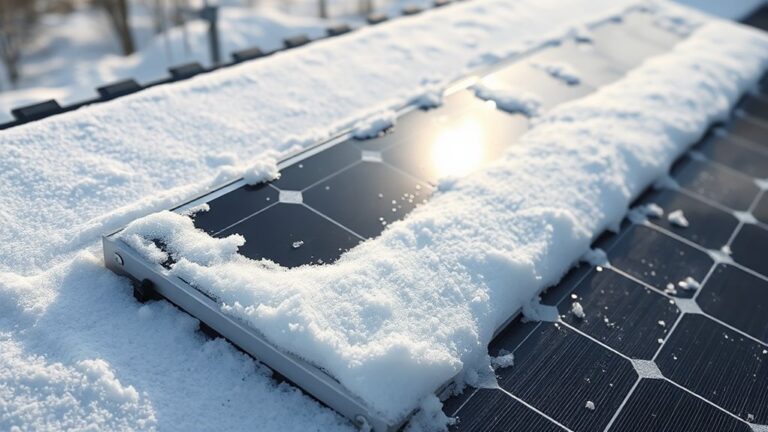
    If your solar panels are covered with snow, they’ll lose significant power since snow blocks sunlight. However, they can still generate some electricity when partial snow melts or slides off.

    Steeper angles and warmer days help snow clear faster, and reflected sunlight from fresh snow can even boost output a bit. Using gentle snow removal tools or heating options speeds up recovery.

    Keep exploring to discover the best ways to maintain your panels and maximize efficiency in winter. It’s all about staying proactive and making sure your panels keep working hard, even when it’s chilly outside.

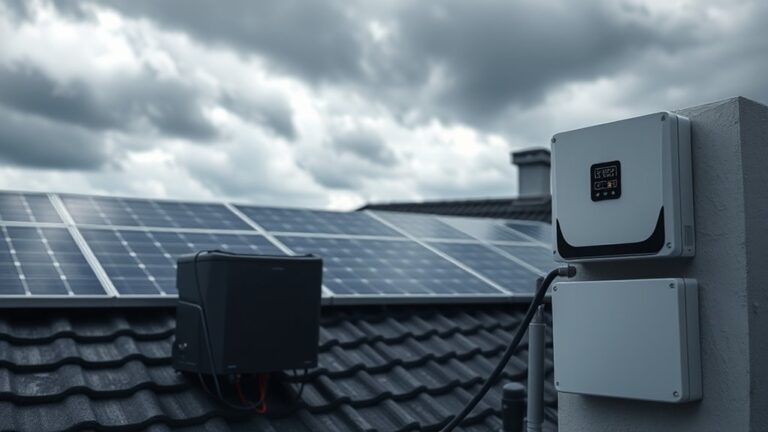
  • Do Solar Panels Work During Power Outage and How to Use Them

    Solar panels alone don’t power your home during outages because most systems shut off for safety without the grid. To use solar energy during blackouts, you need a battery backup or specialized hybrid inverter that stores and supplies power independently.

    Adding an automatic transfer switch helps the system safely disconnect from the grid. With these upgrades, your solar setup can keep critical appliances running when the power goes out.

    Keep exploring how to prepare and troubleshoot your solar system for reliable backup power. It’s worth knowing the ins and outs so you’re never left in the dark!

  • How Do Solar Panels Provide Electricity During a Blackout?

    You can keep your home powered during a blackout by pairing your solar panels with a battery backup system that isolates your energy supply from the grid. Normally, solar panels shut off during outages to prevent backfeeding and protect utility workers.

    But with dedicated circuits, batteries, and backup inverters, your system can safely deliver power to essential devices. Setting this up properly guarantees continuous electricity when the grid fails.

    Want to know how these components work together? It’s all about creating reliable backup power when you need it most.

  • Do Solar Lights Need Direct Sun to Work?

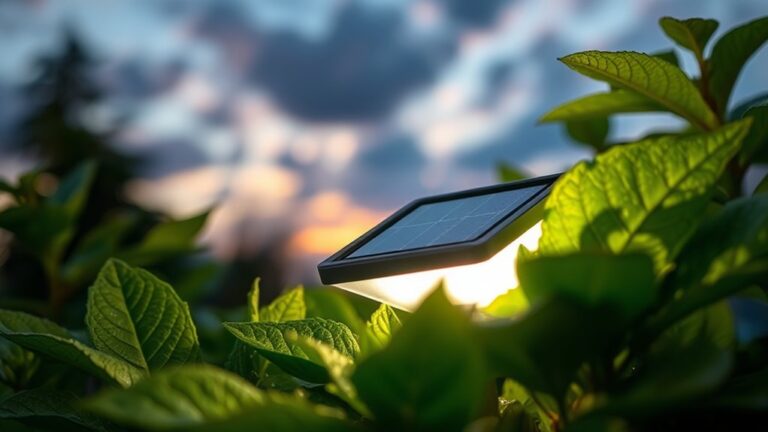
    You don’t need direct sunlight for solar lights to work since they can capture and convert ambient or diffused light. While direct sun boosts charging speed and brightness, solar panels still gather energy on cloudy or shaded days, though performance drops.

    Dirt, shade, and weather can affect how well they charge. Many models are designed to optimize limited light conditions and conserve power.

    Keep going to discover how to maximize their efficiency even in low-light spots.

  • How to Do Solar Lights Charge on Cloudy Days?

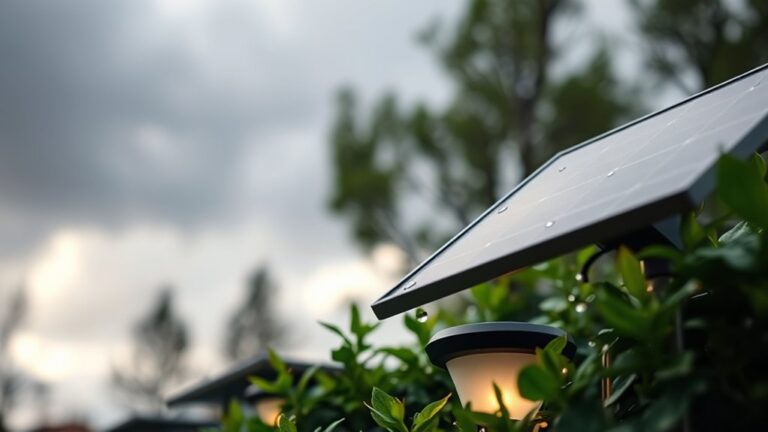
    You can charge solar lights on cloudy days because their panels absorb diffused sunlight, even without direct sun. Though charging slows and efficiency drops to about 10-25%, modern high-efficiency panels still generate power.

    Keeping panels clean, angled toward the brightest sky, and free from shadows helps maximize energy collection. Using larger panels and smart controllers also boosts performance.

    If you want to understand how to optimize solar lights during overcast weather, you’ll find useful tips ahead.

  • Do Solar Blankets Help Heat Pools?

    Yes, solar blankets really help heat your pool by trapping the sun’s warmth and reducing evaporation, which is a major cause of heat loss. They act like an insulating layer, keeping heat from escaping and maintaining a more comfortable temperature.

    Plus, they save you money by lowering heating costs and limit water and chemical usage. Different materials and thicknesses affect how well they work.

    Keep exploring, and you’ll find out how to get the best results for your pool.

  • How Do You Put Solar Panels on a Mobile Home?

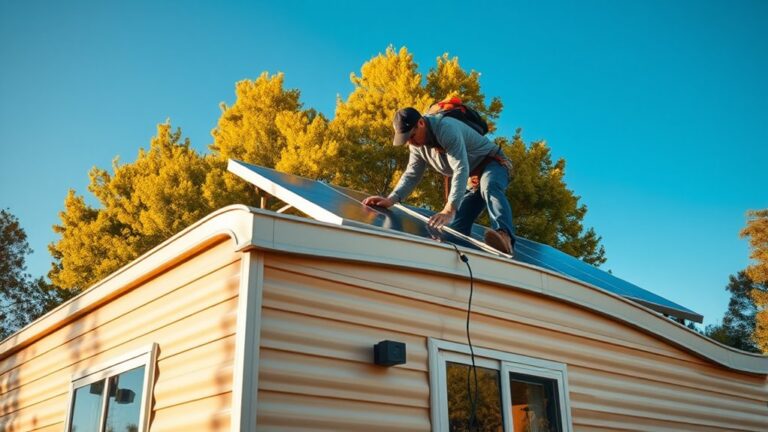
    To put solar panels on your mobile home, first inspect your roof for damage, space, and sun exposure. Choose lightweight, weather-resistant panels and mounting hardware that suit your roof type.

    Securely install the panels using appropriate mounts, then connect them to your electrical system with proper wiring and an inverter.

    Regular maintenance like cleaning and inspections helps keep your system efficient. If you want to get the most from your setup, understanding each installation step will be essential.