Day: October 10, 2026

  • What Happens If I Charge a Solar Panel With a Light Bulb?

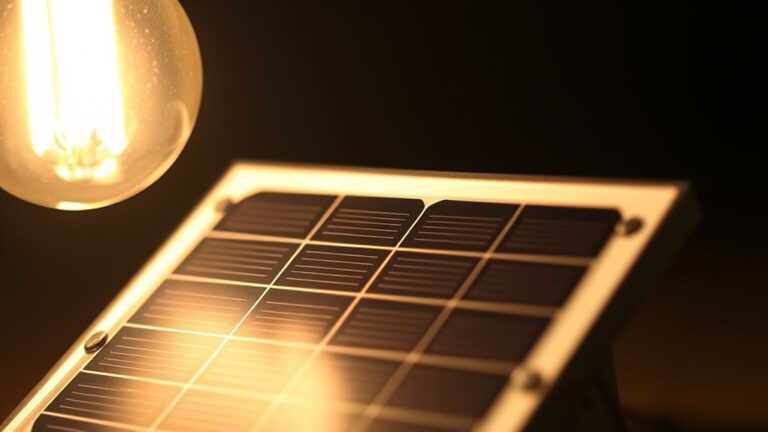
    If you charge a solar panel with a light bulb, it will generate electricity, but much less efficiently than sunlight. Light bulbs emit lower intensity and a limited spectrum, which means your panel won’t get enough energy to charge quickly or fully.

    Specialized lights like LEDs improve this a bit, but standard bulbs still fall short. Using sunlight or proper indoor lights will boost your panel’s performance.

    Keep exploring to understand how different light sources impact solar charging. It’s pretty interesting once you see how much the light quality matters!

  • How to Claim Federal Tax Credits for Commercial Solar Panels

    You can claim federal tax credits for commercial solar panels by making sure your system is new and installed after the IRS’s eligible date. It also needs to be primarily used for commercial electricity.

    Use IRS Form 3468 to file your claim. Be sure to document all qualified expenses like equipment, labor, and permits.

    Keep detailed records of your installation and costs to avoid any issues and get the most out of your credit, which is 30% of your expenses.

    If you want to optimize your savings and stay compliant, there’s definitely more to explore.

  • How to Charge a Solar Panel Using a Light Bulb

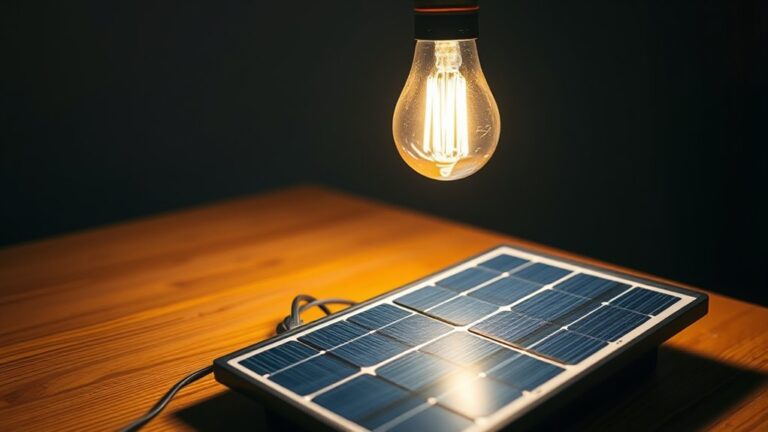
    You can charge a solar panel using a light bulb by choosing a bright bulb—preferably 800 lumens or more with a suitable spectrum—and placing it close, about 12 to 24 inches away, to maximize light exposure.

    Make sure the panel and bulb are stable, wired correctly with insulated connections, and keep the panel clean for best results.

    Monitoring voltage and current helps track progress. Keep going to discover ways to boost efficiency and troubleshoot common issues.

  • Are Solar Pool Ionizers Any Good?

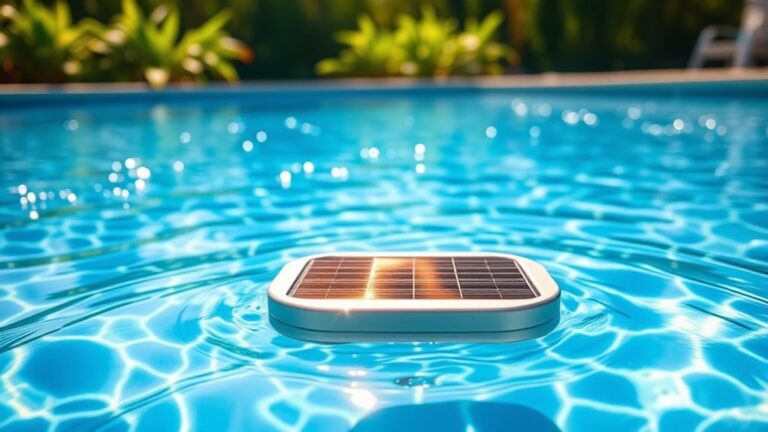
    Solar pool ionizers can be a great eco-friendly way to reduce chemicals and keep your pool clear by releasing metal ions that inhibit algae and bacteria. They run on solar power, so you save on electricity and maintenance is low.

    That said, they work best as a supplement since they’re less powerful and rely on sunlight. If you want to understand how they perform compared to traditional methods and how to pick the right one, there’s plenty more to explore.

  • Are Solar Panels Worth It in Wyoming?

    You’ll find solar panels worth the investment in Wyoming due to abundant sunshine and strong federal incentives like the 30% tax credit.

    Though upfront costs range from $15,000 to $25,000, you could slash your electricity bills by 50% to 70% and see payback within 8 to 12 years.

    Harsh winters and maintenance needs are factors, but the long-term energy savings make it a smart choice.

    Keep exploring to uncover more about costs, benefits, and challenges.

  • Are Solar Panels Worth It in Portland?

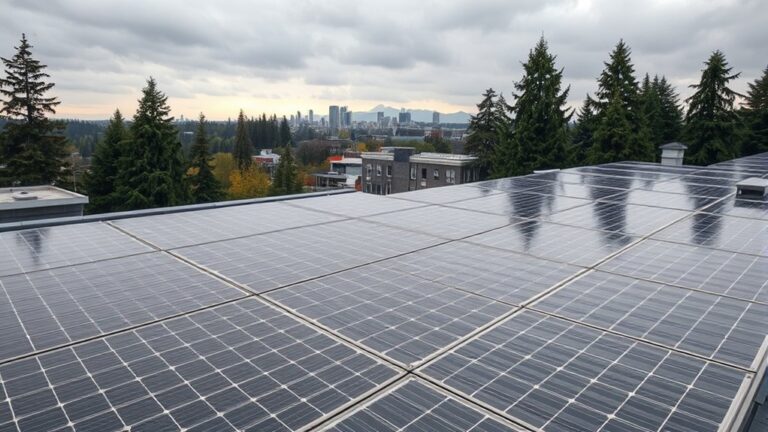
    You’ll find solar panels worth it in Portland because they produce energy year-round, even with cloudy skies. Panels still operate at 70-80% efficiency on overcast days, while rainfall helps keep them clean.

    Initial costs can be offset within 10-15 years, especially with local tax credits and net metering. Plus, solar lowers your bills and boosts home value.

    If you want to understand how weather, costs, and incentives work together, there’s more to explore.

  • Are Solar Panels Worth It in Nevada?

    If you’re in Nevada, solar panels are worth it due to high electricity rates and abundant sunshine, which boost efficiency and cut your energy bills considerably. You’ll benefit from state incentives like tax credits and utility rebates that lower upfront costs.

    Solar panels can increase your home’s value and support energy independence. While there are some downsides, such as maintenance needs, understanding costs, savings, and incentives will help you make the best choice for your home.