Are Solar Panels Worth It in Nevada?
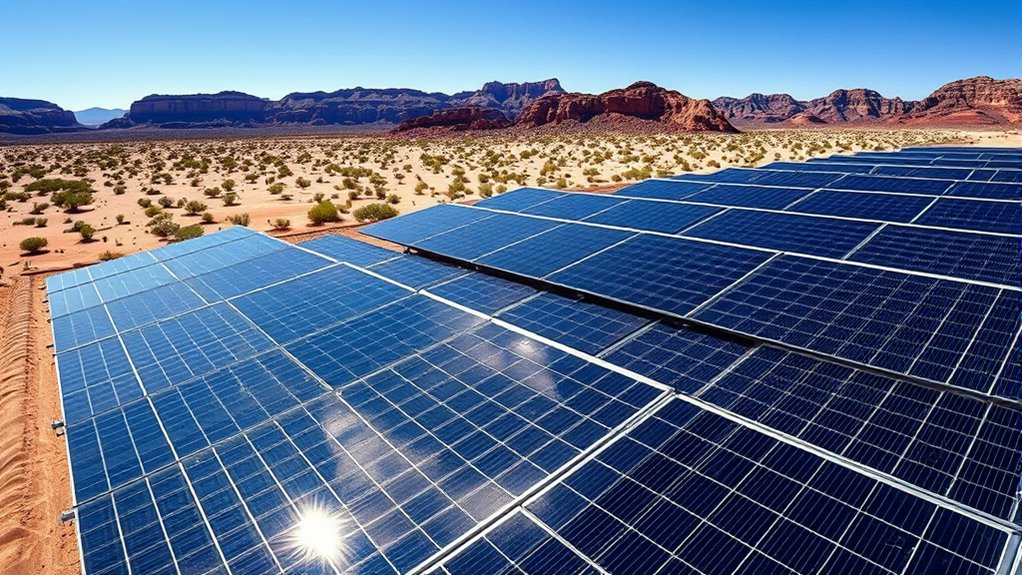
If you’re in Nevada, solar panels are definitely worth considering. With high electricity rates and plenty of sunshine throughout the year, solar energy systems work really efficiently here. That means you can cut your energy bills quite a bit, which is always a win.
On top of that, Nevada offers great state incentives like tax credits and utility rebates. These perks help lower the upfront costs, making solar more affordable than you might think.
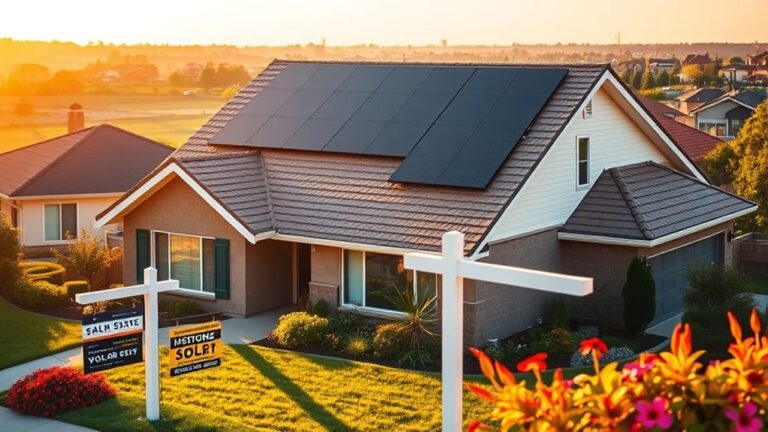
Plus, installing solar panels can actually increase your home’s value and give you a sense of energy independence.
Of course, there are some downsides, like the occasional maintenance that solar panels require. But if you take the time to understand the costs, potential savings, and available incentives, you’ll be in a much better position to decide if solar is the right choice for your home.
Key Takeaways
- Nevada’s abundant sunshine and dry climate maximize solar panel efficiency and energy generation. This means your panels can produce more power compared to many other places.
- Plus, high electricity rates combined with multiple state and federal incentives make solar installations pretty cost-effective. It’s a win-win for your wallet and the environment.
- Solar panels can reduce energy bills by 50% to 90%, which adds up to some serious long-term savings. Imagine paying way less for electricity every month!
- The initial installation costs might seem high, but they’re usually offset by rebates, tax credits, and net metering benefits. So, you get a lot back over time.
- You’ll need regular maintenance like cleaning dust off the panels, but don’t worry—Nevada’s dry environment makes that pretty manageable. It’s not a big hassle at all.
Are Solar Panels Worth It in Nevada?
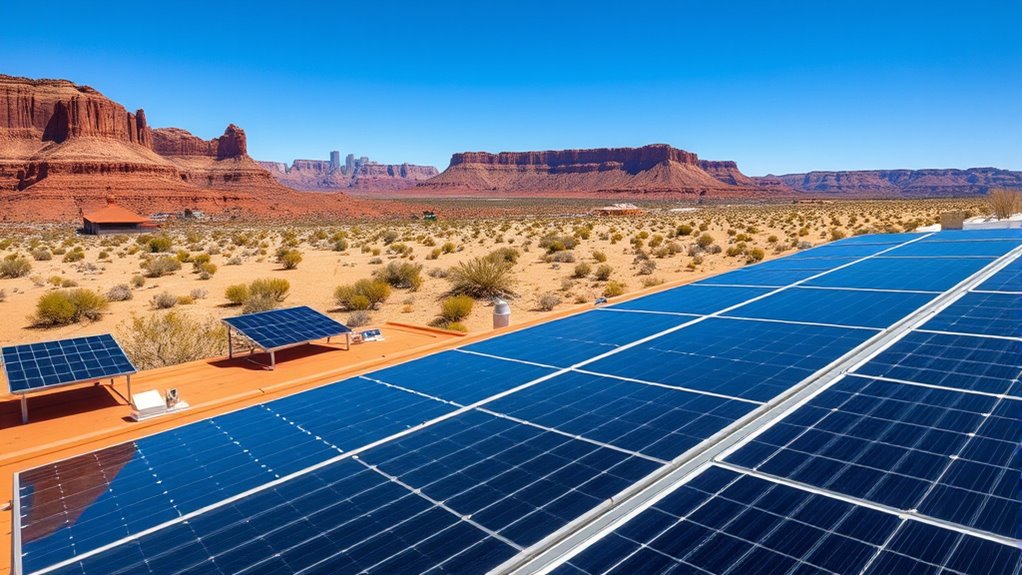
Wondering if solar panels are worth it in Nevada? You’re in a great spot to benefit from solar energy. Nevada offers some of the highest electricity rates in the country, so installing solar panels can appreciably cut your monthly bills.
Plus, the state provides attractive incentives, including tax credits and rebates, which help lower your upfront costs. Solar panels also boost your home’s value, making it a smart long-term investment.
While the initial setup might seem pricey, you’ll likely recover those costs through energy savings over time. If you want energy independence and to reduce your carbon footprint, solar panels make a lot of sense.
How Does Nevada’s Climate Affect Solar Panel Performance?
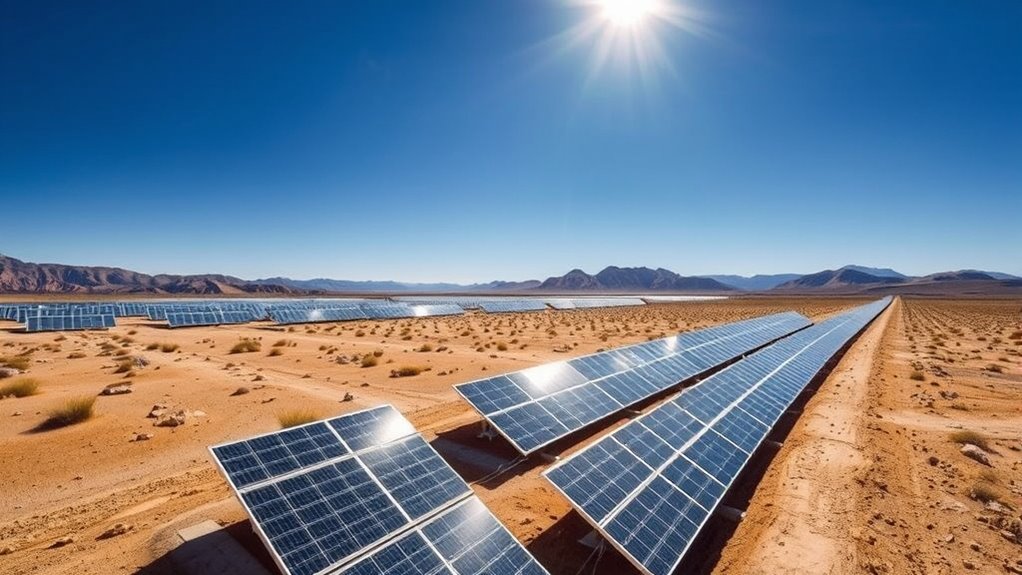
How well do solar panels perform under Nevada’s intense sun and dry climate? You’ll be glad to know that Nevada’s abundant sunshine actually boosts solar panel efficiency, allowing you to generate more electricity year-round.
The state averages over 300 sunny days annually, which means your panels get plenty of direct sunlight. The dry climate also helps because excess moisture won’t interfere with their operation.
However, extreme heat can slightly reduce panel efficiency, as solar cells work best at moderate temperatures. Still, modern panels are designed to withstand high heat and keep producing effectively.
How Much Do Solar Panels Cost in Nevada?
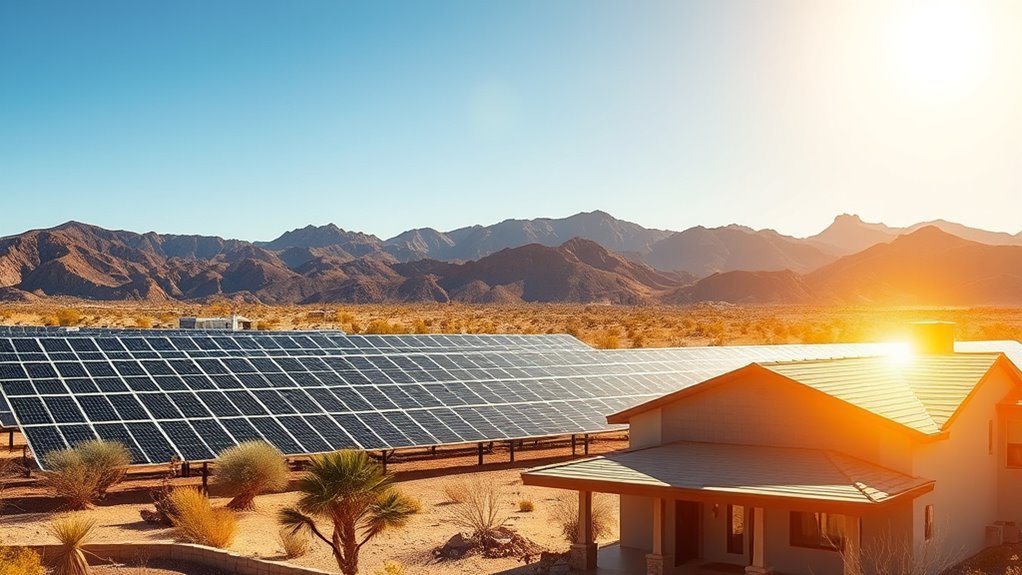
Several factors influence the cost of installing solar panels in Nevada, including the size of your system, the type of panels you choose, and labor expenses. On average, you can expect to pay between $12,000 and $20,000 before incentives for a typical residential system.
To better understand what impacts your total cost, consider these key elements:
- System Size – Larger systems cost more but generate more power.
- Panel Quality – High-efficiency panels come at a premium.
- Installation Complexity – Roof type and location affect labor fees.
- Permits and Fees – Local regulations add to upfront costs.
Knowing these factors helps you budget accurately and make informed decisions on your solar investment. It’s all about finding the right balance for your home and wallet.
How Much Can You Save on Solar Energy Bills?
After understanding the costs involved in installing solar panels, the next step is to look at how much you can actually save on your energy bills. In Nevada, abundant sunshine means your solar system can generate plenty of electricity, markedly cutting your monthly utility costs.
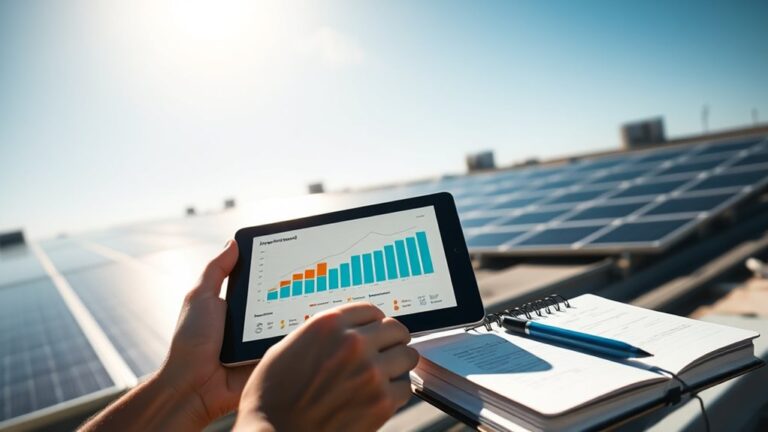
Depending on your energy usage and system size, you could reduce your bills by 50% to 90%. Over time, these savings add up, helping you recoup your initial investment faster.
Cut your energy bills by 50% to 90%, accelerating your solar investment payback.
Plus, with net metering, you can earn credits for excess energy your panels produce, lowering future bills even more. Keep in mind, your exact savings depend on your home’s energy efficiency and your solar panel setup.
But overall, solar energy can offer substantial, ongoing savings on your electricity expenses. It’s definitely worth considering if you want to cut down those monthly costs.
What Local Incentives and Rebates Can You Use?
You can lower your solar panel costs by taking advantage of Nevada solar tax credits and utility company rebates.
Don’t forget about federal incentive programs that apply nationwide.
Knowing what incentives you qualify for can make a big difference in your overall savings.
Nevada Solar Tax Credits
While exploring solar options in Nevada, you’ll find various local incentives and rebates designed to lower your upfront costs. Nevada offers several tax credits that can substantially reduce the price of installing solar panels.
Here are four key tax credits to keep in mind:
- Nevada Solar Energy Systems Tax Abatement – Exempts property tax increases due to solar installations.
- State Renewable Energy Tax Credit – Offers a percentage credit on your solar system costs.
- Local Property Tax Exemption – Prevents your property taxes from rising because of solar improvements.
- Sales Tax Exemption on Solar Equipment – Eliminates sales tax when purchasing solar components.
Using these incentives together can make going solar in Nevada much more affordable for you. It’s definitely worth checking out all the options before you decide!
Utility Company Rebates
Besides state tax credits, utility companies in Nevada offer rebates that can substantially lower your solar installation costs. For example, NV Energy provides performance-based incentives that reward you for generating clean energy.
These rebates can cut upfront expenses and improve your solar panel return on investment. To qualify, you typically need to work with a certified installer and meet specific system size requirements.
It’s important to check with your local utility provider because rebate availability and amounts can vary by region and change over time. Applying early helps guarantee you don’t miss out on these savings.
Federal Incentive Programs
How can you maximize your savings when installing solar panels in Nevada? Taking advantage of federal incentive programs is key. These programs can considerably reduce your upfront costs and improve your return on investment.
Here are four federal incentives you should know about:
- Federal Investment Tax Credit (ITC) – You can deduct 30% of your solar installation cost from your federal taxes. It’s a straightforward way to save big.
- Residential Renewable Energy Tax Credit – This one applies directly to residential solar systems, making it easier for homeowners to benefit.
- Solar Renewable Energy Certificates (SRECs) – You can actually sell credits earned from your solar power generation. It’s like earning extra cash on the side.
- Energy Efficient Mortgage Program – This program helps you finance solar installations with favorable loan terms. It’s a smart way to manage your investment.
Using these programs ensures you get the best financial boost while going solar in Nevada. Don’t miss out on these opportunities!
What Are the Potential Downsides of Solar Panels in Nevada?
Even though Nevada offers abundant sunshine, installing solar panels comes with some potential downsides you should consider. The upfront cost can be considerable, and the savings might take years to materialize.
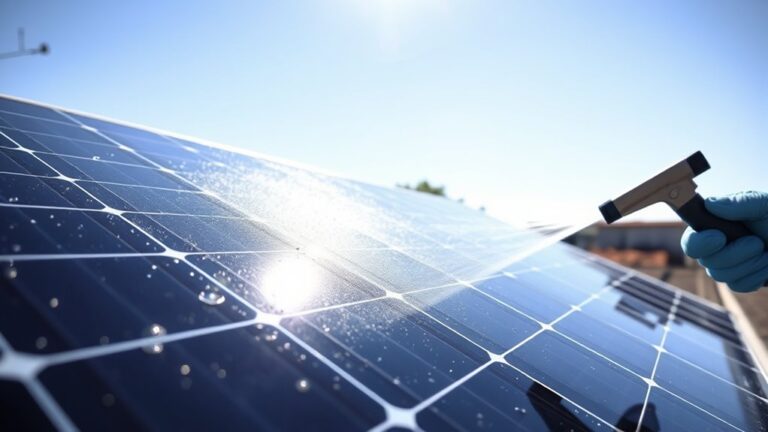
Plus, your roof needs to be in good condition to support the panels. Weather extremes, like dust storms, can reduce efficiency and require regular cleaning.
Additionally, solar panels may not add as much resale value to your home as you expect.
| Downside | Explanation | Impact Level |
|---|---|---|
| High upfront cost | Initial investment can be steep | Moderate to High |
| Maintenance | Dust storms require frequent cleaning | Moderate |
| Roof condition | Panels need a strong, suitable roof | Moderate |
| Resale value | May not substantially boost home value | Low to Moderate |
Frequently Asked Questions
How Long Do Solar Panels Typically Last in Nevada?
Solar panels typically last 25 to 30 years in Nevada. With proper maintenance, you can expect them to perform efficiently for decades.
Even with the intense sunlight and heat Nevada experiences, they hold up really well. Just a little upkeep goes a long way in keeping them working great.
Can Solar Panels Increase My Home’s Resale Value?
Solar panels can boost your home’s resale value like a fresh coat of paint brightens a room. Buyers often see them as energy savers, making your property more appealing and potentially increasing its market price.
It’s kind of like giving your home an upgrade that pays off in the long run. People love the idea of saving on electricity bills, so having solar panels can really catch their eye.
What Maintenance Do Solar Panels Require in Desert Conditions?
You’ll need to clean dust and sand off your solar panels regularly to keep them efficient. It’s a good idea to do this often since the desert environment can get pretty dusty.
Also, check for any damage or shading from desert plants. These can affect how well your panels work.
Don’t forget to inspect the wiring at least once a year to make sure everything’s in good shape.
The good news is, solar panels generally require minimal maintenance overall. So, once you’ve got a routine, it’s pretty easy to manage.
Are There Financing Options Available for Solar Panel Installation?
Yes, you’ll find various financing options like solar loans, leases, and power purchase agreements. These choices let you install panels with little upfront cost, making solar energy more accessible and affordable for your home or business.
It’s a great way to get started without a big initial investment. Plus, many plans come with flexible terms to fit your budget.
How Do Solar Panels Perform During Nevada’s Dust Storms?
Dust storms can reduce your solar panels’ efficiency by up to 30%, but regular cleaning keeps them performing well.
You’ll want to schedule maintenance after storms to guarantee maximum energy production and long-term savings.
It’s pretty simple—keeping your panels clean helps them soak up more sunlight and work better for you.
Conclusion
If you’re weighing the decision, solar panels in Nevada are like a trusty pocket watch in the digital age—reliable and surprisingly valuable. With Nevada’s abundant sunshine, you’ll enjoy consistent energy savings and plenty of local incentives to sweeten the deal.
While upfront costs and occasional maintenance might give you pause, the long-term benefits usually outweigh the downsides.
So, if you want to future-proof your energy and save money, solar’s definitely worth considering. Installing solar panels in Nevada not only reduces your electricity bills but also boosts your home’s value. Plus, with state and federal incentives, going solar has never been more affordable.
In short, solar panels in Nevada offer a smart, sustainable way to harness the sun’s power, making them a great investment for your wallet and the environment.