Day: October 17, 2026

  • How Many Watts Can a Solar Panel Produce?

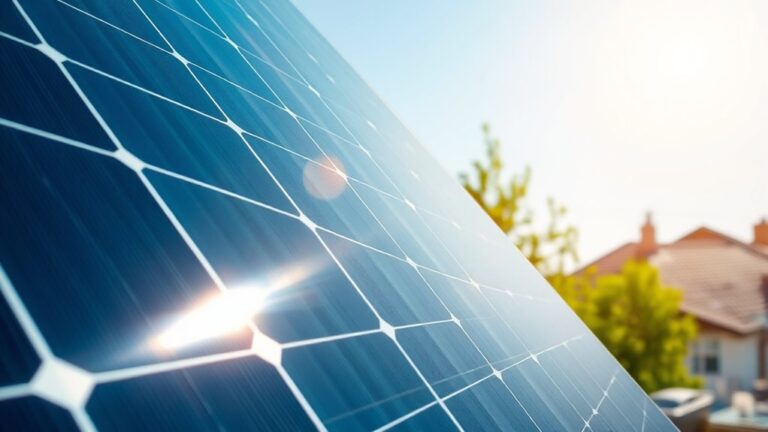
    You can expect a solar panel to produce between 100 and 400 watts, depending on the type you choose. Monocrystalline panels offer the highest wattage and efficiency, while polycrystalline and thin-film panels provide lower outputs but at different price points.

    Your panel’s actual power also depends on factors like sunlight intensity, temperature, shading, and design features. These things can really change how much energy you get from your system.

    If you want to understand how these elements influence energy production and pick the best system for your needs, there’s more to explore. It’s worth digging deeper to make the best choice for your setup.
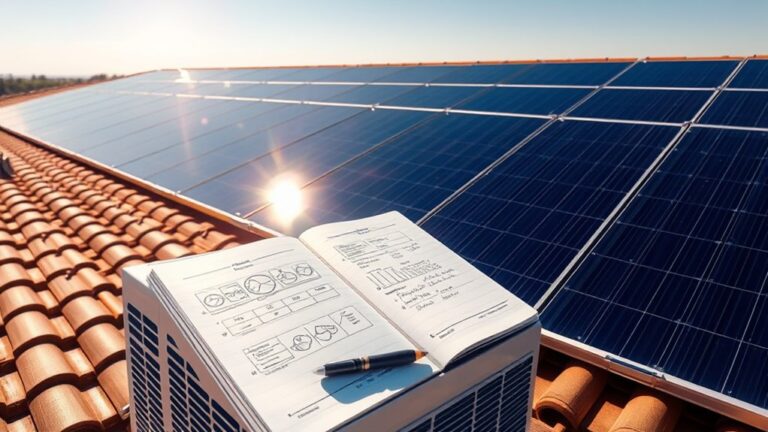
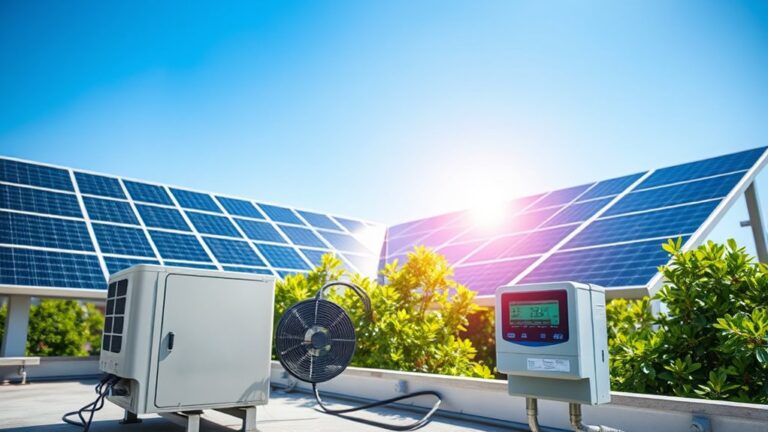
  • How Many Solar Panels to Run AC: Step-by-Step Guide

    To figure out how many solar panels you need to run your AC, start by checking its wattage or amperage and multiply by voltage to find daily energy use.

    Next, consider your location’s average sunlight hours, adjusting for seasonal and weather changes. Divide your AC’s daily kWh by your panels’ daily output and add about 20% for system losses.

    Choosing the right panel type and balancing cost guarantees efficiency. Keep exploring to understand each step in detail and optimize your setup.

  • How Many Solar Panels Power an Air Conditioner – Step by Step

    To power your air conditioner with solar panels, first check its wattage and daily usage—most use 1.2 to 2.5 kWh per hour. Next, estimate your local sunlight hours to figure out how much energy each panel produces.

    Then, pick panels that match your AC’s power needs, keeping efficiency and weather conditions in mind. It’s a good idea to adjust your system seasonally since cooling demands and sun angles change.

    Keep these steps in mind, and you’ll soon find the best way to optimize your solar setup fully. It’s not as complicated as it sounds once you break it down!

  • How Many Kilowatts Does a Solar Panel Produce?

    You can expect a typical solar panel to produce between 250 and 400 watts each, so your home’s system might generate anywhere from 3 to 10 kilowatts depending on how many panels you have and their efficiency.

    Larger or business systems often produce 10 kilowatts or more. Factors like sunlight exposure, panel size, and positioning also affect output.

    If you want to understand how to get the most from your solar setup, keep exploring the key details. It’s worth diving in to make sure you maximize your solar power!

  • How Long Does It Take Solar Lights to Charge?

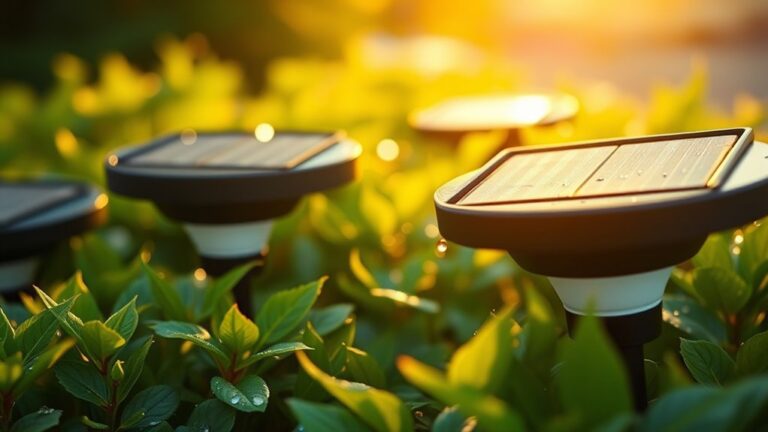
    You can usually charge your solar lights fully in 6 to 8 hours of direct sunlight. Charging time depends on battery size—smaller batteries take less time, while larger ones need more.

    Cloudy weather, shade, and lower-quality panels can slow down charging. To get the best results, place your lights in direct sun and keep panels clean.

    If you want to understand how sunlight, battery types, and weather affect charging, there’s more useful info ahead.

  • How Long Do Solar Panel Batteries Last?

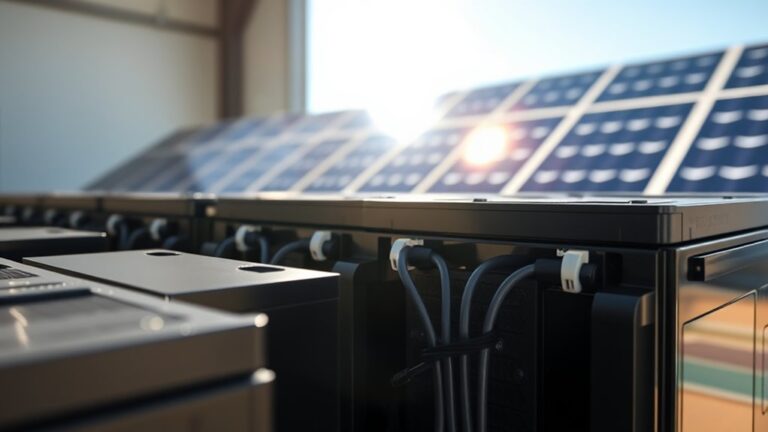
    You can expect your solar panel batteries to last between 5 and 15 years, depending on the battery type and how you use and maintain them.

    Lithium-ion batteries typically last the longest, up to 15 years, while lead-acid batteries last around 3 to 7 years. Factors like avoiding deep discharges and keeping batteries cool help extend their life.

    If you want to understand when to replace them and how to maximize performance, there’s more detailed info ahead.

  • How to Do Solar Lights Last Long at Night

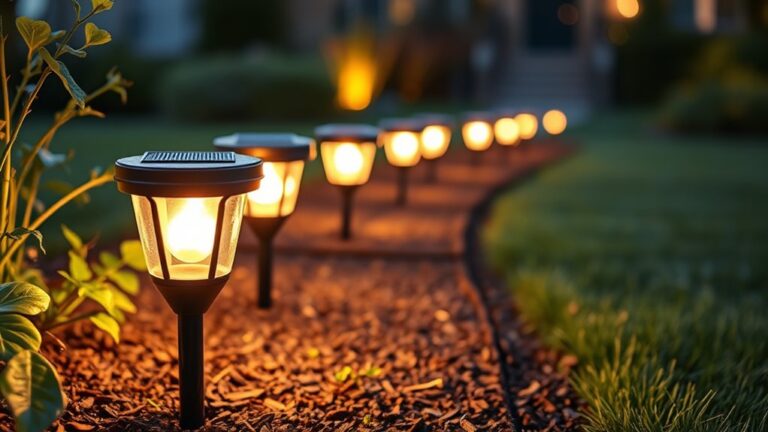
    To make your solar lights last longer at night, place them where they get maximum direct sunlight. Avoid shade from trees or buildings since that can cut down their charging time.

    Keep the panels clean and tilted correctly to boost charging efficiency. It really helps your lights soak up as much sun as possible.

    Upgrade to high-quality rechargeable batteries that suit your climate. Also, check connections regularly to prevent any power loss.

    Managing these factors will help your lights shine brighter and last longer. If you want to improve even more, there are simple tweaks and maintenance tips you can try.