How Long Do Solar Panel Batteries Last?
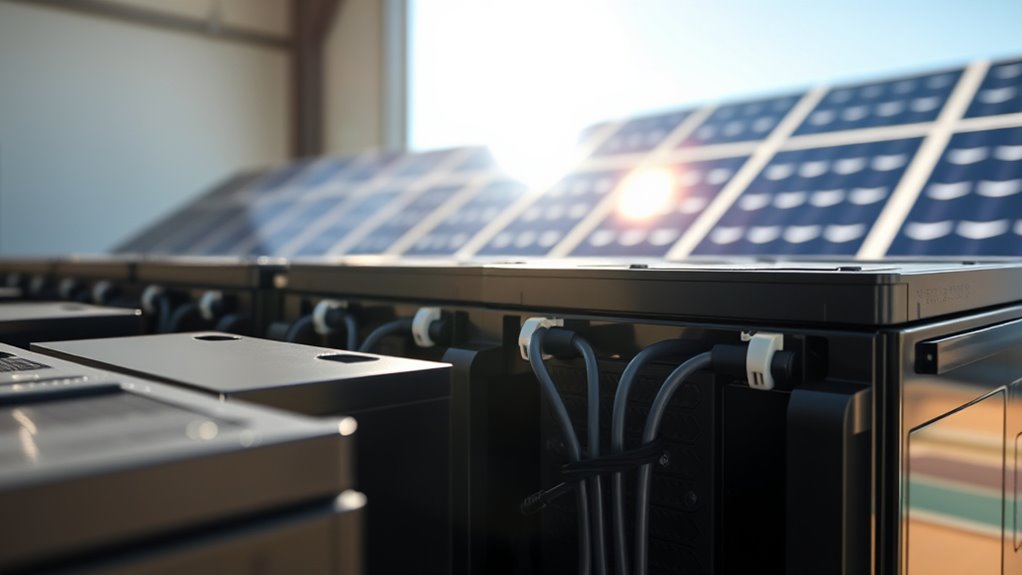
You can expect your solar panel batteries to last between 5 and 15 years, depending on the battery type and how you use and maintain them. Solar panel batteries are a key part of your renewable energy system, storing the power your panels generate for use when the sun isn’t shining.
Lithium-ion batteries typically last the longest, up to 15 years, while lead-acid batteries last around 3 to 7 years. How you care for them plays a big role in their lifespan.
Factors like avoiding deep discharges and keeping batteries cool help extend their life. Taking simple steps can make a big difference in how long your batteries keep working efficiently.
If you want to understand when to replace them and how to maximize performance, there’s more detailed info ahead. Stick around to learn how to get the most out of your solar panel batteries!
Key Takeaways
- Solar panel batteries typically last between 5 to 15 years, depending on battery type and usage conditions. It really varies based on how you use them and what kind of battery you choose.
- Lithium-ion batteries offer the longest lifespan of 10 to 15 years with high efficiency. They tend to be a bit pricier but last much longer.
- Lead-acid batteries generally last 3 to 7 years but are more affordable initially. So, if you’re on a budget, this could be a good option.
- Battery lifespan decreases with deep discharges, high temperatures, and poor maintenance. These factors can really wear your battery down faster.
- Proper care, including avoiding extreme temperatures and overcharging, extends battery life significantly. Taking a little extra time to maintain them pays off in the long run.
How Long Do Solar Panel Batteries Last?
Although the lifespan of solar panel batteries varies by type and usage, you can generally expect them to last between 5 and 15 years. How long your battery lasts depends on factors like how often you use it, the depth of discharge, and how well you maintain it.
If you regularly drain the battery completely or expose it to extreme temperatures, its life will diminish. On the other hand, keeping it within recommended operating conditions and avoiding deep discharges can extend its performance.
You’ll also find that batteries with more charge cycles tend to last longer. Knowing these factors helps you plan for replacement and ensures your solar power system runs smoothly without unexpected interruptions.
Which Solar Panel Battery Type Lasts Longest?
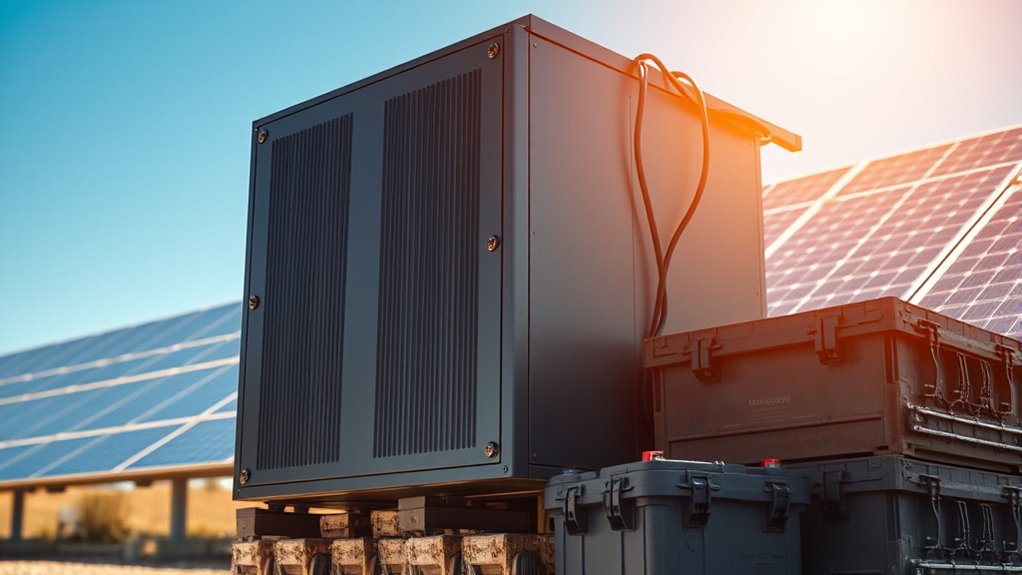
Understanding how long different battery types last can help you choose the best option for your solar system. Among the common choices, lithium-ion batteries stand out for their impressive lifespan, often lasting 10 to 15 years. They maintain high efficiency and experience less degradation over time compared to other types.
Lead-acid batteries, including flooded and AGM varieties, usually last around 3 to 7 years but are more affordable upfront. Nickel-based batteries are less common and tend to have shorter lifespans and lower efficiency.
If longevity is your priority, lithium-ion batteries are your best bet, offering a solid balance of durability and performance. Selecting the right battery type guarantees your solar setup remains reliable and cost-effective in the long run.
Factors That Affect Solar Panel Battery Lifespan
Because several factors influence how long your solar panel battery lasts, knowing what affects its lifespan can help you maximize its performance. Temperature, depth of discharge, and charging habits play vital roles.
High heat speeds up battery degradation, while deep discharges reduce cycles. Proper charging preserves capacity and extends life.
Here’s a quick overview:
| Factor | Impact on Battery | What You Should Do |
|---|---|---|
| Temperature | Accelerates aging | Keep battery cool |
| Depth of Discharge | Lowers cycle count | Avoid deep discharges |
| Charging Habits | Affects capacity retention | Use proper charging system |
How to Know When It’s Time to Replace Your Solar Battery
When your solar battery no longer holds a charge or consistently underperforms, it’s a clear sign that replacement may be necessary. You should monitor its capacity regularly—if you notice a significant drop in how long it powers your home or devices, it’s time to act.
Pay attention to longer charging times and shorter discharging periods. Also, if your battery shows physical signs like swelling, corrosion, or leaks, replace it immediately to avoid safety risks.
Watch for longer charges, shorter use, or physical damage—replace your battery promptly to ensure safety.
Frequent unexpected shutdowns or error messages from your solar system can indicate battery failure too. Keeping an eye on these signs helps you avoid sudden power loss and maintain your system’s efficiency.
When these issues arise, don’t hesitate to consult a professional and consider upgrading your battery. It’s better to be safe and keep your solar setup running smoothly!
Tips to Extend Your Solar Panel Battery’s Lifespan
To get the most out of your solar panel battery, you should follow a few key maintenance practices that help preserve its capacity and efficiency. First, avoid extreme temperatures by placing your battery in a well-ventilated, shaded area.
Keep it clean and dry, wiping away dust and debris regularly. It’s a simple step but makes a big difference.
Monitor the battery’s charge levels to prevent overcharging or deep discharging, which can shorten its lifespan. Using a quality charge controller helps regulate power flow effectively and keeps things running smoothly.
Additionally, schedule routine inspections to catch potential issues early. If your system supports it, balance the battery cells periodically to maintain uniform performance.
What to Expect When Replacing Solar Panel Batteries
Even with proper maintenance, solar panel batteries won’t last forever and will eventually need replacement. When the time comes, you’ll notice reduced storage capacity and shorter backup durations.
Replacing batteries means choosing the right type—lithium-ion, lead-acid, or others—based on your system’s compatibility and budget. Installation may require professional help to guarantee safety and proper connection.
Expect upfront costs, but remember investing in new batteries improves your system’s efficiency and reliability. Dispose of old batteries responsibly; many suppliers offer recycling options.
Finally, after replacement, monitor your system closely to confirm everything functions correctly. By preparing for these steps, you’ll make the shift smooth and keep your solar power running efficiently for years to come.
Frequently Asked Questions
How Do Solar Panel Batteries Impact Overall Energy Costs?
Solar panel batteries lower your energy costs by storing excess power for later use, reducing reliance on the grid. You’ll save money during peak hours and avoid high utility rates, making your overall energy expenses more predictable and manageable.
It’s pretty straightforward—when your panels produce more energy than you need, the battery saves it for a rainy day. So instead of buying expensive electricity from the grid, you use the power you already have.
This not only cuts costs but also gives you more control over your energy bills. Plus, it’s a smart way to make the most out of your solar setup without surprises on your monthly expenses.
Are Solar Panel Batteries Safe for Home Use?
Sure, solar panel batteries won’t suddenly explode like a movie villain. You’ll find them safe for home use, especially if you follow installation guidelines and maintenance.
You’re basically inviting clean energy, not chaos, into your house.
Can Solar Panel Batteries Be Recycled?
Yes, you can recycle solar panel batteries. Many facilities specialize in safely breaking down and reusing their materials.
It’s a good idea to check local recycling programs or reach out to manufacturers. That way, you can properly dispose of or recycle your batteries without any hassle.
What Warranties Do Solar Panel Batteries Typically Have?
Think of warranties as your battery’s safety net—they typically last 5 to 10 years.
You’ll usually get coverage for capacity loss and defects, giving you peace of mind while your solar investment powers your life.
How Do Weather Conditions Affect Solar Battery Performance?
You’ll see reduced solar battery performance in extreme cold or heat, as temperature affects chemical reactions inside.
High humidity or storms may cause damage or corrosion, so you should protect your system to maintain efficiency and lifespan.
It’s a good idea to keep an eye on the weather and take steps to shield your battery whenever possible. That way, you can keep it working well for longer.
Conclusion
Your solar panel battery is the heart of your system, and knowing how long it lasts helps you keep your energy flowing smoothly. While lifespan depends on battery type and care, staying alert to signs of wear guarantees you won’t be left in the dark.
By following simple tips, you can stretch its life and get the most out of your investment. When replacement time comes, you’ll be ready to power up without missing a beat.
Understanding how long solar panel batteries last is key to maintaining an efficient energy setup. Battery longevity varies based on usage, maintenance, and technology, but with proper care, you can extend their lifespan significantly. Keeping an eye on performance and addressing issues early ensures your solar power system remains reliable. So, stay proactive with your solar panel batteries, and enjoy uninterrupted, sustainable energy for years to come.