Is Solar Worth It in Texas?
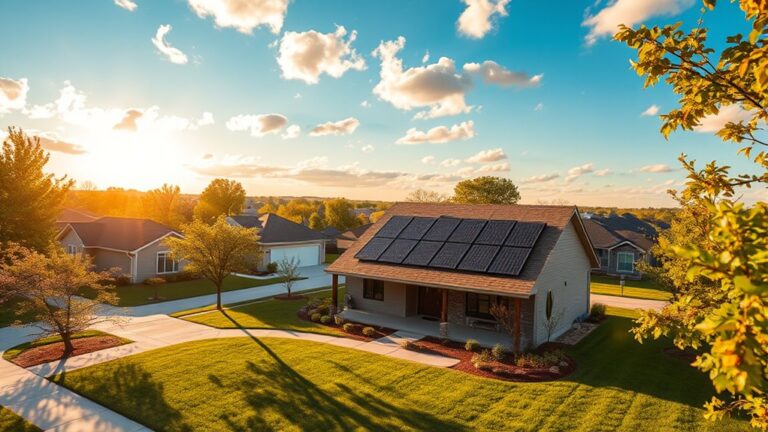
Solar is definitely worth it in Texas because the state enjoys plenty of sunshine year-round, which maximizes energy production for your solar panels. With abundant sunlight, solar energy systems work efficiently, helping you save money on electricity bills from day one.
Plus, Texas homeowners can benefit from net metering, which allows you to earn credits for excess energy your system produces.
You’ll also find that federal tax credits and local utility rebates help lower your upfront costs, making solar more affordable than ever.
On top of that, solar panels require low maintenance and can increase your home’s value. It’s a smart long-term investment that pays off over time.
If you’re curious about how solar fits your budget and energy needs, keep exploring your options. There are plenty of ways to customize a solar setup that works perfectly for you.
Key Takeaways
– Texas’ abundant sunshine ensures high solar panel efficiency and consistent energy generation year-round.
You can count on plenty of sun to keep your panels working well.
– Federal tax credits and local utility rebates significantly reduce upfront solar installation costs in Texas.
These incentives make going solar more affordable than you might think.
– Solar panels in Texas lower electricity bills and generate net metering credits, leading to long-term savings.
That means you save money now and even earn credits for extra energy you produce.
– Minimal maintenance and durable panels lasting 25+ years make solar a reliable, low-effort investment.
Once installed, they pretty much take care of themselves.
– Solar installation increases home value and supports sustainable financial growth in Texas’ solar-friendly market.
It’s a smart move if you’re thinking about the future of your home and wallet.
Why Texas Is Ideal for Solar Energy

Because Texas boasts abundant sunshine year-round, it offers one of the best environments for solar energy. You can count on strong, consistent sunlight that maximizes your solar panel’s efficiency, helping you generate more power throughout the year.
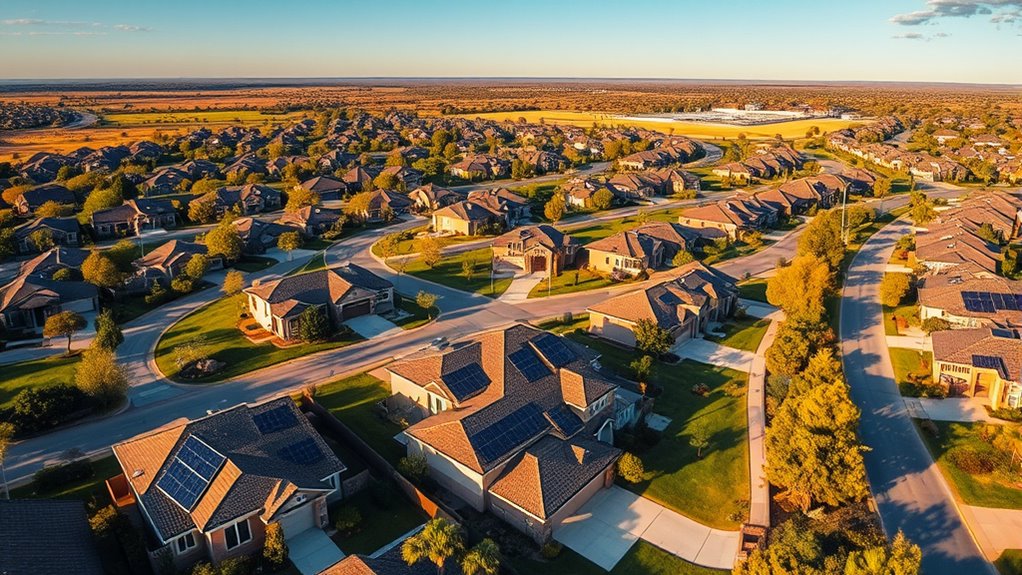
Texas’s vast open spaces also give you flexibility in panel placement, whether you live in the city or the countryside. The state’s climate, with its generally mild winters, means your panels keep working efficiently even in cooler months.
Plus, Texas’s grid is evolving to support renewable energy, making it easier for you to connect your system and benefit from net metering. All these factors come together to make Texas an ideal place for you to invest in solar energy and enjoy long-term savings.
Solar Panel Costs and Financing Options in Texas

Although solar panels require an upfront investment, various financing options in Texas make adopting solar energy more accessible and affordable for you. You can choose from paying cash, taking out a solar loan, leasing panels, or entering a power purchase agreement (PPA).
Each option affects your costs, savings, and ownership differently.
| Financing Option | Upfront Cost | Ownership |
|---|---|---|
| Cash Payment | High | You own panels |
| Solar Loan | Low to moderate | You own panels |
| Lease | Low to none | Leased panels |
| Power Purchase Agreement (PPA) | None | Third-party owns |
| Property Assessed Clean Energy (PACE) | Low to moderate | You own panels |
Choosing the right method depends on your budget and long-term goals. So, think about what works best for you and how you want to manage your solar investment.
Texas Solar Incentives and Rebates
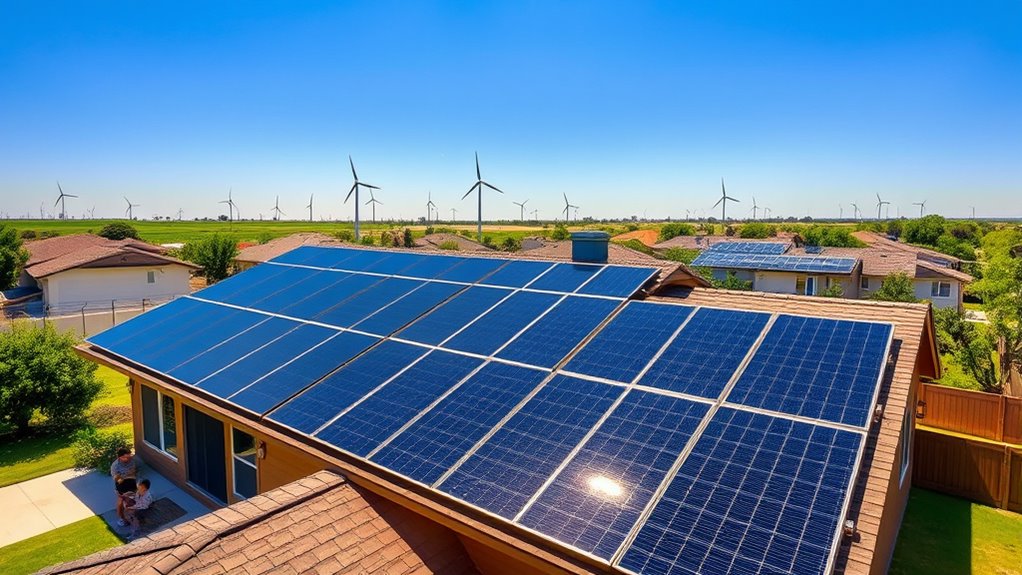
You can save a lot by taking advantage of Texas solar incentives and rebates. State solar tax credits can reduce your upfront costs, while some utility companies offer additional rebates.
Let’s explore how these programs can make your solar investment more affordable. It’s easier than you might think to start saving!
State Solar Tax Credits
Wondering how much you can save on solar installation in Texas? While Texas doesn’t offer a state-specific solar tax credit, you can still benefit from several important savings opportunities. Here’s what you need to know:
- Federal Solar Investment Tax Credit (ITC) – You can claim 30% of your solar system’s cost as a credit on your federal taxes.
- Property Tax Exemption – Texas exempts the added home value from solar panels from property tax increases.
- Sales Tax Exemption – You won’t pay state sales tax on solar equipment and installation.
- No State Income Tax – Texas has no state income tax, so there’s no state-level solar income tax credit. But your savings on federal taxes and exemptions still make solar worthwhile.
These incentives reduce upfront costs and boost your long-term solar investment returns. So, even without a state tax credit, going solar in Texas can still be a smart move!
Utility Company Rebates
While Texas doesn’t offer many state-level solar incentives, several utility companies provide rebates that can considerably lower your solar installation costs. These rebates vary depending on where you live and your utility provider, so it’s essential to check what’s available in your area.
Companies like Austin Energy and CPS Energy often offer cash rebates based on the size of your solar system, helping you save hundreds or even thousands upfront. You’ll want to apply early since some programs have limited funding or specific deadlines.
Keep in mind that these rebates can stack with federal tax credits, boosting your overall savings. By taking advantage of utility rebates, you make your solar investment in Texas more affordable and financially rewarding.
How Solar Panels Save You Money in Texas
Solar panels reduce your electricity bills by generating free power from the abundant Texas sun. When you install solar, you cut down the amount of electricity you buy from your utility, which means immediate savings.
Here’s how solar panels save you money in Texas:
- Lower Monthly Bills: You rely less on grid power, shrinking your monthly electricity expenses. It’s a great way to keep more cash in your pocket each month.
- Net Metering Credits: Excess energy you produce can earn credits, offsetting future utility costs. Think of it as getting rewarded for the extra power you generate.
- Tax Incentives: State and federal tax credits reduce your upfront installation costs. These incentives make going solar more affordable than you might think.
- Increased Home Value: Solar panels boost your property’s worth, a financial benefit if you sell. It’s like adding a valuable upgrade to your home that pays off down the road.
Installation and Maintenance Considerations for Solar Panels
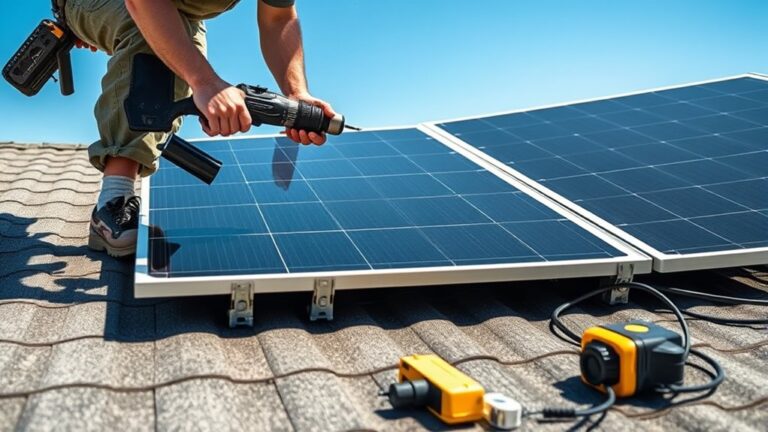
Before you invest in a solar system, you should understand the installation process and what maintenance it requires. Installation typically takes one to three days, depending on your roof size and system complexity.
A certified installer will assess your roof’s condition, angle, and shading before mounting the panels securely. You’ll also need permits and inspections, which your installer usually handles.
Once installed, solar panels require minimal maintenance. Cleaning them a couple of times a year to remove dust and debris ensures peak performance.
You should also periodically check for damage after storms and keep an eye on your system’s output through monitoring apps. Staying proactive helps your panels last 25 years or more, maximizing your investment.
Is Solar Worth It for Your Texas Home or Business?
You’ll want to take into account Texas solar incentives that can lower your upfront costs and boost your savings. Over time, solar panels can considerably cut your energy bills, making them a smart investment for both homes and businesses.
Let’s explore how these factors come together to make solar worth it for you.
Texas Solar Incentives
Although installing a solar system requires an upfront investment, Texas offers several incentives that can considerably reduce your costs and improve your return. By taking advantage of these, you make solar more affordable and appealing.
Here are four key Texas solar incentives to evaluate:
- Federal Solar Tax Credit – You can claim 30% of your system cost as a federal tax credit, lowering your tax bill.
- Net Metering – Many Texas utilities allow you to sell excess power back to the grid, offsetting your energy costs.
- Local Rebates and Grants – Some cities and utilities offer cash rebates or grants to encourage solar adoption.
- Property Tax Exemption – Your solar installation won’t increase your property taxes, protecting your home value.
These incentives help make solar a smart investment for Texas homeowners and businesses. It’s definitely worth looking into!
Long-Term Energy Savings
How much can you really save with solar energy in Texas? Over time, solar panels can considerably reduce your electricity bills by generating free power from the sun. Texas’ abundant sunshine means your system will produce plenty of energy, cutting your reliance on the grid.
While upfront costs may seem high, your savings accumulate year after year. Often, they pay off your investment within 7 to 10 years. Once your system’s paid off, you’ll enjoy near-zero energy costs, protecting you from rising utility rates.
Plus, solar increases your property value, adding long-term financial benefits. If you plan to stay in your home or business for several years, solar energy isn’t just worth it—it’s a smart financial choice that pays off well into the future.
Frequently Asked Questions
How Do Solar Panels Affect Texas Home Insurance Policies?
You’ll find solar panels can raise your Texas home insurance premiums slightly, but they also add value and protection.
Just let your insurer know about the installation to guarantee proper coverage and avoid claim issues later.
Can Solar Panels Increase My Texas Property Value?
You’ll kill two birds with one stone—solar panels can boost your Texas property value by making your home more energy-efficient and appealing to buyers.
They often increase resale value, saving you money and attracting eco-conscious buyers.
Plus, who doesn’t want a home that’s both wallet-friendly and good for the planet?
What Is the Lifespan of Solar Panels in Texas Weather?
You can expect solar panels to last about 25 to 30 years in Texas. They’re built to handle heat and storms, but regular maintenance will help you keep them efficient throughout their lifespan.
It’s a good idea to check on them now and then. That way, you can catch any issues early and make sure they keep working well for a long time.
Are There Any Solar Panel Recycling Programs in Texas?
Sure, you can just toss old solar panels in the trash—kidding! Texas has solar recycling programs like PV CYCLE and local initiatives.
You’ll find options to responsibly recycle and avoid turning Texas into a solar panel junkyard.
How Do Solar Panels Perform During Texas Hurricanes?
Solar panels in Texas can withstand hurricanes if properly installed with strong mounting systems. You’ll want impact-resistant panels and professional installation to minimize damage.
This helps guarantee your system keeps performing during and after storms. It’s all about making sure everything is secure and up to code.
Conclusion
With over 250 sunny days a year, Texas offers incredible potential for solar energy savings. By investing in solar panels, you can cut your electricity bills considerably while enjoying available state incentives.
Plus, with financing options that make upfront costs manageable, going solar is more accessible than ever. Whether for your home or business, solar in Texas isn’t just environmentally smart—it’s financially smart, too.
Now’s the perfect time to harness the sun and start saving. If you’re wondering, “Is solar worth it in Texas?” the answer is a clear yes. The combination of abundant sunshine, state incentives, and affordable financing means you can reduce energy costs and increase your property value. Solar energy in Texas provides long-term savings and a positive environmental impact, making it a smart investment for anyone looking to save money and support clean energy.