Author: Admin

  • 7 Reasons My Solar Panels Are Worth It in Washington State

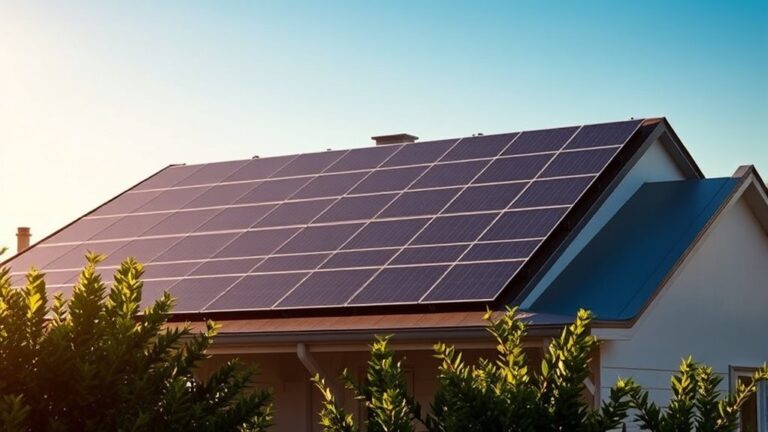
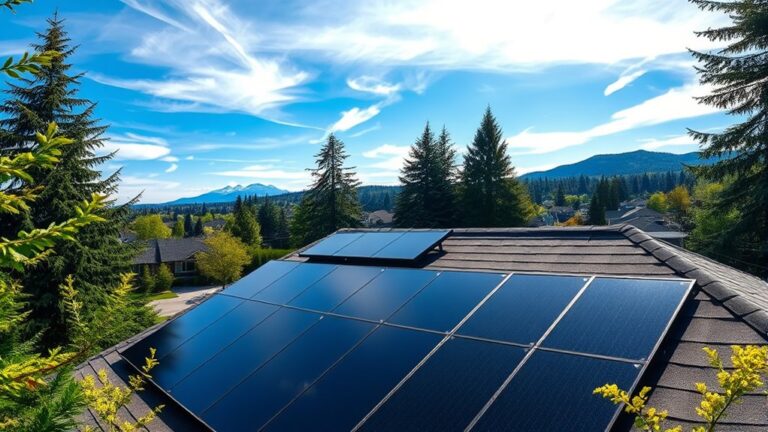
    You’ll save up to 75% on energy bills by generating your own power, even on Washington’s cloudy days. That’s thanks to advancements that capture diffused sunlight.

    Solar incentives and tax credits make installation affordable, and your home’s value goes up with the addition.

    You’ll reduce reliance on the grid and support green energy, which helps cut your carbon footprint. Solar panels offer energy independence and long-term savings.

    Explore how these benefits make solar a smart choice for you.
  • Are Solar Panels Worth It in Missouri?

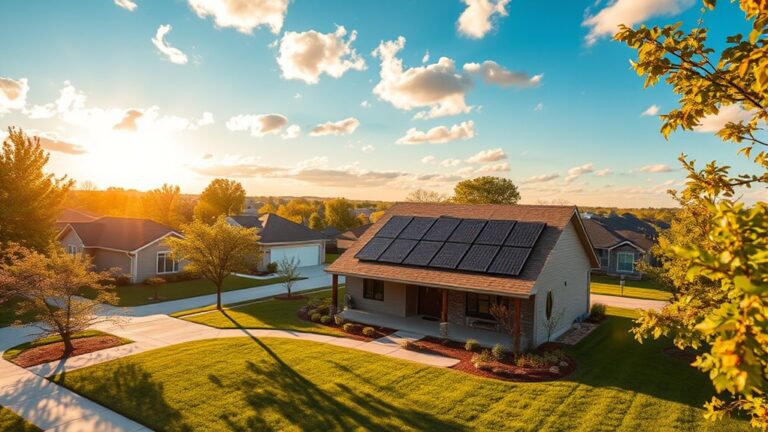
    Solar panels are worth it in Missouri because you’ll save on energy bills by generating your own electricity, especially with 4 to 5 peak sun hours daily. You can take advantage of federal and state tax credits, rebates, and net metering to lower costs further.

    Sure, seasonal weather and storms might affect performance a bit, but modern technology and local policies really help keep things efficient.

    If you want to understand all the benefits and challenges, there’s definitely more to explore. It’s worth digging into the details before making a decision!

  • Why Do Solar Lights Fog Up Inside?

    Solar lights fog up inside because moisture sneaks in through tiny gaps or imperfect seals. Changes in temperature cause this trapped moisture to condense, especially in humid or rainy conditions.

    If the design lacks proper ventilation or uses non-breathable materials, the moisture can’t escape, making fogging worse. Sealing cracks and improving airflow can help prevent this issue.

    Keep exploring to discover easy fixes and how weather affects your solar lights’ performance.

  • When Does the Tax Credit for Solar Expire?

    You can claim the federal solar tax credit at 30% of your installation costs through the end of 2032. Starting in 2033, the credit drops to 26%, then 22% in 2034. It expires after that unless Congress renews it.

    Acting now helps you lock in savings and avoid higher costs later. If you want to learn how this impacts your solar project and tax filing, there’s more useful information ahead.

  • 5 Reasons I Should Lock My Solar Panels in California

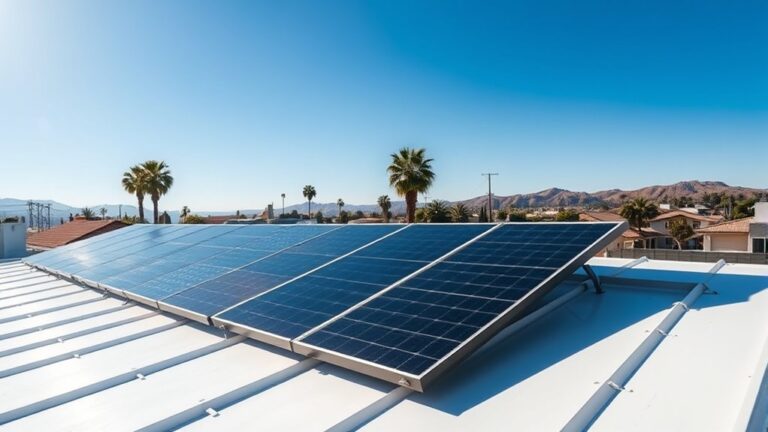
    You should lock your solar panels in California to protect them from theft and vandalism. It creates a tough barrier that stops quick removal.

    Locking also keeps panels secure during storms, preventing wind or water damage. Plus, it lowers your liability risk by avoiding falling debris or loose wiring hazards.

    Having locks can simplify insurance claims and might even reduce your costs. Keep exploring to understand how easy locking options make all this possible.

  • 10 Reasons I Should Lock My Solar Control Panel in California

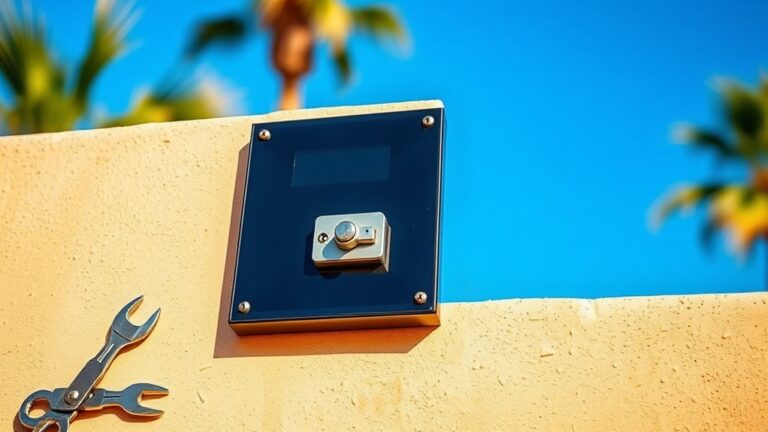
    You should lock your solar control panel in California to prevent theft, tampering, and accidental damage that can disrupt your system and void warranties. Locking stops unauthorized access, keeping your energy monitoring accurate and your equipment safe from electrical hazards.

    It also helps you meet safety codes and avoid costly repairs caused by vandalism or environmental harm. Securing your panel protects your investment and boosts home security.

    Discover how locking your panel benefits your solar system long-term. It’s a simple step that can save you a lot of trouble down the road.

  • 5 Tips to Determine If My Roof Is Good for Solar

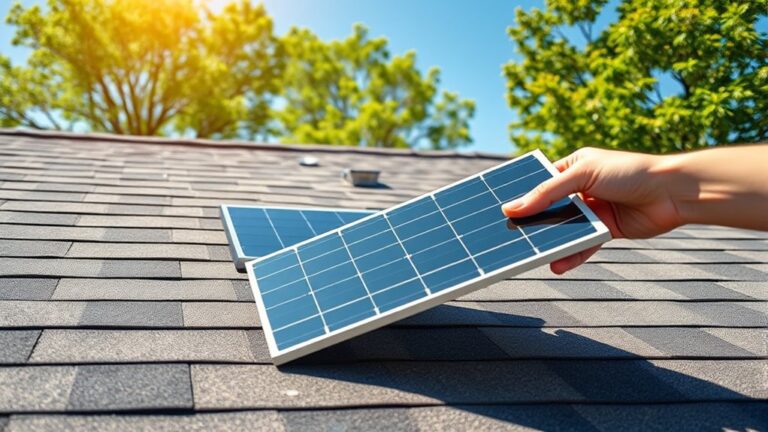
    To know if your roof is good for solar, first check its age and condition—older or damaged roofs might need repairs. Measure your roof’s usable space, avoiding shaded or obstructed areas.

    Make sure your roof faces south or has a favorable tilt for sunlight. Spot any shade from trees or chimneys, as it cuts efficiency.

    Finally, confirm your roof’s materials work well with panels. Keep exploring these factors to guarantee a smooth solar setup and lasting energy savings.

  • How to Wire Solar Panels in Series in 5 Simple Steps

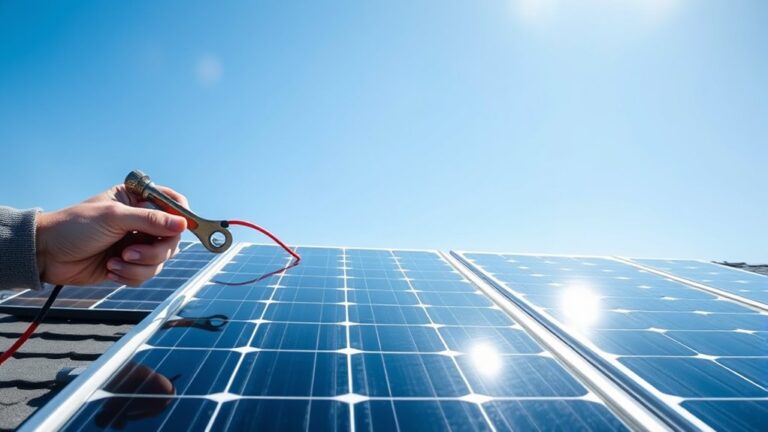
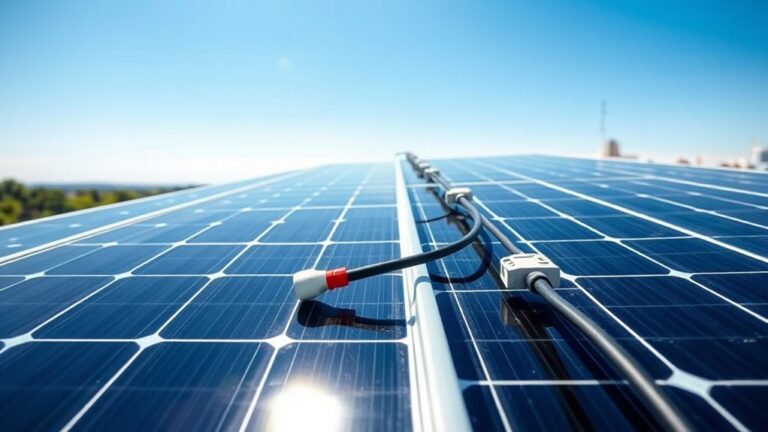
    To wire solar panels in series, first gather your tools and safety gear, including a multimeter and insulated gloves. Next, identify each panel’s positive and negative terminals, usually marked red and black.

    Connect the positive terminal of one panel to the negative terminal of the next, repeating this for all panels. Then link the free positive and negative terminals to your charge controller or inverter.

    Finally, check all connections for security and voltage continuity to guarantee efficiency. Keep exploring to master every detail for a safe, efficient setup.

  • 7 Steps to Wire Solar Panels in Parallel Correctly

    To wire solar panels in parallel correctly, first understand that you keep voltage steady while increasing current. Check each panel’s voltage and current ratings to guarantee compatibility.

    Choose panels with matching specs, then gather insulated tools and safety gear. It’s important to have the right equipment before you start.

    Connect all positive terminals together, and do the same with all negative terminals using proper connectors. Make sure everything is tight and secure.

    Test continuity and secure connections before final installation. Following these steps sets you up for a reliable system—keep going to uncover the full process.

  • How Can I Sell Solar Panels in 7 Easy Steps?

    You can sell solar panels in 7 easy steps by first understanding how they work and their key benefits.

    Next, identify your ideal customers—those with high bills, good roofs, or eco-friendly values.

    Craft clear, tailored sales pitches and choose effective outreach channels like social media or partnerships.

    Offer competitive pricing with flexible financing, handle objections confidently, and close the sale while supporting your customers.

    Keep going to discover specific tactics that boost your success.