Blog

  • How Apartment People Can Get IRS Solar Tax Relief

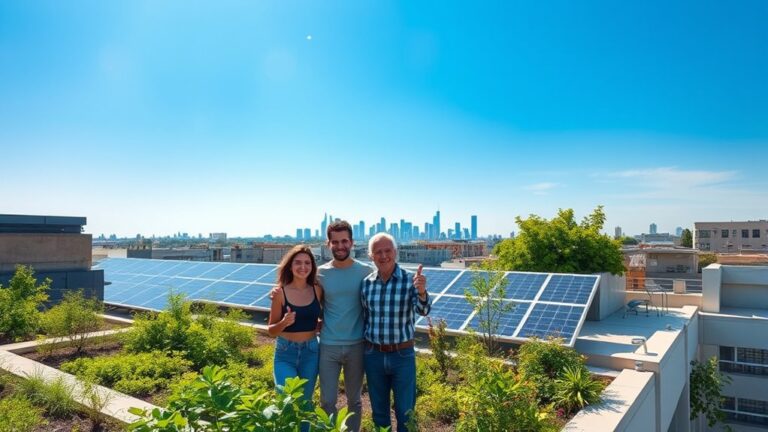
    If you live in an apartment, you can still qualify for IRS solar tax credits by partnering with your landlord to install solar panels.

    Or, you can join community solar projects and shared solar systems where you own a portion of the energy produced. These options let you benefit without installing panels yourself.

    Solar subscriptions also help you save on energy costs. Keep exploring to find out how to maximize your solar savings and make the most of these opportunities.

  • Are Solar Panels Worth It in Ohio?

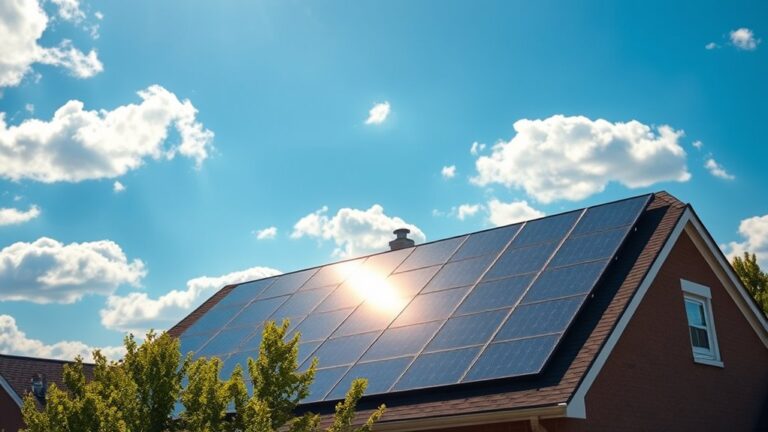
    You can definitely save money and shrink your carbon footprint by installing solar panels in Ohio. While the state’s seasonal sunlight varies, panels still produce power year-round.

    Federal tax credits and local incentives help lower upfront costs. Ohio’s electricity rates and net metering also boost your long-term savings.

    With efficient panel options and proper roof placement, solar pays off over time. If you want to understand costs, climate effects, and incentives in detail, keep exploring.

  • 3 Reasons Solar Panels Are Worth It in My State Kansas

    You’ll love harnessing Kansas’s abundant sunshine, which keeps your solar panels productive year-round and resilient through all seasons. Installing solar panels cuts your energy bills by generating free power, plus you can earn credits with net metering as energy prices rise.

    On top of that, solar systems boost your home’s value and appeal, making your property stand out in the market. Keep exploring to discover how these benefits can work for you.

  • What Is a Solar Module?

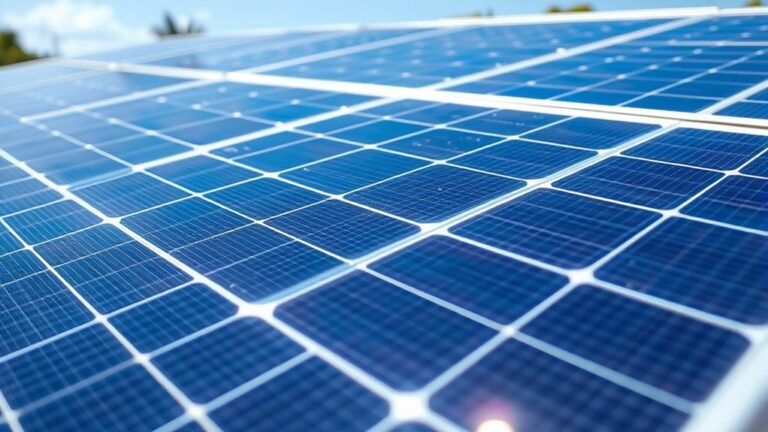
    A solar module is a device that converts sunlight into clean electricity by linking multiple solar cells made from silicon semiconductors. When sunlight hits these cells, it excites electrons, creating a direct current (DC) of power you can use.

    Solar modules come in different types like monocrystalline and polycrystalline, each with unique benefits. They’re installed on rooftops or open areas and require basic upkeep.

    Keep exploring to understand how they work inside and how they fit into your home energy system. It’s pretty cool stuff!

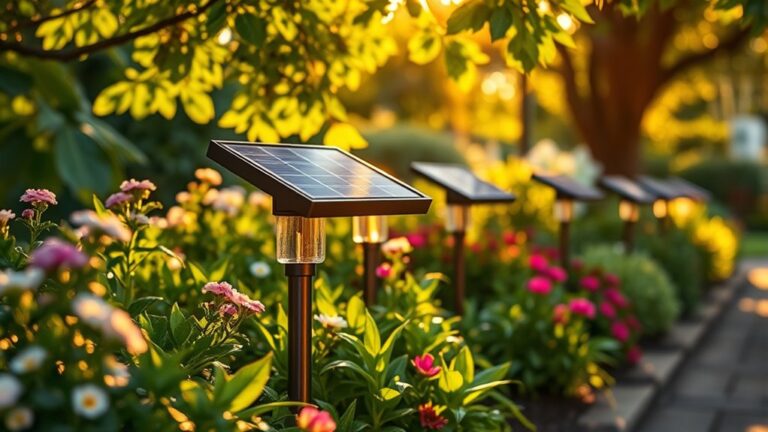
  • How to Charge Solar Lights Without Sun Step by Step

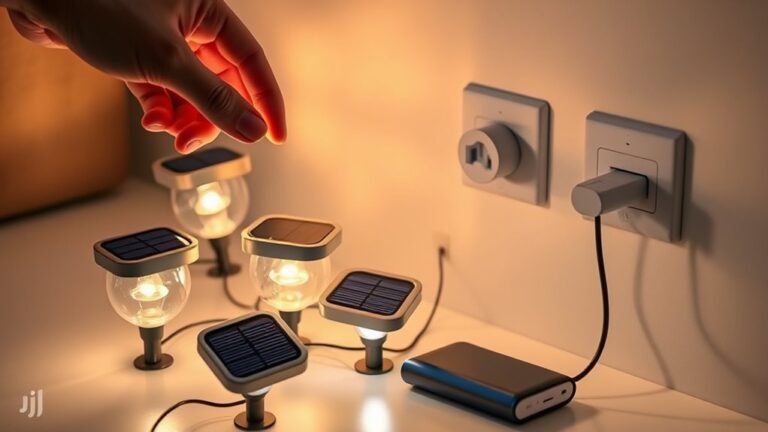
    You can charge solar lights without sun by connecting them to a USB or wall charger through their charging port. Alternatively, use a compatible power bank or batteries, ensuring proper voltage and safe connections.

    You can also place the solar panel under strong artificial lights like LEDs or fluorescents for several hours. Remember to keep sensors clean and check wiring for issues to maintain efficiency.

    Keep exploring to discover helpful tips for maintaining and troubleshooting your solar lights. It’s all about finding what works best for your setup!

  • How Much Electricity Does a Solar Panel Generate?

    A typical 300-watt solar panel generates about 1.2 to 1.6 kilowatt-hours of electricity daily under ideal conditions. Your panel’s output depends on sunlight intensity, temperature, shading, and how well it’s angled.

    Larger or more efficient panels can boost production, while your location affects available sunlight hours. By considering these factors, you can estimate your yearly energy output and see how much you’ll save on bills and reduce your carbon footprint.

    Exploring these aspects can help you maximize your solar setup. It’s all about understanding the details to get the most from your investment.

  • How to Maximize How Long Solar Batteries Last

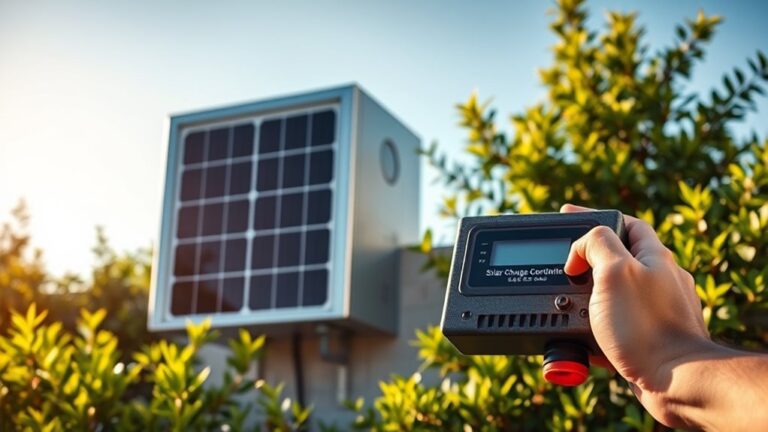
    To maximize your solar batteries’ lifespan, charge them fully using a quality controller and avoid overcharging or deep discharges beyond 50%. Keep an eye on heat buildup and physical signs like swelling.

    Also, maintain a stable temperature between 59°F and 77°F to prevent damage. Regularly monitor their capacity and performance to catch early issues.

    Choosing high-quality batteries and doing timely replacements will keep your system reliable. There’s more to learn about optimizing and protecting your solar energy investment.

  • How Do Solar Lights Need Direct Sunlight to Maximize Performance?

    You need to give your solar lights at least 6 to 8 hours of direct sunlight daily to guarantee they fully charge and shine brightly all night. Direct sunlight boosts the solar panel’s efficiency, keeping batteries well-powered and your lights bright and long-lasting.

    Without enough sun, expect dimmer lights and shorter runtimes, especially in shady or cloudy conditions. Keep exploring to find tips on the best placement and upgrading your solar lighting for top performance.

  • How Much Energy Can a Solar Panel Produce?

    You can expect a typical solar panel to produce between 250 and 400 watts of power under ideal sunlight conditions. This means daily energy output depends on your location, panel size, and weather.

    Factors like panel orientation, tilt, shading, and temperature can influence how much electricity you actually get. By understanding these elements and calculating your panel’s daily and yearly output, you’ll be able to optimize its performance and get the most from your solar investment.

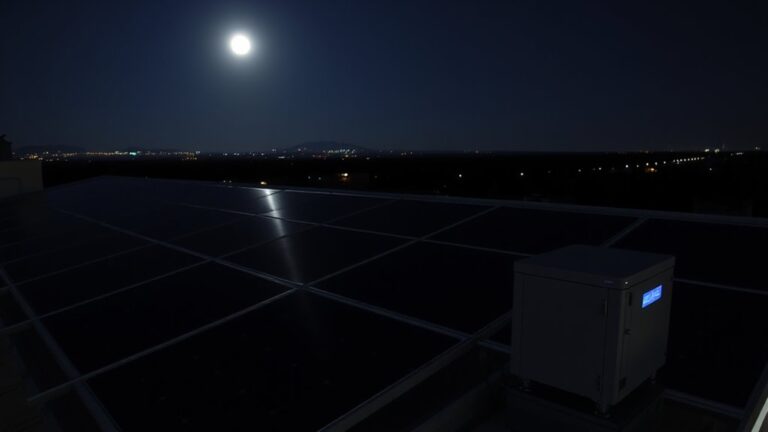
  • How Do Solar Panels Work at Night?

    You won’t get power from solar panels at night because they need sunlight to generate electricity by exciting electrons. Without sunlight, no current flows through the panels.

    Instead, your home relies on batteries charged during the day or backup from the grid to stay powered after dark. Hybrid systems can combine these options for continuous energy.

    If you want to understand how to keep your power flowing 24/7 and choose the right setup, keep exploring the details ahead.