
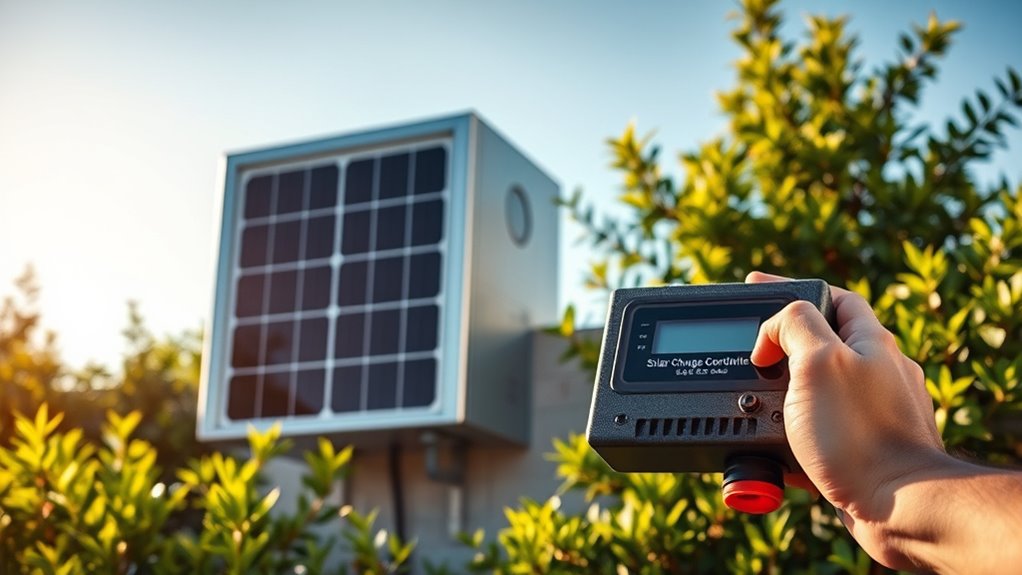
How to Maximize How Long Solar Batteries Last
To maximize your solar batteries’ lifespan, it’s important to charge them fully using a quality controller.
Avoid overcharging or deep discharges beyond 50%, as these can seriously shorten battery life.
Keep an eye on heat buildup and physical signs like swelling.
Maintaining a stable temperature between 59°F and 77°F helps prevent damage and keeps your batteries performing well.
Regularly monitoring their capacity and performance allows you to catch early issues before they become costly problems.
Choosing high-quality batteries from the start and doing timely replacements will keep your solar energy system reliable and efficient.
There’s always more to learn about optimizing and protecting your solar energy investment, so stay curious and proactive!
Key Takeaways
– Maintain proper charging by avoiding overcharging and discharging batteries beyond 50% depth to reduce strain and extend lifespan.
It’s a simple habit that can make a big difference over time.
– Monitor battery health regularly for signs of capacity decline, overheating, swelling, or corrosion to address issues early.
Catching problems early means you can fix them before they get worse.
– Store and operate batteries within optimal temperature ranges (59°F–77°F) to prevent accelerated degradation from heat or cold.
Keeping them comfy helps them last longer.
– Use high-quality batteries with strong warranties, temperature tolerance, and proven durability for longer cycle life.
Investing in good batteries saves money in the long run.
– Implement preventive maintenance and timely replacements based on performance data to ensure consistent energy supply and system reliability.
Staying on top of upkeep keeps everything running smoothly.
How Solar Batteries Work and Why Lifespan Matters
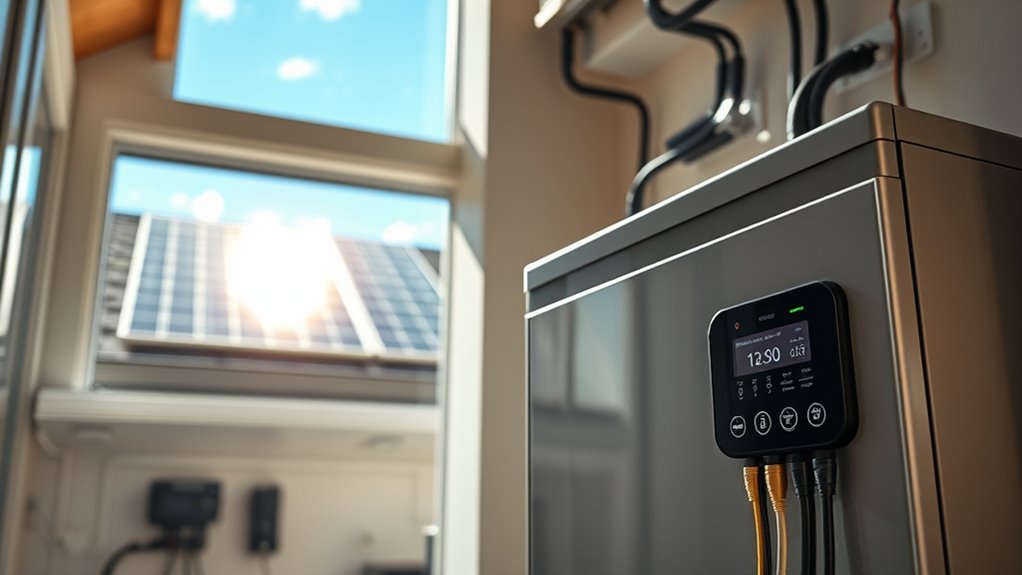
Although solar batteries might seem complex, understanding how they work is key to making the most of your system. These batteries store energy generated by your solar panels, letting you use power even when the sun isn’t shining.
Think of them as your system’s energy reservoir, charging during the day and discharging at night or during outages.
The lifespan of your solar battery matters because it directly affects your investment and system reliability. Over time, batteries degrade and hold less charge, which means you’ll get less backup power and might need costly replacements sooner.
Knowing how your battery functions helps you appreciate why maintaining its health is essential. This way, you ensure consistent energy and maximize your savings over the years.
How to Properly Charge and Discharge Your Solar Batteries
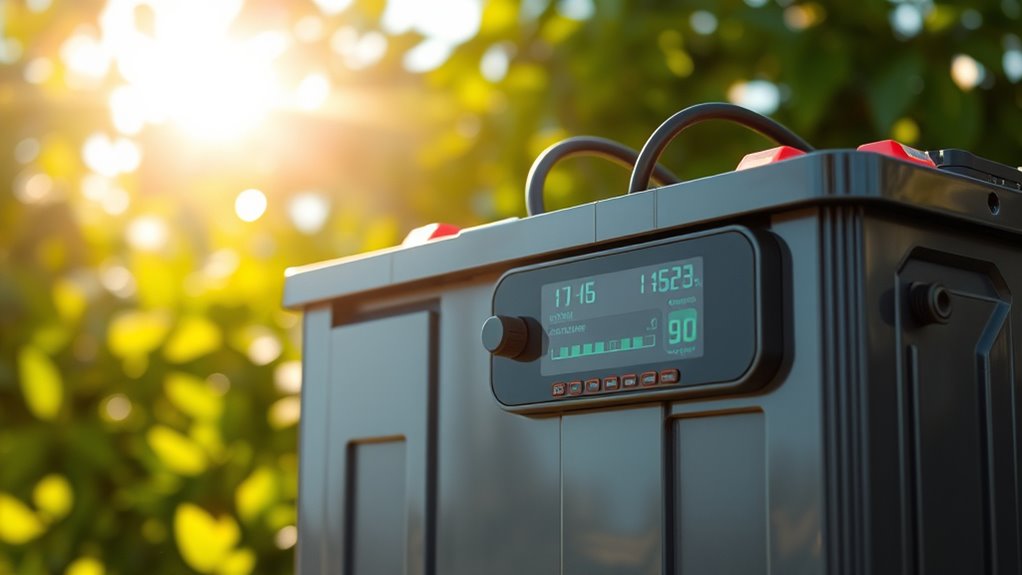
Understanding how to properly charge and discharge your solar batteries plays a big role in extending their lifespan and maintaining reliable energy storage.
To keep your batteries in top shape, follow these steps:
- Charge your batteries fully but avoid overcharging by using a quality charge controller.
- Discharge batteries only to a safe depth—typically no more than 50%—to prevent strain.
- Maintain a consistent charging schedule, especially during low sunlight periods.
- Avoid rapid charging or discharging, as it can generate excess heat and reduce battery health.
How Temperature and Environment Affect Solar Battery Health
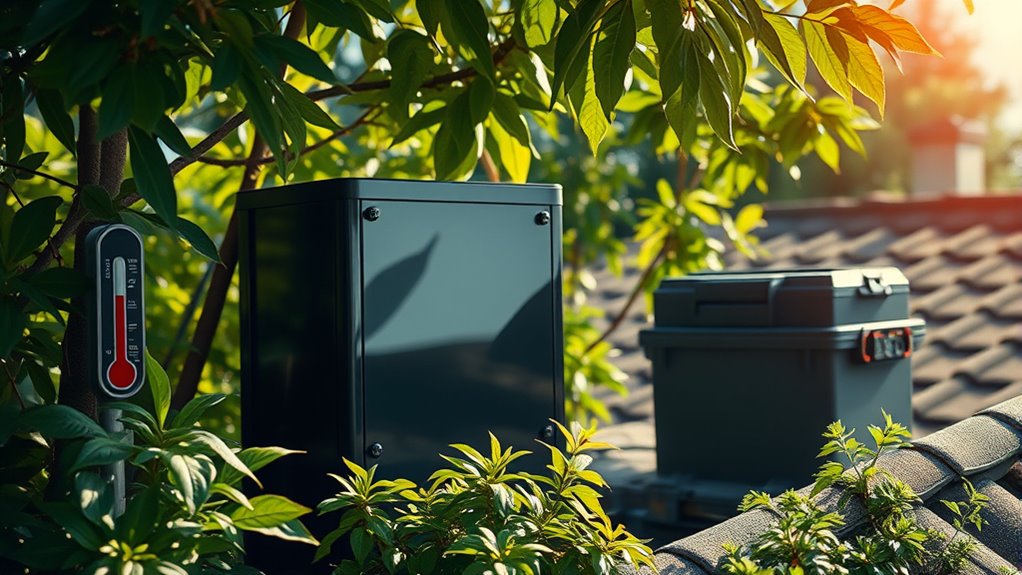
Because temperature and environmental conditions directly impact your solar battery’s performance, managing them properly is crucial to extending battery life. Extreme heat accelerates chemical reactions inside the battery, causing faster degradation and reducing capacity.
On the other hand, very cold temperatures can slow down the battery’s ability to charge and discharge efficiently, temporarily limiting performance. You should keep your battery in a stable, moderate environment—ideally between 59°F and 77°F (15°C to 25°C).
Avoid placing batteries in direct sunlight or damp areas, as moisture can promote corrosion and damage electrical components. Proper ventilation also helps prevent overheating.
How Regular Maintenance Boosts Solar Battery Longevity
You can extend your solar battery’s life by regularly cleaning the battery terminals to prevent corrosion. Keep a close eye on charge levels to avoid overcharging or deep discharges.
Also, inspect the battery for any signs of damage to catch issues early before they worsen. Taking these small steps really makes a difference in the long run.
Cleaning Battery Terminals
Regularly cleaning your solar battery terminals prevents corrosion buildup that can hinder performance and shorten battery life. Neglecting this simple task can lead to poor electrical connections and reduced efficiency.
To keep your terminals in top shape, follow these steps:
- Disconnect the battery terminals, starting with the negative cable to avoid short circuits.
- Inspect terminals for corrosion, which appears as a white or bluish powder.
- Clean terminals using a mixture of baking soda and water with a stiff brush, removing all corrosion.
- Dry thoroughly and apply a thin layer of petroleum jelly or terminal protector to prevent future buildup.
It’s pretty straightforward, but doing this regularly can really make a difference. Plus, it helps you avoid bigger problems down the road!
Monitoring Charge Levels
How often should you check your solar battery’s charge levels? Ideally, you should monitor them daily or at least several times a week. Keeping a close eye on charge levels helps you avoid deep discharges, which can severely shorten battery life.
Use a reliable charge controller or a battery monitor to track voltage and state of charge accurately. When you notice consistently low or high charge levels, adjust your energy consumption or charging setup promptly.
Regularly monitoring charge levels lets you catch inefficiencies early, ensuring your battery operates within its most effective range. By staying proactive, you prevent overcharging or excessive depletion, both of which reduce longevity.
Taking this simple step as part of your routine maintenance greatly extends your solar battery’s lifespan. It’s a small effort that pays off big in the long run. So, keep an eye on those charge levels!
Inspecting for Damage
Keeping a close watch on charge levels is just one part of maintaining your solar battery’s health. You also need to assess for damage regularly to catch issues early and extend its lifespan.
Here’s how to do it:
- Check for physical damage: Look for cracks, swelling, or leaks on the battery casing.
- Inspect terminals: Make sure terminals are clean, tight, and free from corrosion.
- Examine wiring: Check that wires are intact, properly connected, and don’t show signs of wear or fraying.
- Monitor for unusual smells or heat: If you notice any burning smell or excessive heat, that’s a sign something needs immediate attention.
Choosing Quality Solar Batteries for Longer Life
Why does choosing a high-quality solar battery make such a difference in your system’s lifespan? Well, high-quality batteries offer better durability, higher capacity retention, and more efficient charging cycles.
They also handle temperature changes and discharge rates better. That means you get more consistent power and a longer life for your system.
Don’t just pick the cheapest option. Instead, invest in batteries with proven technology and strong warranties.
Here’s a quick comparison to help you decide:
| Feature | High-Quality Battery |
|---|---|
| Cycle Life | 3000+ cycles |
| Warranty | 8-10 years |
| Depth of Discharge | 80-90% |
| Temperature Range | -20°C to 50°C |
| Maintenance | Low |
Choosing well guarantees your system stays reliable and lasts longer. It’s definitely worth the investment!
How to Monitor Battery Health and When to Replace
You should regularly check your battery’s voltage levels to keep track of its health. Pay attention to any decline in capacity, as it can signal that your battery isn’t holding charge as well as before.
Knowing the key signs of when to replace your battery will help you avoid unexpected failures. It’s always better to be proactive than caught off guard!
Checking Battery Voltage Levels
How often do you check your solar battery’s voltage? Regular monitoring helps you catch issues early and extend battery life.
Here’s how to stay on top of it:
- Use a reliable voltmeter to measure your battery’s voltage regularly, ideally once a week. It’s a simple habit that pays off.
- Compare the readings to your battery’s nominal voltage. If you notice significant drops, that could mean trouble.
- Check the voltage both when the battery is fully charged and after some use. This way, you get a clear picture of how it’s performing.
- If the voltage consistently falls below the recommended levels, it’s a good idea to think about replacing the battery soon. Don’t wait until it fails completely!
Identifying Capacity Decline
When should you start worrying about your solar battery’s capacity decline? You need to monitor its performance regularly, especially after a year or two of use. Track how much energy it stores compared to when it was new.
If you notice it holds less charge or powers your devices for a shorter time, that’s a sign capacity is dropping. Use battery management systems or apps that provide real-time data on capacity and health.
Also, check for increased charging times or unusual heat during charging, which can indicate stress. By keeping an eye on these factors, you can catch capacity decline early, optimize usage, and plan for replacements before your system fails unexpectedly.
Regular monitoring helps you maintain efficiency and avoid surprises. So, don’t wait until your battery suddenly stops working—stay on top of it!
Signs Indicating Replacement Needed
Although solar batteries are designed to last for years, certain signs clearly indicate it’s time to contemplate a replacement. Monitoring your battery health helps you avoid unexpected failures and maintain energy reliability.
Here are four key signs to watch for:
- Significant Capacity Drop – If your battery holds noticeably less charge than when new, it’s a clear warning.
- Frequent Power Interruptions – Unexpected outages or reduced backup time suggest declining battery health.
- Swelling or Physical Damage – Any bulging or corrosion signals internal issues and safety risks.
- Longer Charging Times – When your battery takes much longer to recharge, its efficiency is fading.
Keep an eye out for these signs, and replace your battery promptly to keep your solar system running smoothly.
Frequently Asked Questions
Can Solar Batteries Be Recycled After They Die?
Yes, you can recycle solar batteries after they die. Make sure to take them to a proper recycling facility, so valuable materials get reused and harmful chemicals don’t pollute the environment.
You’re helping the planet this way! It’s a simple step that makes a big difference.
What Are the Environmental Impacts of Solar Battery Production?
Mining materials for solar batteries causes significant soil and water pollution. You’ll face energy-intensive manufacturing and waste challenges, but by choosing responsibly sourced batteries and recycling, you can help curb these environmental consequences considerably.
It’s not all bad news, though. By making smarter choices, like opting for batteries from ethical sources and recycling old ones, we can really make a difference. Small steps add up when it comes to protecting the environment!
How Do Solar Batteries Compare to Traditional Power Banks?
Solar batteries store energy from sunlight, unlike traditional power banks that rely on grid power. You’ll find solar batteries larger, more eco-friendly, and ideal for off-grid use.
Power banks, on the other hand, are compact and perfect for quick device charging. They’re super convenient when you need a fast power boost on the go.
Are There Government Incentives for Installing Solar Batteries?
Yes, you can find federal, state, and local incentives for installing solar batteries. You’ll save money, reduce costs, and boost efficiency.
Check programs like the Federal Investment Tax Credit and your state’s specific rebates or credits. These can really help make your investment more affordable.
Can Solar Batteries Power a Home During a Blackout?
Yes, your solar batteries can power your home during a blackout if you have a properly configured system with an inverter and backup capabilities. They store energy to keep essential appliances running when the grid goes down.
Conclusion
Want to get the most out of your solar batteries? By understanding how they work and charging them properly, you can greatly extend their lifespan. Protecting them from extreme temperatures and keeping up with regular maintenance also plays a big role.
Choosing high-quality batteries and regularly monitoring their health helps you avoid unexpected failures. Isn’t it worth putting in a little effort now to enjoy reliable, long-lasting solar power later?
Taking these steps ensures your investment pays off for years to come. When you maximize how long solar batteries last, you save money and reduce hassle. Plus, you get consistent, efficient energy storage that keeps your solar system running smoothly. So, a bit of care today means your solar batteries will deliver dependable power well into the future.