
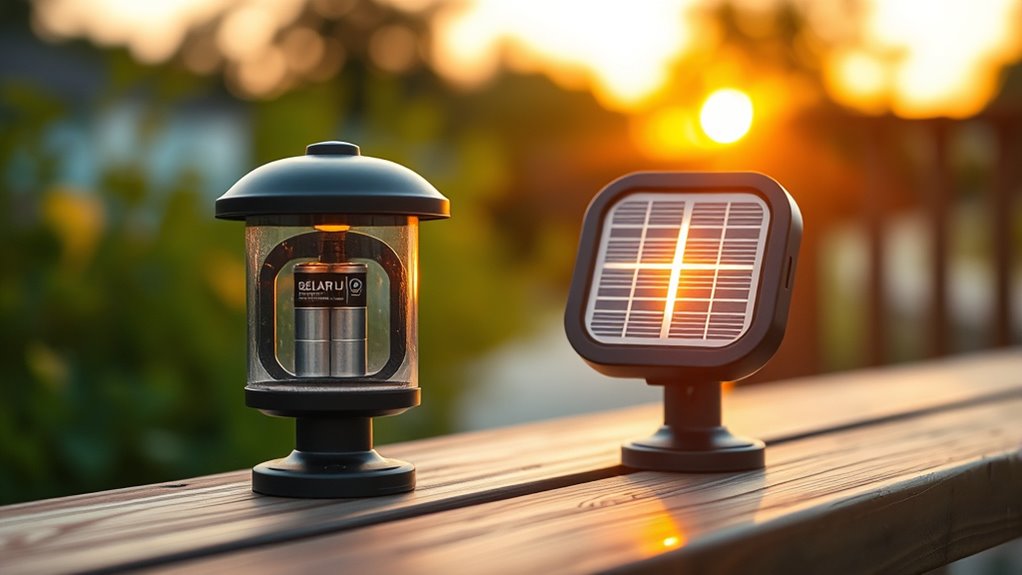
Do All Solar Lights Need Batteries?
You don’t always need batteries for solar lights, but most include rechargeable ones to store energy for nighttime use. Solar lights rely on capturing sunlight, so without batteries, they only work during the day and turn off after sunset.
Rechargeable batteries help your lights shine longer and perform consistently through many charge cycles. This means you get reliable lighting even when the sun goes down.
Some models use capacitors instead of batteries for brief illumination, which can be handy but usually doesn’t last as long.
If you want to find the best solar light for your needs, understanding the difference between batteries and capacitors will help guide your choice. It’s all about how long and how bright you want your lights to be after dark!
Key Takeaways
- Not all solar lights need batteries; some operate directly from solar panels only during daylight hours.
- Solar lights without batteries stop working after sunset because they don’t have stored energy.
- Batteries let solar lights keep shining all night long.
- Rechargeable batteries are usually used because they store energy efficiently and last a long time.
- Battery-free solar lights work well during the day but aren’t great if you need light at night.
Do Solar Lights Always Need Batteries?
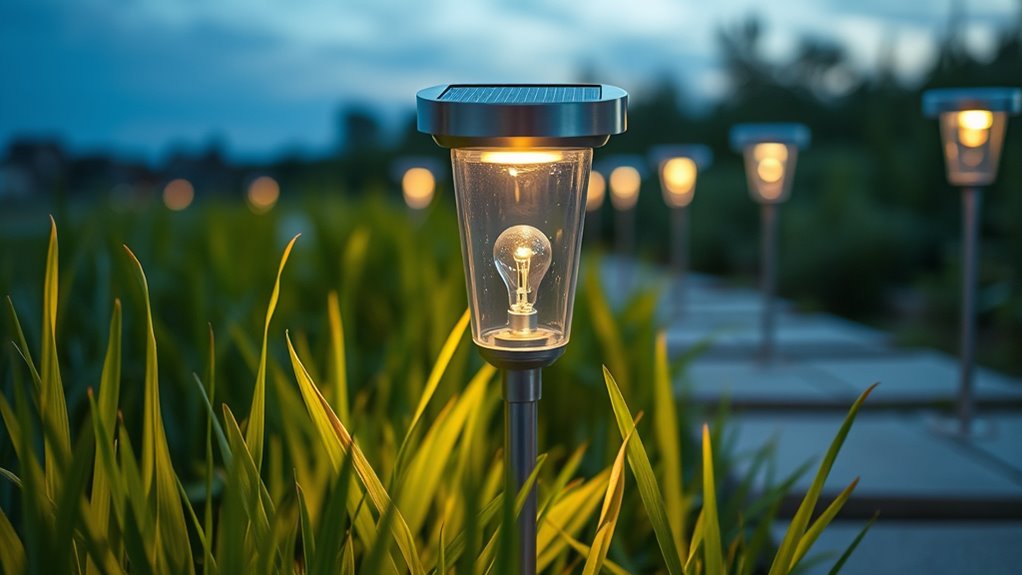
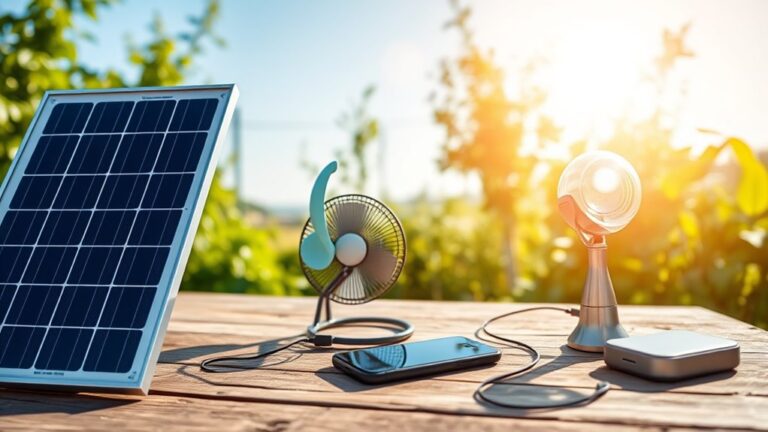
Although many solar lights include batteries to store energy, they don’t always need them to function. Some solar lights operate directly from the energy generated by their solar panels during daylight.
When the sun’s out, these lights convert sunlight into electricity and power the LEDs immediately without storing energy. However, once the sun sets, they stop working since there’s no stored power to draw from.
If you want continuous lighting through the night, you’ll typically need a battery to hold the excess solar energy. But if you only require light during sunny hours, a battery-free solar light can suffice.
Why Do Most Solar Lights Use Rechargeable Batteries?
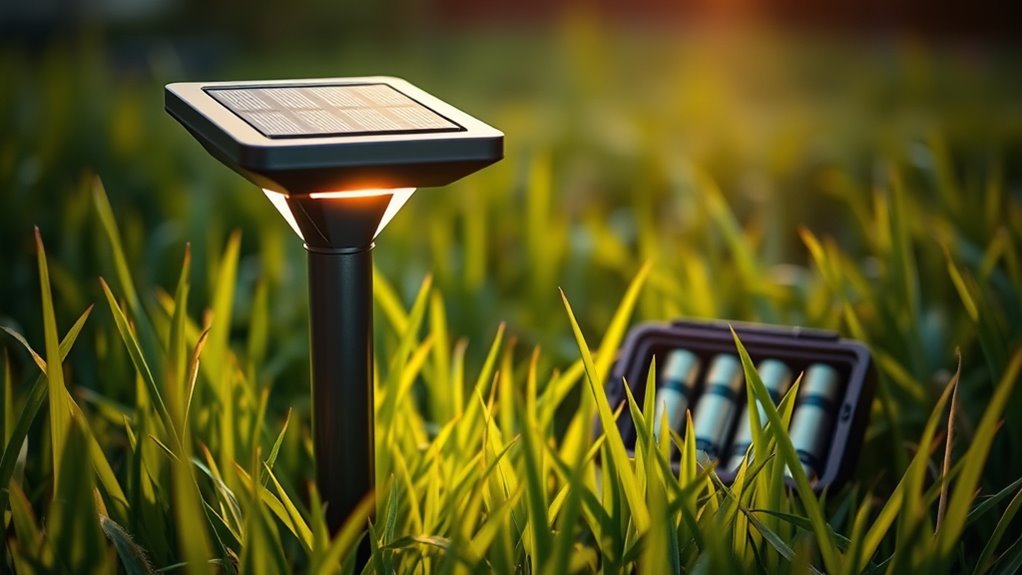
You rely on rechargeable batteries in solar lights because they efficiently store energy for use when the sun isn’t shining. These batteries are designed to last through many charge cycles, making them more durable than disposable options.
Understanding the types of batteries used helps you choose lights that balance performance and longevity. It’s all about getting the best bang for your buck while keeping your lights shining bright.
Energy Storage Importance
Because solar lights rely on capturing sunlight during the day, they need an efficient way to store that energy for use at night. Without reliable energy storage, your solar light would only work when the sun shines. That would make it pretty impractical for evening or cloudy conditions.
Rechargeable batteries serve this purpose perfectly. They hold the electrical energy generated by the solar panel and release it gradually when it gets dark. This guarantees your solar light stays on consistently, providing illumination when you need it most.
Using rechargeable batteries also helps maintain the lifespan and performance of your solar light. They can be recharged hundreds of times, which reduces waste and saves you money. So, energy storage is really vital for making solar lights practical and dependable.
Battery Types Used
Since solar lights depend on storing energy efficiently, they typically use rechargeable batteries designed to handle repeated charging cycles. You’ll mostly find nickel-metal hydride (NiMH) or lithium-ion (Li-ion) batteries in these lights because they recharge quickly and maintain capacity over many uses.
Unlike disposable batteries, rechargeable ones cut down waste and keep your solar light running longer without frequent replacements. NiMH batteries are affordable and environmentally friendly, but Li-ion batteries offer higher energy density. That means your light can stay bright for more hours.
You won’t usually see alkaline or non-rechargeable batteries in solar lights, as they can’t withstand the constant charging and discharging. Selecting the right rechargeable battery ensures your solar light works reliably every night.
Efficiency and Longevity
Although solar lights can technically use various power sources, rechargeable batteries deliver the best efficiency and longevity for daily use. You’ll find that these batteries store solar energy during the day and release it steadily at night, guaranteeing consistent light output.
Their ability to recharge hundreds of times means you won’t need frequent replacements, saving you money and hassle.
Rechargeable batteries also handle temperature fluctuations better, maintaining performance in different climates. Plus, they’re designed to work seamlessly with solar panels, maximizing energy conversion and storage.
Here’s why rechargeable batteries are the go-to choice:
- Provide reliable, consistent power over many cycles
- Offer longer lifespan compared to disposable batteries
- Support rapid charging from solar panels
- Maintain efficiency in varying weather conditions
Choosing rechargeable batteries ensures your solar lights shine bright for years.
What’s a Capacitor and How Does It Help Solar Lights?
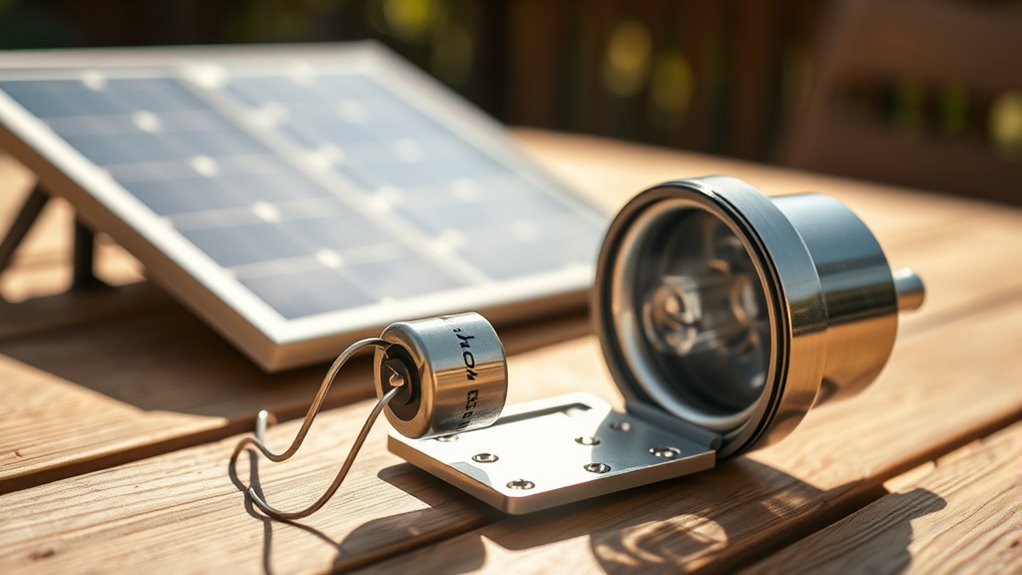
When you look inside some solar lights, you’ll find a small device called a capacitor that plays an essential role in their operation. A capacitor stores electrical energy temporarily, kind of like a tiny rechargeable battery, but it charges and discharges way faster.
During the day, the solar panel charges the capacitor using sunlight energy. Then, when it gets dark, the capacitor releases this stored energy to power the light. This quick charge-discharge cycle helps the light stay on for a short time after sunset.
Capacitors are especially handy in solar lights designed for brief illumination or where people want to minimize battery use. They boost reliability by smoothing out power supply fluctuations, making sure your solar light works smoothly without depending only on traditional batteries.
Do Daylight-Only Solar Lights Need Batteries?
If your solar lights only operate during daylight, you might wonder if they really need batteries. These lights often rely on direct solar power instead of stored energy, which means batteries aren’t always necessary.
Let’s look at how these systems work and what alternatives to batteries you can find. It’s pretty interesting to see how they manage without traditional power storage.
Battery Role In Daylight Lights
Since daylight-only solar lights operate exclusively during the day, they don’t rely on batteries to store energy for nighttime use. Instead, these lights convert sunlight directly into electricity, powering the light instantly.
This means you don’t have to worry about battery maintenance or replacement. The absence of batteries also makes these lights lighter, simpler, and often more affordable.
However, the role of batteries in solar lighting is vital when you want illumination after sunset.
Here’s what you should know about batteries in daylight solar lights:
- They aren’t necessary for immediate daytime illumination
- They reduce overall system complexity
- They eliminate concerns about battery lifespan or disposal
- They limit functionality to daytime only
Alternatives To Battery Power
How do daylight-only solar lights operate without batteries? These lights rely on direct sunlight to power their LEDs during the day, eliminating the need for energy storage.
Instead of storing power, they convert sunlight instantly into light, which means no batteries are necessary. You’ll find some models use supercapacitors, which charge quickly and discharge energy efficiently but don’t store energy as long as batteries do.
Others depend solely on solar panels connected directly to LED circuits, lighting up only when the sun shines. This approach cuts maintenance and environmental concerns linked to batteries.
Pros and Cons of Battery vs. Non-Battery Solar Lights
While solar lights come in both battery and non-battery options, choosing the right type depends on your specific needs and setup. Battery-powered solar lights store energy, letting you enjoy illumination even on cloudy days or at night.
Non-battery lights rely on direct sunlight, so they only work during daylight hours or in well-lit areas. Each has its strengths and drawbacks.
Consider these points:
- Battery solar lights offer consistent lighting but require occasional battery replacement.
- Non-battery lights are low maintenance but don’t provide light without direct sun.
- Batteries can add weight and cost to the solar light system.
- Non-battery lights are simpler, often more affordable, but limited in use.
Weigh these factors to decide what fits your environment best. It’s all about what works for you!
How to Pick the Best Solar Light for Your Energy Needs
Choosing the best solar light for your energy needs starts with understanding where and how you’ll use it. Consider the light’s location, brightness, and battery capacity.
For example, pathway lights need moderate brightness and reliable batteries, while security lights require high brightness and longer battery life. Also, think about weather resistance and installation ease.
| Use Case | Brightness Level | Battery Requirement |
|---|---|---|
| Pathway Lighting | Medium | Moderate capacity |
| Garden Accent | Low | Small capacity |
| Security | High | Large capacity |
| Patio/Deck | Medium to High | Moderate to large |
| Remote Areas | Variable | Long-lasting or none |
Match these factors to your needs for ideal performance and energy efficiency. It’s all about picking what fits your space and lifestyle best.
Frequently Asked Questions
How Long Do Solar Light Batteries Typically Last?
You can expect solar light batteries to last about 1 to 2 years, depending on usage and quality.
When they start dimming or won’t hold a charge, it’s usually time to replace them for peak performance.
It’s pretty simple—swapping out old batteries keeps your solar lights shining bright.
Can Solar Lights Work During Cloudy Weather?
Yes, solar lights can work during cloudy weather, but they won’t be as bright or last as long.
They rely on stored energy, so cloudy days reduce charging but don’t completely stop the lights from functioning.
It’s kind of like how your phone battery drains slower in low power mode—it still works, just not at full strength.
Are Solar Light Batteries Environmentally Friendly?
You’ll find solar light batteries are somewhat eco-friendly since they store renewable energy, but they still contain chemicals that need proper recycling.
Using rechargeable batteries helps reduce waste and environmental impact over time. It’s a smarter choice if you want to be kinder to the planet.
How Do I Dispose of Old Solar Light Batteries?
You should take old solar light batteries to a local recycling center or hazardous waste facility. Don’t throw them in the trash, as they contain harmful chemicals.
It’s important to check for specific disposal guidelines in your area to stay safe. That way, you’re making sure you’re doing things the right way!
Can I Replace the Battery in My Solar Light Myself?
Yes, you can replace the battery in your solar light yourself. Just make sure to get the right type and follow the instructions carefully.
Also, handle the components gently to avoid any damage or safety issues during the replacement. It’s pretty straightforward once you know what to do!
Conclusion
You don’t always need batteries for solar lights, but they often make your life easier by storing energy for nighttime use. Think of batteries as your solar light’s trusty pocket watch, keeping time and power even when the sun’s gone down.
Capacitors offer a modern twist, while daylight-only lights skip batteries altogether. So, choose what fits your energy needs best—whether it’s classic battery power or a sleek, battery-free option that suits your space and style.
In the end, not all solar lights need batteries, but having one usually means more reliable lighting after dark. Batteries help store energy efficiently, making sure your solar lights stay bright all night long. On the other hand, if you prefer low-maintenance or short-term lighting, battery-free solar lights or capacitor-based models might be perfect. It really depends on your specific needs, whether you want long-lasting illumination or something simple and eco-friendly. So, when picking solar lights, think about how you’ll use them and choose between battery-powered or battery-free options to match your lifestyle and space perfectly.



One Comment