Day: September 3, 2026

  • Does Solar Work in Winter: How to Maximize Efficiency

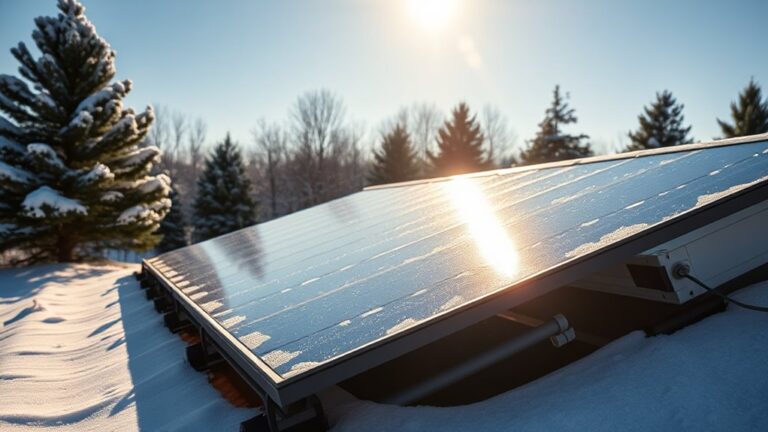
    Yes, solar panels do work in winter, and cold weather can actually boost their efficiency by reducing electrical resistance.

    Though shorter days and snow coverage lower your total energy output, you can maximize power by adjusting your panel’s tilt, clearing snow gently, and removing nearby shading. Regular maintenance helps too.

    By managing these factors, you’ll keep your system performing well even in colder months. Keep exploring to discover more tips and how seasonal changes affect your solar power.


  • How Do You Put Solar Panels on a Metal Roof?

    To install solar panels on your metal roof, start by choosing a mounting system like clamp mounts that attach securely without drilling into the roof, preserving its integrity.

    Locate rafters and use metal-specific brackets with sealant to prevent leaks. Attach rails, then secure panels with clamps or bolts.

    This method takes advantage of your roof’s durability and reflective surface, keeping your home cooler.

    If you want to explore installation details and maintenance tips, keep going.

  • How to Sell Solar Lights in USA Using Top Distribution Channels

    To sell solar lights in the USA, focus on channels that match your customers’ shopping habits, like local retailers, home improvement stores, and online marketplaces such as Amazon and niche solar sites.

    Build trust through community events and support local distributors with training and promotions.

    Partner with wholesale distributors for wider reach and use targeted regional marketing to boost visibility.

    Keep aligning your strategies with customer preferences, and you’ll uncover effective ways to grow your solar light sales.

  • 10 Best Times to Install Solar Panels for Maximum Savings

    You’ll save the most by installing solar panels during spring, summer, or early fall when sunlight is strongest, and installers are readily available.

    Off-peak seasons like fall and winter often bring lower labor costs and discounts without sacrificing quality. So, you can still get a great deal even when the days are shorter.

    Timing your install before year-end helps you claim full tax credits, while early installation locks in lower utility rates and avoids hikes.

    Planning around construction phases and rebate deadlines also boosts savings. Keep exploring for tips to optimize your solar investment.

  • 5 Steps to Connect a Solar Water Heater to Your Pool

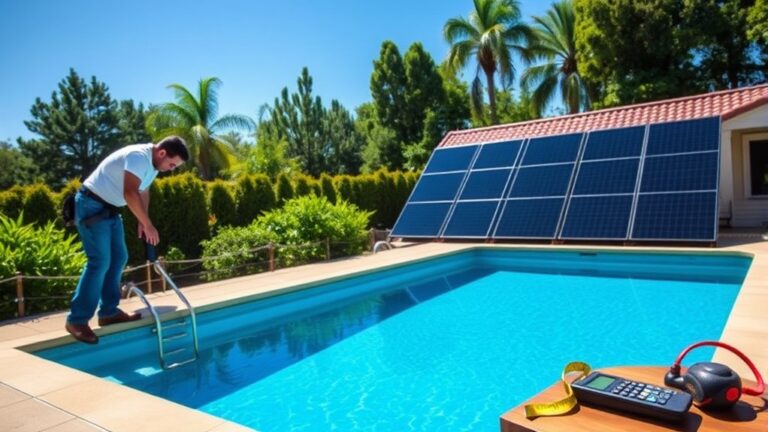
    To connect a solar water heater to your pool, first choose a system sized for your pool’s volume and climate. Next, plan plumbing routes with minimal bends and position panels in sun-rich, south-facing areas.

    Then, securely mount the panels and connect them to your pool pump using insulated, UV-resistant pipes. Be sure to install control valves as needed to keep everything running smoothly.

    Finally, set up a solar controller with a temperature sensor. Test the system for leaks and flow, and don’t forget to maintain it regularly.

    Keep going to explore each step in detail!

  • Do Solar Panels Need Direct Sunlight to Maximize Efficiency?

    You don’t need direct sunlight for your solar panels to produce energy, but they do work best when sunlight hits them head-on. Direct exposure lets your panels convert maximum solar energy efficiently, especially from 10 a.m. to 4 p.m.

    On cloudy days, they still generate power, around 10-25% of full capacity, depending on panel type and placement. So, even when it’s not perfect outside, your panels are still working for you.

    If you want to understand how to get the most from your system in less-than-ideal conditions, keep exploring. There’s plenty you can do to boost efficiency!

  • 10 Tips to Calculate How Many 4×8 Solar Pool Heaters for a 14000-Gallon Pool

    To size your 14,000-gallon pool’s solar heaters, first measure its surface area and volume accurately. Factor in your climate and daily sunlight to estimate heat loss, mainly from evaporation.

    Decide how much you want to raise the temperature—each 4×8 panel offers about 20,000 BTUs daily, so calculate how many match your needs. Adjust for seasonal changes and pool usage frequency.

    Proper panel placement facing south with minimal shading boosts efficiency. Keep going to uncover more on optimizing your solar setup.