Day: September 23, 2026

  • 7 Steps to Charge a Battery With a Solar Panel

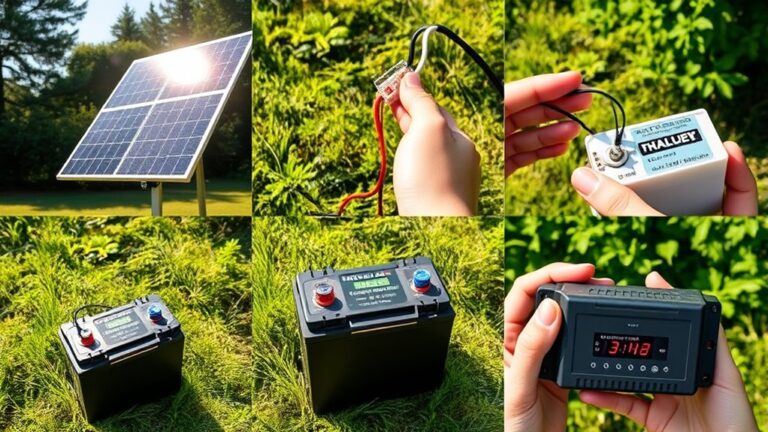
    To charge your battery with a solar panel, first pick a panel that matches your battery’s voltage and capacity. Choose a compatible charge controller to regulate power safely.

    Connect your panel to the controller, then wire the controller to the battery with correct polarity and protection. Position your panel for maximum sunlight by adjusting tilt and avoiding shade.

    Regularly monitor battery health and maintain your setup. Following these steps sets you up for efficient, long-lasting solar charging—you can uncover more tips and details next.

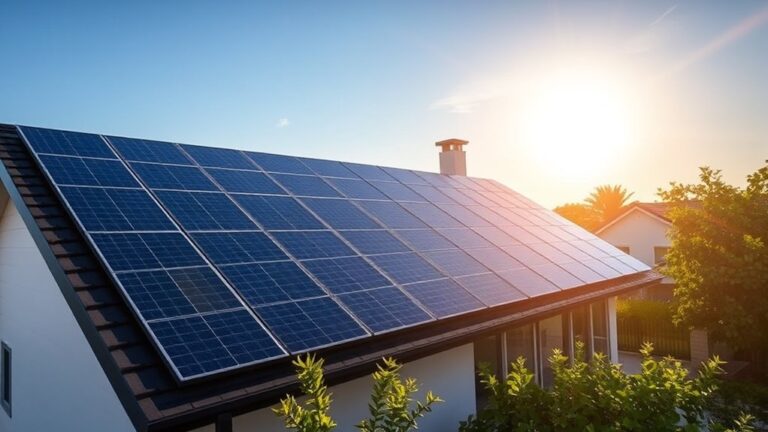
  • How Much Watts Does a Solar Panel Produce?

    You can expect a typical solar panel to produce between 250 and 400 watts depending on its type—monocrystalline panels tend to be higher, while thin-film panels produce less.

    Your panel’s size, efficiency, and how well it’s positioned toward the sun also play a big role.

    Weather, temperature, shading, and your location can further impact actual output.

    While the rated wattage shows peak capacity, real-world conditions usually mean less power.

    Keep exploring to understand what truly affects your solar system’s performance.

  • How Much Solar Power Do You Need to Run a House?

    To figure out how much solar power you need to run your house, start by calculating your daily energy use from utility bills. Then, factor in your region’s sunlight hours, seasonal changes, and any shading on your roof.

    Don’t forget to size your system for future needs and consider battery storage to use power when the sun isn’t shining. Planning carefully helps you build an efficient, cost-effective system tailored to your lifestyle.

    There’s more to explore about optimizing and upgrading your setup. So, take your time and get it right!

  • 7 Key Factors That Affect How Much Solar Does Cost in AZ

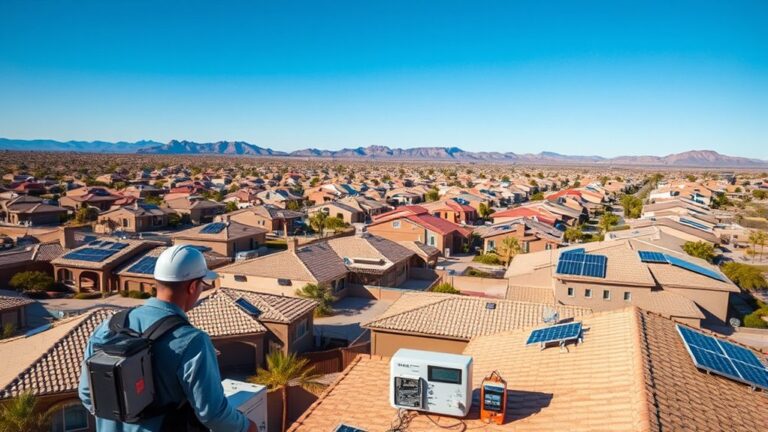
    When considering solar costs in Arizona, you’ll want to factor in system size and panel type since bigger, efficient setups cost more upfront but save more long-term. Your roof’s type and condition impact installation complexity and price, along with local permit and inspection fees.

    Installer reputation matters too, affecting reliability and hidden costs. Don’t forget valuable state incentives and federal tax credits, plus market demand and timing can drive prices up or down.

    Exploring these details can help you make the best solar investment. It’s all about balancing upfront costs with long-term benefits.

  • 5 Key Facts About How Much a Solar Panel Does Weigh

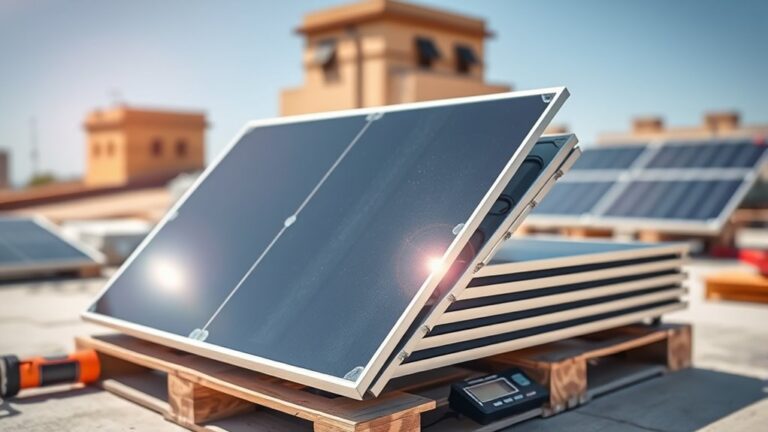
    You’ll find most residential solar panels weigh between 40 and 50 pounds, making handling and installation manageable with the right gear. Weight varies by material, panel size, and design—thin-film panels weigh less, while polycrystalline ones are heavier.

    Your roof’s strength matters since the added weight affects mounting safety and durability under wind or snow. Knowing how to safely transport panels is key to avoiding damage.

    Keep exploring to uncover how these factors shape your solar setup.

  • How Many Solar Panels to Run an Air Conditioner Step-by-Step

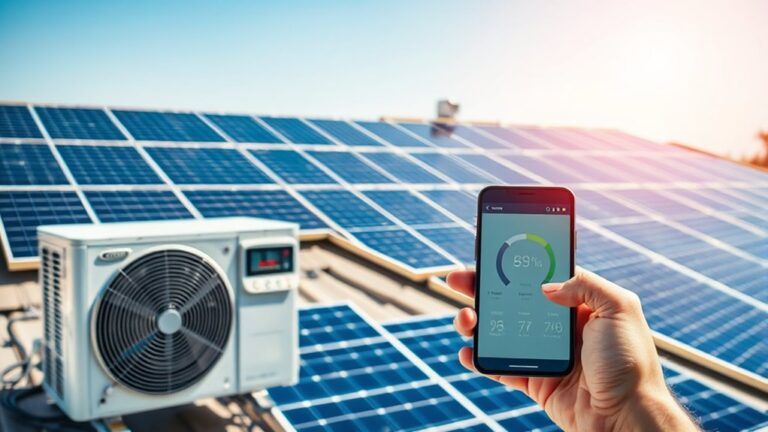
    To find out how many solar panels you need to run an air conditioner, first check your AC’s power rating and estimate daily runtime. Convert amps to watts if needed, then calculate total energy use in kWh.

    Next, divide that by your area’s peak sunlight hours, factoring in system losses around 20%. Don’t forget to account for peak AC demand and consider battery capacity for night or cloudy days.

    If you keep exploring, you’ll uncover tips to optimize your system and save more on cooling. It’s all about making your setup as efficient and cost-effective as possible.

  • How Long Does It Take for Solar Lights to Fully Charge?

    You’ll need about 6 to 8 hours of direct sunlight to fully charge your solar lights and keep them shining brightly all night. Charging time depends on factors like sunlight intensity, panel type, battery size, and weather conditions.

    Monocrystalline panels charge faster, while larger batteries take longer to fill. Shaded areas and cloudy days slow charging too.

    If you want to understand what else affects charging speed and how to optimize it, there’s more useful info ahead.