7 Key Factors That Affect How Much Solar Does Cost in AZ
When considering solar costs in Arizona, it’s important to keep several key factors in mind. System size and panel type play a big role since bigger, more efficient setups cost more upfront but can save you a lot over time.
Your roof’s type and condition also affect installation complexity and price, so be sure to evaluate that carefully.
Local permit and inspection fees add to the cost, and the reputation of your installer can impact reliability and potential hidden fees.
Don’t forget about valuable state incentives and federal tax credits that can lower your overall expense.
Plus, market demand and timing can cause prices to go up or down.
By exploring these details, you’ll be better equipped to make the best solar investment for your Arizona home. Taking the time to understand these factors now can really pay off in the long run.
Key Takeaways
- System size, panel efficiency, and roof type play a big role in how complex the installation will be. This, in turn, affects the overall cost of solar in Arizona.
- Who you choose to install your system matters too. An installer’s reputation and experience can influence pricing accuracy, the quality of equipment they use, and how well they handle permits. All of this impacts the total project expenses.
- Don’t forget about incentives! Federal tax credits, state rebates, and net metering policies can really help lower your upfront costs. Plus, they boost your long-term savings with solar in AZ.
- Prices can also change with the seasons. When demand is lower, like during off-peak times, you might find better deals. Market competition at those times can work in your favor.
- Planning ahead is key. Scheduling your project at the right time and buying equipment strategically during market slowdowns can save you money and help avoid delays.
How System Size Directly Impacts Solar Costs in Arizona
Because system size determines the number of solar panels you’ll need, it directly influences the overall cost of your solar installation in Arizona. If you want to cover more of your electricity usage, you’ll need a larger system, which means more panels, inverters, and mounting hardware.
This increase adds to your upfront investment but can lead to greater savings on your utility bills over time. Conversely, a smaller system costs less initially but might not offset as much energy, potentially limiting your savings.
You’ll want to carefully evaluate your household’s energy consumption, roof space, and budget before deciding on the system size. Remember, bigger isn’t always better if it exceeds your needs or available space.
Balancing size and cost will help maximize your solar benefits in Arizona. So, take your time and find the right fit for your home and lifestyle.
Why Panel Type Matters for Your Arizona Solar Price
Choosing the right panel type can considerably impact your solar costs in Arizona. Different panels vary in efficiency, durability, and price, which directly influences your overall investment.
When selecting panels, keep these factors in mind:
- Efficiency: Higher-efficiency panels generate more power in less space, but they usually come at a premium price.
- Material Quality: Monocrystalline panels typically offer better performance and longevity compared to polycrystalline. This difference affects your long-term value.
- Warranty and Lifespan: Panels with strong warranties and longer lifespans help reduce replacement risks and maintenance costs. It’s worth paying attention to these details when making your choice.
How Roof Type and Condition Affect Solar Installation Costs
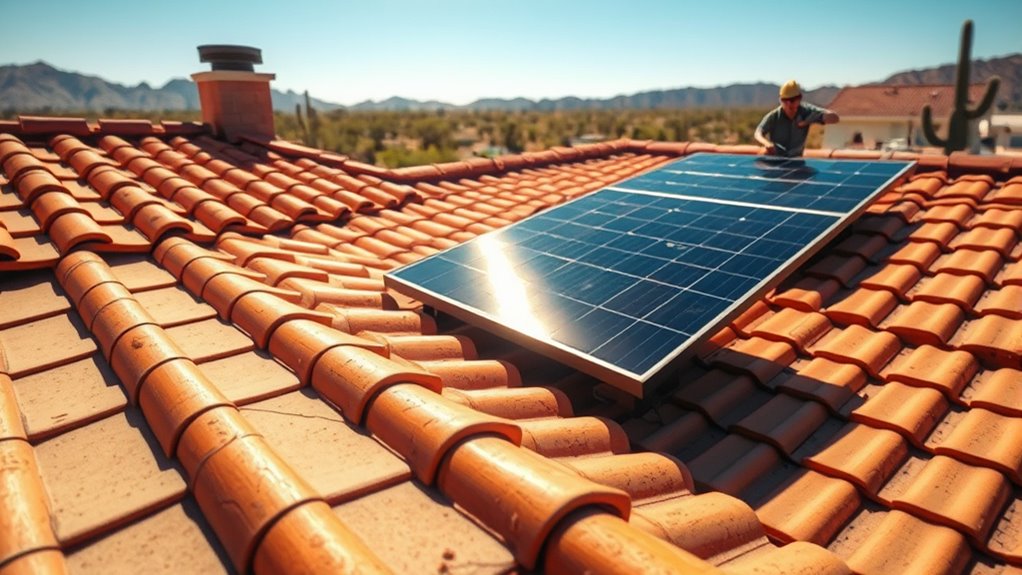
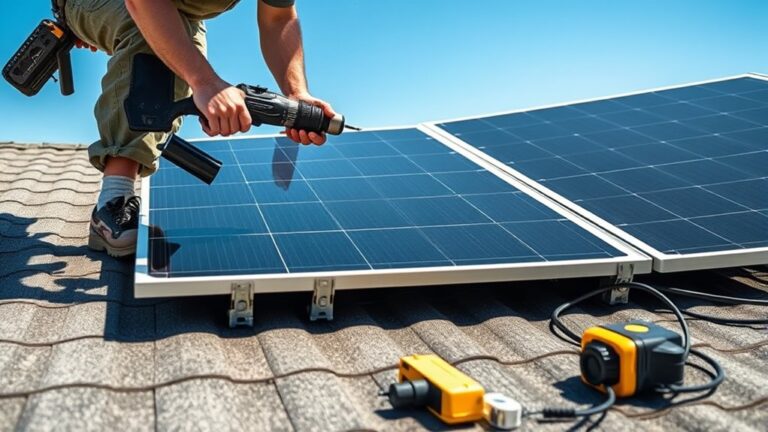
While your roof provides the foundation for your solar panels, its type and condition considerably influence installation costs. If your roof is in poor shape, you might need repairs or replacement first, which will increase upfront expenses.
Different roofing materials also affect labor complexity and time, impacting overall costs.
| Roof Type | Impact on Installation Cost |
|---|---|
| Asphalt Shingles | Easiest and cheapest to install on |
| Tile | More labor-intensive, higher cost |
| Metal | Moderate difficulty and cost |
| Flat Roof | May need special mounting, increasing cost |
It’s a good idea to assess your roof’s condition beforehand to avoid surprise expenses. If your roof is old or damaged, factoring in repair costs now will help ensure a smoother solar installation process with no hidden fees.
How Local Permits and Inspection Fees Influence Solar Costs in Arizona
Once your roof is ready for solar panel installation, you’ll need to take into account local permits and inspection fees that add to your overall costs. These fees vary depending on your city or county and can impact your budget. Understanding them helps you avoid surprises during the process.
Here’s how these fees influence your solar expenses in Arizona:
- Permit Costs: Municipalities require permits to ensure installations meet safety codes, with fees ranging from $100 to $500.
- Inspection Fees: After installation, inspections verify compliance. These can add $50 to $200 to your total cost.
- Processing Time: Longer permit approval periods can delay your project, potentially increasing labor costs.
How Installer Reputation Affects Solar Costs in Arizona
Several factors tied to an installer’s reputation can substantially influence your solar costs in Arizona. When you choose a well-regarded installer, you’re more likely to benefit from accurate quotes, reliable equipment, and efficient installation processes. This can reduce unexpected expenses.
Trusted installers often have established relationships with suppliers, potentially securing better prices for solar panels and components. They might pass those savings on to you. On the flip side, less reputable installers might charge less upfront but could lead to costly repairs or poor system performance later.
Also, experienced installers tend to navigate local permitting and inspection requirements more smoothly. This helps prevent delays that might add to your overall costs. So, investing in a reputable installer helps guarantee your solar system is both cost-effective and dependable.
How Arizona Solar Incentives Lower Your Solar Costs
Arizona offers a variety of solar incentives that can substantially lower your upfront and long-term costs. By taking advantage of these programs, you reduce the amount you pay out of pocket and improve your solar investment’s return.
Here are key incentives to evaluate:
- Federal Solar Tax Credit: You can claim 30% of your solar system cost as a credit on your federal taxes, directly reducing what you owe.
- State and Local Rebates: Some Arizona utilities and municipalities offer cash rebates or bill credits, cutting your initial expenses.
- Net Metering: This policy allows you to earn credits for excess energy your system produces, lowering your monthly utility bills over time.
Using these incentives smartly makes solar more affordable and boosts your savings. It’s a great way to get more value from your solar setup.
How Market Demand and Timing Affect Solar Costs in Arizona
You’ll notice solar costs in Arizona can shift depending on the season, with higher demand during sunnier months driving prices up. Timing your installation around incentive program deadlines can also save you money.
Plus, more competition among solar providers often leads to better deals for you. It pays to keep an eye on the market and act when the timing feels right.
Seasonal Demand Fluctuations
Because demand for solar installations rises and falls throughout the year, the timing of your purchase can considerably impact costs. During peak seasons, like spring and early summer, more people invest in solar, which can drive prices up.
On the flip side, in slower months such as late fall and winter, installers may offer discounts to attract customers.
You can save money by understanding these seasonal patterns:
- Installers often have more availability and flexible pricing during off-peak times.
- Supply chains might be less strained in slower months, reducing equipment costs.
- Competition among companies tends to increase during lower-demand periods, encouraging better deals.
Incentive Program Timing
When you time your solar purchase to coincide with state and federal incentive programs, you can markedly reduce your overall costs. These programs often have deadlines or funding limits that influence their availability.
Acting early guarantees you lock in maximum rebates, tax credits, or other financial benefits before they expire or decrease. For example, Arizona’s solar incentives can phase out as adoption increases, so delaying your installation might mean missing out on key savings.
Additionally, federal incentives like the Investment Tax Credit (ITC) offer significant reductions but are subject to scheduled step-downs. Staying informed about these timelines helps you plan your purchase strategically, making solar more affordable.
Market Competition Effects
Several factors in Arizona’s solar market directly influence the costs you’ll encounter, with competition playing a major role. When demand is high, more companies enter the market. This can drive prices down as they compete for your business.
However, during peak seasons, costs might rise due to limited installation slots and material shortages. Timing your purchase carefully can save you money.
Keep these points in mind:
- High demand periods often lead to longer wait times and slightly higher prices.
- More competitors usually mean better deals and promotions.
- Market fluctuations can affect equipment prices, so buying during a slow season might reduce costs.
Frequently Asked Questions
How Does Solar Panel Efficiency Vary With Arizona’s Climate?
You’ll find solar panel efficiency drops slightly in Arizona’s intense heat, but high sunlight levels more than make up for it.
What Maintenance Costs Are Associated With Solar Panels in Arizona?
Wondering what maintenance costs you’ll face? You’ll mostly pay for occasional cleaning and inspections to keep panels efficient.
Luckily, Arizona’s dry climate means fewer issues, so your ongoing costs stay low and manageable. It’s pretty easy to keep your system running smoothly here!
Can Solar Panels Increase My Arizona Home’s Property Value?
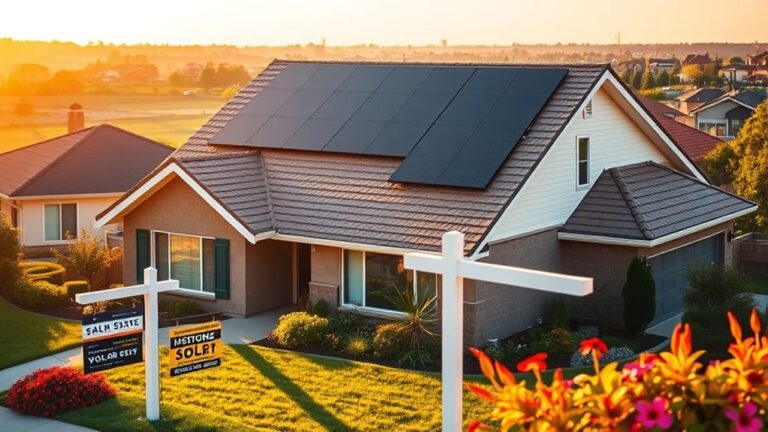
Yes, solar panels can boost your Arizona home’s property value by making it more energy-efficient and attractive to buyers.
You’ll likely see a higher resale price and quicker sale compared to homes without solar installations.
It’s a win-win because not only do you save on energy bills, but your home also stands out in the market.
Many buyers today are looking for eco-friendly features, and solar panels definitely check that box.
How Do Solar Batteries Impact Overall System Cost in Arizona?
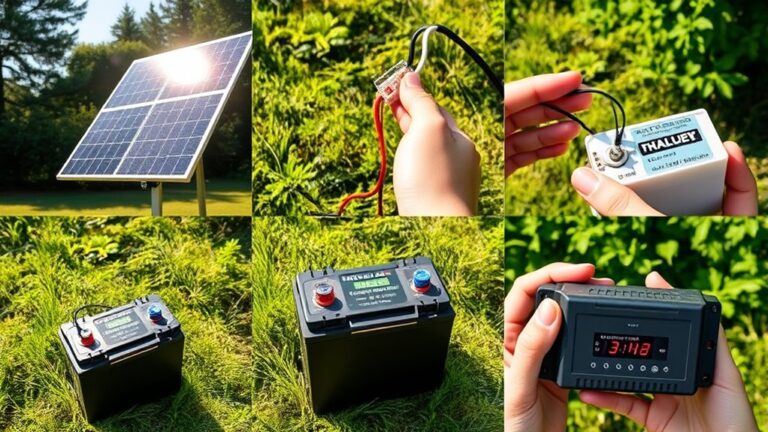
Solar batteries add to your system cost like a backpack adds weight on a hike—they provide backup power but increase upfront expenses. You’ll pay more initially, but gain energy independence and savings during outages or peak times.
Think of it this way: you’re investing a bit more now to avoid headaches later. In Arizona, where the sun is strong and outages can happen, having a battery can really pay off. It’s like having your own personal power reserve ready when you need it most.
Are There Financing Options Available for Arizona Solar Installations?
Yes, you’ll find several financing options for Arizona solar installations, including loans, leases, and power purchase agreements (PPAs). These choices help you spread costs, making solar more affordable and accessible for your home or business.
It’s pretty great because you don’t have to pay everything upfront. Instead, you can pick a plan that fits your budget and start saving on energy bills right away.
Conclusion
When you’re considering solar in Arizona, every factor—from system size to local permits—plays a huge role in your final cost. Don’t underestimate how much choosing the right panel type or installer reputation can save you; it’s like finding a needle in a haystack that’s actually worth a fortune.
By understanding incentives and market timing, you’ll be powerfully positioned to cut costs and shine brighter with your solar investment. Knowing these key factors helps you navigate the process smarter and avoid surprises.
In Arizona, the cost of solar depends on more than just the panels. From permits and installation to choosing the best incentives, each piece affects your bottom line. So, take the time to research and plan—your solar savings will thank you for it!