
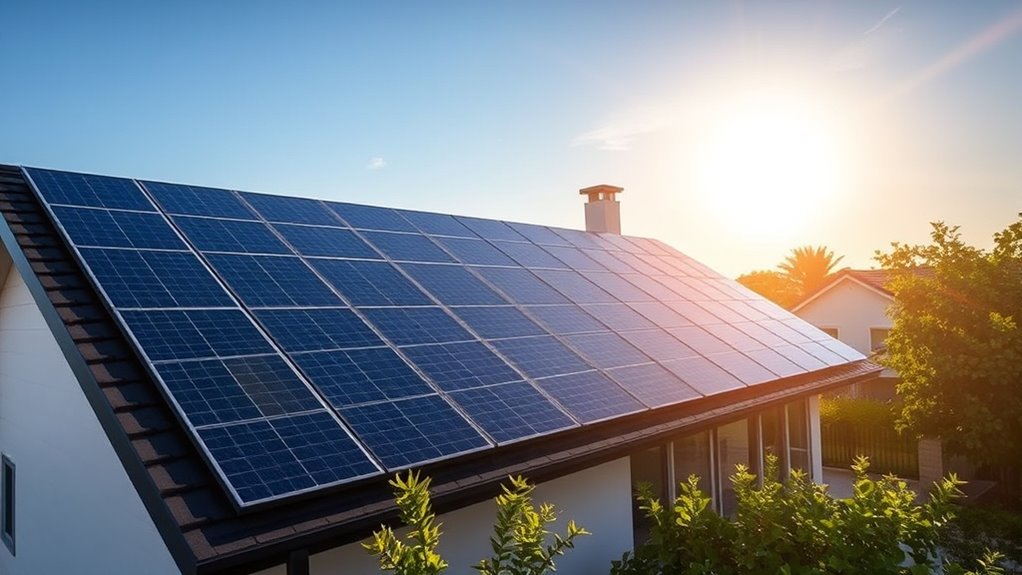
How Much Solar Power Do You Need to Run a House?
To figure out how much solar power you need to run your house, start by calculating your daily energy use from your utility bills. This gives you a clear picture of your electricity needs.
Next, factor in your region’s sunlight hours, seasonal changes, and any shading on your roof. These details really matter because they affect how much power your solar system can generate.
Don’t forget to size your system with future needs in mind. Planning ahead means you won’t have to upgrade too soon.
Also, consider adding battery storage. This lets you use power even when the sun isn’t shining.
Planning carefully helps you build an efficient, cost-effective system tailored to your lifestyle. There’s a lot more to explore about optimizing and upgrading your setup, so keep learning as you go.
Key Takeaways
- Calculate your home’s average daily energy use in kWh from utility bills to estimate required solar power capacity. This gives you a solid starting point for sizing your system.
- Consider regional sunlight hours and seasonal variations to size your system for reliable year-round energy production. Different places get different amounts of sun, so this really matters.
- Account for roof space and budget constraints to balance solar panel quantity and system cost effectively. You want to make sure your setup fits your space and wallet.
- Include battery storage if you want backup power or to reduce reliance on the grid during peak utility rates. Batteries can add flexibility but also extra cost.
- Plan for future energy needs or system expansions by choosing scalable solar solutions and upgrade options. That way, you won’t have to start from scratch if your energy use changes.
How to Size Your Solar System to Meet Energy Goals
Before you install solar panels, you need to accurately size your system to match your energy goals. Start by setting clear objectives: do you want to cover all your electricity needs, reduce your bill partially, or create backup power?
Next, consider your budget and available roof space, as both impact the system size. You’ll also want to factor in your location’s sunlight availability, since solar output varies by region and season.
Remember, oversizing can lead to unnecessary expenses, while undersizing won’t meet your needs. Aim for a system that balances cost and energy production efficiently.
Figuring Out Your Home’s Daily Energy Use
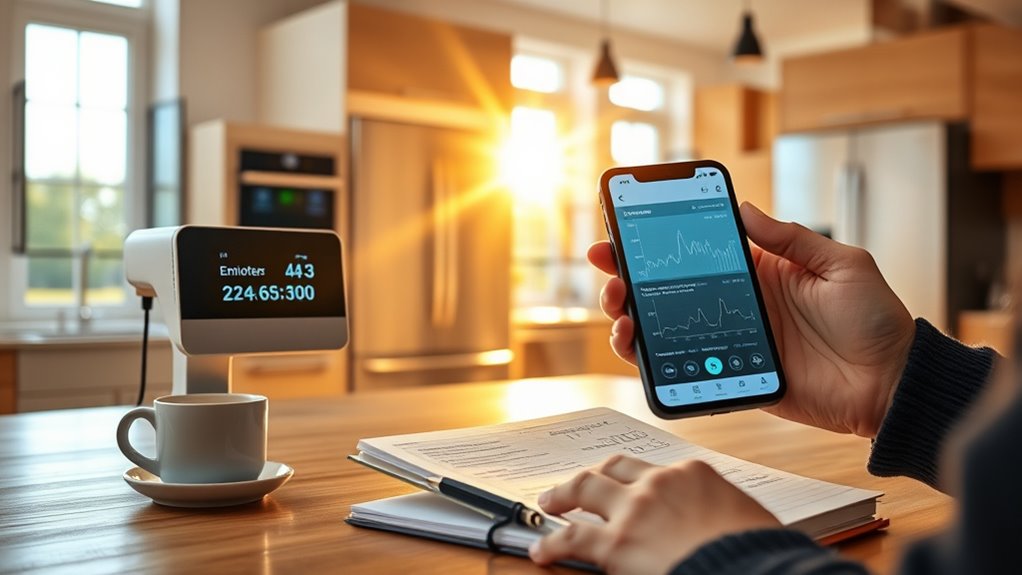
Once you know your energy goals, you need to figure out how much electricity your home uses each day. Start by checking your utility bills—they show your monthly kilowatt-hour (kWh) usage. Divide that by 30 to get an average daily value.
Begin by reviewing your utility bills to find your home’s average daily electricity use in kilowatt-hours.
Next, identify major energy consumers like HVAC systems, water heaters, and kitchen appliances. Finally, consider your lifestyle habits, such as how often you run laundry or use electronics.
Here’s a simple way to calculate daily energy use:
- Review your past 12 months of utility bills for kWh totals.
- Calculate the daily average by dividing monthly usage by 30.
- Adjust for any seasonal changes or planned lifestyle shifts to get an accurate estimate.
This daily figure is essential for sizing your solar system correctly.
How to Account for Sunlight Hours in Your Solar Power Needs
To size your solar system accurately, you’ll need to calculate the average daily sunlight hours your location receives. Keep in mind that seasonal changes can considerably affect how much sun hits your panels throughout the year.
Your geographic location plays a big role, so factoring in these variations ensures your system meets your energy needs year-round. It’s all about making sure you get the most out of your setup no matter the season.
Calculating Daily Sunlight Hours
When you calculate your solar power needs, understanding how many hours of sunlight your location receives each day is essential. This number, called “peak sun hours,” tells you the average daily solar energy available.
Here’s how to determine it:
- Check Local Solar Maps or Databases: Use resources like the National Renewable Energy Laboratory’s solar maps to find average peak sun hours for your area.
- Consider Your Roof’s Orientation and Tilt: South-facing roofs in the Northern Hemisphere capture more sunlight. This increases effective peak sun hours.
- Account for Shading: Trees, buildings, or other obstructions reduce sunlight. So, adjust your estimate accordingly.
Impact of Seasonal Variations
How do seasonal changes affect the amount of sunlight your solar panels receive? During winter, shorter days and a lower sun angle reduce sunlight hours, meaning your panels produce less energy.
In contrast, summer brings longer days and higher sun angles, increasing solar output. You need to factor these fluctuations into your solar power calculations to guarantee consistent energy supply year-round.
To account for seasonal variations, estimate the average sunlight hours for both the longest and shortest days. Then, size your solar system based on your lowest expected solar production—typically in winter—to avoid power shortages.
This approach lets you optimize your setup without overspending, as you won’t rely solely on peak summer sunlight for your energy needs.
Geographic Location Considerations
Although solar panels can generate energy almost anywhere, your geographic location greatly influences how much sunlight they actually receive. To accurately estimate your solar power needs, consider these three key factors:
- Latitude – The closer you are to the equator, the more direct sunlight your panels will get year-round. Higher latitudes receive less intense sunlight, especially in winter.
- Climate – Cloudy or rainy regions reduce daily sunlight hours, impacting your system’s efficiency. It’s a good idea to look up average sunshine data specific to your area.
- Local Obstructions – Trees, buildings, and mountains can cast shadows that cut sunlight exposure, lowering your panels’ output. So, make sure to check your surroundings before installation.
How Weather and Location Impact Solar Efficiency
Because solar panels rely on sunlight to generate electricity, the weather and your location play crucial roles in their efficiency. If you live in a sunny area, your panels will produce more power.
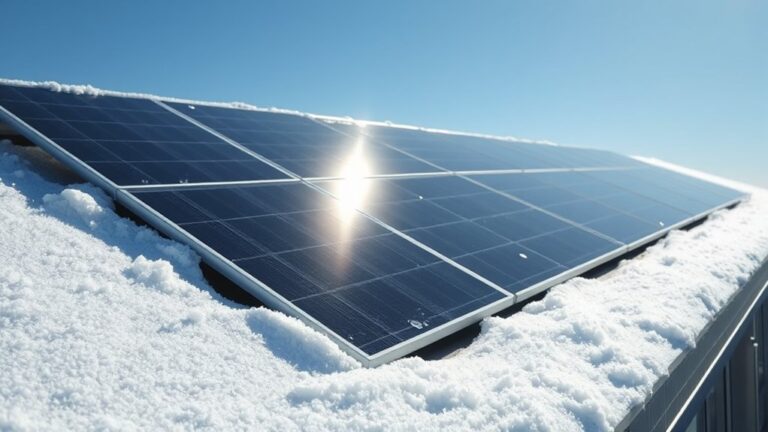
Cloudy days, rain, and snow reduce sunlight, which lowers the output. Temperature also matters—extreme heat can decrease panel efficiency.
Plus, the angle of the sun changes with the seasons, and that affects energy production too.
| Weather Condition | Impact on Solar Efficiency |
|---|---|
| Sunny | High output |
| Cloudy | Moderate output |
| Rainy | Low output |
| Snowy | Very low output |
| Hot Temperatures | Reduced efficiency |
Knowing these factors helps you estimate the solar power you need more accurately.
How Battery Storage Influences Your Solar Setup
When you add battery storage to your solar setup, you gain greater control over your energy use and savings. Batteries store excess solar energy generated during the day, letting you use it when the sun isn’t shining.
Adding battery storage to solar lets you save excess energy for use anytime, boosting savings and control.
This reduces your reliance on the grid and cuts electricity costs. Here’s how battery storage influences your solar system:
- Energy Independence: Batteries let you power your home during outages or at night, increasing self-sufficiency.
- System Sizing: With storage, you might need fewer solar panels since you can store and use energy more efficiently.
- Cost Management: Batteries help you avoid peak utility rates by supplying stored energy during expensive demand periods.
How to Adjust Your Solar System for Growing Energy Needs
You’ll want to assess how your energy needs might grow over time to keep your solar system efficient. Upgrading your solar panel capacity can help meet increased demand without interruption.
Don’t forget to contemplate adding or expanding battery storage to maximize your system’s performance. This way, you’ll get the most out of your setup as your needs change.
Assess Future Energy Consumption
As your household changes, your energy needs will likely grow, so it’s important to plan your solar system with that in mind.
To accurately assess future energy consumption, start by evaluating upcoming appliances. Think about any new devices or upgrades that might increase your electricity use.
Next, estimate lifestyle changes. Maybe you’ll have more family members, work from home more often, or start charging an electric vehicle.
Also, don’t forget to project seasonal variations. Energy use can fluctuate across different seasons, and potential climate shifts might affect that too.
Upgrade Solar Panel Capacity
Although upgrading your solar panel capacity might seem intimidating, it’s a necessary step to keep up with rising energy demands. As your household adds appliances or increases usage, your current system might not cut it.
You can expand by adding more panels or replacing existing ones with higher-efficiency models. Before upgrading, evaluate your roof space, budget, and energy goals to choose the best option.
| Upgrade Option | Benefit |
|---|---|
| Add More Panels | Increase total power output |
| Higher-Efficiency Panels | Generate more energy per sqft |
| Hybrid Systems | Combine with future tech easily |
Integrate Battery Storage Options
How can you guarantee your solar power system meets your household’s increasing energy needs around the clock? Integrating battery storage is the key. Batteries store excess solar energy generated during the day, so you can use it at night or during outages.
To optimize your system, consider these steps:
- Assess Your Energy Usage: Calculate your average nighttime and backup power needs to determine the battery capacity required.
- Choose the Right Battery Type: Lithium-ion batteries offer longer life and higher efficiency, while lead-acid batteries are more affordable upfront.
- Plan for Scalability: Select a system that allows adding more batteries as your energy demands grow. This way, you get flexibility without a complete overhaul.
Frequently Asked Questions
What Maintenance Is Required for Residential Solar Panels?
You’ll need to clean your solar panels a few times a year to remove dirt and debris.
Also, check for shading or damage regularly. It helps keep everything working well.
And don’t forget to have a professional inspect your system every 1-2 years. This keeps it efficient and safe.
Are There Tax Incentives for Installing Solar Power?
Yes, you can take advantage of tax incentives when installing solar power. Federal and state programs often offer credits or rebates, helping you lower upfront costs.
This makes your solar investment more affordable and rewarding. It’s a great way to save money while going green!
How Long Does It Take to Install a Home Solar System?
It usually takes one to three days to install your home solar system, just in time for the weekend sun.
You’ll watch panels go up quickly, turning your roof into a clean energy powerhouse before you know it.
Can Solar Panels Increase My Home’s Resale Value?
Yes, solar panels can increase your home’s resale value by making it more energy-efficient and appealing.
Buyers often appreciate lower utility costs, so installing solar can give you an edge in the real estate market. It’s a smart way to attract more interest when you decide to sell.
What Warranties Come With Solar Power Equipment?
Imagine a knight’s shield—solar equipment warranties protect your investment. You’ll usually get 10-25 years on panels, plus 5-12 years on inverters and workmanship, ensuring your solar setup stays strong and efficient for decades.
These warranties give you peace of mind. So, if anything goes wrong, you’re covered without a big hassle. It’s like having a safety net for your solar power system.
Conclusion
Now that you know how to size your solar system, you’re ready to power your home like a futuristic knight charging up his armor. By understanding your daily energy use, sunlight hours, and local weather, you can tailor your setup perfectly.
Don’t forget to factor in battery storage and future needs. With the right planning, you’ll harness the sun’s power efficiently and keep your home running smoothly—no flux capacitor required!
When figuring out how much solar power you need to run a house, it all comes down to your energy consumption and the amount of sunlight your location receives. Properly sizing your solar system ensures you maximize efficiency and avoid overspending. Including battery storage can help you store excess energy for cloudy days or nighttime use, making your solar setup even more reliable. Planning for future energy needs means your investment will pay off long-term. With these steps, you’ll confidently use solar power to keep your home powered sustainably and efficiently.

2 Comments