How Can You Tell If Solar Panels Are Working?
You can tell your solar panels are working by checking the inverter display for active energy production and green indicator lights. These indicators show that your system is converting sunlight into electricity properly.
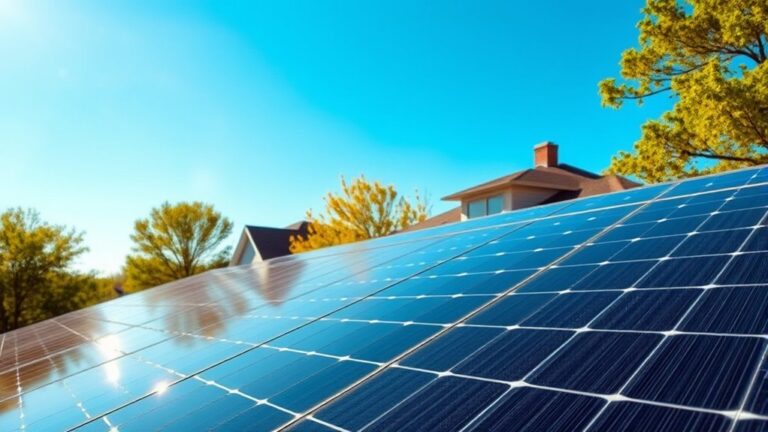
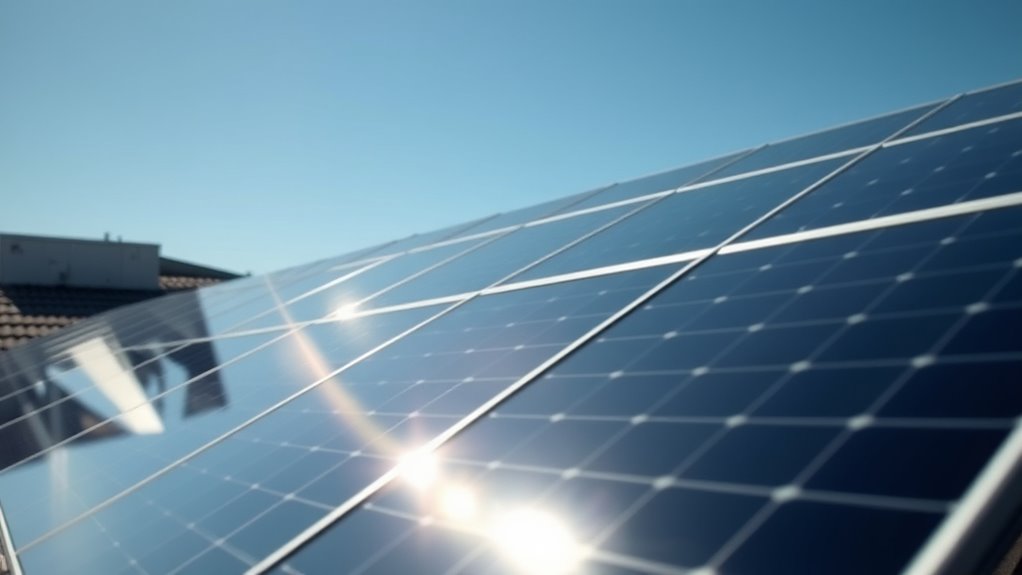
Panels should feel slightly warm and look clean without any visible damage, which means they’re absorbing sunlight effectively.
Your electric meter may run backward during sunny hours, showing energy export back to the grid — that’s a great sign your panels are producing more power than your home needs.
Monitoring apps also give real-time output and alert you to any issues, making it easier to keep an eye on performance from anywhere.
Watching your electricity bill for savings confirms that your solar panels are doing their job, lowering your energy costs.
If you want to spot common problems or understand deeper monitoring, there’s more to explore to keep your system running smoothly.
Key Takeaways
- Check the inverter display for active energy production and green status lights indicating proper operation.
- Observe if the electric meter runs backward or slows during daylight, showing energy export to the grid.
- Ensure solar panels are clean, undamaged, and slightly warm under sunlight, confirming sunlight absorption.
- Use monitoring apps to view real-time output, historical data, and receive alerts for performance issues.
- Compare electricity bills before and after installation for lower costs and net metering credits indicating panel efficiency.
How To Quickly Tell If Your Solar Panels Are Working
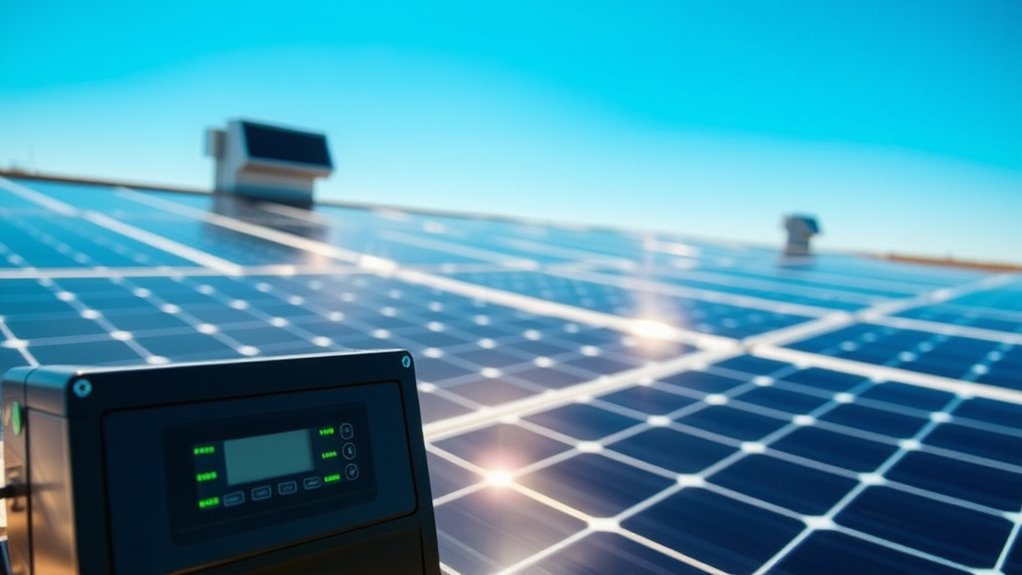
Although solar panels work silently, you can quickly check if they’re producing energy by monitoring your inverter’s display or app. This device converts the solar energy into usable electricity and usually shows real-time power output.
When sunlight hits your panels, the inverter should display active energy production. You can also look for indicator lights on the inverter—green often means everything’s working properly, while red or blinking lights could signal a problem.
Another simple check is to observe your electricity meter; if it’s running backward during the day, your panels are feeding power back to the grid. Keep in mind, no output during bright daylight might mean an issue.
These quick visual cues help you confirm your solar system’s functionality without needing technical expertise. It’s an easy way to stay on top of things without getting too technical.
How To Monitor Your Solar Panel Energy Output
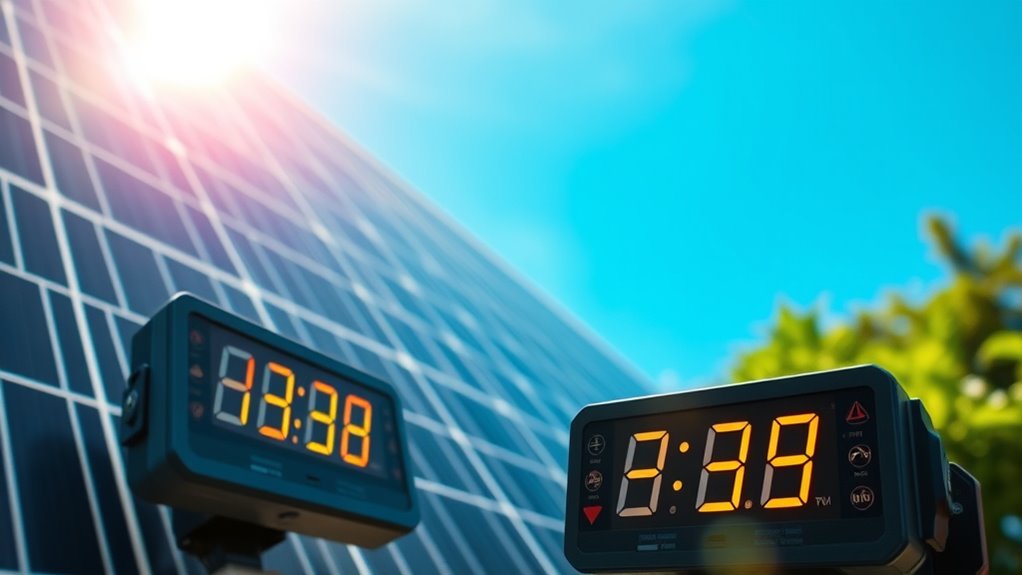
You can keep track of your solar panel’s performance by regularly checking the inverter display for real-time energy output. Many systems also come with apps that let you monitor your energy production from anywhere.
Using these tools helps you spot any issues quickly and guarantees your panels are working efficiently. It’s a simple way to make sure you’re getting the most out of your investment.
Checking Inverter Displays
When you want to guarantee your solar panels are producing energy efficiently, checking the inverter display is one of the quickest methods. The inverter converts the DC electricity generated by your panels into usable AC power, and its screen shows real-time data on your system’s performance.
You can see how much energy your panels are producing at any moment, as well as daily or cumulative totals. Look for any error messages or warning lights that might indicate a problem.
If the display shows zero or unusually low output during sunny conditions, it’s a sign your system may need maintenance. Regularly glancing at the inverter display helps you quickly spot issues and maximize your solar investment to work at its best.
Using Monitoring Apps
Since solar technology has advanced, monitoring apps have become an essential tool for tracking your solar panel energy output in real time. These apps connect directly to your solar system, giving you instant access to data like current production, historical performance, and overall efficiency.
You can easily spot any drops in energy generation, which might indicate an issue needing attention. Most apps also provide notifications if your system isn’t performing as expected, so you don’t have to constantly check manually.
How To Check Your Solar Panel Inverter For Performance
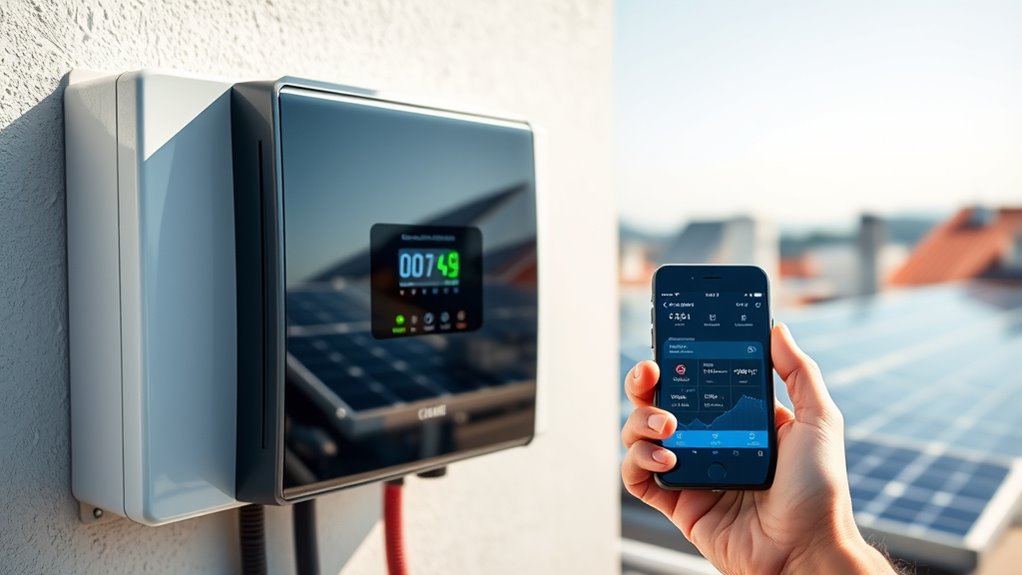
Although your solar panels generate electricity, the inverter plays a crucial role in converting that energy into usable power for your home. Checking your inverter regularly helps guarantee your system runs efficiently.
Here’s how to assess its performance: Look for a green light or normal status indicator on the inverter display. Also, check the inverter screen for any error messages or warnings.
Make sure the inverter’s power output matches expected levels for the time of day. And listen for unusual noises like buzzing or clicking, which might signal issues.
You can also use the inverter’s app or monitoring system to track real-time data and historical performance. It’s an easy way to keep an eye on how things are going.
How Your Electricity Bill Shows Solar Panel Savings
If you want to see the real impact of your solar panels, your electricity bill is a clear indicator of the savings you’re generating. When your panels work efficiently, you’ll notice a drop in the amount of electricity you need to buy from your utility company.
Compare your current bill to those from before you installed solar—lower charges or credits show your system is producing power. Look for a section labeled “net metering” or “solar credits,” which reflects excess energy sent back to the grid.
Keep in mind, seasonal changes and energy usage habits affect your bill, so check it regularly to track trends. By monitoring your electricity bill, you get a straightforward, practical measure of your solar panels’ performance and the money you’re saving.
Physical Signs That Show Your Solar Panels Are Working
When your solar panels are functioning properly, you’ll notice several clear physical signs that confirm they’re generating electricity. First, the inverter’s display will show a green light or indicate active power production.
You’ll also hear a faint humming sound from the inverter, signaling it’s working. The panels themselves should look clean and free of debris or damage, allowing ideal sunlight absorption.
On sunny days, you might spot a slight warmth on the panel surface as they convert sunlight. Finally, you can often see your electric meter running backward or slowing down, indicating energy is flowing back to the grid.
- Green light on the inverter
- Faint humming noise
- Clean, undamaged panels
- Slight warmth on panels
- Electric meter running backward
When To Call A Pro: Common Solar Panel Problems To Watch For
Noticing the signs that your solar panels are working is reassuring, but sometimes things don’t go as smoothly. If you see a sudden drop in energy output, it’s time to call a pro. Faulty wiring or inverter issues could be the cause.
Cracks or damage to the panels themselves also require expert attention to avoid further problems. Another sign is inconsistent or flickering readings on your monitoring system, which might indicate electrical faults.
If your panels are dirty or shaded, cleaning or trimming might help, but persistent shading issues need professional evaluation. Don’t ignore unusual noises or smells near your system; these could signal serious electrical problems.
Acting quickly can save you money and keep your solar setup running efficiently. So, if something feels off, don’t hesitate to reach out to a professional!
Frequently Asked Questions
How Long Do Solar Panels Typically Last?
You can expect solar panels to last about 25 to 30 years. With proper maintenance, they’ll keep producing energy efficiently.
But their output gradually decreases over time, so you might need replacements or upgrades eventually. It’s just how they wear down after years of use.
Can Solar Panels Work During Cloudy Days?
Yes, your solar panels can still work on cloudy days, producing about 10-25% of their normal output. They capture diffused sunlight, so even without direct sun, they keep generating power for you.
It’s pretty cool, right? So, don’t worry if it’s overcast—your panels are still doing their job!
Do Solar Panels Require Regular Cleaning?
Yes, you should clean your solar panels regularly to keep them efficient. Dirt, dust, and debris can block sunlight, reducing their output.
Just rinse them with water or use a soft brush to avoid damage. It’s pretty simple, and it helps your panels work their best!
Are Solar Panels Effective in Cold Climates?
You might think cold means less power, but solar panels actually work well in chilly climates. They perform better in cold, bright conditions because they don’t overheat.
What Warranties Are Common for Solar Panels?
You’ll typically get a 10-25 year performance warranty and a 10-year product warranty for solar panels. These protect you against defects and guarantee your panels produce a certain energy percentage over time.
Basically, the performance warranty ensures your panels don’t lose efficiency too quickly, while the product warranty covers any manufacturing issues. It’s good to know you’re covered for years after installation.
Conclusion
Now that you know how to tell if your solar panels are working, you’re in control of your clean energy journey. Think of your panels as silent teammates—they might not cheer, but their steady performance speaks volumes.
Keep an eye on your inverter and monitor your output regularly. Watching your bills shrink is a great sign that your solar panels are doing their job.
If something feels off, don’t hesitate to call a pro. After all, your panels are working hard for you, so make sure they get the spotlight they deserve!
Remember, knowing how to tell if solar panels are working helps you maintain their efficiency and maximize your energy savings. Regular monitoring and quick action keep your solar power system running smoothly, ensuring you get the most from your investment in clean energy.