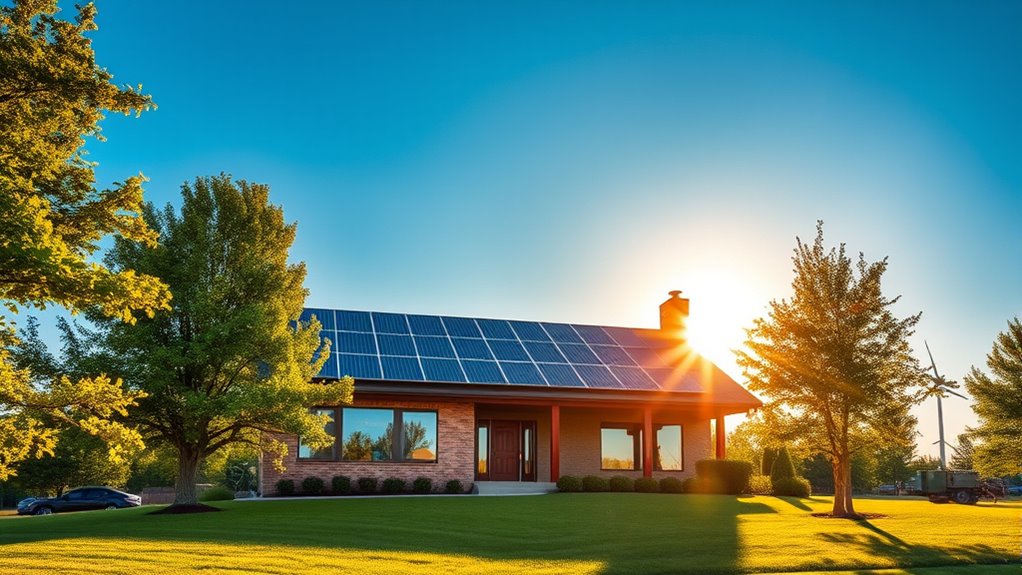
Are Solar Panels Worth It in Indiana?
You can definitely benefit from solar panels in Indiana, even with its seasonal and cloudy weather. On average, the state gets about 4 to 5 peak sun hours daily, which is enough to make solar energy a smart choice.
Plus, there are plenty of financial incentives like tax exemptions and utility rebates that can help reduce your costs. These incentives make it easier to lower your energy bills considerably.
Solar systems don’t just save you money—they also boost your home’s value. And with utility rates rising, having solar panels means you’re protected against those increasing costs.
Sure, there are some upfront expenses involved. But with quality equipment and proper planning, investing in solar panels is definitely worthwhile.
Keep exploring to find out how to maximize your savings and make the installation process smooth and hassle-free.
Key Takeaways
- Indiana receives 4-5 peak sun hours daily, with seasonal and regional variations affecting solar panel efficiency. But even with that, you can still count on consistent energy generation.
- There are some great state and federal incentives, like tax exemptions and utility rebates, that help cut down the upfront costs of installing solar panels in Indiana.
- Solar panels can lower your energy bills by 50-90%. Plus, they protect you from rising utility rates, which means long-term financial savings.
- Getting your system installed by experienced local pros is key. With low maintenance costs, you’ll have a solar setup that runs efficiently and reliably.
- Sure, Indiana has cloudy winters, but high-performance panels and battery storage help tackle that. This way, you can maximize your energy use all year round.
Are Solar Panels Worth It in Indiana?
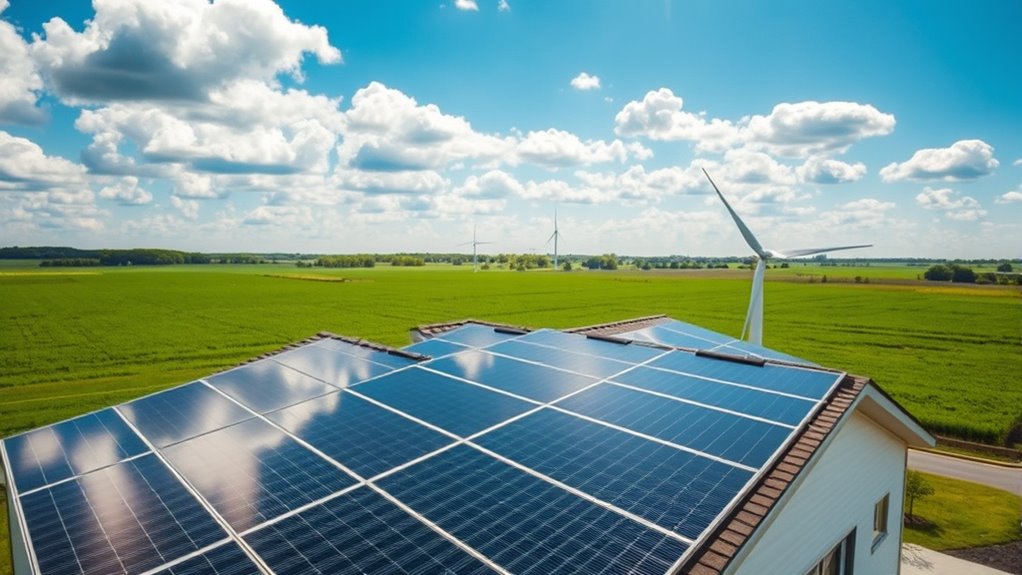
Although Indiana isn’t known for abundant sunshine, installing solar panels can still be a smart investment. You might expect solar energy to be less effective here, but advances in technology mean panels capture energy efficiently even on cloudy days.
Plus, you’ll benefit from state and federal incentives that lower upfront costs considerably. Over time, your energy bills will drop, helping you recoup your investment faster than you might think.
Solar panels also increase your home’s value and reduce your carbon footprint, making them a win-win. Even if Indiana’s weather isn’t perfect for solar, the financial and environmental benefits make it worth considering.
With careful planning, you can enjoy reliable energy savings while contributing to a cleaner future.
How Much Sunlight Does Indiana Get for Solar Panels?
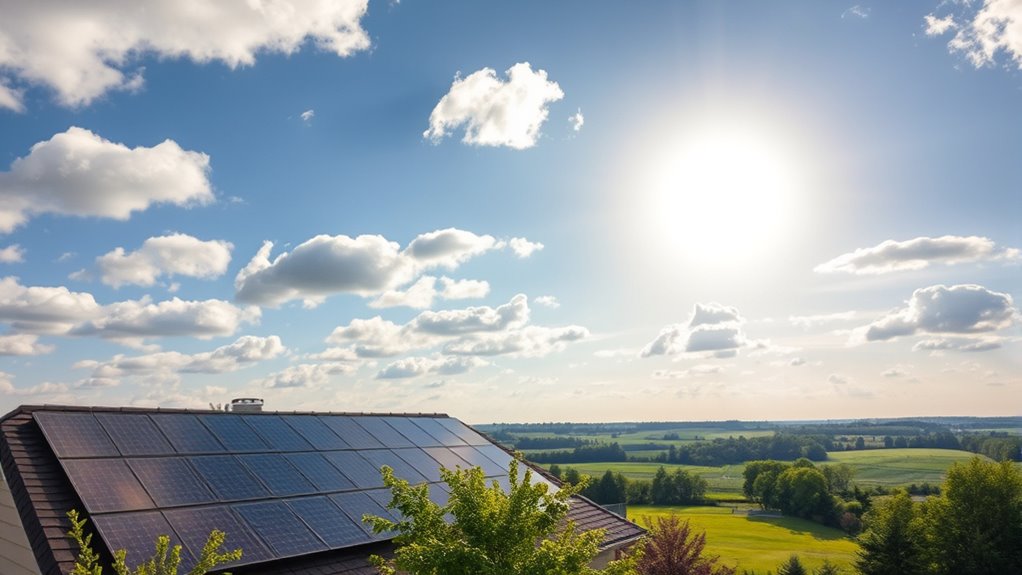
Understanding how much sunlight Indiana receives will help you gauge the potential efficiency of solar panels in your area. Indiana gets a moderate amount of sunlight, making solar energy a viable option for many homeowners.
Knowing Indiana’s moderate sunlight levels helps assess solar panel efficiency for your home.
You can expect an average of about 4 to 5 peak sun hours per day throughout the year.
Here are three key points to take into account:
- Seasonal Variation: Summer offers longer days and more sunlight, while winter days are shorter with less solar exposure.
- Geographical Influence: Southern Indiana generally receives slightly more sunlight than northern parts of the state.
- Weather Impact: Cloud cover and rain can reduce daily sunlight but don’t eliminate solar panel effectiveness.
Knowing this helps you set realistic expectations for your solar power system’s energy production.
What Financial Incentives Are Available for Solar Panels in Indiana?
You’ll want to check out the state solar tax credits that can help lower your upfront costs. Many utility companies in Indiana also offer rebates to make solar panels more affordable.
These financial incentives can make a big difference in your overall investment. It’s definitely worth exploring what’s available to you!
State Solar Tax Credits
Indiana offers several state solar tax credits and financial incentives that can substantially reduce the upfront cost of installing solar panels. While Indiana doesn’t have a broad state solar tax credit like some states, you can still benefit from specific programs designed to encourage solar adoption.
Here are three key incentives you should know about:
- Property Tax Exemption: Solar panel installations are exempt from increasing your property tax assessment, so your property taxes won’t rise due to the added value of your system.
- Sales Tax Exemption: You won’t pay state sales tax on solar equipment purchases, saving roughly 7% on materials.
- Net Metering: Though not a tax credit, net metering lets you earn credits on your electric bill for excess energy your system produces.
These incentives help make solar more affordable for you in Indiana. It’s a great way to save some money while going green!
Utility Company Rebates
Several utility companies in Indiana offer rebates that can lower the cost of installing solar panels on your home. For instance, some local utilities provide upfront rebates or credits based on the size of your solar system. This directly reduces your installation expenses.
These incentives vary by company and location, so you’ll want to check with your utility provider to see what’s available. Additionally, some utilities offer performance-based incentives, rewarding you for the energy your panels generate over time.
Keep in mind that utility rebates often have application deadlines and limited funding. So, acting quickly is essential.
Combining these rebates with state and federal incentives can considerably improve your solar investment’s return. This makes solar panels more affordable and financially worthwhile in Indiana.
How Much Can Solar Panels Reduce Your Indiana Energy Bills?
You can expect solar panels to substantially cut your energy bills in Indiana by offsetting a good portion of your electricity use. Keep in mind, your savings will vary with seasonal changes in sunlight and energy needs.
Over time, these reductions add up, making solar a smart long-term investment for your wallet. It’s a great way to save money while also helping the environment.
Indiana Energy Cost Savings
How much can solar panels actually cut your energy bills in Indiana? Installing solar panels can substantially lower your monthly expenses by generating your own electricity. While savings vary, you can expect a noticeable drop in costs.
Here’s how solar panels help:
- Reduce Grid Dependence: You’ll buy less electricity from your utility, shrinking your monthly bill.
- Net Metering Benefits: Excess energy your panels produce can be credited back to you, offsetting future costs.
- Stable Energy Costs: Solar protects you from rising utility rates by locking in lower energy expenses.
Seasonal Bill Variations
When do your energy bills peak in Indiana, and how can solar panels help smooth out those costs? Typically, your bills rise during the hot summers when air conditioning runs nonstop.
Solar panels generate the most electricity in summer, directly offsetting this high energy use and reducing your bills. In winter, although solar production dips due to shorter days and snow, your energy needs for heating rise.
While solar panels won’t cover all winter power, they still lower your overall consumption from the grid. By producing clean energy year-round, solar panels help balance out seasonal spikes, giving you more consistent savings.
This means you won’t face as steep increases in summer or winter, letting you better manage your Indiana energy expenses throughout the year.
Long-Term Financial Impact
Although upfront costs might seem intimidating, investing in solar panels can considerably reduce your Indiana energy bills over time. By generating your own electricity, you rely less on utility providers, which means lower monthly payments.
Plus, solar systems often increase your home’s value, adding financial benefits beyond just saving on bills.
Here’s how solar panels impact your finances long-term:
- Significant Savings: You can cut your electricity bills by 50-90%, depending on system size and usage.
- Net Metering Benefits: Excess energy produced can earn credits, offsetting future costs.
- Protection Against Rate Hikes: Solar shields you from rising utility rates, stabilizing your energy expenses.
Over 20-25 years, these savings can easily cover your initial investment and boost your financial security.
What Are the Installation and Maintenance Costs in Indiana?
Because installation and maintenance costs directly impact your overall savings, understanding these expenses in Indiana is essential before investing in solar panels. Installation costs typically range from $15,000 to $25,000 for an average-sized residential system, depending on your home’s size and the equipment you choose.
Indiana’s competitive market often means you can find affordable installers, but it’s wise to get multiple quotes. It never hurts to shop around and compare options to get the best deal.
Maintenance costs are relatively low since solar panels require minimal upkeep. You might spend around $150 to $300 annually on cleaning and inspections to keep your system efficient.
Inverter replacements, which can cost $1,000 to $2,000, might be necessary every 10–15 years. Overall, these costs are manageable and won’t *considerably* erode your long-term solar savings.
What Challenges Do Indiana Homeowners Face With Solar Panels: And How to Overcome Them?
While solar panels offer many benefits, you’ll face some unique challenges as an Indiana homeowner. The state’s varying weather, local regulations, and initial costs can affect your solar experience.
Here’s how to tackle them:
- Weather Variability: Indiana’s cloudy winters reduce solar efficiency. To deal with this, invest in high-quality panels that perform better in low light. Adding a battery storage system can also help you maximize energy use.
- Permitting and Regulations: Local rules can slow down installation. The best move? Work with experienced local installers who know Indiana’s permitting process. They can speed things up and make it less stressful.
- Upfront Costs: Solar systems require a significant upfront investment. But don’t worry—you can use state incentives, federal tax credits, and financing options to lower your initial expenses. This makes solar more affordable than you might think.
Frequently Asked Questions
How Long Do Solar Panels Typically Last in Indiana?
Solar panels typically last 25 to 30 years in Indiana. You’ll get reliable energy production for decades, though efficiency might slightly drop over time.
Regular maintenance helps you maximize their lifespan and performance. So, keeping an eye on them every now and then really pays off.
Can Solar Panels Increase My Indiana Home’s Resale Value?
Think of solar panels like a sturdy old oak tree adding charm to your yard. They can boost your Indiana home’s resale value by up to 4%.
Buyers love homes with energy savings and eco-friendly features. It’s a smart way to attract people who care about the environment and lower utility bills.
Are There Any Local Indiana Regulations Affecting Solar Panel Installation?
Yes, you’ll need to follow Indiana’s local building codes and obtain permits before installing solar panels. Some utilities have specific interconnection rules, so check with your municipality and utility company to guarantee smooth installation and compliance.
It’s a good idea to reach out early to get all the necessary approvals. That way, you can avoid any surprises and make sure everything goes smoothly.
Do Solar Panels Work During Indiana’s Winter Months?
You’ll find solar panels still hum along during Indiana’s winter months, even if the sun’s not throwing a full party.
Snow can slow them down, but they’ll keep capturing light and saving you money.
What Types of Solar Panels Are Best Suited for Indiana Homes?
You’ll want monocrystalline solar panels for Indiana homes because they’re efficient, especially in low-light conditions. They perform well during winter and cloudy days, helping you maximize energy production year-round despite variable weather.
Plus, these panels tend to have a longer lifespan and better warranty options. So, they’re a solid choice if you want reliable performance no matter what the Indiana weather throws at you.
Conclusion
Investing in solar panels in Indiana is like planting a sturdy oak tree—you might not see instant shade, but with steady sunlight and care, it grows strong. Over time, it saves you money and protects your home from rising energy costs.
With available incentives and manageable upkeep, your solar “oak” will flourish. Indiana gets enough sun to turn those rays into lasting energy for your home.
So, take root now! Watch your savings and sustainability branches spread wide over time. Solar panels in Indiana are worth it because they combine financial benefits with environmental impact. Embracing solar energy means you’re investing in a cleaner future while lowering your electricity bills. It’s a smart, long-term choice that pays off steadily, making solar a bright idea for Hoosiers ready to harness the power of the sun.