
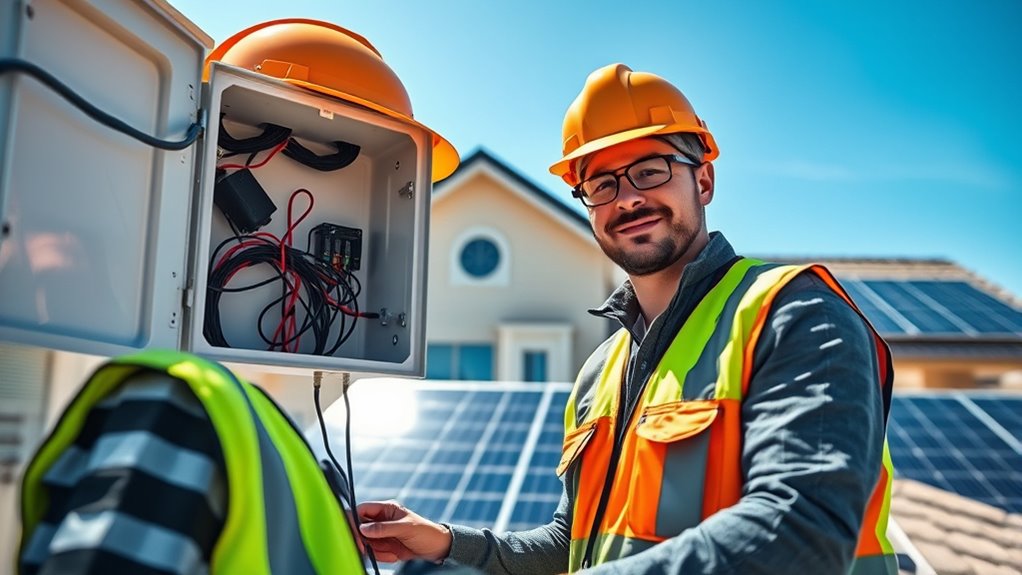
What Is a Solar Interconnection Agreement?
A Solar Interconnection Agreement lets you legally and safely connect your solar system to the local utility grid. This agreement ensures your setup meets all utility standards and allows you to feed any excess power back to the grid, earning valuable credits. It’s a crucial step in going solar that helps you avoid delays and keeps you in compliance with regulations.
You’ll need this agreement before activating your system, so it’s good to get it sorted early.
Plus, it outlines your responsibilities and protects you from potential liabilities. Stick around as we break down the process, explain key terms, and show you how to get the most out of your solar benefits.
Key Takeaways
- A Solar Interconnection Agreement legally connects a solar system to the local utility grid for safe and compliant operation. It makes sure everything runs smoothly and follows the rules.
- This agreement lets homeowners send any extra solar power they generate back to the grid. In return, they can earn credits through net metering programs, which helps reduce their electricity bills.
- It also spells out the technical standards and safety requirements both the solar owner and the utility need to follow. Plus, it clarifies each party’s responsibilities to avoid any confusion.
- You have to sign this agreement before turning on your system. That way, the utility approves your setup ahead of time and you won’t face any delays.
- Lastly, the agreement covers important things like liability, maintenance procedures, billing, and how to handle disputes if they come up. It keeps everything fair and organized for everyone involved.
What Is a Solar Interconnection Agreement and Why It Matters
A solar interconnection agreement is the contract that lets you connect your solar energy system to the local utility grid. This agreement is essential because it guarantees your system operates safely and efficiently while complying with utility standards.
Without it, you can’t legally feed excess power back into the grid or receive credits for the energy you produce. It outlines responsibilities, technical requirements, and liability issues, protecting both you and the utility company.
Getting this agreement in place means you can maximize your solar investment by reducing electricity bills through net metering or similar programs. In short, the interconnection agreement is the key to integrating your solar setup smoothly and benefiting fully from clean, renewable energy.
Who Needs a Solar Interconnection Agreement and When
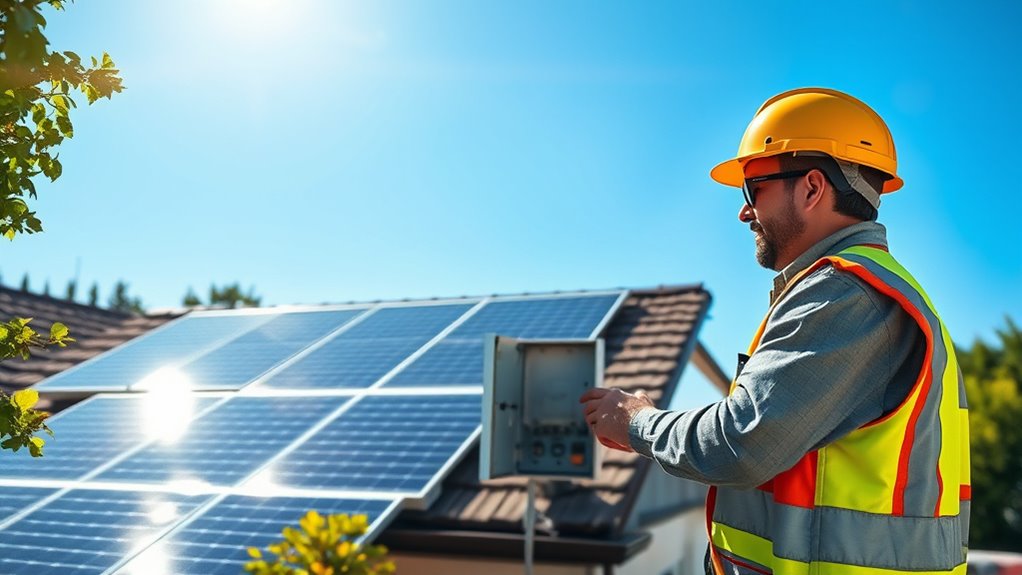
If you’re a homeowner installing solar panels, you’ll need a solar interconnection agreement to connect your system to the grid. It’s important to secure this agreement before turning your system on to make sure everything runs smoothly.
Getting this sorted early can save you a lot of hassle. Trust me, knowing when to get this in place helps you avoid potential issues with your utility provider.
Homeowners Installing Solar
When you decide to install solar panels on your home, you’ll likely need a solar interconnection agreement to connect your system to the local utility grid. This agreement is essential because it outlines the terms and conditions for safely linking your solar energy system with the utility’s infrastructure.
If you plan to generate electricity that feeds back into the grid, the utility company will require this contract to ensure proper operation and safety standards are met. Even if your system is designed mainly for self-consumption, you may still need the agreement to comply with local regulations.
Without it, your solar setup might not be approved, preventing you from enjoying the full benefits of your investment in clean energy. So, it’s definitely something to keep in mind when planning your solar installation.
Timing For Agreement
Although not every solar installation requires immediate approval, you’ll need a solar interconnection agreement before connecting your system to the grid. This agreement guarantees your setup meets safety and technical standards, preventing potential issues with your utility provider.
You typically need this agreement if you plan to sell excess electricity back to the grid, have a system size above your utility’s specified threshold, or use certain types of equipment that require utility review.
Timing matters, so you should start the application process early—often before installation begins. Delaying this step can result in costly hold-ups or even prevent your system from going live.
It’s a good idea to check with your local utility to understand their specific requirements and timelines. That way, you can keep your solar project on track without any surprises.
The Solar Interconnection Process: Step-by-Step

How do you navigate the solar interconnection process efficiently? First, submit your application to the utility, including your project details and equipment specs.
Next, the utility reviews your submission, checking system safety and grid compatibility. Once approved, you’ll receive a conditional interconnection agreement to sign.
After signing, complete your solar system installation according to the agreed specifications. Then, schedule an inspection to ensure your setup meets safety and technical standards.
Once the utility confirms compliance, they’ll grant final approval and connect your system to the grid. Finally, you can start generating and possibly selling solar energy.
Staying organized and promptly responding to each step helps you move through the process smoothly. This way, you can avoid delays and get your system up and running sooner.
Critical Technical and Legal Terms in a Solar Interconnection Agreement
After you complete the installation and receive final approval, understanding the specific terms in your solar interconnection agreement becomes key to managing your system effectively. These technical and legal terms define your rights and responsibilities, ensuring smooth operation and compliance with utility requirements.
Pay close attention to:
- Capacity and Metering: Details on the system’s maximum output and how energy production is measured.
- Safety and Equipment Standards: Requirements for protective devices and system inspections to avoid hazards.
- Liability and Indemnification: Your responsibilities if damages or outages result from your system, and how risks are shared.
Knowing these terms helps you navigate maintenance, billing, and potential disputes. This way, you keep your solar setup efficient and compliant with the utility’s rules.
Common Technical and Legal Challenges When Signing a Solar Interconnection Agreement
When you sign a solar interconnection agreement, you’ll likely face technical and legal challenges that can complicate the process.
Technical hurdles often involve equipment compatibility and grid safety standards. On the legal side, unclear liability clauses and lengthy approval timelines can delay your project.
Here’s a quick look at common challenges:
| Technical Challenges | Legal Challenges |
|---|---|
| Equipment compatibility | Liability and indemnity issues |
| Grid safety compliance | Lengthy approval processes |
| Interconnection capacity | Contract termination terms |
Understanding these challenges early helps you prepare better, avoid surprises, and streamline your solar project’s connection to the grid.
How to Get the Most Out of Your Solar Interconnection Agreement
Although steering a solar interconnection agreement can be complex, you can maximize its benefits by understanding key terms and actively managing the process. Start by reviewing your agreement thoroughly to identify important deadlines and responsibilities.
Master your solar interconnection agreement by understanding its terms and managing the process actively.
Keep communication open with your utility provider to address any issues promptly. Finally, monitor your system’s performance regularly to verify it meets expected output and complies with interconnection standards.
Here’s how to get the most out of your agreement:
- Clarify payment and metering terms: Know how you’ll be compensated for excess energy.
- Stay on top of deadlines: Avoid delays by submitting required documents on time.
- Maintain system compliance: Schedule inspections and upkeep to prevent disconnection.
Frequently Asked Questions
How Long Does the Approval Process for Interconnection Usually Take?
The approval process usually takes a few weeks to a couple of months, depending on your utility company and project complexity.
You’ll want to stay in touch and provide any requested info quickly to avoid delays. Keeping the communication lines open can really help move things along smoothly.
Are There Any Ongoing Fees After Signing a Solar Interconnection Agreement?
Just like paying tolls on a scenic road, you might face small ongoing fees after signing your solar interconnection agreement.
These can include maintenance or metering charges, so be sure to check your specific contract details carefully.
It’s always a good idea to know exactly what fees you might be responsible for down the line. That way, there won’t be any surprises later on.
Can I Transfer My Solar Interconnection Agreement to a New Property Owner?
You usually can’t transfer your solar interconnection agreement directly, but the new property owner can apply for a new agreement.
Check with your utility because policies vary, and some may allow transfers under specific conditions. It’s always good to ask so you know what options are available.
What Happens if My Solar System Damages the Utility Grid?
If your solar system damages the utility grid, you’re usually covered by your interconnection agreement’s liability clauses. You’ll work with the utility and your insurer, and they’ll handle repairs.
Luckily, serious damage is pretty rare. So, while it’s good to know what to do, it’s not something most people have to worry about.
How Do Solar Interconnection Agreements Differ by State or Utility Company?
You’ll find solar interconnection agreements vary by state and utility due to differing regulations, fees, and technical requirements. Some utilities have streamlined processes, while others require more paperwork or inspections.
Conclusion
Think of a solar interconnection agreement like the handshake that starts a partnership. Just as two friends agree on plans before a road trip, this agreement sets the rules between you and the utility to safely share solar energy.
Studies show timely agreements can speed up your solar activation by 30%. By understanding and managing this process well, you’ll power your home and savings smoothly.
This agreement is key to turning sunlight into a reliable energy journey you control. Getting your solar interconnection agreement right means faster activation, safer energy sharing, and more savings. So, take charge of the process and watch your solar power system work efficiently for your home and wallet.




One Comment