What Is a Solar Module?
A solar module is a device that converts sunlight into clean electricity by linking multiple solar cells made from silicon semiconductors. These modules are essential components of solar power systems, helping you generate renewable energy right at home.
When sunlight hits the solar cells, it excites electrons, creating a direct current (DC) of power you can use.
Solar modules come in different types like monocrystalline and polycrystalline, each offering unique benefits. You’ll usually find them installed on rooftops or open areas where they get plenty of sun.
They’re pretty low maintenance, too, requiring just basic upkeep to keep working efficiently. Keep exploring to understand how they work inside and how they fit into your home energy system.
Key Takeaways
- A solar module is an assembly of multiple solar cells connected to generate electricity from sunlight. It converts sunlight into direct current (DC) electricity using semiconductor materials like silicon.
- The module’s protective glass and layers maximize sunlight absorption and shield cells from damage. These layers help keep the solar cells working efficiently for a long time.
- There are different types of solar modules, including monocrystalline, polycrystalline, and thin-film. Each type varies in efficiency and where it’s best used.
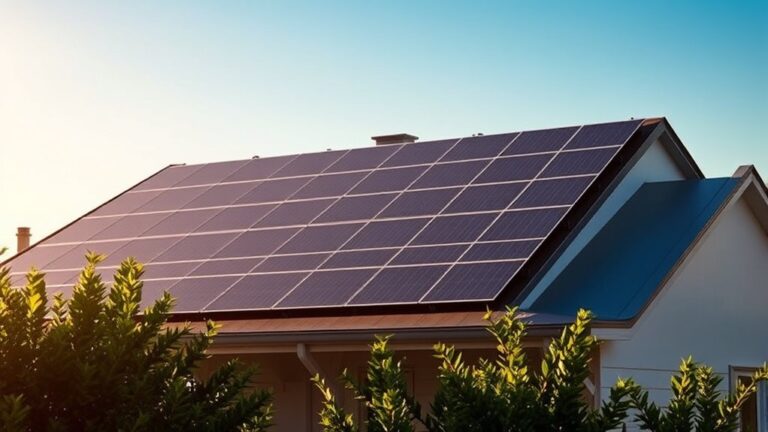
- You’ll often find solar modules installed on roofs or other structures. They capture sunlight and turn it into usable electrical power for homes or businesses.
What Is a Solar Module and How Does It Work?

How does a solar module convert sunlight into electricity? When sunlight hits the solar cells within the module, it excites electrons, creating an electric current. These cells are made from semiconductor materials like silicon.
They generate direct current (DC) electricity by harnessing the energy from photons. The solar module is designed to capture as much sunlight as possible through its glass surface and protective layers.
You’ll find multiple solar cells connected in series inside a single module to increase voltage output. The module’s frame keeps everything secure and weather-resistant.
Why Do Solar Modules Matter for Your Home and Energy?
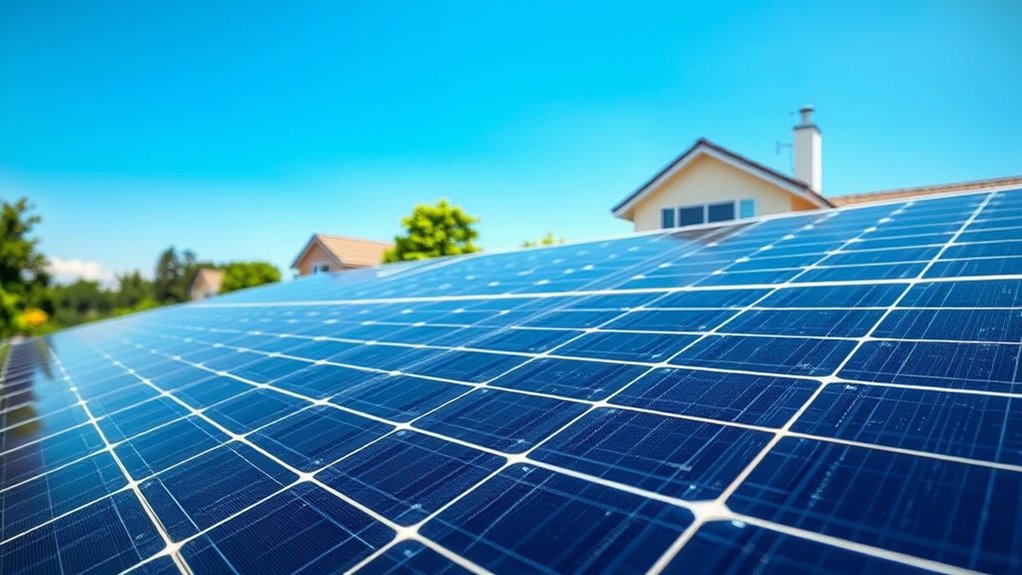
Although solar modules might seem like just another component on your roof, they play an essential role in reducing your energy bills and carbon footprint. By converting sunlight into electricity, they help you rely less on traditional power sources, which often come from fossil fuels.
This means you save money while contributing to a cleaner environment. Solar modules also increase your home’s energy independence, protecting you from rising utility rates.
Plus, installing them can boost your property’s value and qualify you for tax credits or incentives. Ultimately, solar modules empower you to take control of your energy use, making your home more sustainable and efficient without sacrificing comfort or convenience.
What’s Inside a Solar Module and How Solar Cells Work?

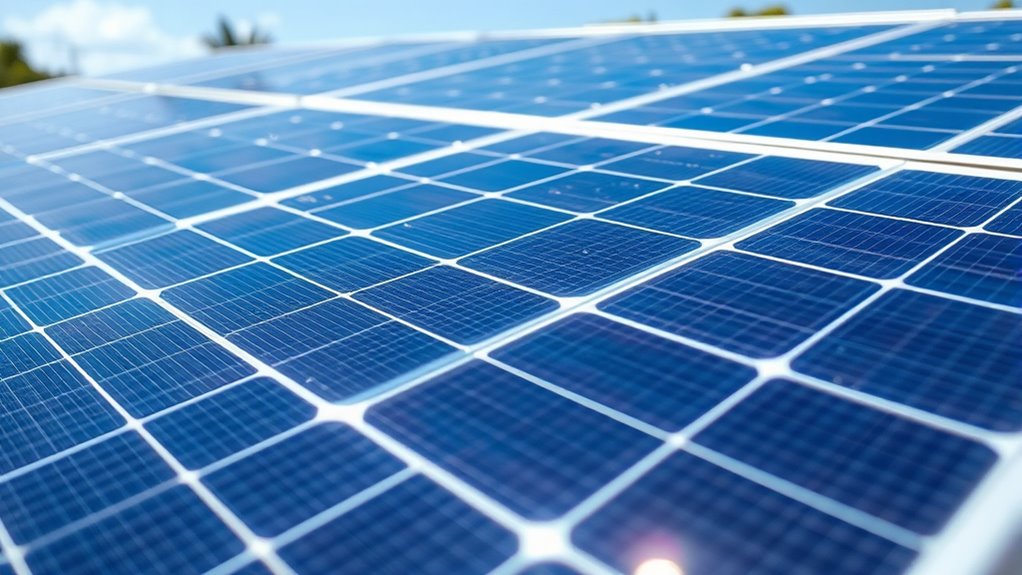
Inside a solar module, you’ll find solar cells made of layers that capture sunlight and turn it into electricity. These cells use the photovoltaic effect to convert light energy directly into electrical energy.
Understanding these components helps you see how solar modules power your home efficiently. It’s pretty cool how just sunlight can be changed into usable power, right?
Solar Cell Components
What makes a solar module convert sunlight into electricity? It all starts with solar cells, the core components inside the module. Each solar cell contains layers of semiconductor materials, usually silicon, organized to create an electric field.
You’ll find a positive (p-type) and a negative (n-type) layer, forming a p-n junction. When sunlight hits the cell, it excites electrons, allowing them to flow and generate current.
On top, a thin anti-reflective coating guarantees more sunlight is absorbed rather than reflected. Metal contacts on the cell’s surface collect and transport the electric current.
Finally, protective glass and encapsulants shield the cells from weather and damage. Understanding these components helps you see how solar modules efficiently capture and deliver solar energy.
Photovoltaic Energy Conversion
Now that you know the key parts that make up a solar cell, let’s explore how these components work together to convert sunlight into usable electricity. When sunlight hits the solar cell, photons energize electrons in the semiconductor material, usually silicon.
This energy knocks electrons loose, creating free charges. The cell’s built-in electric field, formed by the p-n junction, directs these free electrons toward the negative side, while holes move to the positive side.
This movement generates an electric current. By connecting multiple cells in a solar module, you increase the voltage and current output, making it powerful enough to use.
What Types of Solar Modules Are Available Today?
Although choosing the right solar module can feel overwhelming, understanding the main types available today makes the process easier. You’ll mainly find three types: monocrystalline, polycrystalline, and thin-film.
Each has unique features, efficiency levels, and costs, so knowing these will help you pick what suits your needs.
| Type | Key Features |
|---|---|
| Monocrystalline | High efficiency, sleek black appearance |
| Polycrystalline | Moderate efficiency, blue-speckled look |
| Thin-Film | Flexible, lightweight, less efficient |
Monocrystalline modules are best if you want maximum power in limited space. Polycrystalline offers a budget-friendly balance, while thin-film provides versatility for unconventional installations.
Knowing these helps you make an informed choice.
How Do You Install and Maintain Solar Modules?
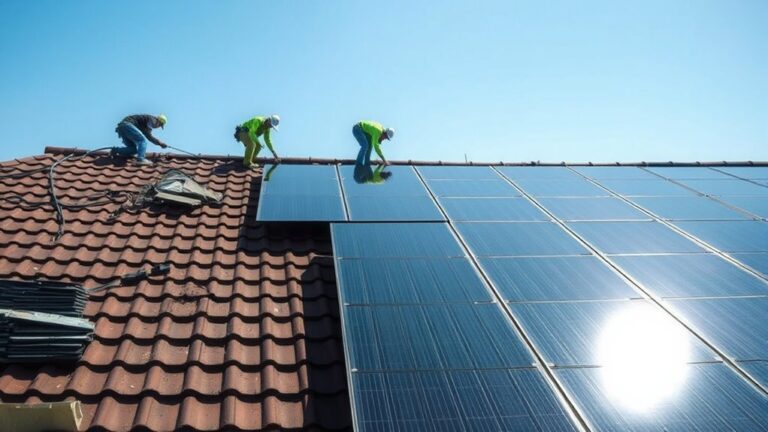
You’ll start by securely mounting the solar modules and connecting them to your system’s wiring.
Regular maintenance, like cleaning the panels and checking for damage, keeps them running efficiently.
Let’s walk through the essential installation steps and simple upkeep tips to guarantee your modules perform their best.
Installation Steps Overview
Before installing solar modules, you should carefully plan each step to guarantee a safe and efficient setup. Start by evaluating your roof’s condition and orientation to maximize sunlight exposure.
Next, secure any necessary permits and choose the right mounting system based on your roof type. Then, install the mounting brackets firmly to support the modules.
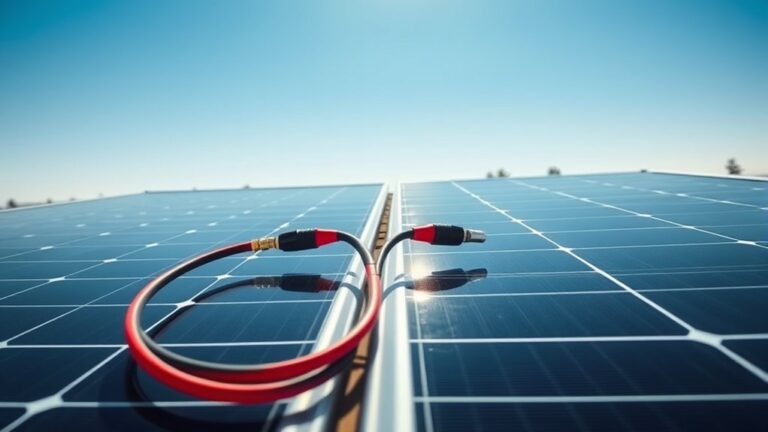
After that, carefully place and fasten the solar panels onto the mounts, ensuring proper alignment and tilt. Connect the panels to the inverter using appropriate wiring, following electrical codes to prevent hazards.
Finally, test the entire system to confirm it operates correctly before sealing and securing all components. By following these steps methodically, you’ll ensure your solar setup performs at its best and lasts for years.
Routine Maintenance Tips
Since proper installation sets the foundation, maintaining your solar modules regularly assures they continue to perform efficiently over time.
You’ll want to keep the panels clean, check for any shading or debris, and inspect wiring for damage. Monitoring output helps catch any issues early on.
Here’s a quick routine maintenance checklist to follow:
| Task | Frequency |
|---|---|
| Clean panels | Every 3-6 months |
| Inspect wiring | Every 6 months |
| Check shading | Monthly |
| Monitor output | Weekly |
How Solar Modules Help Build a Sustainable Future
How exactly do solar modules contribute to building a sustainable future? By converting sunlight into clean, renewable energy, they reduce reliance on fossil fuels, cutting greenhouse gas emissions that harm the planet.
When you install solar modules, you actively lower your carbon footprint and promote energy independence. These modules require minimal maintenance and have long lifespans, making them a durable investment in sustainability.
Plus, as more people use solar power, the demand for cleaner energy grows, encouraging innovation and infrastructure improvements. You’re not just saving on electricity costs—you’re supporting a shift toward greener technology that benefits communities worldwide.
Embracing solar modules means you’re helping create a healthier environment and a more resilient energy system for generations to come. It’s a win-win for everyone!
Frequently Asked Questions
How Long Do Solar Modules Typically Last?
Solar modules typically last around 25 to 30 years. You’ll find they gradually lose efficiency over time, but with proper care, they can keep producing energy well beyond their warranty period.
It’s pretty common for them to keep working even after that 25 to 30-year mark. So, don’t worry too much about them just stopping all of a sudden! With a little maintenance, they’ll keep doing their job for quite a while.
Can Solar Modules Work in Cloudy Weather?
Yes, solar modules can work in cloudy weather, but they produce less energy since they rely on sunlight.
You’ll still get power, just not as much as on bright, sunny days, so plan accordingly. It’s all about making the most of the light that’s available.
Are Solar Modules Recyclable?
Yes, you can recycle solar modules. Many components like glass, metal, and silicon are reusable.
Recycling helps reduce waste and recovers valuable materials, so make sure to dispose of old panels responsibly through certified recycling programs.
What Is the Cost of Replacing a Solar Module?
Switching solar modules sometimes costs between $150 and $350 per panel, depending on your system size and local labor rates.
You’ll want to weigh warranty coverage and installation fees before deciding to replace any panel. It’s a good idea to consider all the costs involved so you don’t get any surprises.
Do Solar Modules Require Special Permits?
Yes, you’ll usually need special permits to install solar modules. Local regulations often require electrical and building permits to guarantee safety and compliance.
It’s a good idea to check with your city or county’s permitting office before starting your installation. They can guide you on exactly what’s needed so you don’t hit any snags.
Conclusion
Now that you know what a solar module is and how it works, you’re well on your way to making smarter energy choices. Installing and maintaining them might seem like a lot, but it’s worth every penny—after all, every cloud has a silver lining.
By embracing solar modules, you’re not just saving on bills; you’re also helping build a cleaner, greener future for everyone. Solar modules convert sunlight into electricity, which means you reduce reliance on fossil fuels and lower your carbon footprint.
So, why wait? Harness the power of the sun today! Investing in solar modules is a step toward energy independence and sustainability. With cleaner energy solutions, you contribute to a healthier planet while enjoying long-term savings. Solar modules truly are an investment in both your wallet and the environment.