Are Solar Panels Worth It for My Alabama State Home?
You’ll find solar panels worth it for your Alabama home thanks to the state’s strong sunlight and helpful incentives that cut upfront costs. Alabama gets around 4.5 to 5 peak sun hours daily, which means plenty of sunshine to power your home and save on energy bills.
With incentives and rebates, the initial installation costs become much more manageable.
You can often reduce your energy bills by half, making solar a smart investment. Installation costs vary, but the long-term savings and boost in property value make it a win-win.
Alabama’s weather does need consideration, but durable solar panels are designed to handle it well. Keep exploring to see how solar fits your needs and budget—it could be the perfect energy solution for your home.
Key Takeaways
- Alabama’s ample sunlight and 213 sunny days annually support efficient solar panel energy production year-round. That means you can count on your system working well most of the time.
- State incentives, tax credits, and net metering help lower installation costs. They also make the return on your investment much better.
- Typical solar installations save Alabama homeowners $50 to $150 monthly. Many folks see their electricity bills cut by 50% or even more.
- When your system is designed right, taking roof orientation and shading into account, it performs at its best. This means you get the most savings over time.
- Plus, solar panels can boost your property value. They also help reduce your carbon footprint and support Alabama’s renewable energy goals. It’s a win-win!
Is Solar Power Worth It for Alabama Homes?
Though Alabama enjoys abundant sunshine, whether solar power is worth it for your home depends on several factors, including your energy usage, local incentives, and installation costs.
If you use a lot of electricity, solar panels can substantially reduce your monthly bills. Alabama offers some state and local incentives that can lower your upfront costs, making solar more affordable.
However, installation expenses vary depending on your roof size, system type, and installer rates. You’ll want to calculate your payback period to see how long it takes to recoup your investment through savings.
Also, consider the long-term benefits like increased home value and energy independence. By weighing these factors carefully, you can decide if going solar aligns with your financial goals and energy needs.
How Much Sunlight Does Alabama Get for Solar Panels?
To determine if solar panels are a smart investment for your Alabama home, you need to understand the amount of sunlight the state receives. Alabama enjoys about 216 sunny days per year on average, providing ample solar energy potential.
The state’s geographic location offers around 4.5 to 5.0 peak sun hours daily, which is a solid range for effective solar panel performance. This means your panels can generate a reliable amount of electricity throughout the year, even in winter months when sunlight is less intense.
While occasional cloud cover and rain can reduce output, Alabama’s overall solar exposure is favorable. So, you can expect your solar system to produce strong energy yields, making solar panels a viable option for your home’s energy needs.
What Local Incentives Make Solar Panels More Affordable?
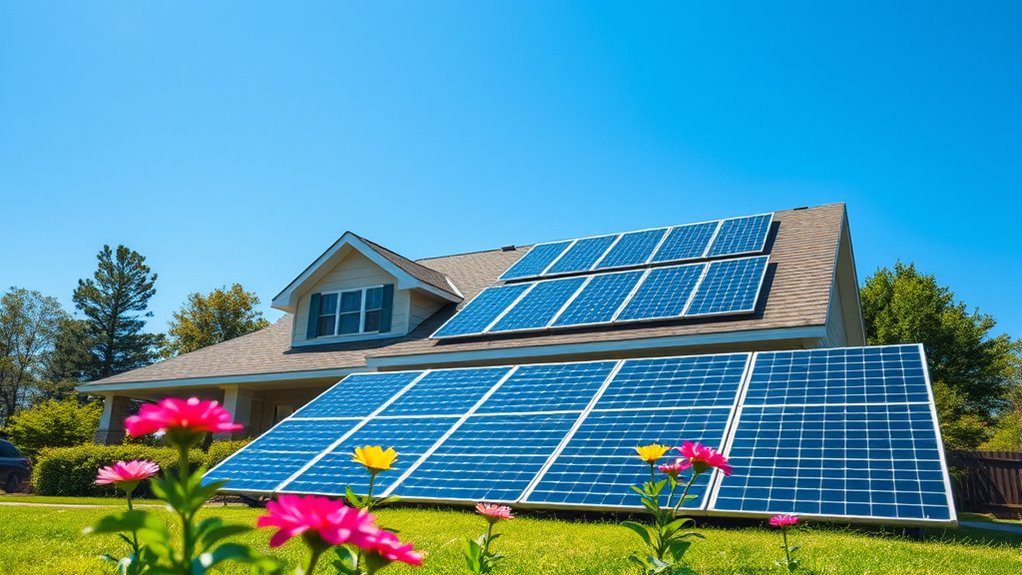
Because installing solar panels can require a substantial upfront investment, taking advantage of local incentives in Alabama can make the cost much more manageable for you. Alabama offers several programs that reduce your initial expenses and improve your return on investment.
Here’s a quick look at key incentives:
| Incentive Type | Description | Benefit to You |
|---|---|---|
| State Tax Credit | Credit on state taxes for solar | Lowers overall tax bill |
| Utility Rebates | Cash rebates from power companies | Reduces installation costs |
| Net Metering | Credit for excess energy produced | Decreases monthly bills |
| Property Tax Exemption | Solar systems exempt from property tax increase | Protects home value |
These incentives can notably cut your costs, making solar panels more affordable and appealing for your Alabama home. So, it’s definitely worth checking out what you qualify for before you start your solar project.
What Energy Savings Can You Expect With Solar Panels?
You can expect to save a significant amount on your monthly electricity bills with solar panels in Alabama. On average, homeowners see noticeable reductions that add up over time.
Understanding these savings helps you decide if solar is the right investment for your home. It’s a smart way to cut costs and increase energy independence.
Average Monthly Savings
Installing solar panels in your Alabama home can cut your electricity bills by 50% or more each month. On average, homeowners save between $50 and $150 monthly, depending on system size, energy use, and sunlight exposure.
Alabama’s abundant sunshine means your panels generate plenty of power, translating into consistent savings. Over time, these monthly reductions add up, helping you recoup your initial investment faster.
Keep in mind, your exact savings will vary with factors like roof orientation and local utility rates. By monitoring your energy consumption and solar output, you can maximize your savings.
Ultimately, the average monthly savings make solar panels a practical choice if you want to lower your energy costs while supporting clean energy. It’s a win-win!
Impact on Electricity Bills
How much can solar panels really trim your electricity bills in Alabama? With abundant sunshine, you can expect significant savings.
Solar panels reduce your reliance on the grid, cutting your monthly expenses dramatically. While exact savings depend on your system size and energy use, many homeowners see reductions between 50% and 90%.
Here’s a quick look at potential savings based on typical monthly bills:
| Monthly Bill Without Solar | Estimated Savings with Solar |
|---|---|
| $100 | $50 – $90 |
| $150 | $75 – $135 |
| $200 | $100 – $180 |
| $250 | $125 – $225 |
How Much Does Solar Installation Cost in Alabama?
Although costs can vary based on system size and roof complexity, you’ll typically spend between $15,000 and $25,000 for a standard solar panel installation in Alabama before incentives. Your total depends largely on the number of panels you need to cover your energy use and the quality of equipment you choose.
Installation labor and permitting fees also factor into the price. Luckily, Alabama offers state incentives and federal tax credits that can considerably lower your upfront cost, making solar more affordable.
When considering the investment, think about how much you’ll save monthly on electricity bills and how long you plan to stay in your home. Getting multiple quotes from local installers can help you find the best deal tailored to your specific needs.
How Alabama Weather Affects Solar Panels’ Performance?
You’ll find that Alabama’s sunlight patterns offer plenty of bright days for your solar panels to generate energy.
However, weather conditions like frequent rain and humidity can affect their efficiency.
Understanding how these factors play a role helps you set realistic expectations for your system’s performance.
Alabama Sunlight Patterns
Because Alabama enjoys abundant sunshine throughout much of the year, your solar panels can generate significant energy even on partly cloudy days. The state averages around 213 sunny days annually, giving you plenty of opportunities to harness solar power.
Even during shorter winter days, the sunlight remains strong enough to keep your panels productive. Understanding these sunlight patterns helps you anticipate energy output and plan your usage efficiently.
| Season | Average Sunlight Hours | Energy Potential |
|---|---|---|
| Spring | 7.5 hours/day | High |
| Summer | 9.0 hours/day | Very High |
| Fall | 6.5 hours/day | Moderate |
| Winter | 5.0 hours/day | Fair |
This consistency means your investment in solar panels will pay off through steady energy gains year-round. So, you can feel confident knowing your panels will keep working hard no matter the season.
Weather Impact On Efficiency
Alabama’s plentiful sunlight sets a strong foundation for solar energy, but local weather conditions can influence how well your panels perform. While sunny days maximize energy production, frequent humidity and occasional storms can reduce efficiency.
High humidity might cause slight drops in output by affecting the panels’ temperature and wiring, though modern panels handle this well. Rain helps by naturally cleaning your panels, improving performance after storms.
However, severe weather like hail or strong winds could damage your system if it’s not properly installed or rated for such conditions. Overall, Alabama’s climate supports effective solar use, but you should choose durable panels and guarantee professional installation to minimize weather-related impacts on your system’s efficiency and longevity.
Frequently Asked Questions
How Long Do Solar Panels Typically Last in Alabama?
Solar panels typically last 25 to 30 years in Alabama. You’ll get consistent energy production during that time, especially with proper maintenance.
Alabama’s climate is generally favorable, so your panels should perform efficiently for decades. It’s a solid investment that pays off over the long run.
What Maintenance Is Required for Solar Panels in Alabama?
You’ll need to clean your panels a couple of times a year and inspect them for debris or shading from trees.
It’s a good idea to have occasional professional checkups too. They help guarantee peak performance, especially after storms common in Alabama’s climate.
Can Solar Panels Increase My Alabama Home’s Resale Value?
Yes, solar panels can boost your Alabama home’s resale value by attracting eco-conscious buyers and lowering energy costs. They’re seen as a smart investment, making your property more appealing.
Plus, having solar panels might help your home sell faster in the market. It’s a win-win for both you and potential buyers!
Are There Any Restrictions for Solar Panel Installations in Alabama Neighborhoods?
You won’t face medieval guild restrictions, but some Alabama neighborhoods have HOA rules limiting solar panel styles or placements. You’ll want to check local covenants and city ordinances before installing to avoid any costly surprises.
It’s always a good idea to look into these rules ahead of time. That way, you can make sure your solar setup fits right in without any headaches.
How Do Solar Panels Affect Alabama Home Insurance Policies?
Solar panels can increase your Alabama home insurance premiums slightly, but many insurers consider them part of your home’s value. You should notify your insurer to guarantee proper coverage and avoid surprises if damage occurs.
It’s a good idea to keep your insurance company in the loop. That way, you know you’re fully covered if anything happens to your solar panels or your home. It’s all about staying protected and avoiding any unexpected costs.
Conclusion
If you’re wondering whether solar panels are worth it for your Alabama home, the answer shines bright. Alabama gets plenty of sunshine throughout the year, which means your solar system can generate a solid amount of energy. Plus, there are local incentives that help bring down the initial cost, making it more affordable than you might think.
Solar power can really lighten your electricity bills and even boost your home’s value. Sure, the weather isn’t perfect every day, and some cloudy or rainy days might slow things down a bit. But overall, going solar is a smart investment that pays off like clockwork.
It’s time to let the sun work for you! With energy savings, increased property value, and Alabama’s sunny climate, solar panels are definitely worth considering for your home. Switching to solar not only helps your wallet but also supports a greener future.