Is My House Good for Solar Power?
You can tell if your house is good for solar power by checking roof orientation—south-facing is ideal, while shading from trees or buildings can hurt efficiency.
Your roof’s material and shape also matter for panel installation.
Make sure your electrical system can handle solar energy and consider how your local climate impacts panel performance.
Incentives can help offset costs.
Keep these basics in mind, and soon you’ll understand what makes your home a strong solar candidate.
Key Takeaways
- South-facing roofs with simple shapes and suitable materials like asphalt or metal are ideal for efficient solar panel installation. They catch the most sunlight, which means more energy for your home.
- It’s best if there’s minimal shading from trees, chimneys, or buildings throughout the day and year. Shade can really cut down on how much solar power you can generate.
- Moderate temperatures between 15-25°C help panels work at their best. If it gets too hot, the panels might not produce as much power as you’d expect.
- Having up-to-date electrical systems and compatible inverters is key for safe and efficient solar integration. Old wiring or equipment can cause problems.
- Financial incentives, net metering, and local rebates can make a big difference. They help improve your return on investment and reduce those upfront costs.
Is Your Home’s Roof Orientation Good for Solar?
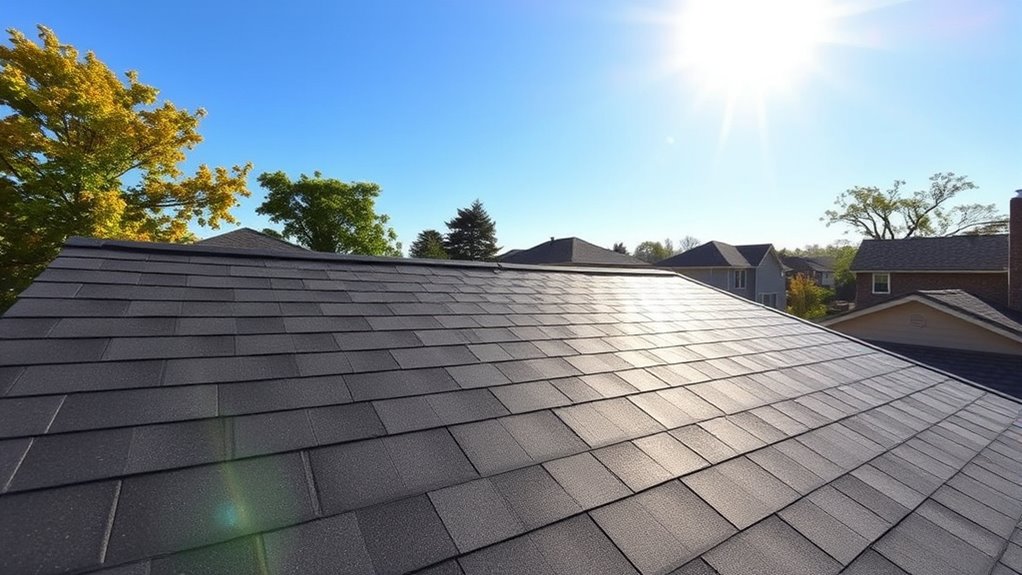
Although many factors affect solar power efficiency, your home’s roof orientation plays a crucial role in how much sunlight your panels will receive. Ideally, your roof should face south if you live in the northern hemisphere. This orientation maximizes sun exposure throughout the day, boosting your solar panels’ energy production.
East- or west-facing roofs can still work but may generate less power, especially during peak hours. North-facing roofs are generally the least effective for solar installation. You should also consider the pitch or angle of your roof; a moderate slope allows for better sunlight capture.
Flat roofs are workable but might require mounting systems to optimize panel tilt. Evaluating your roof’s orientation helps you decide if solar panels will be an efficient investment for your home. So, it’s worth taking a good look before you make the switch!
Why Is Shading Critical for Solar Panels?
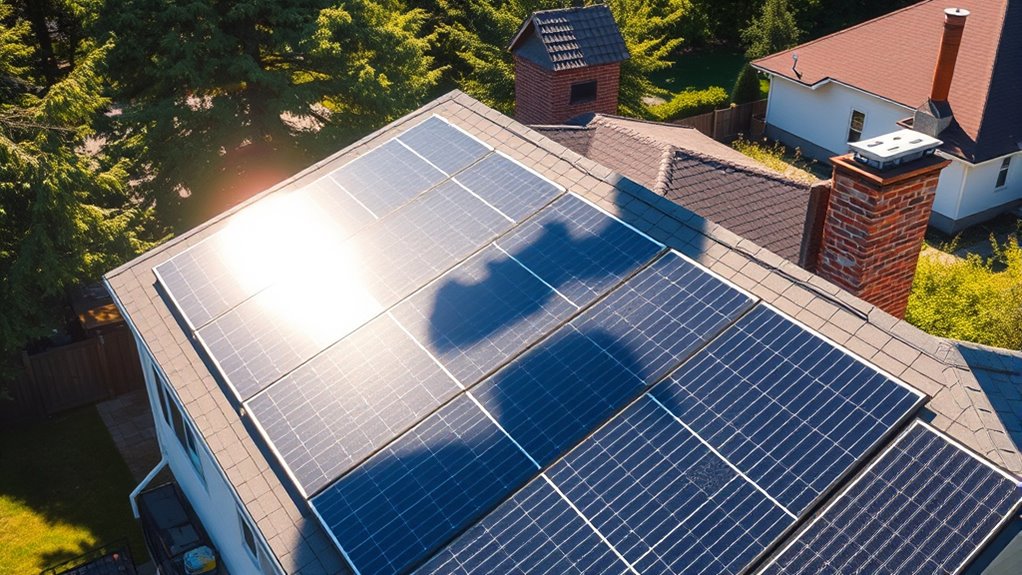
Because even a small amount of shade can considerably reduce your solar panels’ efficiency, understanding shading is crucial when considering solar power.
Solar panels work best with direct sunlight, so shadows cast by trees, chimneys, or nearby buildings can block sunlight and lower energy output.
Even partial shading on one panel can affect the entire system, especially if panels are connected in series. This means your overall electricity production could drop markedly.
By identifying potential shading issues on your roof throughout the day and year, you can make informed decisions about panel placement or trimming nearby foliage.
Keeping your panels free from shade ensures you maximize energy generation and get the best return on your solar investment.
Which Roof Types Work Best for Solar Panels?
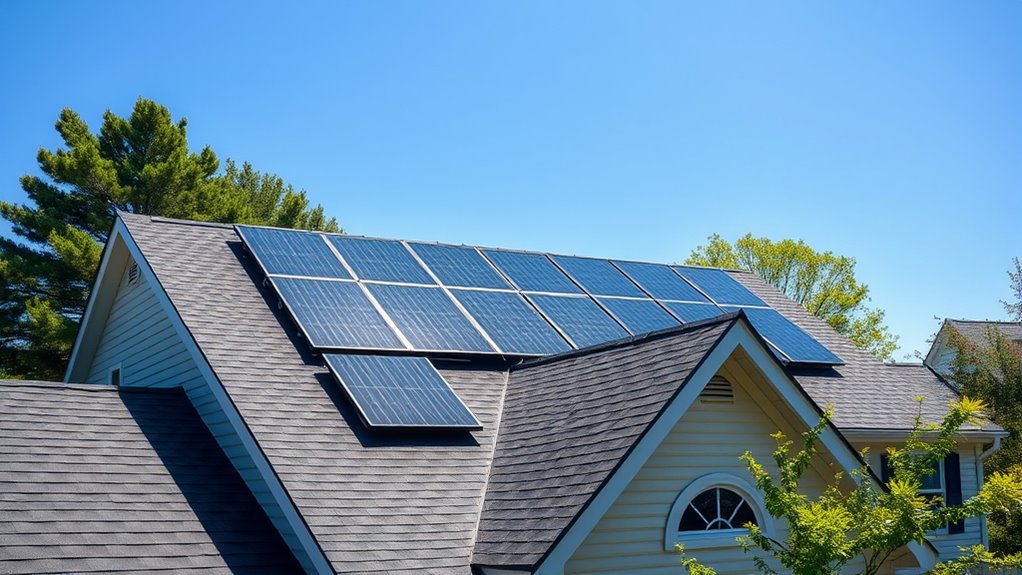
You’ll want to know which roof materials hold up best under solar panels and how your roof’s shape affects installation. The orientation of your roof also plays a big role in how much energy your panels can capture.
Let’s explore what makes a roof ideal for solar power. It’s not just about slapping panels on any surface. The right roof can make a huge difference in performance and durability.
Ideal Roof Materials
When choosing solar panels, the type of roof material you have plays a crucial role in installation ease and panel durability. Asphalt shingles are the most common and generally the easiest and most cost-effective to work with. They provide a sturdy base and allow for secure mounting.
Metal roofs also work great, especially standing seam metal, because you can attach clamps without drilling, reducing potential leaks. Tile roofs, like clay or concrete, can be trickier since tiles might crack during installation. But with professional care, solar panels can be safely mounted.
Avoid installing panels on roofs with materials like wood shakes or slate unless you’re ready for extra precautions and costs. Knowing your roof material helps you plan better and guarantees your solar investment lasts longer.
Roof Shape Considerations
Choosing the right roof material sets a solid foundation, but the shape of your roof also impacts how well solar panels perform. Simple roof shapes like gable or hip roofs offer large, uninterrupted surfaces that make panel installation easier and more efficient.
Flat roofs provide flexibility since you can angle panels precisely, maximizing sunlight exposure. However, complex roof shapes with multiple angles, valleys, or dormers can limit the available space and complicate panel placement, potentially reducing overall system efficiency.
If your roof has steep slopes or unusual contours, it might require custom mounting solutions, increasing costs. By understanding your roof’s shape, you can better gauge how straightforward installation will be and how much energy you can realistically generate with solar panels on your home.
Optimal Roof Orientation
How does your roof’s orientation affect solar panel performance? It’s essential because panels capture the most sunlight when facing the sun directly.
In the Northern Hemisphere, south-facing roofs usually work best, maximizing exposure throughout the day. East- and west-facing roofs can also be effective but might produce less energy.
North-facing roofs generally receive the least sun, making them less ideal.
Here’s a quick overview:
| Roof Orientation | Solar Efficiency Impact |
|---|---|
| South-facing | Highest energy output |
| East/West-facing | Moderate energy output |
| North-facing | Lowest energy output |
Is Your Electrical System Ready for Solar?
Are you sure your electrical system can handle solar power? Before installing solar panels, you need to check if your home’s wiring and electrical panel are up to the task.
Older homes often have outdated panels that may not support the additional load from solar energy systems. You might need to upgrade to a higher-capacity panel to safely integrate solar power.
Also, your system should have a compatible inverter to convert solar energy into usable electricity. Don’t forget to make sure your utility meter can track energy flow both ways if you plan to participate in net metering.
Consulting a licensed electrician to inspect your setup will help identify any necessary upgrades. Preparing your electrical system ensures your solar investment runs efficiently and safely from day one.
How Does Local Climate Affect Solar Panel Efficiency?
You’ll want to take into account how your local climate impacts solar panel efficiency before making a decision. Sunlight intensity can vary throughout the year, and seasonal weather changes may affect how much energy your panels produce.
Plus, higher temperatures can actually reduce panel performance, so it’s important to factor that in. It’s a good idea to think about these things to get the most out of your solar setup.
Sunlight Intensity Variations
When does sunlight shine brightest on your roof? Understanding sunlight intensity variations is key to maximizing your solar panel efficiency.
The strength of sunlight reaching your panels depends on several local climate factors that you can’t control but should definitely consider.
Here are three important factors affecting sunlight intensity:
- Air Quality: Pollution and dust reduce sunlight reaching your panels. This means lower efficiency.
- Cloud Cover: Frequent clouds diffuse sunlight. So, less direct energy hits your panels.
- Altitude: Higher elevations receive stronger sunlight because the atmosphere is thinner. This boosts your panel output.
Seasonal Weather Impact
How do changing seasons affect your solar panel’s performance? Seasonal weather plays a big role in how much energy your panels can generate.
In winter, shorter days and more cloudy skies reduce sunlight, so your system produces less power. Rain and snow can also block sunlight, lowering efficiency temporarily.
Conversely, spring and fall often provide a good balance of sunlight and mild weather, maximizing output. Even though summer days are longer, frequent storms or heavy cloud cover can still limit performance.
Understanding your local climate helps you set realistic expectations for solar energy production throughout the year. Keep in mind that panels still generate power on cloudy days, just less than on sunny ones.
Seasonal changes won’t stop your system but will influence its overall efficiency. So, it’s all about knowing what to expect and planning accordingly!
Temperature Effects on Panels
Why does temperature play such a crucial role in your solar panel’s efficiency? Solar panels don’t perform at their peak when it’s too hot.
As temperature rises, the electrical output drops because the semiconductor materials inside the panels become less effective. So, if you live in a hot climate, your panels might generate less power during the hottest parts of the day despite strong sunlight.
Consider these key points about temperature effects:
- Optimal Range: Solar panels operate best around 15-25°C (59-77°F).
- Efficiency Loss: For every degree above 25°C, efficiency typically drops by about 0.5%.
- Cooling Benefits: Panels installed with good airflow or shade can maintain higher efficiency.
Understanding this helps you set realistic expectations for your solar investment.
What Solar Incentives and Costs Should You Know?
Although installing solar panels can seem costly upfront, you can take advantage of various incentives that considerably reduce your expenses. Federal tax credits, like the Investment Tax Credit (ITC), allow you to deduct a percentage of your system’s cost from your taxes.
Many states and local governments offer additional rebates or credits, so check what’s available in your area. Some utilities provide net metering programs, letting you earn credits for excess energy your system generates.
Keep in mind, costs include equipment, installation, permits, and maintenance. Comparing quotes helps you find the best deal.
Frequently Asked Questions
How Long Do Solar Panels Typically Last on a Home?
Solar panels typically last about 25 to 30 years, but many keep producing electricity beyond that.
You’ll want to maintain them properly to maximize lifespan and efficiency. That way, you can be sure you’re getting the most out of your investment.
Can Solar Panels Increase My Property Value?
Yes, solar panels can increase your property value by making your home more energy-efficient and attractive to buyers. Many people see solar as a long-term savings benefit, so it often boosts your home’s market appeal.
It’s pretty straightforward—buyers love the idea of lower energy bills. Plus, solar panels are good for the environment, which is a big selling point these days. So, having them can definitely make your property stand out.
What Maintenance Is Required for Residential Solar Panels?
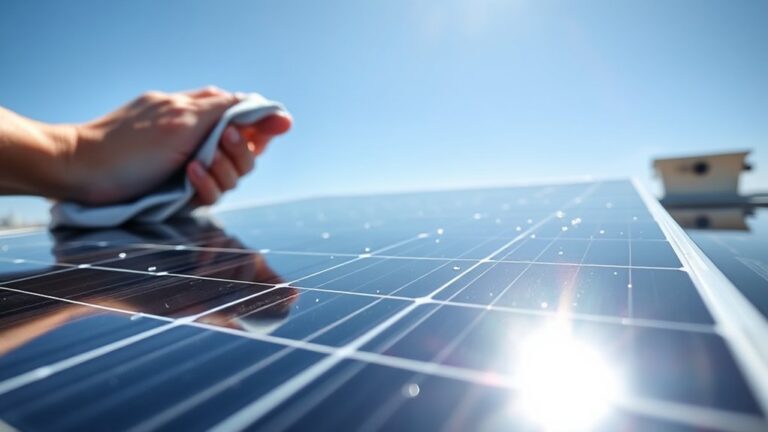
You don’t need to worry much—solar panels require minimal maintenance. Just clean them a couple of times a year and check for debris or damage.
Regular inspections guarantee they keep producing energy efficiently without hassle. It’s really not as complicated as it sounds!
Are Solar Panels Noisy or Disruptive?
No, solar panels aren’t noisy or disruptive. You won’t hear anything while they generate power since they have no moving parts.
They operate silently, so they won’t disturb your daily life or neighbors at all.
How Do Solar Panels Affect Home Insurance?
You’ll likely need to update your home insurance when installing solar panels. They can increase your home’s value and replacement cost, so insurers may adjust your premium or coverage to protect your investment properly.
It’s a good idea to let your insurer know about the new installation. That way, you can make sure you’re fully covered without any surprises down the line.
Conclusion
If your roof faces the right way, isn’t shaded, and your electrical system is ready, your home could be a solar goldmine. Remember, the local climate and available incentives can tip the scales in your favor.
Think of solar power as planting a seed today that grows into years of energy savings and environmental impact. Don’t let uncertainty block your sunshine—embrace solar and watch your home shine brighter every day.
Choosing solar power for your house means investing in clean, renewable energy that can lower your electricity bills and increase your property value. With the right conditions, like a south-facing roof and minimal shade, solar panels can maximize energy production. Plus, many local incentives make going solar more affordable than ever. So, if you’re wondering, “Is my house good for solar power?” the answer could be yes! Solar power isn’t just a smart financial move—it’s a step toward a greener future.