Author: Admin

  • How Can You Store Solar Energy Best?

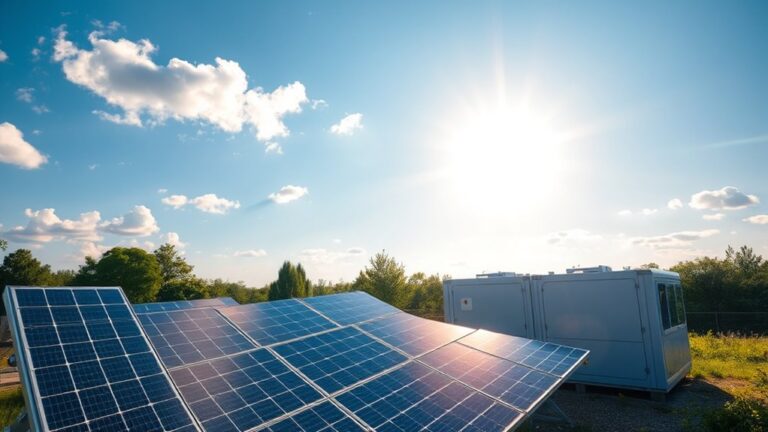
    You can store solar energy best by using efficient batteries like lithium-ion for long-lasting power or thermal storage to hold heat for later use.

    These systems capture excess energy during the day and make it available when the sun isn’t shining. That way, you keep your home powered and reduce reliance on the grid.

    Choosing and maintaining the right system based on your needs and budget will maximize your benefits. Explore more to see which options fit your lifestyle and how to keep them running smoothly.
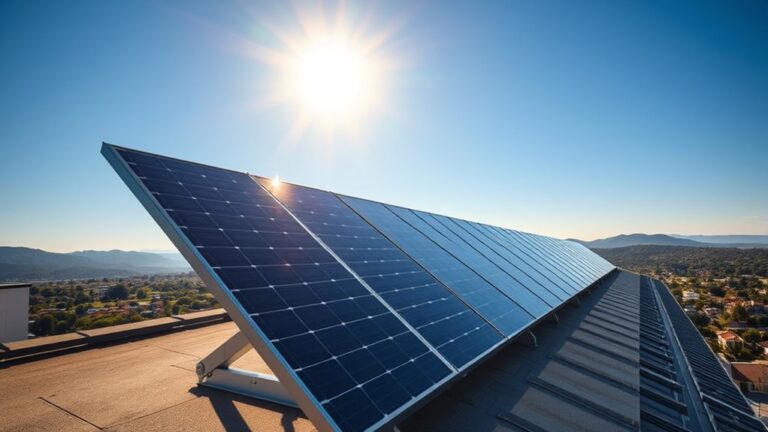
  • How to Cancel Your Solar Panel Contract After Installation

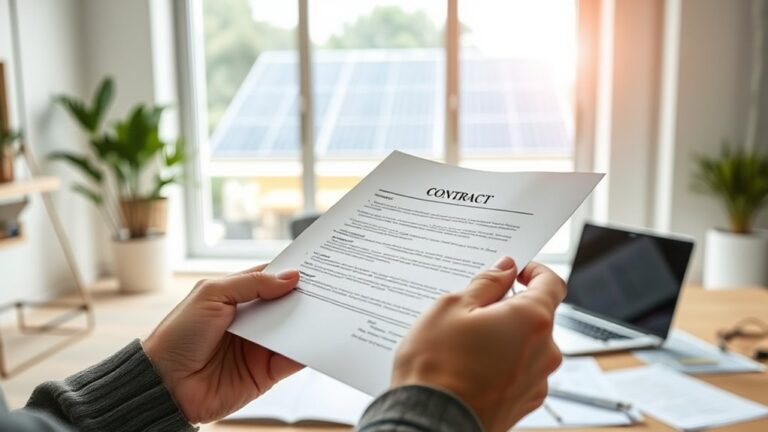
    You can cancel your solar panel contract after installation, but it depends on your contract’s specific terms and local laws. First, review your agreement carefully for cancellation deadlines, fees, and required procedures, like providing written notice.

    Be prepared for potential penalties or loss of warranties. Contact your provider clearly and document everything to guarantee proper processing.

    If you face unclear terms or concerns, consider legal advice. Exploring this further will help you understand your options and next steps.

  • What Direction Do Solar Panels Face?

    You should face your solar panels true south if you’re in the Northern Hemisphere and true north if you’re in the Southern Hemisphere to capture the most sunlight. Adjust the tilt angle based on your location and season for better efficiency.

    Avoid shading from trees or buildings to maximize output. Small direction changes can reduce your system’s performance considerably.

    If you want to reveal more about optimizing panel angles, seasonal tweaks, and helpful tools, there’s plenty to explore ahead.

  • Should You Install Solar Screens Over Lowe Windows for These 7 Benefits?

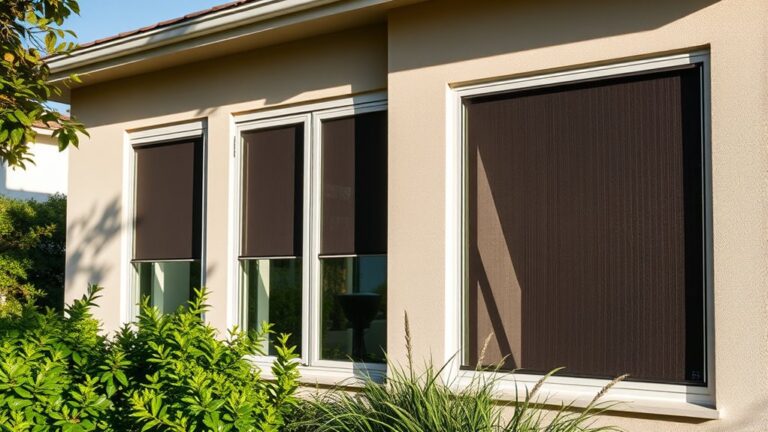
    You should install solar screens over your Lowe windows because they block up to 90% of solar heat, cut cooling costs, and protect your home from UV damage. They reduce glare without obstructing your view and boost privacy while letting in natural light.

    Plus, solar screens extend your windows’ lifespan and improve durability against weather damage. If you want to learn how these benefits combine to enhance your comfort and save money, keep exploring the details.

  • How to Hook Up a Solar Pump to Your Well in 5 Easy Steps

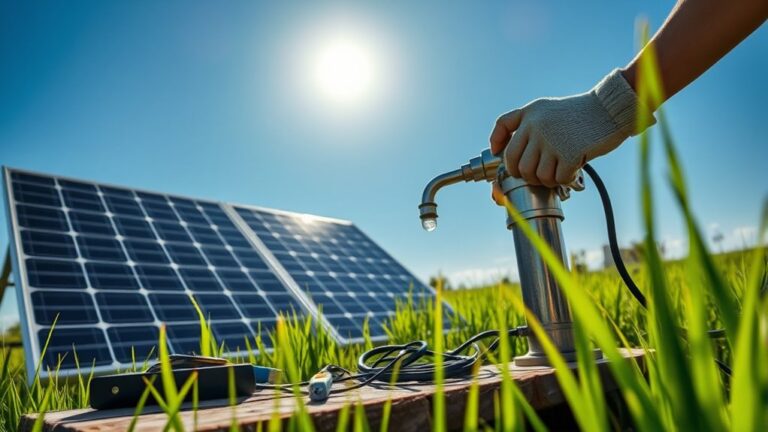
    To hook up a solar pump to your well, start by choosing the right pump based on your well’s depth and water needs. Next, prepare the well by cleaning it and checking for damage or debris.

    Then, install your solar panels in a sunny spot, securely mounting and wiring them properly. After that, connect and configure the pump with tight, weatherproof connections.

    Finally, test the system to guarantee it runs efficiently and meets your water demand. Keep going to uncover tips on optimizing and maintaining your setup.

  • 5 Tips to Generate Solar Leads Effectively

    To generate solar leads effectively, start by defining your ideal customers based on location, property type, and motivations like saving money or going green. Use targeted online ads with clear calls-to-action to reach them where they spend time.

    Optimize your website for mobile use and easy lead capture. Build local partnerships for trusted referrals, and follow up quickly to nurture interest.

    Keep these strategies in mind, and you’ll uncover even more ways to boost your solar lead generation. It’s all about staying focused and connecting with the right people in the right way.

  • 7 Easy Steps to Clean a Solar Light Panel

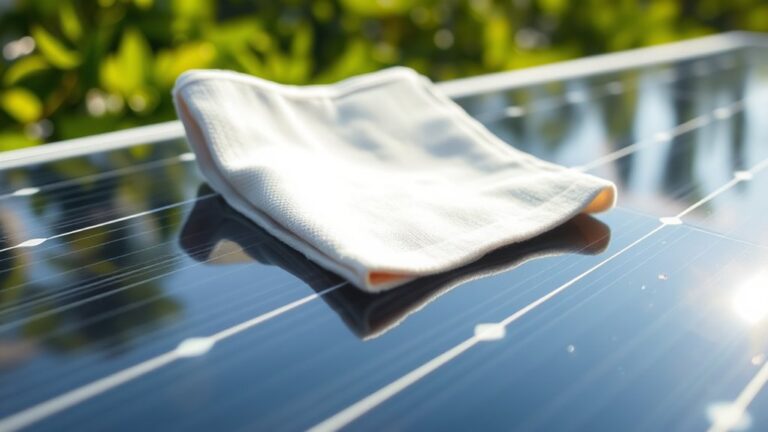
    To clean your solar light panel, first turn off the light and remove loose debris with a soft brush. Mix mild soap with lukewarm water, then gently wipe the panel using a microfiber cloth or sponge.

    Rinse off soap residue with clean water and dry thoroughly to avoid spots. Regular cleaning improves brightness and extends lifespan.

    Doing this twice a year keeps your panel efficient, and you’ll find useful tips on troubleshooting and maintenance ahead to keep your solar lights shining bright.

  • How Many Solar Watts Can a Victron 50 Amp Solar Controller Handle?

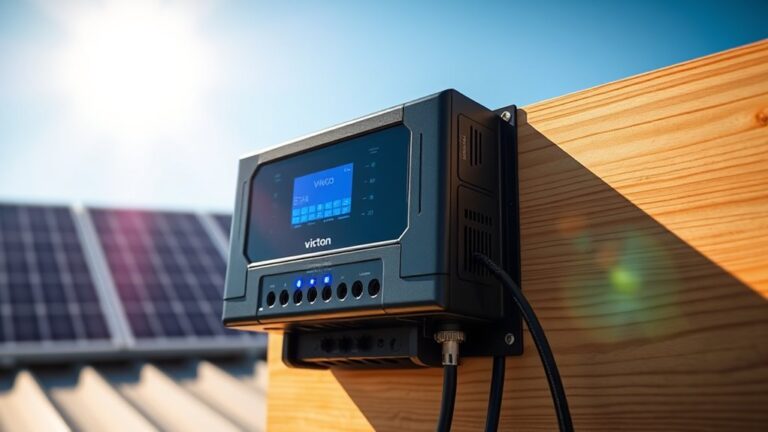
    You can safely handle up to 600 watts on a 12V system, 1200 watts on 24V, or 2400 watts on 48V with your Victron 50 amp solar controller by matching the voltage and current limits precisely.

    Make sure your panel’s total current doesn’t exceed 50 amps to avoid overheating or damage.

    Properly sizing your system protects the controller and batteries while maximizing efficiency.

    Keep exploring to optimize your setup and extend your system’s lifespan.

  • How Do You Wire Solar Panels in 5 Simple Steps

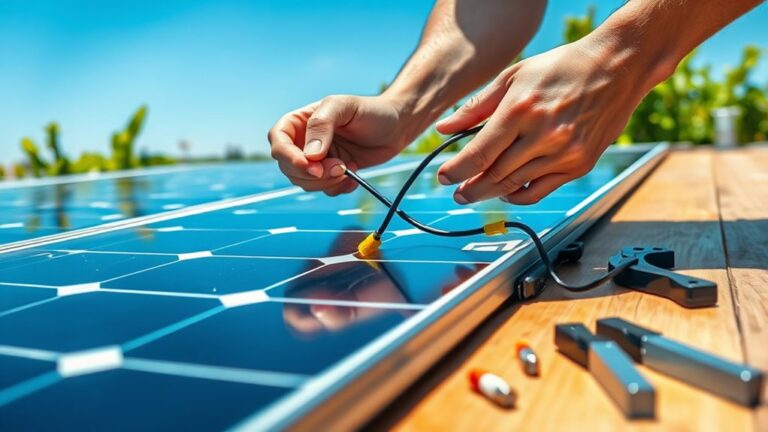
    To wire solar panels in 5 simple steps, first gather tools like wire strippers, MC4 connectors, and solar-rated wiring.

    Next, connect your panels in series to boost voltage or parallel to increase current based on system needs. Then, wire the array to your charge controller, making sure the connections are tight and the polarity is correct.

    After that, link the controller to your battery bank using properly rated cables. Finally, connect the battery bank to your inverter and test the output.

    Keep going to explore each step in detail for a safe setup. It’s easier than you might think when you take it one step at a time!

  • How Do Solar Powered Lights Need Direct Sunlight to Install?

    You need to install solar powered lights where they get at least 4-6 hours of direct sunlight daily to charge their batteries effectively and provide reliable illumination.

    Placing them in shady or obstructed areas reduces charging, causing dimmer lights or shorter runtimes.

    Weather, seasons, and cleanliness also impact performance, so strategic placement and maintenance matter.

    Keep these factors in mind, and you’ll find plenty of ways to optimize your solar lights for any environment.