How to Cancel Your Solar Panel Contract After Installation
You can cancel your solar panel contract after installation, but it really depends on your contract’s specific terms and the local laws where you live.
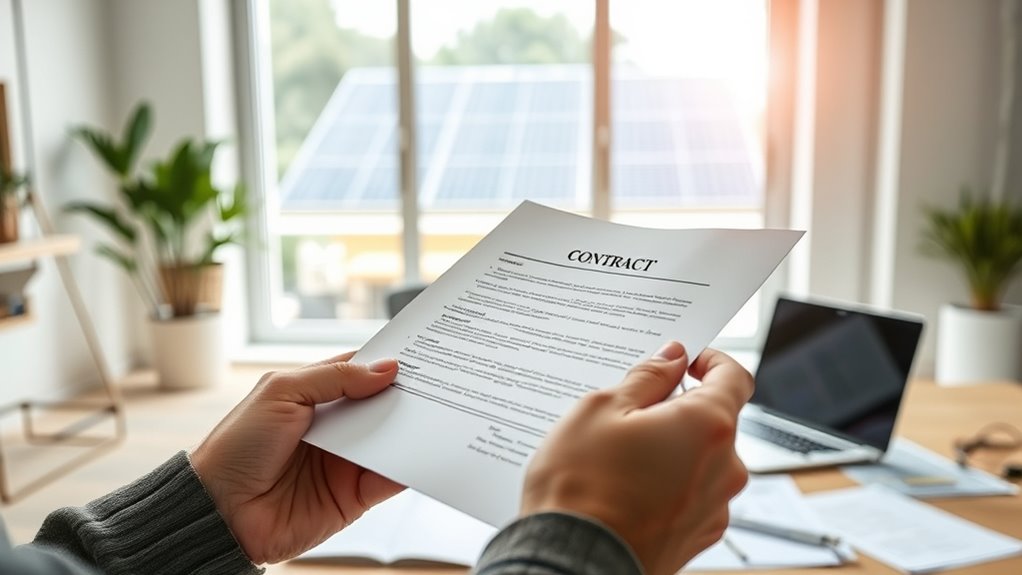
Before anything else, take a close look at your agreement to spot cancellation deadlines, any fees you might face, and the exact steps you need to follow—like giving written notice.
Keep in mind, there might be penalties or even a loss of warranties if you decide to cancel. It’s a good idea to contact your solar provider clearly and keep a record of all communications to make sure everything is handled properly.
If the terms seem confusing or you run into any issues, getting legal advice can be a smart move.
Digging into these details will help you understand your options and decide what to do next with your solar panel contract.
Key Takeaways
- Review your contract carefully for specific cancellation terms, deadlines, and required notice methods post-installation.
- Contact the solar provider in writing, including account details and installation date, to formally request cancellation.
- Be aware of possible fees, penalties, or forfeited payments associated with canceling after installation.
- Consider legal advice to understand financial and warranty implications before proceeding with cancellation.
- Explore alternatives like contract modifications or lease transfers to avoid cancellation complications and fees.
Can You Cancel Your Solar Panel Contract After Installation?
Wondering if you can cancel your solar panel contract after installation? The short answer is: it depends. Once the panels are installed, many contracts become more binding, making cancellation trickier.
However, some situations might allow you to back out, like if the system isn’t performing as promised or if there were misrepresentations during the sale. You’ll need to review local laws, as some regions offer consumer protections that let you cancel within a specific period even after installation.
Keep in mind, though, that canceling at this stage often involves more complexity and potential costs than canceling before installation. So while it’s not impossible, you should prepare for some challenges if you want to cancel your solar panel contract after the panels are already up.
Check Your Solar Panel Contract’s Cancellation Terms and Fees
After installation, your ability to cancel your solar panel contract largely depends on what the contract itself says about cancellations. You should carefully review the cancellation clause to understand any deadlines or conditions for canceling.
Some contracts include a specific window—often a few days or weeks—during which you can cancel without penalty. Beyond that, fees may apply, such as early termination charges, administrative costs, or payment for installed equipment.
It’s essential to identify these fees upfront to avoid unexpected expenses. If the contract isn’t clear, don’t hesitate to contact your provider for clarification or even seek legal advice.
Knowing the exact terms and fees helps you make informed decisions and prepares you for any financial implications if you decide to proceed with cancellation.
Common Reasons to Cancel Your Solar Panel Contract

Why might you want to cancel your solar panel contract even after installation? You could face unexpected issues like poor system performance, where the panels don’t generate the energy promised.
Maybe you discovered hidden fees or misleading contract terms after signing. Sometimes, the installation quality might be subpar, causing damage or safety concerns.
Hidden fees or poor installation quality can lead to unexpected costs and safety risks.
You might also experience aggressive sales tactics or feel pressured into a contract you no longer want. Changes in your financial situation, such as losing incentives or tax credits, can make the contract less affordable.
Finally, if your provider fails to honor warranties or support agreements, canceling might be your best option. Recognizing these common reasons helps you decide when canceling is necessary.
How to Contact Your Solar Provider to Cancel Your Contract
Start by locating your solar provider’s contact information. You can usually find this on your contract or their official website.
When you reach out, clearly state your intention to cancel. Be sure to provide any relevant details like your account number.
Keeping your communication direct and documented will help guarantee the process goes smoothly. It’s always good to keep a record just in case you need to follow up later.
Finding Provider Contact Information
Where can you find the contact details for your solar provider when you need to cancel your contract? Start by checking your original contract documents. Providers usually include customer service numbers, email addresses, or a dedicated cancellation contact there.
If you can’t find the paperwork, don’t worry! Just visit the company’s official website and look for a “Contact Us” or “Support” section.
Sometimes, social media pages have the latest contact info too. They can be super helpful if other methods don’t work.
Also, take a look at your installation agreement or billing statements. These often have direct phone numbers or email addresses listed.
And if you bought through a third party or broker, reach out to them. They might be able to help you get in touch with your provider.
Having the right contact info ready means you can move forward quickly when you’re ready to cancel.
Communicating Your Cancellation Request
Once you have your solar provider’s contact information, the next step is reaching out to communicate your cancellation request clearly and professionally. Start by calling their customer service line to explain your intention to cancel.
Then, follow up with a written notice via email or certified mail to create a formal record. Be direct about your decision and include key details like your contract number, installation date, and reasons for cancellation.
Keep your tone polite but firm to avoid misunderstandings. Also, request confirmation of your cancellation in writing and ask about any next steps, such as equipment removal or final payments.
Make sure to document every interaction and save copies of all correspondence. This approach guarantees your cancellation is clear and helps protect your rights throughout the process.
Alternatives to Cancelling Your Solar Panel Contract
Before you cancel, consider modifying your contract to better fit your needs or explore lease buyout options.
These alternatives can save you time and money while keeping your solar benefits intact.
Let’s look at how these solutions might work for you.
Contract Modification Options
Although cancelling your solar panel contract might seem like the only solution, you can often modify the agreement to better suit your needs. Adjusting terms like payment schedules, system size, or service options can save you from the hassle of cancellation.
Here’s a quick overview of common contract modifications:
| Modification Type | Description | Benefit |
|---|---|---|
| Payment Plan Change | Alter monthly or lump-sum terms | Easier budgeting |
| System Size Adjustment | Scale system up or down | Matches energy needs |
| Service Level Update | Change maintenance or monitoring | Tailored support |
| Contract Term Length | Extend or shorten duration | Flexibility in commitment |
| Equipment Upgrade | Swap or add components | Improved performance |
It’s a good idea to talk to your provider to explore these options before deciding to cancel. You might find a modification that fits you better!
Lease Buyout Alternatives
Wondering if you can keep your solar panels without cancelling your lease? Instead of ending your contract, consider a lease buyout. This lets you own the system outright, saving you from monthly payments and potentially increasing your home’s value.
You can negotiate a buyout price with the leasing company; it’s often based on the remaining contract balance or the system’s fair market value. Another option is transferring the lease to a new homeowner if you’re selling your property.
This way, the new owner assumes the lease, and you’re released from obligations. Both alternatives avoid the hassles of cancellation fees and contract disputes while keeping your solar benefits intact.
Explore these options before deciding to cancel—one might fit your needs better.
What to Expect After You Cancel Your Solar Panel Contract
When you cancel your solar panel contract, you can expect several immediate and follow-up steps from the company. First, they’ll confirm your cancellation in writing, outlining any fees or refunds due.
Next, the company may schedule a site visit to assess the system’s status and discuss removal or continued maintenance options. After that, you’ll receive final billing statements, including any outstanding balances or prorated charges.
Keep in mind, your contract terms dictate the exact process, so review them carefully. Also, cancellation might affect warranties or incentives linked to your system.
Frequently Asked Questions
How Do Solar Panels Affect My Home Insurance?
Solar panels typically increase your home’s value, so your insurance might go up. You’ll want to notify your insurer to update coverage, ensuring panels are protected from damage or theft.
That way, you won’t have any surprises when you file your next claim. It’s a simple step that keeps everything covered and gives you peace of mind.
Can I Transfer My Solar Contract to a New Homeowner?
Yes, you can transfer your solar contract to the new homeowner, but it’s not automatic. You’ll need the company’s approval, and the buyer must agree.
It’s simple yet requires clear communication and paperwork to finalize. Just make sure everyone is on the same page to keep things smooth.
What Happens to My Solar Tax Credits After Cancellation?
If you cancel your solar contract, you usually lose eligibility for federal tax credits since the system must be in service. You won’t claim credits for equipment removed or unused.
Are There Environmental Impacts of Removing Solar Panels?
Yes, removing solar panels can have environmental impacts like waste generation and resource loss. You should recycle components properly to minimize harm and reduce landfill waste.
This helps protect the environment while responsibly handling the equipment. It’s really important to think about what happens to the panels after they’re taken down. That way, we can keep things green and sustainable!
How Do Solar Panels Impact My Property Value?
You’ll likely see your property value increase with solar panels since many buyers appreciate lower energy costs and eco-friendliness.
Just make sure your system’s well-maintained and properly documented to maximize its appeal and value.
Conclusion
If you find yourself needing to part ways with your solar panel contract, remember it’s all about knowing your options and staying informed. Take a moment to review your agreement and reach out to your provider with confidence.
Sometimes, a little adjustment or alternative solution can brighten your energy journey without a full goodbye. It’s worth exploring these possibilities before making any final decisions.
Whatever you choose, you’re steering your solar experience in the direction that feels right for you. Canceling your solar panel contract after installation might seem daunting, but understanding your rights and options can make the process smoother. Stay proactive, communicate clearly, and consider all alternatives to ensure your energy needs and financial interests are protected. Your solar panel contract cancellation can be handled thoughtfully, helping you move forward with confidence in your renewable energy choices.