How Do Solar Powered Lights Need Direct Sunlight to Install?
You need to install solar powered lights where they get at least 4-6 hours of direct sunlight daily to charge their batteries effectively and provide reliable illumination. Without enough sun, your lights won’t charge fully, which means they’ll be dimmer or won’t stay on as long as you want.
Placing them in shady or obstructed areas reduces charging, causing dimmer lights or shorter runtimes. Weather, seasons, and cleanliness also impact performance, so strategic placement and maintenance matter.
Keep these factors in mind, and you’ll find plenty of ways to optimize your solar lights for any environment. It’s all about making sure your solar lights soak up enough sunlight and stay well cared for to shine bright when you need them.
Key Takeaways
- Solar lights need about 4-6 hours of direct sunlight each day to charge up properly and work their best.
- Try to avoid putting them in shaded spots or places blocked by trees or buildings, especially during the sunniest parts of the day.
- It helps to angle the solar panels so they face the path of the sun. That way, they soak up as much energy as possible.
- Don’t forget to clean the panels regularly. Dust, debris, or snow can block sunlight and make them less efficient.
- If your area is often shady or doesn’t get much light, go for high-efficiency panels. Also, pick good-quality batteries to keep your lights shining bright.
Do Solar Lights Need Full Sun to Work?
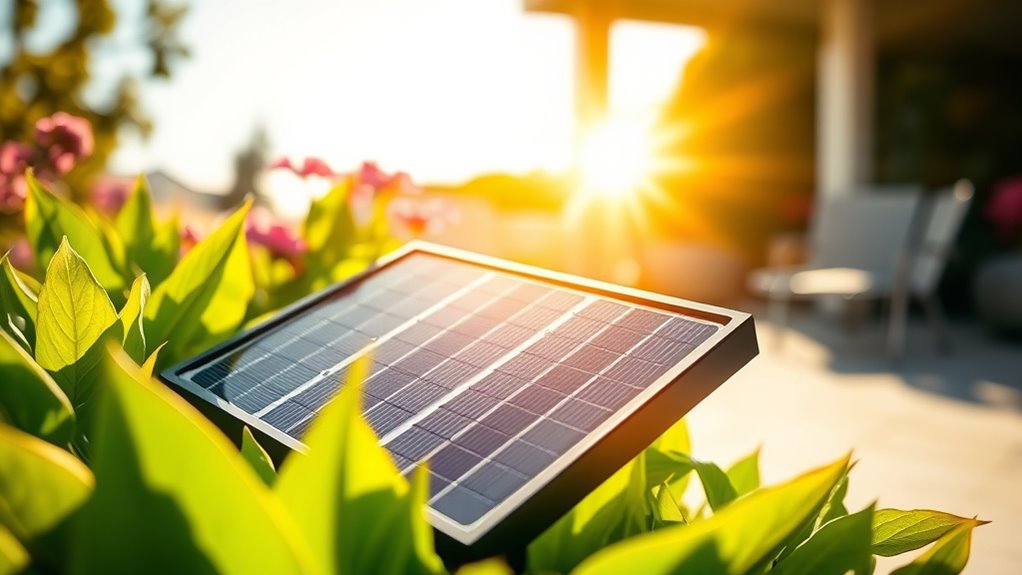
Although solar lights don’t always require full sun, they do need a good amount of direct sunlight to charge effectively. If you place them in a shaded area or indoors, they won’t collect enough energy to power the light through the night.
While some solar lights can work in partial shade, their performance will drop, resulting in shorter illumination times. You should aim to install your solar lights where they receive at least 4-6 hours of direct sunlight daily.
This guarantees the batteries charge fully and the lights operate at their best. Avoid spots blocked by trees, buildings, or other obstructions during peak sunlight hours.
How Weather and Seasons Affect Solar Lights’ Charging
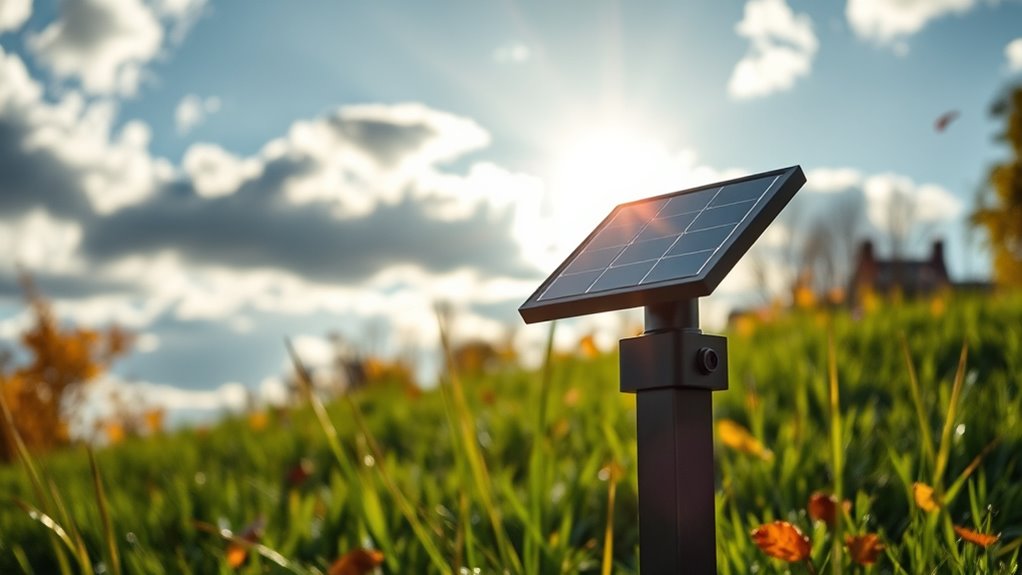
Besides choosing the right location for your solar lights, you also need to take into account how weather and seasonal changes impact their ability to charge. Cloudy days, rain, and snow reduce the sunlight reaching the solar panels, which means your lights may not charge fully or last as long overnight.
During winter, shorter daylight hours and the sun’s lower angle limit exposure, so expect reduced charging efficiency. Dust, snow, or debris covering the panels can further block sunlight, so regularly clean them to maintain performance.
While solar lights generally adapt to varying conditions, consistent direct sunlight guarantees maximum charging. So, being mindful of weather patterns and seasons helps you position and maintain your solar lights for the best possible brightness and reliability.
Solar Light Performance in Partial Sunlight
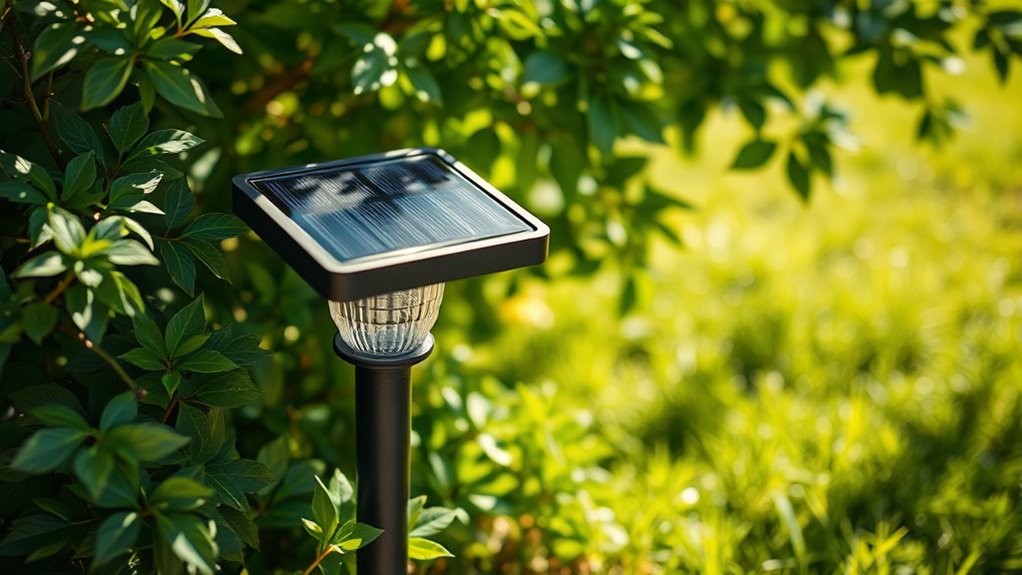
If your solar lights only get partial sunlight, their charging efficiency will drop, affecting how long the battery lasts. You’ll need to take battery life into account carefully to avoid frequent replacements.
Try to position your lights where they receive the most sun exposure possible for the best performance. That way, you’ll get the most out of your solar lights without any hassle.
Impact On Charging Efficiency
When your solar lights don’t get full sunlight, their charging efficiency drops markedly. Solar panels rely on direct sunlight to convert energy effectively.
If your lights are shaded by trees, buildings, or other obstacles, they won’t absorb enough sunlight during the day. This results in weaker charging, leading to shorter illumination periods at night. You might notice the lights dimming earlier than expected or flickering.
While partial sunlight can still charge the panels, it’s far less efficient, meaning the batteries don’t reach full capacity. To maintain good charging efficiency, place your solar lights where they receive at least 6 hours of direct sun daily.
Even a small increase in sunlight exposure can considerably boost their performance and reliability.
Battery Life Considerations
Although solar lights can still function in partial sunlight, their battery life often suffers because of reduced charging capacity. When the solar panel doesn’t get enough direct sunlight, it struggles to fully recharge the battery. This causes shorter illumination times.
You’ll notice your lights dim earlier or turn off sooner than you expected. To manage this, keep a few things in mind:
- Battery type and quality affect how well it holds charge.
- The amount of daily sunlight impacts charging efficiency.
- Temperature extremes can degrade battery performance.
- Frequent cloudy or shaded conditions reduce overall battery lifespan.
Optimal Placement Strategies
Since solar lights rely on sunlight to charge, you’ll want to place them where they receive the most exposure possible, even if full direct sunlight isn’t available. Look for spots with at least four to six hours of indirect or partial sunlight daily.
Avoid heavy shade from trees, buildings, or fences that block light for extended periods. You can also angle the solar panel toward the sun’s path to maximize energy absorption throughout the day.
If your location has limited sunlight, consider models with larger or more efficient panels designed for low-light conditions. And don’t forget to regularly check and clean the panels to make sure dirt or debris doesn’t reduce performance.
Strategic placement like this helps maintain consistent brightness and extends battery life, even in less-than-ideal sunlight. It really makes a difference!
Best Places to Install Solar Lights Without Full Sun
Even if your outdoor space doesn’t get full sun, you can still find great spots to install solar lights. Look for areas that receive at least partial sunlight during the day to allow the solar panels to charge adequately.
Don’t worry if your space isn’t full sun—partial sunlight is enough to power your solar lights.
Try to find places where indirect light is available or where sunlight filters through for a few hours. It’s all about catching those rays, even if they’re not full-on.
Here are some ideal spots to consider:
- Near south or west-facing windows that get afternoon sun
- Under tree canopies with dappled sunlight
- Along fences or walls that catch some light during the day
- On balconies or patios with partial shade
Tips to Boost Solar Light Performance in Shade
Finding spots with partial sunlight helps your solar lights charge better, but you can also take steps to improve their performance in shaded areas. First, regularly clean the solar panels to remove dust and debris that block sunlight.
Trim nearby branches and foliage to increase light exposure throughout the day. Position the lights at angles that maximize any available sunlight, even if indirect.
You might also consider installing reflective surfaces, like light-colored walls or mirrors, near your solar lights to bounce extra light onto the panels. Additionally, swapping out older batteries for new, high-capacity rechargeable ones can boost energy storage.
Choosing Solar Lights for Low-Light Conditions
When you’re picking solar lights for low-light spots, look for models designed to work well in shade. You’ll want lights with efficient batteries that store more energy even when sunlight is limited.
This way, your lights stay bright longer, no matter the conditions. It’s all about getting the most out of what little sun you have.
Types Suitable For Shade
Although solar lights typically perform best in direct sunlight, you can still find types designed to work well in shaded areas. When choosing solar lights for spots with limited sun exposure, look for models with highly efficient solar panels and sensitive light sensors.
These features help the lights capture and use even minimal sunlight effectively. So, even if your spot doesn’t get tons of sun, you can still get decent lighting.
Here are some types suitable for shade:
- Monocrystalline panels, which have higher efficiency than polycrystalline.
- Lights with larger solar panels to collect more light.
- LED bulbs that consume less power.
- Adjustable or repositionable solar panels to catch the best available light.
Battery Efficiency In Low Light
Since low-light conditions limit the energy your solar lights can harvest during the day, you need batteries that maximize efficiency and store power effectively. Look for lithium-ion or lithium iron phosphate batteries, as they offer higher energy density and longer lifespan compared to traditional nickel-metal hydride or lead-acid batteries.
These advanced batteries retain charge better and perform well even with minimal sunlight. Also, choose solar lights designed with smart charging controllers that prevent overcharging and optimize battery usage.
This guarantees your lights stay bright longer during cloudy days or shaded areas. By prioritizing battery efficiency, you’ll enjoy reliable illumination even when direct sunlight is scarce, making your solar lights practical and effective in low-light environments.
Frequently Asked Questions
How Long Do Solar Lights Typically Last Before Needing Replacement?
Solar lights typically last 2 to 5 years before needing replacement. You’ll notice performance drops as batteries wear out, so swapping them every couple of years keeps your lights shining bright and efficient.
It’s pretty normal for the brightness to fade over time. Just keep an eye on how well they’re working, and you’ll know when it’s time for fresh batteries or new lights altogether.
Can Solar Lights Be Painted or Customized Without Affecting Performance?
You can paint or customize solar lights, but avoid covering the solar panel or light sensor. Use light, non-toxic paint to keep performance intact.
Otherwise, you might reduce their ability to charge and shine properly. So, it’s best to be careful with where and how you apply paint.
Are Solar Lights Safe to Use During Thunderstorms or Heavy Rain?
You’ll be glad to know 90% of solar lights are waterproof and safe during heavy rain or thunderstorms.
Just make sure your lights have an IP65 rating or higher to keep them protected and working perfectly in bad weather.
How Do Solar Lights Store Energy for Nighttime Use?
Solar lights store energy in built-in rechargeable batteries. During the day, the solar panel converts sunlight into electricity, charging the battery.
Then, at night, the light uses this stored energy to shine automatically until the battery drains. It’s a simple but clever way to keep things bright when the sun goes down!
What Maintenance Is Required to Keep Solar Lights Functioning Properly?
You’ll need to clean the solar panels regularly, replace batteries every 1-2 years, and check for damage or corrosion.
Keeping panels free from dirt and shade guarantees your solar lights work efficiently all night long.
It’s pretty simple, but these small steps make a big difference in how well your lights perform. Just a little upkeep goes a long way!
Conclusion
You don’t need to have your solar lights basking in full sun all day to keep them shining bright. While direct sunlight charges them best, they can still perform well in partial shade or cloudy weather with the right placement and care.
Just remember, where there’s a will, there’s a way—so by choosing the right lights and positioning them smartly, you’ll keep your outdoor space glowing no matter the light conditions.
In short, solar powered lights don’t always need direct sunlight to work effectively. With proper installation and a bit of planning, even areas with limited sun exposure can enjoy bright, energy-efficient lighting. So, when installing your solar powered lights, focus on finding spots that get the most sunlight possible during the day, but don’t worry if it’s not full sun all day long. This way, your solar lights will stay charged and your outdoor area beautifully lit.