Author: Admin

  • What Are the Best Ways to Store Solar Energy?

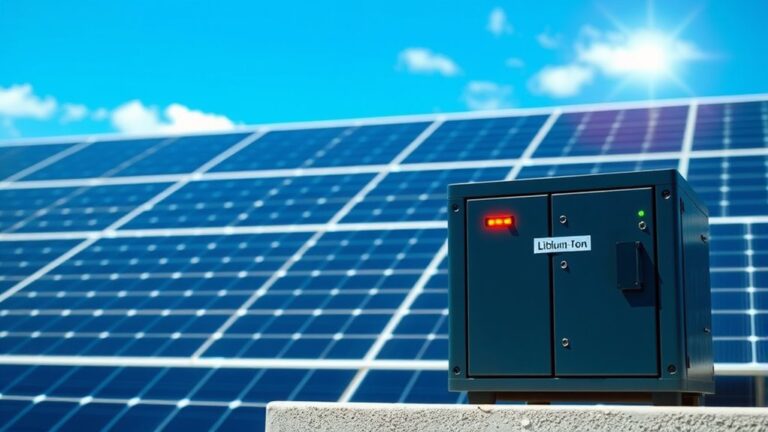
    You can store solar energy efficiently using batteries, thermal systems, or mechanical methods based on your needs and budget. Batteries like lithium-ion offer quick, compact storage with high efficiency.

    Flow batteries, on the other hand, suit larger, long-term use. Thermal storage captures heat for later use, which can be really handy.

    Mechanical options like pumped hydro and flywheels provide durable, large-scale solutions. Each method has unique benefits, so exploring their differences will help you find the best fit for your solar setup.
  • How to Connect Solar Panels in 5 Easy Steps

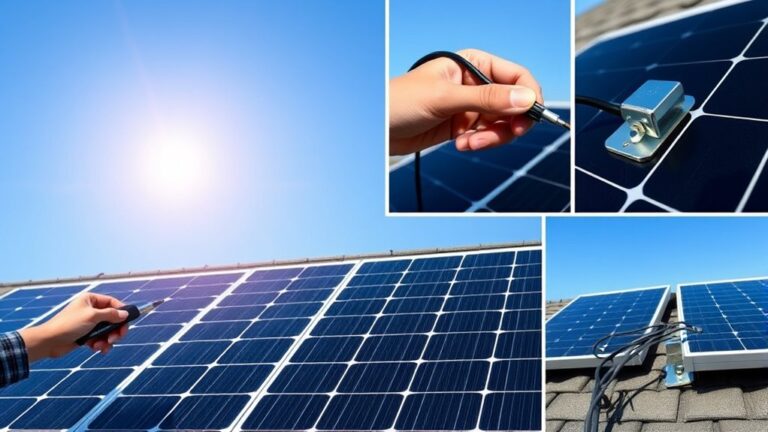
    First, gather all necessary tools like solar panels, mounting brackets, wiring, and safety gear. Next, connect your panels in series or parallel based on your system’s voltage and current needs.

    Then, wire the panels to the charge controller, ensuring correct polarity and secure connections. After that, link the charge controller to the battery bank with proper cables and safety fuses.

    Finally, connect the inverter, test the system, and monitor performance to confirm everything runs smoothly. Keep going to uncover detailed tips for a flawless setup.

  • How Much Electricity Does One Solar Panel Produce?

    You can expect one solar panel to produce between 250 and 400 watts under ideal sunlight, generating about 1 to 1.6 kilowatt-hours daily. This varies with factors like sunlight intensity, panel size, efficiency, and temperature.

    Proper placement and weather conditions also play a big role in performance. While a single panel suits small devices or limited energy needs, understanding how these factors influence output helps you maximize its potential.

    Keep exploring to see how it all works together.

  • How Much Do Solar Panels Cost in Arizona: 10 Facts

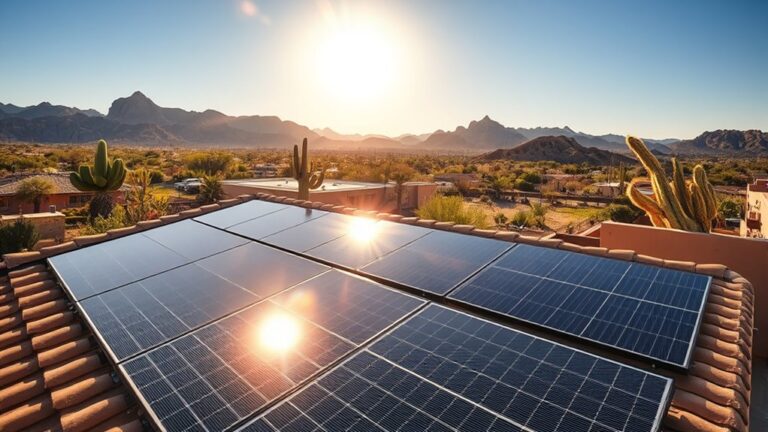
    You’ll typically spend between $15,000 and $25,000 on solar panels in Arizona, but costs depend on your system size, panel quality, and installation complexity. Larger systems are cheaper per watt but cost more overall.

    Premium panels last longer and handle heat better but cost more upfront. Don’t forget about incentives like federal tax credits and utility rebates that can lower your expenses.

    Maintenance and labor also add to costs. Keep going to explore these factors in detail and make the best choice.

  • How to Position Solar Lights and Do They Need Direct Sunlight

    You should position your solar lights where they get at least six hours of direct sunlight daily to charge fully and shine brightly at night. Avoid placing them near trees, walls, or furniture that cast shadows, and keep panels clean from dirt and debris.

    Adjust placement seasonally as the sun’s angle changes to maintain strong charging. Following these tips guarantees your lights perform well, and exploring more can help you optimize their brightness and lifespan.

  • Top 10 Do It Yourself Solar System Kits for 2027

    If you’re looking for the top 10 DIY solar system kits for 2027, consider your energy needs, budget, and space. Choose between efficient monocrystalline or cost-friendly polycrystalline panels.

    Budget kits offer easy setups, while mid-range ones come with smarter batteries and monitoring. High-capacity kits handle bigger loads, and portable options suit outdoor use.

    Don’t forget essential accessories and regular maintenance for peak performance. Keep exploring to find the perfect system and master installation and upkeep tips.

  • How to Use 435W Solar Panels on My RV

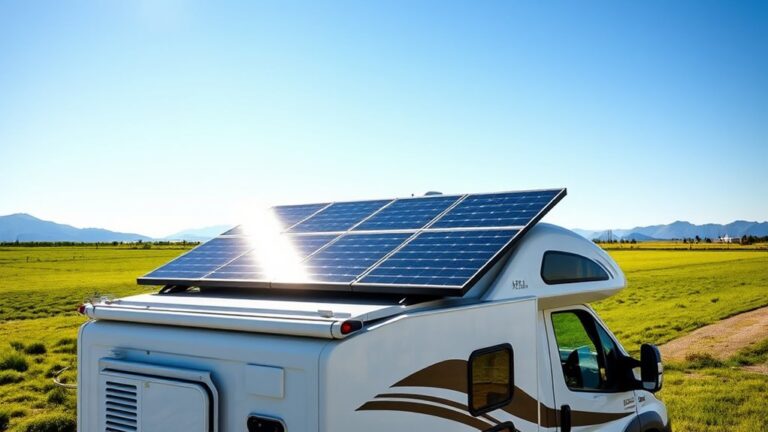
    You can use 435W solar panels on your RV to maximize power without taking extra roof space. Start by selecting panels that fit your roof and work with your existing batteries and controllers.

    Gather essential tools like a cordless drill, multimeter, and safety gear before mounting the panels securely with brackets and waterproof connectors. Angle them toward the sun and keep them clean to boost output.

    Follow along to explore installation tips and troubleshooting advice for smooth off-grid power. It’s easier than you might think once you get started!

  • How Apartment People Can Get IRS Solar Tax Relief

    If you live in an apartment, you can still qualify for IRS solar tax credits by partnering with your landlord to install solar panels.

    Or, you can join community solar projects and shared solar systems where you own a portion of the energy produced. These options let you benefit without installing panels yourself.

    Solar subscriptions also help you save on energy costs. Keep exploring to find out how to maximize your solar savings and make the most of these opportunities.

  • Are Solar Panels Worth It in Ohio?

    You can definitely save money and shrink your carbon footprint by installing solar panels in Ohio. While the state’s seasonal sunlight varies, panels still produce power year-round.

    Federal tax credits and local incentives help lower upfront costs. Ohio’s electricity rates and net metering also boost your long-term savings.

    With efficient panel options and proper roof placement, solar pays off over time. If you want to understand costs, climate effects, and incentives in detail, keep exploring.

  • 3 Reasons Solar Panels Are Worth It in My State Kansas

    You’ll love harnessing Kansas’s abundant sunshine, which keeps your solar panels productive year-round and resilient through all seasons. Installing solar panels cuts your energy bills by generating free power, plus you can earn credits with net metering as energy prices rise.

    On top of that, solar systems boost your home’s value and appeal, making your property stand out in the market. Keep exploring to discover how these benefits can work for you.