
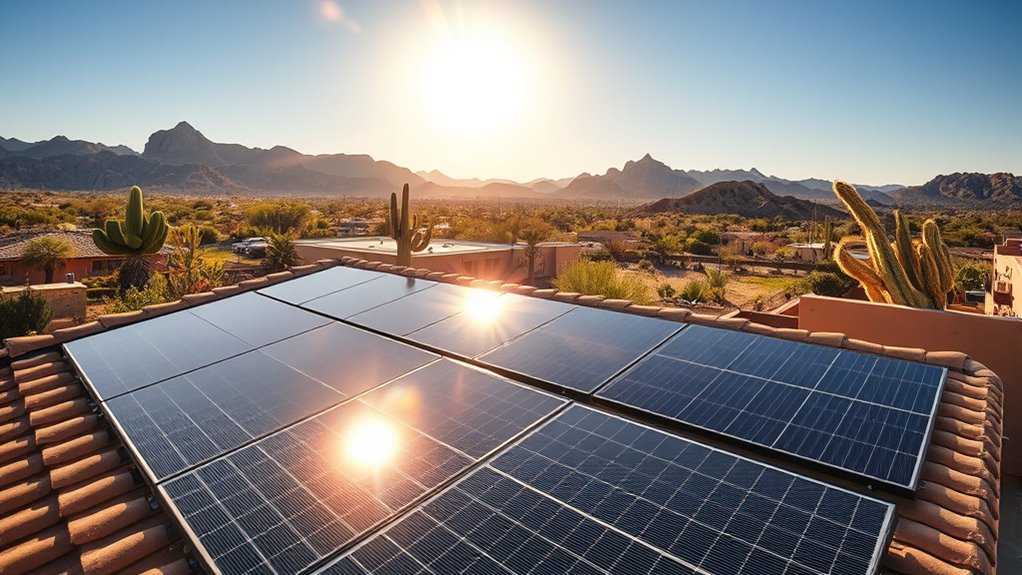
How Much Do Solar Panels Cost in Arizona: 10 Facts
You’ll typically spend between $15,000 and $25,000 on solar panels in Arizona, but the total cost depends on several factors like your system size, panel quality, and installation complexity.
Larger systems might cost more overall, but they’re actually cheaper per watt.
Premium panels usually last longer and handle Arizona’s heat better, but they come with a higher upfront price.
Don’t forget about incentives, such as federal tax credits and utility rebates, which can help lower your expenses significantly.
Maintenance and labor costs also add to the overall price, so it’s good to keep those in mind.
Keep reading to explore these factors in detail and make the best choice for your solar investment.
Key Takeaways
- Solar panel system costs in Arizona typically range from $15,000 to $25,000 before incentives.
- Larger systems reduce cost per watt but increase total upfront expenses.
- Federal tax credits cover about 30% of costs, significantly lowering net expenses.
- Installation costs vary by roof complexity, labor rates, and permitting fees.
- Maintenance costs include cleaning ($100–$250 per visit) and occasional repairs covered partly by warranties.
It’s worth noting that investing in a bigger system can save you money in the long run.
And don’t forget, those federal tax credits really help bring down what you actually pay!
How Much Do Solar Panels Cost in Arizona on Average
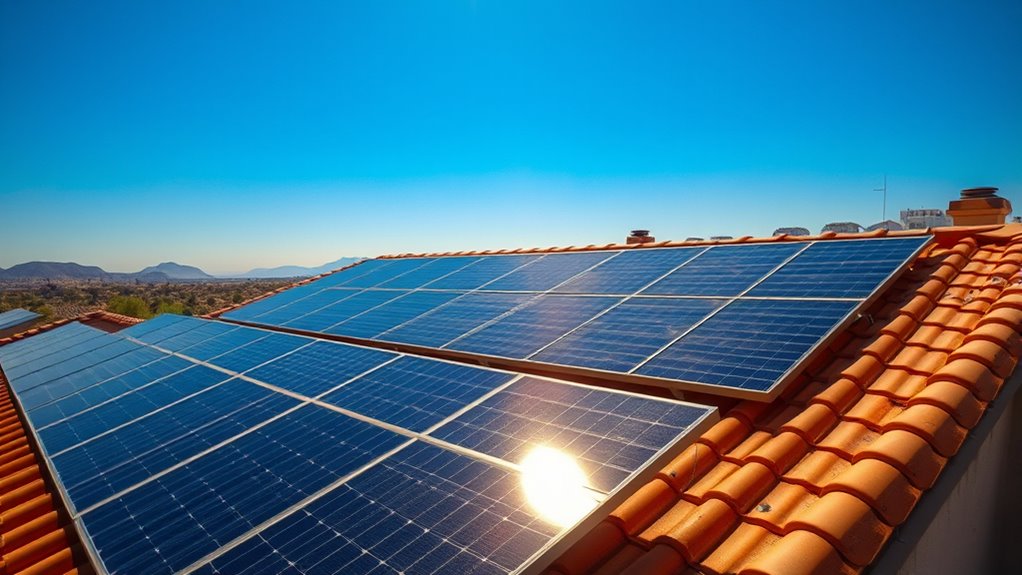
On average, solar panels in Arizona cost between $15,000 and $25,000 before incentives. When you decide to install solar panels, your total expense will depend on the system’s size and your home’s energy needs.
Larger systems naturally cost more, but they’ll cover more of your electricity usage. You’ll also pay for installation labor, permits, and any necessary upgrades to your electrical panel.
Fortunately, Arizona offers state and federal incentives that can considerably reduce your upfront costs. Keep in mind, your exact price may vary based on your location within the state and the installer you choose.
How Solar Panel Quality Affects Costs in Arizona
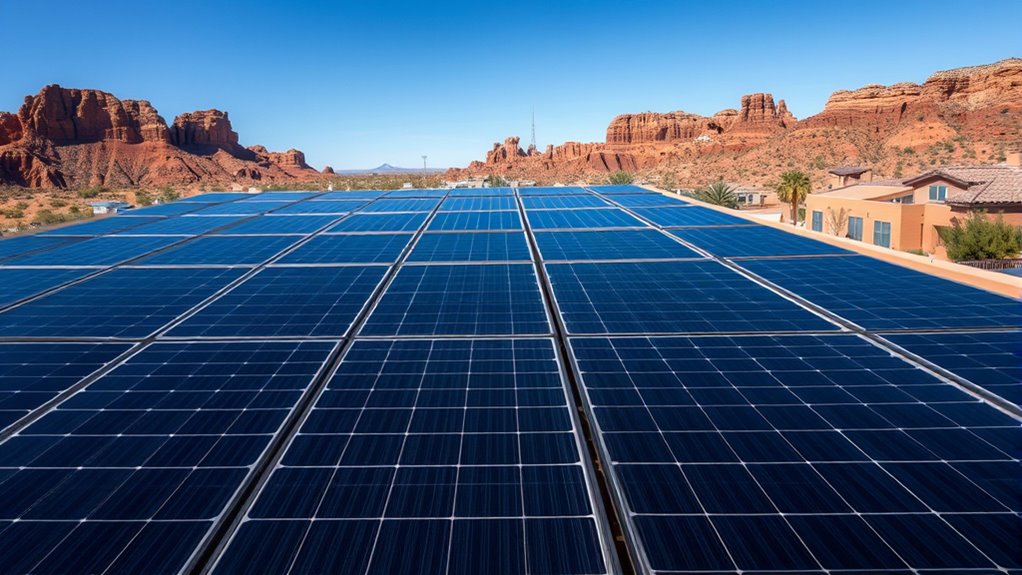
Although solar panels may seem similar at first glance, their quality can considerably impact the overall cost you’ll pay in Arizona. When choosing panels, remember these key factors:
Solar panel quality greatly influences the total cost you’ll face in Arizona.
- Efficiency: Higher-quality panels convert more sunlight into electricity. This means you might need fewer panels, which can sometimes lower installation costs.
- Durability: Premium panels usually come with better warranties. They’re built to resist Arizona’s intense heat and dust, saving you money on maintenance and replacements down the line.
- Material and Brand: Trusted brands tend to use superior materials. Sure, they might cost more upfront, but they offer long-term reliability and better performance.
How System Size Affects Solar Costs
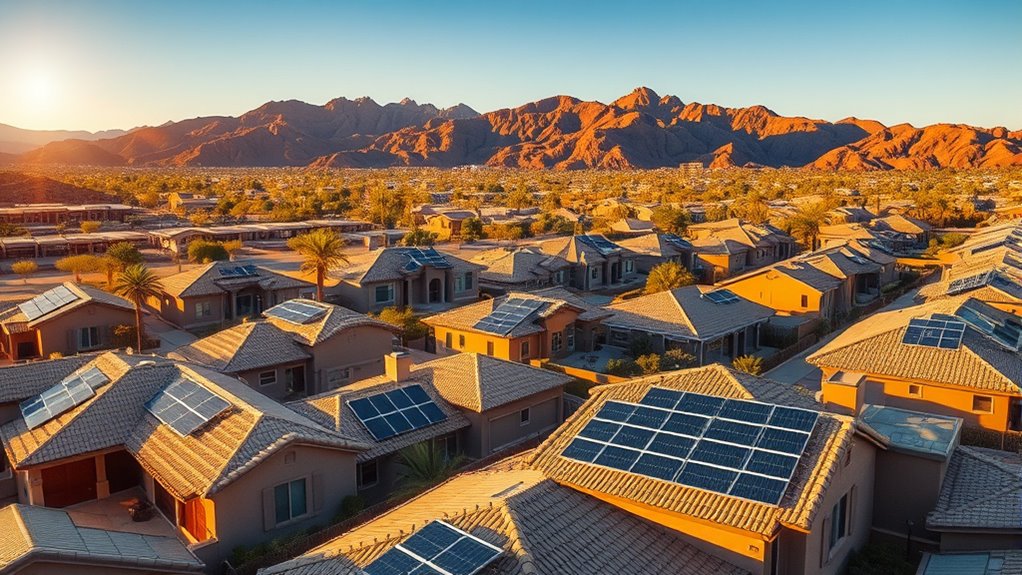
Your solar panel system’s size plays a major role in determining the overall cost in Arizona. Larger systems require more panels, which means higher upfront expenses.
However, you often get a better price per watt as system size increases, thanks to economies of scale. For example, a 10 kW system will cost more than a 5 kW system but usually less than double the price.
When deciding on system size, consider your energy needs and future plans. Oversizing can lead to unnecessary costs, while undersizing might limit your savings.
How Solar Installation and Labor Affect Costs
Since installation involves skilled labor and specialized equipment, it substantially impacts your solar panel system’s overall cost in Arizona. When you’re budgeting, keep these factors in mind:
- Labor Rates: Arizona’s labor costs vary by region and installer experience, affecting your final price.
- Roof Complexity: A simple roof costs less to work on than one with multiple angles or difficult materials.
- Permitting and Inspection Fees: Local requirements can add extra expenses, as installers handle permits and inspections.
You’ll find that experienced installers might charge more upfront but can save you money by avoiding mistakes and ensuring efficient setup. Understanding these elements helps you anticipate and control installation costs, making your solar investment smarter and more predictable.
How Arizona’s Sunlight Boosts Solar Savings
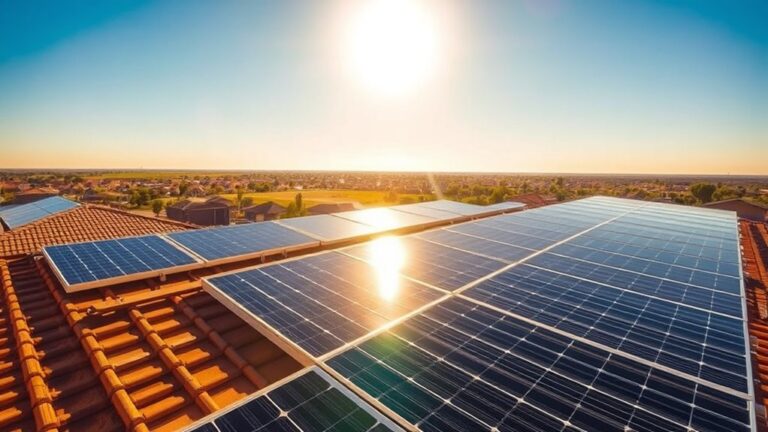
Because Arizona enjoys abundant sunshine year-round, your solar panels can generate more electricity than in many other states. This consistent sunlight means your system works harder and produces more energy daily, helping you cut down your utility bills considerably.
With high solar irradiance, you’ll get better returns on your investment faster. Plus, longer sunny periods reduce the need for backup power sources, saving you money in the long run.
Key Factors Influencing Solar Panel Costs in Arizona
Taking full advantage of Arizona’s plentiful sunshine can substantially lower your energy bills, but understanding what drives the cost of solar panels is just as important.
Several key factors influence how much you’ll pay:
- System Size and Capacity – Larger systems with higher capacity cost more upfront but provide greater energy savings over time.
- Panel Quality and Efficiency – Higher-quality, more efficient panels come with a higher price tag but generate more power in Arizona’s intense sun.
- Installation Complexity – Roof type, shading issues, and labor rates in your area affect installation costs considerably.
What Financial Incentives Lower Solar Panel Costs in Arizona?
Although the upfront cost of solar panels can seem high, various financial incentives in Arizona can substantially reduce what you pay. You can take advantage of federal tax credits, state rebates, and utility company programs that bring down your installation expenses.
These incentives make switching to solar more affordable and help you see a quicker return on investment.
| Incentive Type | Description | Estimated Savings |
|---|---|---|
| Federal Tax Credit | 30% credit on total system cost | $3,000 – $6,000+ |
| Arizona State Rebate | Limited-time state rebates | $500 – $1,000 |
| Utility Company Rebate | Varies by provider and location | $300 – $1,500 |
| Net Metering | Credit for excess energy produced | Varies, reduces bills |
| Sales Tax Exemption | No sales tax on solar equipment | 5.6% of system cost |
Solar Panel Maintenance Costs in Arizona
You’ll want to factor in routine cleaning expenses to keep your solar panels efficient in Arizona’s dusty environment. Repairs and occasional replacements can also add to your maintenance budget.
Understanding these costs helps you plan for the long-term investment. It’s all about staying ahead so your panels keep working great for years to come.
Routine Cleaning Expenses
Routine cleaning plays a key role in maintaining your solar panels’ efficiency in Arizona’s dusty environment. Dirt, dust, and bird droppings can quickly reduce their energy output.
To keep your system running at its best, consider these factors:
- Frequency: Cleaning your panels 2 to 4 times a year is usually sufficient given Arizona’s dust levels.
- Cost per cleaning: Professional cleaning services typically charge between $100 and $250 per visit, depending on your system size.
- DIY savings: You can save money by cleaning panels yourself using mild soap and water, but take safety precautions to avoid damage or injury.
Routine cleaning helps you maximize your investment by maintaining peak performance and extending your panels’ lifespan without incurring high costs. It’s a simple step that really pays off in the long run.
Repair and Replacement Costs
Several factors can influence repair and replacement costs for your solar panels in Arizona, from weather damage to equipment wear and tear. You might face expenses if panels crack during a hailstorm or if inverters fail over time.
Luckily, warranties often cover some repairs, but out-of-pocket costs can vary quite a bit. Knowing typical costs helps you prepare and avoid surprises down the road.
| Component | Common Issues | Estimated Repair Cost |
|---|---|---|
| Solar Panels | Cracks, shading damage | $150 – $400 per panel |
| Inverters | Failure, malfunctions | $500 – $1,200 |
| Wiring & Mounts | Corrosion, loose parts | $100 – $300 |
Regular inspections can catch problems early. This not only saves you money but also keeps your system running efficiently.
Solar Costs: Homes vs. Businesses in Arizona
While both homeowners and business owners in Arizona benefit from switching to solar energy, the costs they face can differ considerably. You’ll find that your expenses depend on several factors unique to your property type.
Here are three key differences:
- System Size: Businesses usually need larger systems to meet higher energy demands, which means higher upfront costs compared to residential setups.
- Installation Complexity: Commercial buildings might require more complex installations, increasing labor and equipment expenses.
- Incentives and Financing: Residential customers often have access to specific state and federal incentives, while businesses may qualify for additional tax credits or rebates tailored to commercial energy use.
Understanding these distinctions helps you budget effectively and choose the right solar solution for your home or business in Arizona. It’s all about finding what fits your needs best!
How to Calculate Your Solar Payback Period in Arizona
Now that you understand how solar costs differ between homes and businesses in Arizona, it’s time to figure out when your solar investment will start paying off. To calculate your solar payback period, divide your total system cost by your average annual savings on electricity bills.
Start by determining your upfront expenses, including equipment, installation, and permits. Then, estimate your yearly electricity savings based on your current utility rates and the system’s energy production.
Don’t forget to factor in any local incentives or tax credits, which reduce your net cost. If your system costs $15,000 after incentives and saves you $1,500 annually, your payback period is 10 years.
Knowing this helps you decide if solar is a smart financial move in Arizona’s sunny climate. It’s pretty straightforward once you break it down!
Frequently Asked Questions
Can Solar Panels Increase My Arizona Home’s Resale Value?
Yes, solar panels can increase your Arizona home’s resale value by making it more energy-efficient and attractive to buyers. They’ll appreciate the potential savings on electricity bills and the eco-friendly benefits, boosting your home’s market appeal.
Plus, with Arizona’s abundant sunshine, solar panels are a smart investment that many homebuyers find appealing. It’s a win-win for both you and the future owners!
Are There Any Restrictions on Solar Panel Installations in Arizona Neighborhoods?
You might face some restrictions from your homeowners association or local zoning laws, but Arizona generally supports solar installations.
It’s smart to check neighborhood rules first, so you don’t run into unexpected limitations or approval delays.
How Do Arizona Weather Events Affect Solar Panel Durability?
Arizona’s intense sun and occasional hailstorms can challenge your solar panels, but they’re built tough. You’ll want durable, impact-resistant panels and proper installation to guarantee they withstand weather and keep producing energy efficiently.
It’s all about choosing the right materials and making sure everything is set up correctly. That way, your solar system stays strong and keeps working no matter what Arizona throws its way.
What Are the Best Solar Panel Brands Available in Arizona?
If you want solar panels that actually survive Arizona’s sun without melting, go for top brands like SunPower, LG, or Panasonic. They’re pricey but worth it—
they won’t quit on you when the heat hits hard. You really get what you pay for with these.
Can I Monitor My Solar Panel System’s Performance Remotely in Arizona?
Yes, you can monitor your solar panel system’s performance remotely in Arizona. Most modern systems come with apps or web portals that let you track energy production and usage anytime, anywhere.
This way, you stay informed and in control without having to be on-site. It’s super convenient and helps you make the most out of your solar investment.
Conclusion
Choosing solar panels in Arizona is like planting a seed in the desert—you’re investing in something that grows with the sun’s power. By understanding costs, quality, and incentives, you’ll watch your savings bloom.
Remember, the right system size and maintenance keep your investment thriving. With Arizona’s abundant sunlight, switching to solar isn’t just smart; it’s a bright step toward energy freedom and long-term savings for your home or business.
Solar panels in Arizona offer a fantastic opportunity to cut down on electricity bills while helping the environment. Plus, with various incentives and rebates available, the initial cost becomes much more manageable.
So, if you’re considering solar energy, now’s the perfect time to harness Arizona’s sunny climate. Choosing the right solar panel system can maximize your savings and ensure your home or business enjoys clean, renewable energy for years to come.

6 Comments