How Can I Tell If My Solar Panels Are Working?
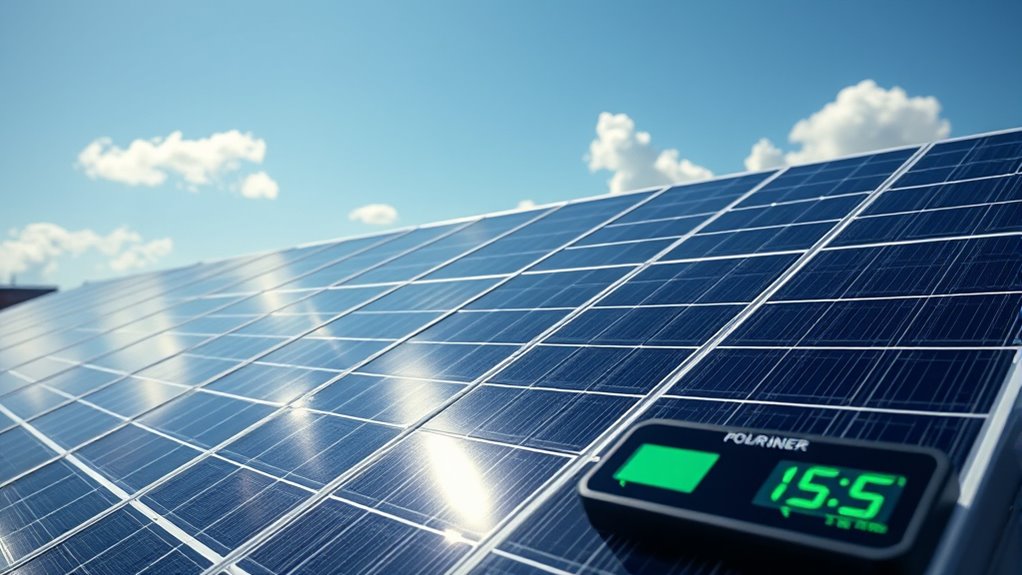
You can tell your solar panels are working by checking your inverter’s display or app for real-time energy output. Look for blinking lights that show normal operation—these are good signs your system is up and running smoothly.
Also, take a moment to inspect your panels for dirt, damage, or shading that might block sunlight. Keeping them clean and unobstructed is key to getting the most out of your solar investment.
Notice if your electricity meter spins backward on sunny days. This usually means your panels are generating power and sending excess energy back to the grid.
Comparing your solar output to your energy bills helps confirm you’re saving money. Keep an eye out for any issues, and you’ll find even more ways to ensure your system runs efficiently and keeps those energy savings coming.
Key Takeaways
- Check the inverter display or app for real-time energy production. Look for blinking lights that indicate normal operation.
- Inspect your solar panels visually. Make sure there are no cracks, dirt, shading, or debris that could reduce their efficiency.
- Monitor your electricity meter on sunny days. If it spins backward, that’s a good sign it’s generating energy.
- Review energy output data from any monitoring systems you have. Compare these numbers with what you’d expect or with past performance.
- Keep an eye on your electricity bills for consistent energy savings. If you notice sudden drops in production or savings, it’s worth investigating further.
Quick Ways To Tell If Your Solar Panels Are Working
Although solar panels often work silently in the background, you can quickly check if they’re functioning by monitoring your inverter’s display or app. These tools show real-time energy production, letting you know if your system is active.
Monitor your inverter’s display or app to see real-time energy production and confirm your solar system is working.
You can also look for visual indicators like blinking lights on the inverter, which usually signal normal operation. Additionally, inspect your panels for any obvious damage, dirt, or shading that could reduce their efficiency.
On sunny days, your electricity meter might spin backward if your system feeds excess energy into the grid, indicating it’s working. In conclusion, keep an eye on your energy bills; a sudden drop in savings could mean a problem.
These quick checks help you stay on top of your solar panel performance without technical hassle. It’s simple and gives you peace of mind that your system is doing its job.
How To Read Your Solar Panel Monitoring System
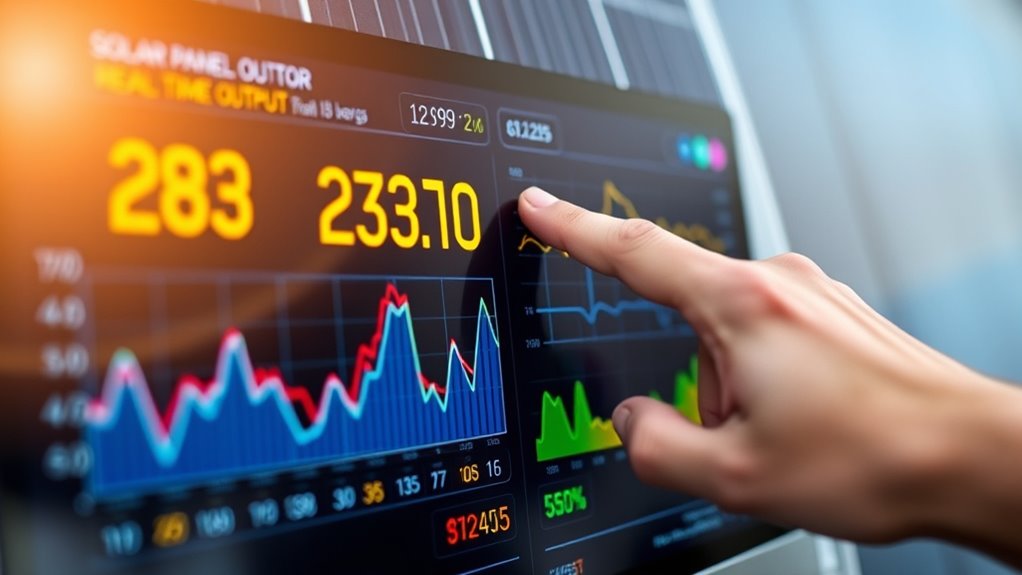
Monitoring systems give you detailed insights beyond quick visual checks, allowing you to understand exactly how your solar panels perform throughout the day. Start by logging into your system’s app or website, where you’ll see real-time data like energy production, system status, and historical performance.
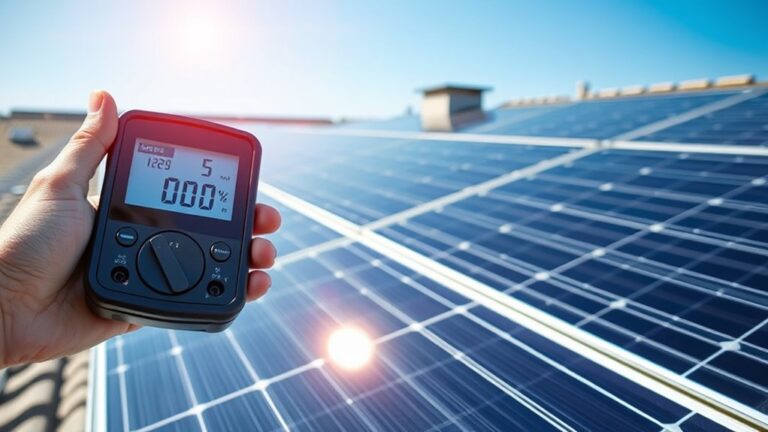
Focus on key metrics such as current power output (measured in watts) and total energy generated (kilowatt-hours). Compare these numbers against expected values for your location and time of year. If output drops noticeably or the system reports errors, it could indicate a problem.
Many systems also offer alerts and troubleshooting tips. By regularly checking your monitoring system, you can guarantee your panels work efficiently and spot issues early before they impact your energy savings.
Visual Checks To Confirm Solar Panel Performance
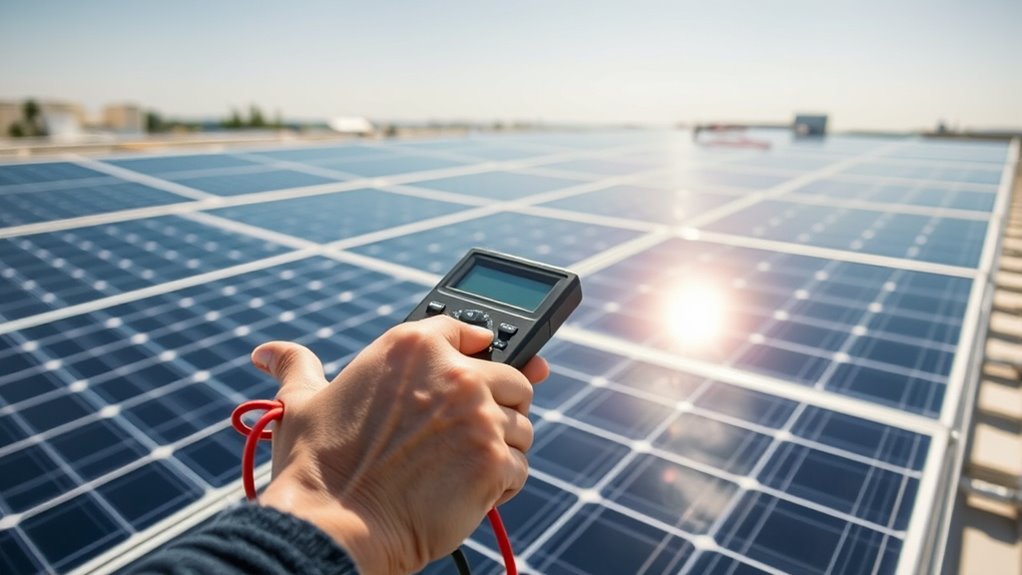
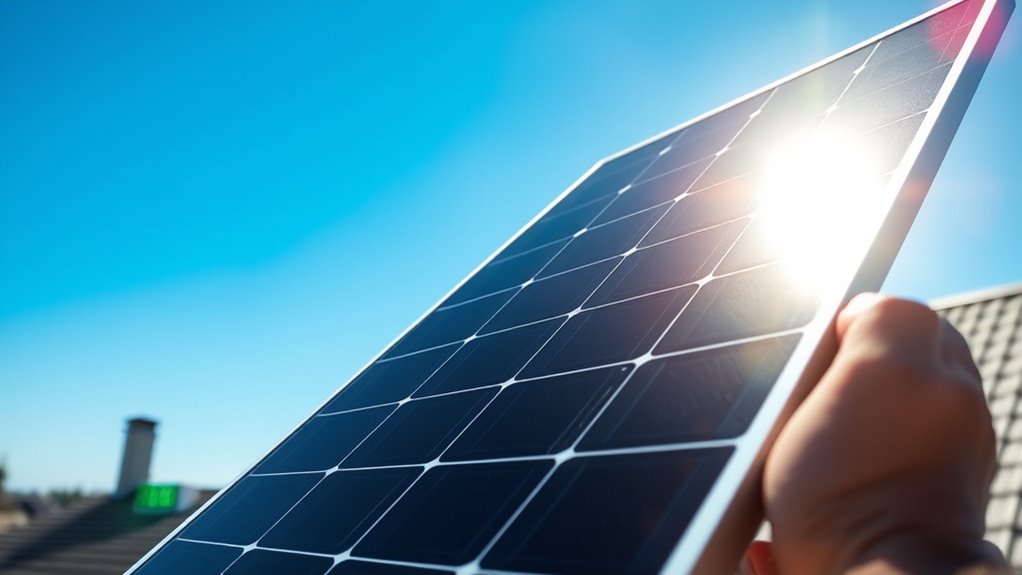
Even if you rely on digital monitoring, performing regular visual checks helps you quickly spot obvious issues with your solar panels. Look for cracks, chips, or discoloration on the panels’ surface, as these can reduce efficiency.
Make certain the panels are clean—dirt, leaves, or bird droppings can block sunlight and lower output. Check for loose wiring or corrosion around connections, which might disrupt power flow.
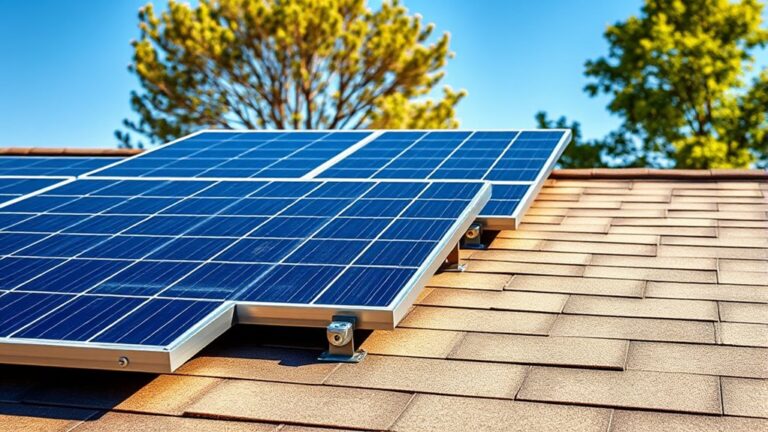
Also, inspect the mounting hardware to ensure panels are secure and properly angled. If you notice shading from new tree growth or debris, address it promptly.
These simple visual inspections give you immediate insight into your system’s condition, letting you act before minor problems turn into costly repairs. It’s an easy habit that pays off!
When And How To Compare Solar Output With Your Energy Bills
When you want to make certain your solar panels are performing as expected, comparing their output with your energy bills offers a clear, practical measure. Start by reviewing your solar system’s production data, usually available through your inverter or monitoring app.
Check this against your electricity bills over the same period. Your bills should show a noticeable reduction in energy costs or net usage if your panels are working well. Keep in mind seasonal changes and energy consumption habits that may affect both outputs.
Comparing monthly or quarterly data helps you spot discrepancies early. If your solar output is high but your bills don’t reflect savings, you might need to verify billing accuracy or your system’s connection to the grid.
This comparison gives you confidence that your investment pays off. It’s a simple step that keeps you in control of your energy use and costs.
Signs Your Solar Panels Need Maintenance
If you notice your energy output has dropped without a clear reason, your solar panels might need maintenance. Also, check for visible physical damage like cracks or dirt buildup that can affect performance.
Catching these signs early helps keep your system running efficiently. It’s always better to address issues sooner rather than later!
Decreased Energy Output
How can you tell if your solar panels need maintenance? One clear sign is decreased energy output. If your panels are producing less electricity than usual, it’s time to investigate.
Various factors can cause this drop, such as dirt buildup, shading, or electrical issues. Monitoring your system’s performance regularly helps you spot these problems early and keep your panels efficient.
| Possible Cause | Effect on Output | What to Do |
|---|---|---|
| Dirt and Debris | Reduced sunlight absorption | Clean panels regularly |
| Shading from Trees | Partial power loss | Trim trees or relocate panels |
| Wiring Issues | Inconsistent output | Call a professional technician |
Keep an eye on your energy reports to catch decreased output quickly. It really pays off to stay on top of it!
Visible Physical Damage
Keeping an eye on your solar panels’ energy output is important, but it’s equally *essential* to check for visible physical damage. Look closely for cracks, chips, or broken glass on the panels.
Even small cracks can let moisture in, which may lead to corrosion or electrical issues. Check the wiring and mounting hardware too; loose or frayed wires can reduce efficiency and pose safety risks.
Debris like leaves or bird droppings might not be damage, but they can block sunlight and lower performance. If you spot any damage, schedule a professional inspection promptly to prevent further issues.
Regularly inspecting your panels helps you catch problems early, ensuring your system works efficiently and lasts longer. It’s a simple step that really pays off in the long run!
How Weather And Location Affect Solar Panel Efficiency
Where you live and the weather you experience play a huge role in your solar panels’ performance. If you’re in a sunny region, your panels will naturally generate more energy.
However, frequent cloudy days or heavy rainfall can reduce their output since less sunlight reaches the panels. Temperature also matters; panels work best in cooler conditions, so extremely hot weather might slightly lower efficiency.
Additionally, shading from nearby trees or buildings in your area can block sunlight and decrease power production. Seasonal changes affect sunlight hours, so expect variation in energy generation throughout the year.
Understanding these factors helps you set realistic expectations and better monitor if your solar panels are working as they should. It’s all about knowing what to expect where you live.
Frequently Asked Questions
How Long Do Solar Panels Usually Last?
Solar panels usually last around 25 to 30 years, but they can keep producing electricity beyond that with reduced efficiency.
You’ll want to monitor their performance to make certain they’re still working well over time.
It’s a good idea to keep an eye on how much energy they’re generating, so you know when it might be time for maintenance or replacement.
Can Solar Panels Work During a Power Outage?
You’d think solar panels could power a city during an outage, but they usually don’t work without a battery backup.
When the grid’s down, your panels shut off for safety unless you’ve installed special systems. So, they won’t keep the lights on by themselves.
What Warranties Typically Cover Solar Panel Systems?
You’ll typically get a performance warranty, covering energy output, and a product warranty for defects. Installation warranties might also apply.
Check your contract for specifics, as coverage lengths and terms vary by manufacturer and installer. It’s always a good idea to know exactly what you’re covered for before you commit.
Are There Government Incentives for Installing Solar Panels?
Yes, you can take advantage of government incentives like tax credits, rebates, and grants when you install solar panels. These programs help reduce your upfront costs and make going solar more affordable for you.
It’s a great way to save money right from the start. So, if you’re thinking about solar, definitely check out what incentives you might qualify for!
How Much Do Solar Panels Increase Home Value?
Back in the days of knights, solar panels would boost your home’s value by about 4-6%, making it more appealing to buyers.
You’ll enjoy energy savings and a greener future, both adding serious worth. It’s a win-win situation, really!
Conclusion
If you don’t keep an eye on your solar panels, it’s like having a money-making machine quietly sneaking off with your cash! You’ve got to check those readings, peek at the panels, and compare your bills like a detective on a mission.
Don’t let dirt, damage, or cloudy skies turn your powerhouse into a lazy sunbather. Stay vigilant, or your solar investment might just turn into a sun-soaked paperweight!
Keeping track of your solar panels’ performance is key to making sure they’re working efficiently. Regular monitoring helps you spot any issues early, whether it’s dirt buildup, shading, or equipment problems. By staying on top of your solar panel output and maintenance, you protect your investment and maximize your energy savings. Remember, a well-maintained solar system not only saves you money but also helps reduce your carbon footprint. So, keep those solar panels clean, check your system’s performance regularly, and enjoy the benefits of sustainable energy every day!