Day: October 14, 2026

  • Does Solar Need Direct Sunlight: Maximizing Efficiency

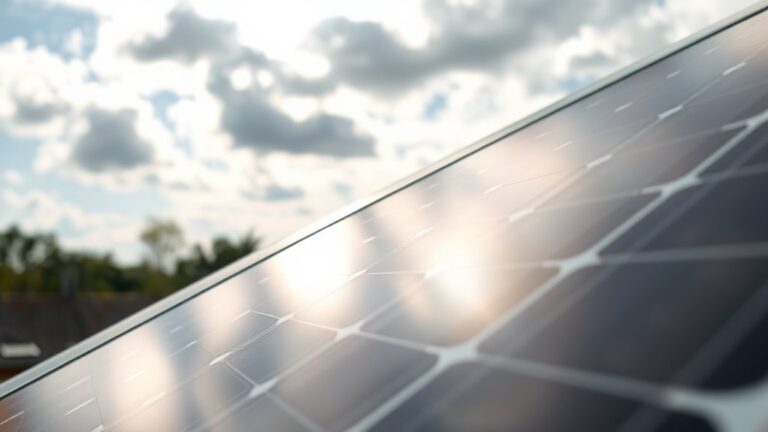
    You don’t need direct sunlight for your solar panels to work—they can generate power from diffused light on cloudy or shaded days. Still, maximizing exposure to direct sun boosts their efficiency and output.

    Proper positioning, keeping panels clean, and selecting models designed for low-light conditions help you get the most energy, even when the sun isn’t fully shining. There’s more to learn about optimizing your setup for all weather types.
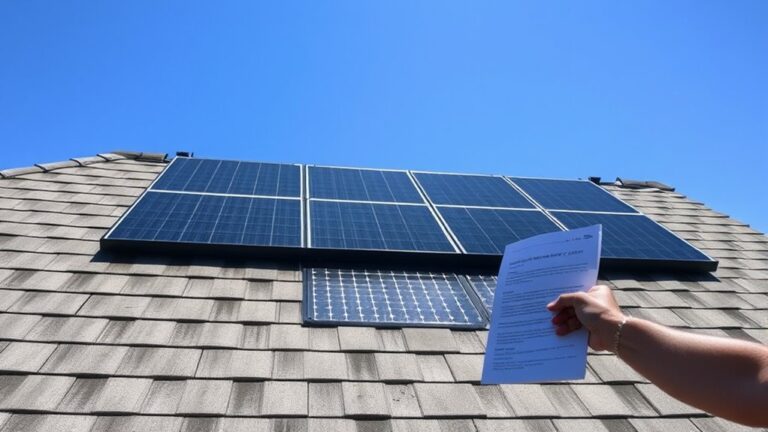

  • Does Installing Solar Panels Void Your Roof Warranty?

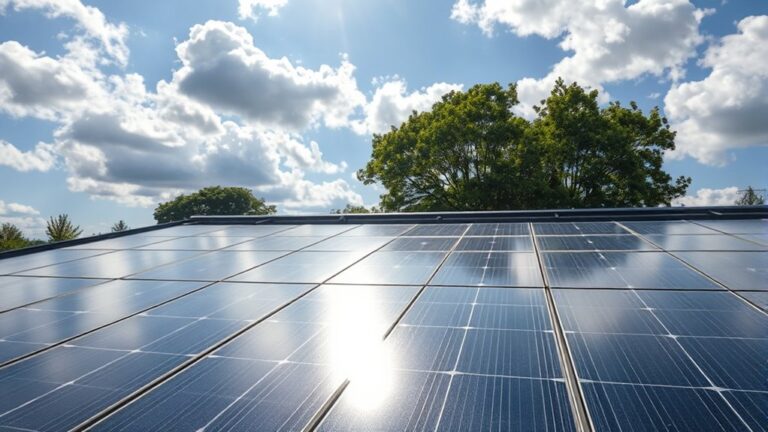
    Installing solar panels won’t automatically void your roof warranty, but you need to follow specific guidelines to keep your coverage intact. Using certified installers and proper mounting methods helps prevent damage that might otherwise void your warranty.

    Always check your roof’s warranty terms for restrictions on modifications or penetrations, and notify your warranty provider about the installation. Taking these steps protects your investment and roof integrity.

    Keep exploring to uncover key tips for safeguarding your warranty during solar installation. It’s all about being informed and careful to make sure everything goes smoothly!

  • What Does a Solar Cover Do to Heat a Pool?

    A solar cover traps the sun’s heat and transfers it directly to your pool water, warming it efficiently while reducing heat loss. It acts like a blanket, keeping the water warm during the day and slowing heat escape overnight.

    Plus, it cuts down on evaporation, saving water and chemicals. Using the right material and design can really boost its effectiveness.

    Keep exploring to find out how to maximize your pool’s warmth and energy savings. You’ll be surprised how much a good cover can help!

  • How Do Solar Panels Work Through Windows?

    You can generate solar power through windows using special photovoltaic technology that converts filtered sunlight into electricity while still letting natural light in. Unlike traditional panels that need direct sun, these solar cells work efficiently behind glass, though energy output drops slightly due to light loss.

    Different glass types and innovative solar materials help optimize performance. If you want to find out more about how these systems work and their benefits, keep exploring the possibilities of solar energy through windows.

  • Do Solar Panels Require Direct Sunlight to Work?

    You don’t need direct sunlight for solar panels to work because they can generate electricity from diffused and indirect light too. While panels perform best under bright sun, they still produce energy on cloudy or overcast days, though at a reduced rate.

    Even partial shading doesn’t stop them completely, but it can lower output. If you want to optimize your solar power system, it helps to understand how different light conditions affect performance and what choices boost efficiency.

  • Do Solar Panels Produce DC or AC?

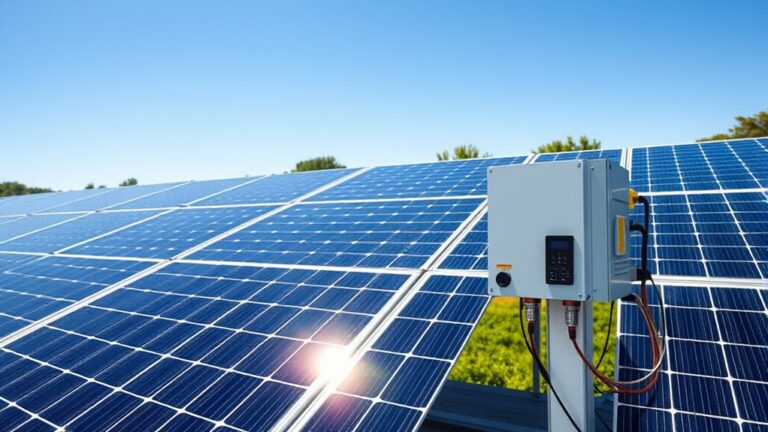
    Solar panels produce direct current (DC) electricity by energizing electrons in their cells using sunlight. This unidirectional flow of electrons is natural for solar panels but isn’t compatible with most home appliances or the grid, which use alternating current (AC).

    That’s why solar systems include inverters to convert the DC into AC for everyday use. If you want to understand how this conversion works and how solar energy fits into your home and the grid, keep exploring the process further.

  • Do Solar Panels Need Direct Sun to Maximize Efficiency?

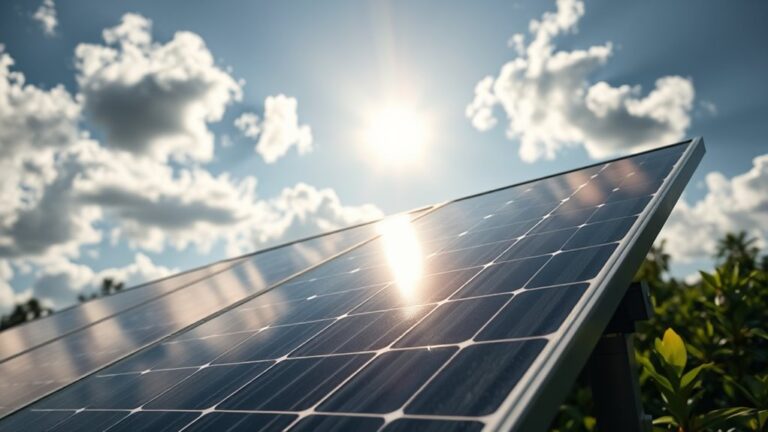
    Yes, you need direct sunlight to get the most efficient energy from your solar panels. When sunlight hits the panels directly, more photons excite electrons, boosting electricity production.

    While solar panels still produce power on cloudy days, their output drops because the light is scattered. Shade can also reduce efficiency and even damage panels.

    You can improve performance with proper placement and maintenance. Keep exploring to discover how lighting and shade truly impact your solar system’s output.