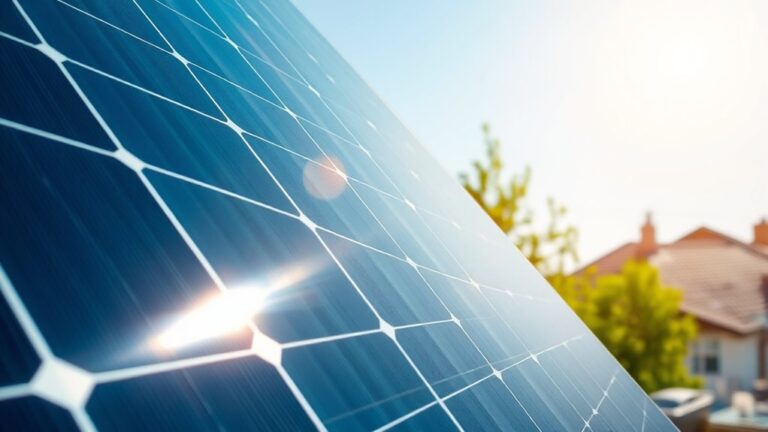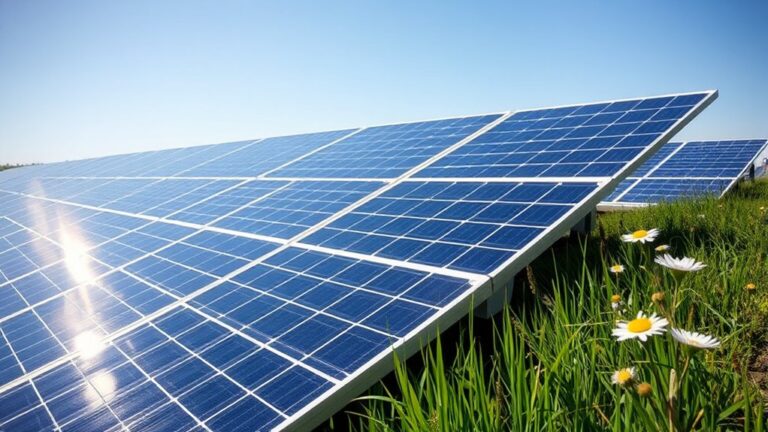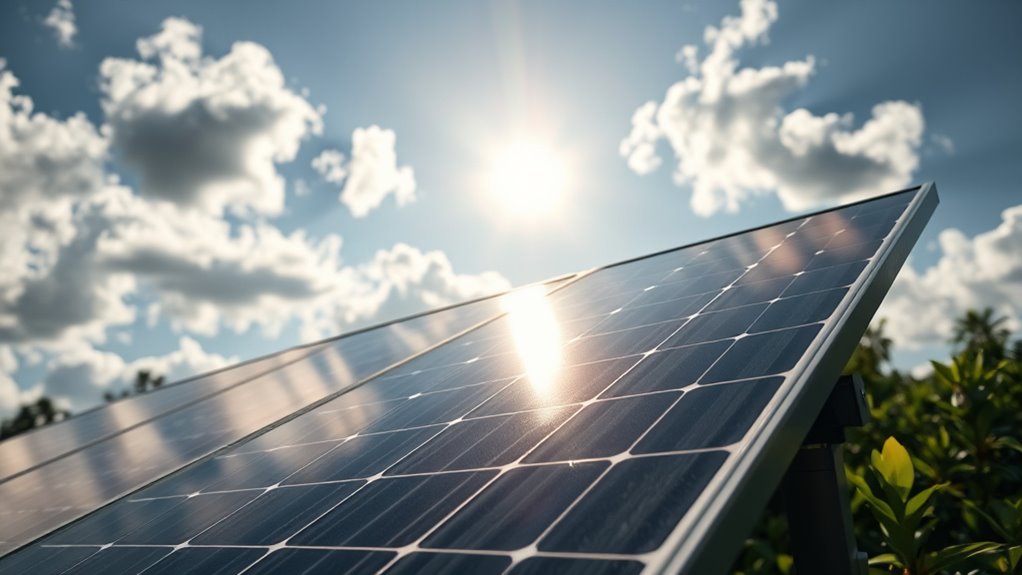
Does Solar Need Direct Sunlight: Maximizing Efficiency
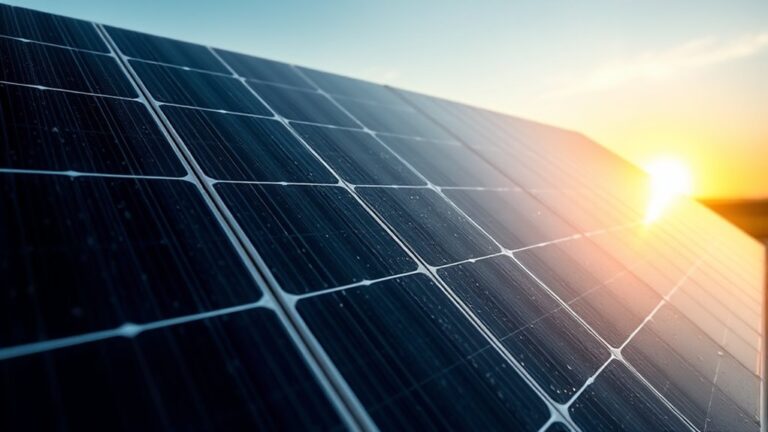
You don’t need direct sunlight for your solar panels to work—they can generate power from diffused light on cloudy or shaded days. This means even when the sun isn’t fully shining, your panels can still produce energy.
However, maximizing exposure to direct sun really boosts their efficiency and output.
Proper positioning of your panels is key, along with keeping them clean. Choosing models designed for low-light conditions also helps you get the most energy possible.
There’s a lot more to learn about optimizing your solar setup for all weather types, so you can make the most of every ray of sunshine, no matter what the sky looks like.
Key Takeaways
- Solar panels generate electricity from both direct and diffused sunlight, so they can still work even on cloudy or shaded days.
- While direct sunlight gives you the best efficiency, panels don’t just stop working when it’s overcast—they keep producing power, just at a lower rate.
- If you want to get the most out of your panels, make sure they’re oriented and tilted toward the sun. This helps increase their exposure and energy capture all year round.
- Also, using panels made for low-light conditions and keeping them clean can really boost their performance when the sun isn’t shining bright.
- Try to minimize any shading, too. Plus, using optimizers or microinverters can keep power generation steady even if part of the panel is shaded or the weather is cloudy.
Do Solar Panels Need Direct Sunlight to Work?
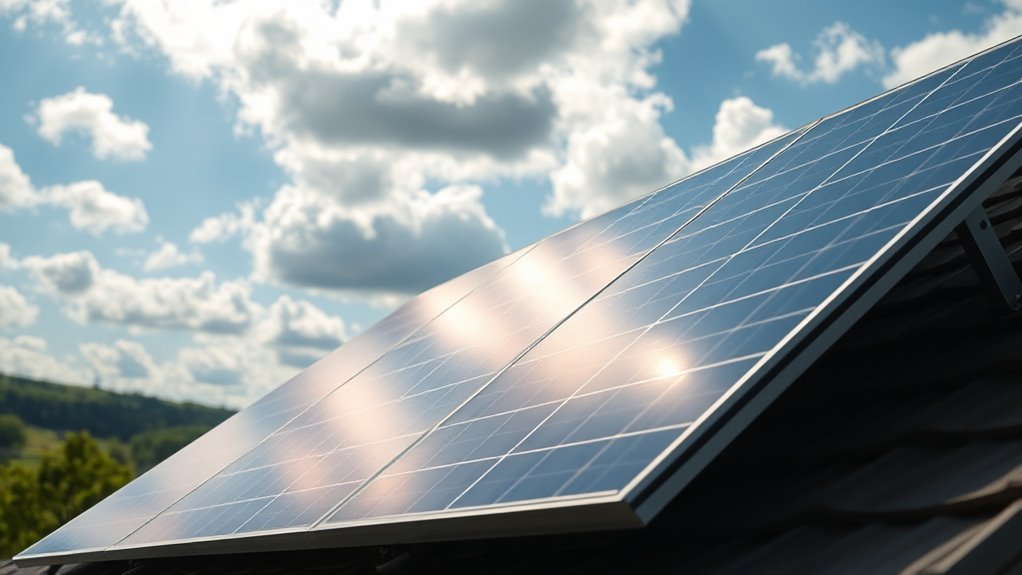
Although solar panels perform best under direct sunlight, they don’t need it exclusively to generate electricity. You’ll find that solar panels can still produce power on cloudy days or in shaded areas because they capture diffused light.
Solar panels generate electricity even on cloudy or shaded days by capturing diffused light.
The photovoltaic cells inside panels convert any available light—not just direct rays—into energy. So, even if the sun is behind clouds or if your panels face a less sunny direction, they’ll keep working, just at reduced efficiency.
This means you don’t have to worry about perfect sun exposure every moment to benefit from solar energy. Still, positioning your panels where they get the most sunlight will help maximize their output.
But rest assured, your solar setup isn’t useless without full sun.
How Weather and Light Conditions Affect Solar Panel Efficiency
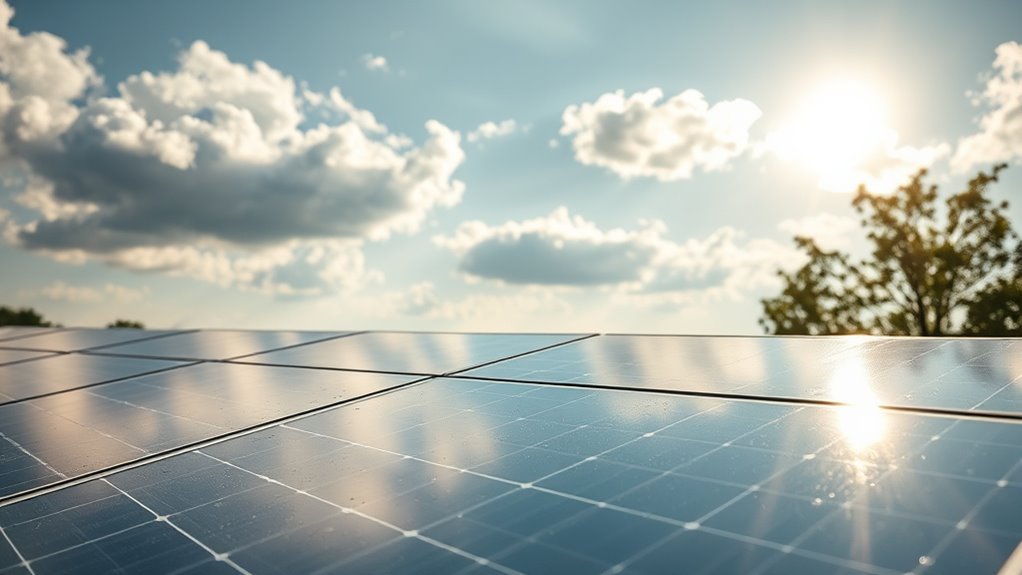
You might not realize how much cloud cover can lower your solar panels’ output by blocking direct sunlight. Even on cloudy days, diffused light still powers your system, but not as efficiently as direct rays.
Plus, seasonal changes in daylight hours and sun angle also play a big role in how much energy you can capture. So, the weather and the time of year really do affect your solar panel’s efficiency.
Impact of Cloud Cover
How much does cloud cover really affect your solar panels? While clouds reduce sunlight intensity, your panels still generate power under cloudy skies, just at lower efficiency. Light scatters, so even without direct sun, your system produces some energy.
However, thick clouds can cut output by 20% to 80%, depending on density and duration. It’s kind of like a dimmer switch for your solar power.
Here’s a quick look at cloud cover’s impact:
| Cloud Condition | Typical Light Level | Solar Output Impact |
|---|---|---|
| Clear Sky | 100% | Peak (100%) |
| Light Clouds | 70-90% | Slight reduction |
| Moderate Clouds | 40-70% | Noticeable drop |
| Heavy Clouds | 10-40% | Significant drop |
| Overcast | <10% | Minimal output |
Understanding this helps you anticipate daily solar performance. So, even on cloudy days, your panels are still doing their job!
Diffused Versus Direct Light
Cloud cover changes the type of sunlight your panels receive, shifting from direct rays to diffused light. Direct sunlight hits your solar panels straight on, offering maximum energy production because the light is concentrated and intense.
Diffused light, on the other hand, scatters through clouds or atmospheric particles, reducing intensity but still providing energy. While diffused light produces less power, your panels can still generate electricity on overcast days.
Understanding this helps you set realistic expectations for energy output during varying weather. Keep in mind, solar panels are designed to capture both direct and diffused light, though their efficiency is higher under direct sunlight.
Seasonal Light Variations
Although solar panels can generate power in various conditions, seasonal changes considerably impact their efficiency. You’ll notice that during winter, shorter days and lower sun angles reduce the amount of sunlight your panels capture, cutting their output.
Cloudy, rainy, or snowy weather further limits sunlight, meaning your panels produce less energy. On the flip side, summer brings longer days and higher sun angles, which boost sunlight exposure and maximize power generation.
You should also consider that snow accumulation on panels can block light, so regular cleaning helps maintain efficiency. Weather varies by location, but understanding these seasonal light shifts lets you plan your energy use better and optimize your solar setup.
Understanding Diffused Light: How Solar Panels Generate Power Without Direct Sun
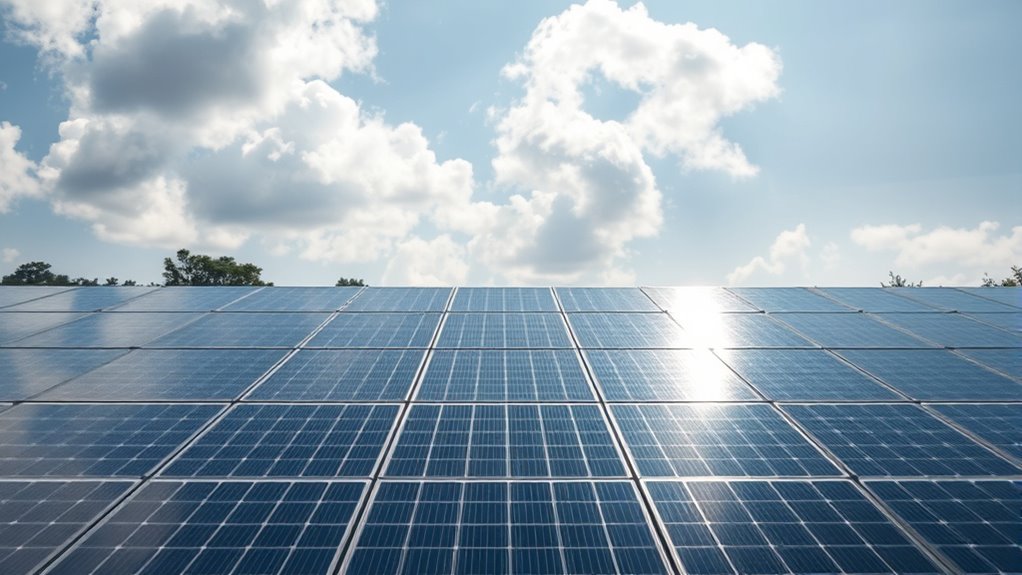
Even when direct sunlight isn’t hitting your solar panels, they can still produce electricity thanks to diffused light. This type of light happens when sunlight scatters through clouds, fog, or atmospheric particles, reaching your panels indirectly.
While diffused light is less intense than direct sun, solar cells can still capture and convert it into usable energy. You’ll notice your panels generate power on overcast days, though efficiency drops compared to clear, sunny conditions.
Understanding this helps you realize that solar systems remain functional beyond just bright, sunny moments. So, even if the sun is hidden, your panels keep working, contributing to your energy needs by harnessing the scattered light that permeates the sky.
Best Ways to Position Your Solar Panels for Maximum Sunlight
Since solar panels can generate power from diffused light, you might think placement isn’t that important. However, positioning them correctly still maximizes their efficiency.
Solar panels work with diffused light, but proper placement still boosts their efficiency significantly.
You want to install panels where they’ll receive the most direct sunlight throughout the day, typically facing true south in the Northern Hemisphere or true north in the Southern Hemisphere.
Tilt the panels at an angle close to your location’s latitude to capture maximum sunlight year-round. Avoid placing panels near obstructions like trees or buildings that cause shadows, especially during peak sunlight hours.
If possible, adjust the tilt seasonally to boost output. Proper orientation and tilt ensure your panels soak up as much solar energy as possible.
This helps you get the most from your investment without relying solely on direct sunlight.
Tips to Boost Solar Output on Cloudy and Shady Days
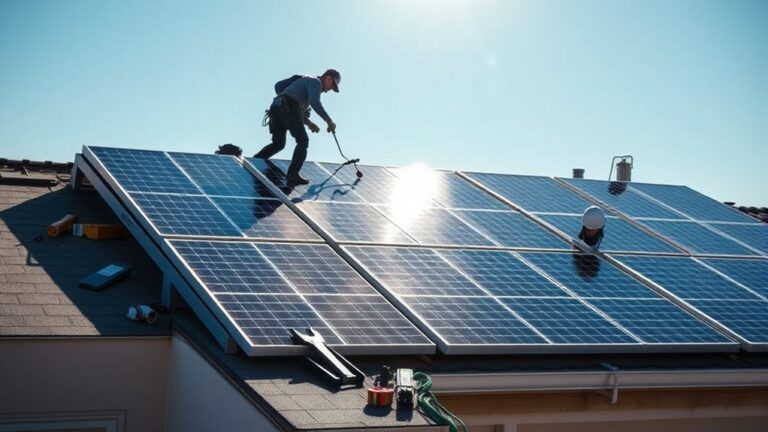
When clouds roll in or shadows stretch across your panels, you can still boost your solar output by making a few smart adjustments. First, keep your panels clean—dirt and debris reduce their ability to capture diffuse sunlight.
Next, trim nearby trees or shrubs to minimize shading, especially during peak sunlight hours. You should also check the angle of your panels; adjusting them seasonally can help capture more indirect light.
Additionally, consider using a solar optimizer or microinverter system, which maximizes power output from each panel individually. This reduces the impact of shaded areas quite a bit.
Finally, monitor your system regularly to spot any performance drops early. Taking these steps guarantees you get the most from your solar setup, even on less-than-sunny days.
Choosing Solar Panels That Perform Well in Low-Light Conditions
How do you guarantee your solar system performs well on cloudy or shaded days? Start by selecting solar panels designed for low-light conditions. Some panels maintain higher efficiency even when sunlight is diffused or indirect.
Look for models with these features:
Look for models with features that enhance low-light performance and minimize power loss from shading.
- Monocrystalline cells: They offer better performance in low-light compared to polycrystalline.
- Anti-reflective coatings: These help capture more ambient light.
- Bypass diodes: They reduce power loss from shading by isolating affected cells.
- Thin-film technology: Though less efficient overall, they handle shade and diffuse light better.
Frequently Asked Questions
How Long Do Solar Panels Typically Last?
You can expect solar panels to last around 25 to 30 years. Over time, their efficiency gently decreases, but they’ll still produce power.
Regular maintenance helps you maximize their lifespan and energy output. So, keeping an eye on them is definitely worth it!
What Maintenance Is Required for Solar Panels?
You clean your panels regularly, check for shading, and monitor performance.
You inspect for damage, tighten connections, and schedule professional maintenance yearly.
Can Solar Panels Be Recycled?
Yes, you can recycle solar panels. Many components like glass, metal, and silicon are reusable.
Just make sure you take them to specialized recycling centers. They know how to properly handle hazardous materials and recover valuable resources efficiently.
Are Solar Panels Affected by Snow Accumulation?
Yes, snow accumulation can reduce your solar panels’ efficiency by blocking sunlight. However, panels are usually angled, so snow slides off.
You can also gently remove snow to keep them working best during winter. It’s pretty simple and helps make sure your panels keep producing energy when you need it most.
How Do Solar Inverters Impact Overall System Efficiency?
Solar inverters impact your system efficiency by converting DC to usable AC power. High-quality inverters minimize energy loss, improve performance, and optimize output.
Choosing efficient inverters guarantees you get the most from your solar panels every day. It’s a simple way to boost the overall effectiveness of your solar setup. Just a smart choice that pays off in the long run!
Conclusion
You don’t need perfect, direct sunlight for your solar panels to work—they still generate power on cloudy days, capturing up to 25% of their usual output in diffused light.
By positioning your panels well and choosing models designed for low-light conditions, you can maximize efficiency no matter the weather.
With a little attention, you’ll keep your solar system productive and your energy bills down, rain or shine.
Remember, solar panels don’t rely solely on direct sunlight to produce energy. Even on overcast days, they continue to harness solar power efficiently. So, optimizing placement and selecting the right technology ensures your solar investment pays off year-round. Whether it’s sunny or cloudy, your solar setup can keep delivering clean, cost-effective energy.