Does Installing Solar Panels Void Your Roof Warranty?
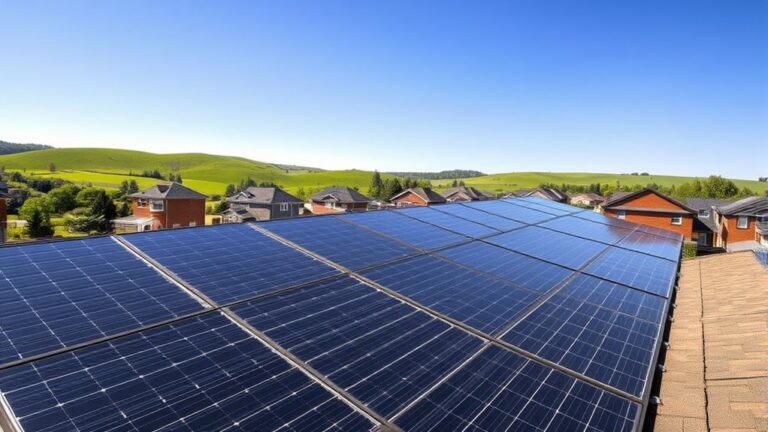
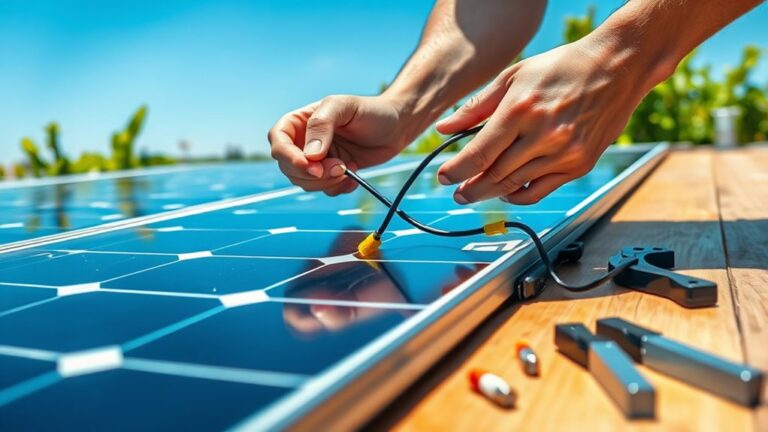
Installing solar panels won’t automatically void your roof warranty, but you do need to follow specific guidelines to keep your coverage intact. Using certified installers and proper mounting methods is key to preventing damage that might otherwise void your warranty.
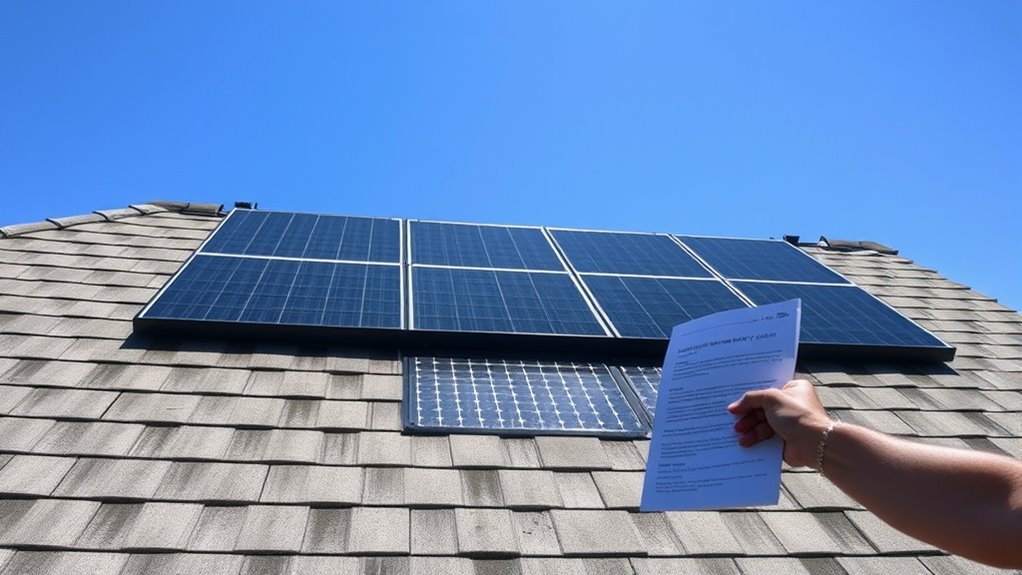
It’s always a good idea to check your roof’s warranty terms for any restrictions on modifications or penetrations. Also, don’t forget to notify your warranty provider about the solar panel installation.
Taking these steps helps protect both your investment and the integrity of your roof.
Want to keep your warranty safe while going solar? Keep reading for some key tips on how to safeguard your roof warranty during the solar installation process.
Key Takeaways
- Installing solar panels does not automatically void roof warranties, but it really depends on the specific terms of your warranty and how well the installation is done.
- It’s a good idea to use certified installers who follow the manufacturer’s guidelines. This helps keep your roof warranty valid.
- Penetrating mounts can cause leaks and damage, which might void your warranty if not done properly. On the other hand, non-penetrating mounts usually keep your coverage intact.
- Before you install anything, make sure to notify and get approval from your roof warranty provider. This step is key to protecting your warranty status.
- Also, keep detailed records of the installation work and double-check that everything complies with your warranty conditions. This will really help if you need to make a claim later on.
Will Installing Solar Panels Void My Roof Warranty?
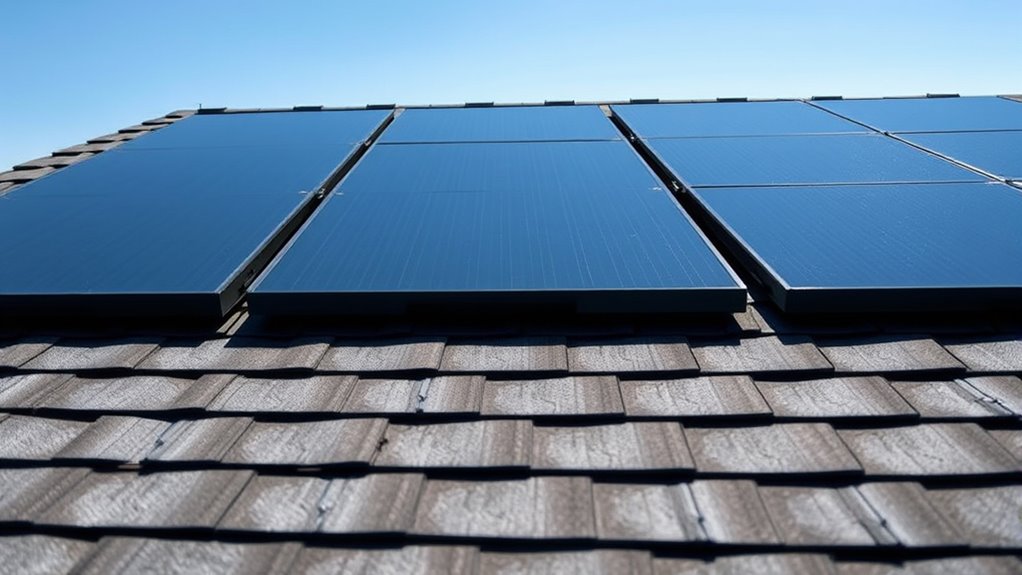
While installing solar panels can boost your home’s energy efficiency, you might wonder if it will void your roof warranty. The answer isn’t always straightforward.
Some roof manufacturers may worry that mounting panels could damage the roof or cause leaks, potentially affecting warranty coverage. However, many warranties don’t automatically void just because you add solar panels.
It often depends on how the installation is done. If a certified, experienced installer carefully mounts the panels without harming the roofing materials, you’re less likely to lose warranty protection.
Still, it’s smart to review your specific warranty terms before proceeding. That way, you’ll know what’s covered and avoid surprises after installation.
Taking these precautions helps protect both your roof and investment.
How Roof Warranties Usually Address Solar Panel Installation
When you install solar panels, your roof warranty usually spells out specific terms and conditions about what’s covered. It’s important to know who’s responsible for any damage—the manufacturer or the installer.
Also, the way solar panels are mounted can affect whether your warranty stays intact. So, it’s a good idea to check these details before you get started.
Warranty Terms And Conditions
Because roof warranties vary widely, you’ll need to carefully review the terms and conditions related to solar panel installation. Many warranties include specific clauses about modifications, stating that unauthorized installations might void coverage.
Some require you to use licensed professionals for solar panel work to keep the warranty valid. Others may limit coverage to certain roof types or materials once panels are installed.
Pay close attention to any required inspections before and after installation, as skipping these can also affect your warranty. If your warranty explicitly prohibits solar panel installation, you could lose protection.
To avoid surprises, ask your roofing manufacturer or contractor for clear guidance before installing panels. And make sure to keep all documentation handy to prove compliance with warranty terms.
Manufacturer Vs. Installer Responsibilities
Although your roof manufacturer provides the warranty, the installer plays a crucial role in how solar panel installation affects that coverage. Typically, roof warranties don’t automatically void if you add solar panels, but the responsibility splits between the manufacturer and installer.
Here’s what you need to know:
- The manufacturer covers defects in roofing materials, not damage caused during panel installation.
- The installer must follow manufacturer guidelines to avoid voiding your warranty.
- Improper installation by the solar installer can lead to warranty denial on roof damage claims.
- Some manufacturers require you to notify them before installing solar panels to maintain coverage.
Always review both warranty terms and work with certified installers to protect your roof investment. It’s better to be safe than sorry!
Impact Of Solar Mounting Methods
Understanding the division of responsibility between manufacturers and installers helps clarify how different solar mounting methods affect your roof warranty. Most warranties focus on roof integrity and may exclude damage caused by improper installations.
For example, penetrating mounts, which require drilling into your roof, pose a higher risk of leaks or structural damage. They can void warranties if not done correctly. On the other hand, non-penetrating mounts use ballasts or clamps, minimizing roof damage and often maintaining warranty coverage.
Before installing solar panels, check your roof warranty’s terms to see how it addresses various mounting techniques. Also, make sure your installer follows manufacturer guidelines and uses recommended mounting systems.
This way, you can protect your roof and warranty from potential issues caused by solar panel installation. It’s always better to be safe than sorry!
Key Roof Warranty Terms to Check Before Adding Solar Panels
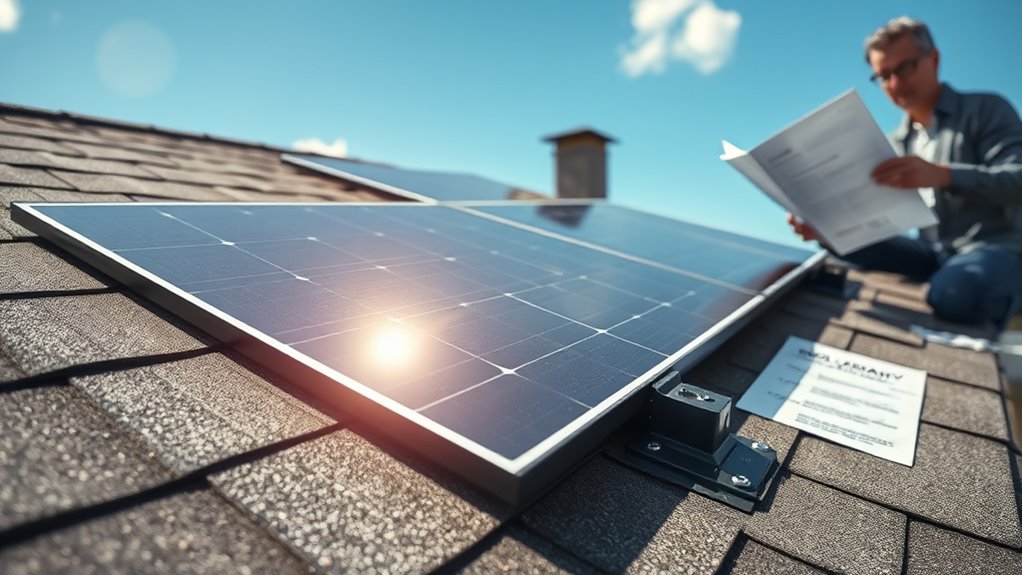
Before installing solar panels, you should check your roof warranty for any coverage limitations that might apply. Make sure the installation meets all the specified requirements to keep your warranty valid.
Ignoring these terms could risk voiding your protection. So, it’s really important to double-check everything before you move forward.
Warranty Coverage Limitations
How does adding solar panels affect your roof warranty? You need to understand the warranty coverage limitations before installation.
Often, warranties exclude damage caused by third-party modifications like solar panels. So, it’s super important to check these key points:
- Scope of Coverage – Find out if the warranty even covers damages related to solar panel installation.
- Material vs. Workmanship – See if the warranty makes a clear distinction between the materials used and the workmanship of the installation.
- Exclusions – Look carefully for any clauses that specifically exclude modifications or penetrations to the roof.
- Claim Process – Make sure you know whether adding solar panels affects your ability to file a claim for roof repairs.
Taking these steps can save you from surprises down the road!
Installation Requirements Compliance
Checking your roof warranty’s coverage is just the start—you also need to make certain the solar panel installation meets specific requirements set by the warranty provider. Many warranties specify that only certified installers or approved mounting methods can be used to maintain coverage.
You should review these installation guidelines carefully to avoid unintentionally voiding your warranty. For example, some warranties require that mounting hardware doesn’t penetrate certain roofing materials or that installers follow specific attachment techniques.
If you don’t comply, you risk losing protection against roof leaks or damage. Always consult your warranty documents and ask your solar installer about their experience with your roof type.
Taking these steps ensures your solar upgrade won’t compromise your roof’s warranty and keeps your investment secure.
How Solar Panels Can Affect Your Roof Warranty
Wondering whether adding solar panels will impact your roof warranty? It can, depending on several factors. Here’s how solar panels might affect your warranty:
- Installation Method: If the mounting process damages your roof, the warranty may be voided. So, it’s important to be careful with how the panels are installed.
- Contractor Qualifications: Using certified installers often preserves your warranty. Going with pros who know what they’re doing really makes a difference.
- Manufacturer Policies: Some roof manufacturers explicitly exclude coverage if panels are installed. That means you’ll want to check your specific roof’s policy before moving forward.
- Roof Condition: Installing panels on an old or damaged roof could lead to denied claims. It’s usually best to make sure your roof is in good shape first.
Understanding these points helps you anticipate potential warranty issues. Your roof warranty could remain intact if installations meet specific standards.
However, neglecting these factors might risk voiding your coverage, leaving you responsible for repairs. So, it pays to do your homework before getting solar panels put on your roof.
Protecting Your Roof Warranty When Installing Solar Panels
Knowing how solar panels might impact your roof warranty sets the stage for taking steps to protect it during installation. You should choose a reputable installer experienced with your roof type to minimize risks.
Make sure they use proper mounting techniques that don’t damage roofing materials or compromise waterproofing. It’s also smart to keep detailed records of the installation process, including photos and receipts.
Before starting, confirm that the installation won’t violate any specific terms in your warranty. If possible, notify your roof warranty provider about the solar panel project to ensure transparency.
Questions to Ask Your Solar Installer About Your Warranty
Before you commit to a solar installer, make sure you ask specific questions about how their work might affect your roof warranty. Knowing this upfront helps you avoid costly surprises later.
Here are four key questions to ask:
- Will installing solar panels void or alter my existing roof warranty?
- How do you ensure the installation doesn’t damage my roof or compromise the warranty?
- Do you offer any warranty or guarantee on your installation work related to roof integrity?
- Can you provide documentation or proof of compliance with my roof manufacturer’s guidelines?
Getting clear answers to these questions will give you confidence that your roof stays protected. Plus, you won’t lose valuable warranty coverage when going solar.
Frequently Asked Questions
How Long Do Solar Panels Typically Last on a Roof?
Solar panels typically last about 25 to 30 years on your roof. With proper maintenance, they can even exceed that lifespan.
This means they keep your energy production efficient and your roof protected throughout their use. So, taking care of them really pays off in the long run!
Can Solar Panel Installation Increase My Home’s Value?
You might be surprised to learn that yes, installing solar panels can boost your home’s value.
Buyers often love energy savings and eco-friendliness, so your investment could pay off when you sell.
It’s a win-win, really. Not only do you save on bills, but you also attract buyers who appreciate sustainable living.
What Maintenance Do Solar Panels Require Over Time?
You’ll need to clean your solar panels occasionally to remove dirt and debris. This helps keep them working efficiently.
Also, check for any shading or damage that might block sunlight. It’s a good idea to have a professional inspect the system every few years.
They can make sure everything is running at peak performance and fix any electrical issues that come up.
Are There Tax Incentives for Installing Solar Panels?
Think of tax incentives as golden rays warming your wallet. You’ll often qualify for federal credits, state rebates, and local perks that trim costs considerably.
This makes your solar investment shine brighter and pay off faster. It’s like giving your savings a little extra boost!
How Do Weather Conditions Affect Solar Panel Performance?
Weather conditions affect your solar panel performance a lot. Cloudy or rainy days reduce sunlight, lowering energy output.
Snow can block panels, which also cuts down on how much power you get. But bright, sunny days boost efficiency.
That helps you generate more power consistently, making the most of your solar setup every day.
Conclusion
Before balancing your budget and boosting your home with solar panels, be sure to scrutinize your roof’s warranty specifics. Don’t plunge into it without doing due diligence—discuss details with your installer and document all agreements.
Protecting your property’s promise prevents potential problems down the path. By being proactive and prepared, you’ll power your place with panels while preserving your roof’s protection perfectly.
Keep in mind, installing solar panels doesn’t automatically void your roof warranty. However, it’s crucial to check the fine print and communicate clearly with your roofing and solar providers. This way, you can enjoy the benefits of solar energy without risking your roof’s coverage. Taking these steps ensures your investment stays safe and your home stays protected.