How to Start a Solar Farm in 3 Simple Steps
To start a solar farm, first secure suitable land that gets plenty of sunlight and has flat terrain. You’ll also need to get the required permits from local authorities to keep everything above board.
Next, choose efficient solar panels that fit your budget and energy goals. Then, hire professionals to install them properly—this way, you maximize sunlight capture and overall performance.
Finally, maintain your system by regularly cleaning the panels, checking connections, and monitoring performance. This helps guarantee long-term efficiency and reliability.
Keep exploring these basics, and you’ll soon understand how to optimize your solar project’s success even further. Starting a solar farm might seem complex, but breaking it down into these simple steps makes it much more manageable!
Key Takeaways
- Find flat land with high sunlight and minimal shading. Also, check zoning laws to make sure solar farm permits are allowed in that area.
- Secure the necessary permits. This includes environmental clearances and agreements for connecting to the power grid.
- Choose solar panels that are efficient and durable. Think about your budget and how much sunlight your site gets.
- Hire professionals to install the panels safely. They’ll help place them so you get the most energy possible.
- Keep your solar farm in good shape with regular cleaning and inspections. Don’t forget to monitor its performance too.
How to Find the Best Land and Get Permits for Your Solar Farm

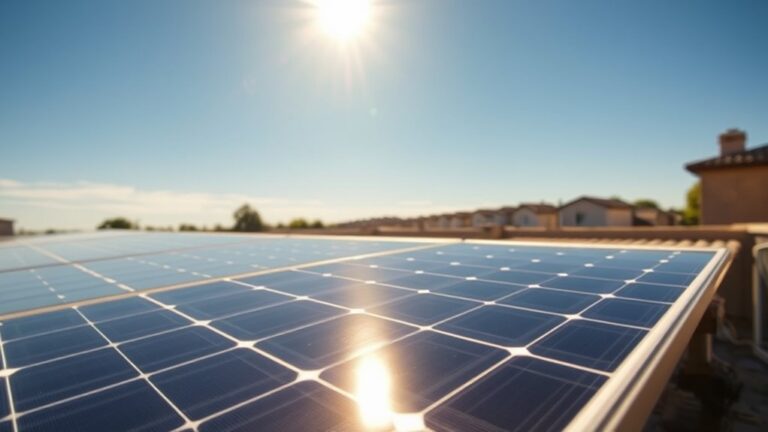
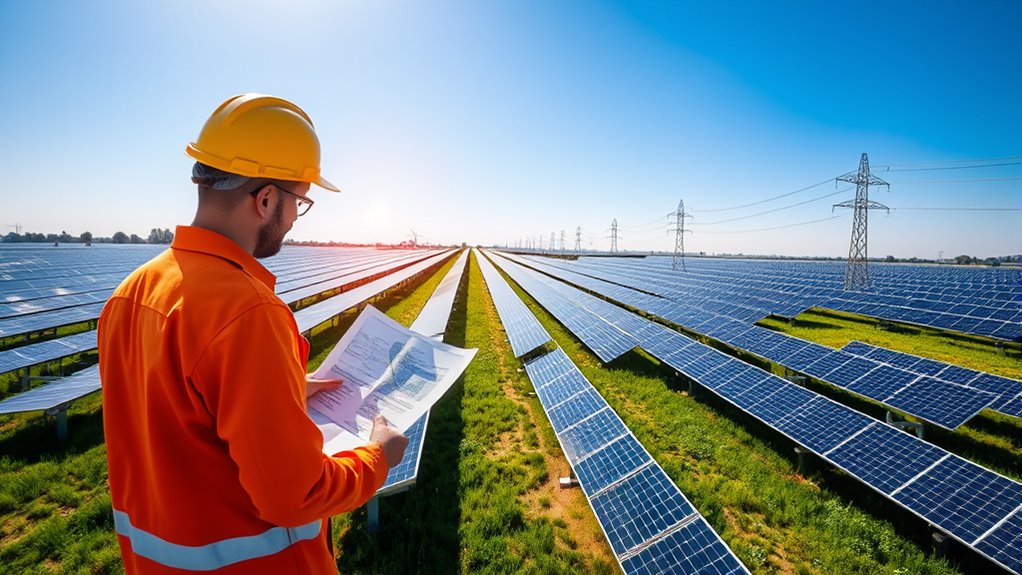
Before you can set up your solar farm, you need to find the right land and obtain the necessary permits. Start by looking for land with plenty of sunlight exposure, minimal shading, and flat terrain to maximize energy production.
Finding sun-rich, flat land with minimal shading is essential before starting your solar farm setup.
Avoid areas prone to flooding or environmental restrictions. Also, check local zoning laws to make sure solar farms are allowed.
Next, contact your city or county planning department to understand the specific permits required, such as building permits, environmental clearances, and grid interconnection agreements. Be prepared to submit detailed site plans and environmental impact assessments.
Keep in mind, getting these permits can take some time, so it’s a good idea to start early and keep clear communication with the officials. Securing suitable land and permits really lays the foundation for a successful solar farm project.
Choose the Right Solar Panels and Install Your Solar Farm
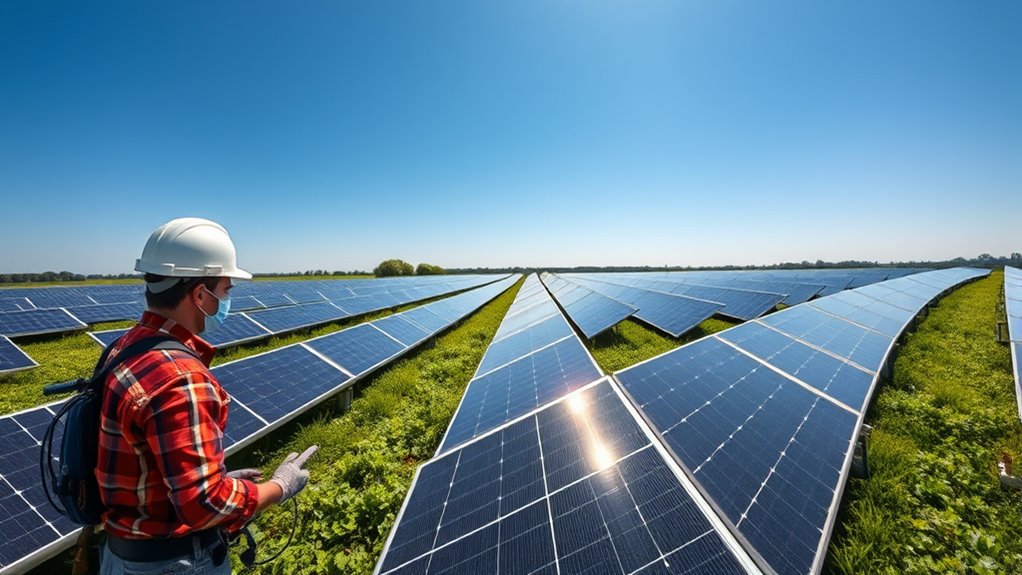
Once you’ve secured your land and permits, it’s time to choose the right solar panels that match your energy goals and budget. Start by comparing panel types: monocrystalline panels offer higher efficiency, while polycrystalline panels are more affordable.
Think about the panels’ durability and warranty too, so you can guarantee long-term performance. Next, take a good look at your site’s sunlight exposure. This will help you figure out the best panel layout and tilt angle.
When it comes to installation, you’ll need to decide between fixed mounts or tracking systems. Trackers boost energy output but can be a bit more complex and costly.
It’s always a smart move to hire experienced professionals for the electrical connections and mounting. They’ll make sure everything meets safety standards.
Proper installation maximizes your farm’s productivity and lifespan. By picking the right panels and installing them correctly, you’re setting a solid foundation for a successful solar farm.
Maintain Your Solar Farm to Boost Efficiency and Profits
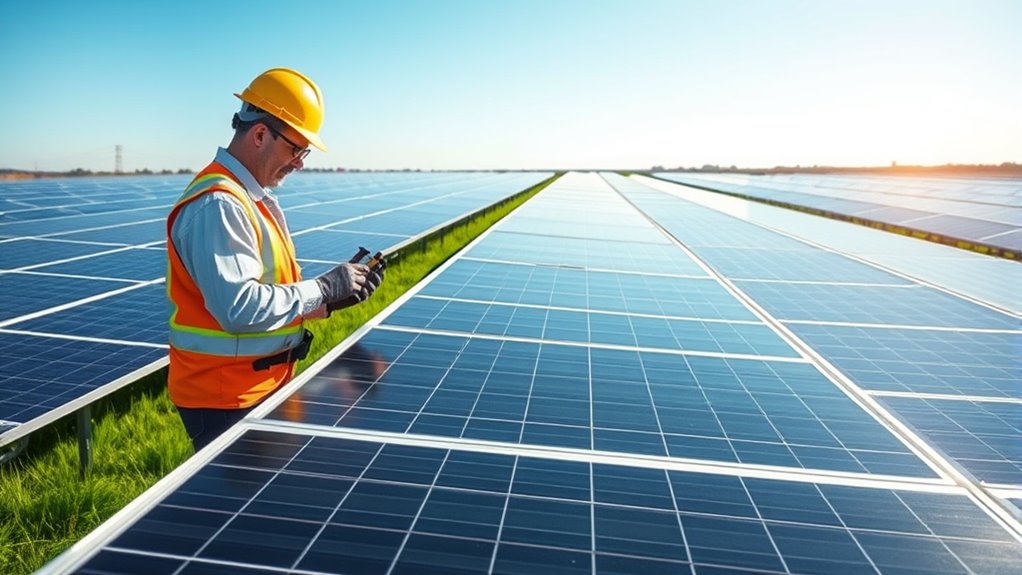
Choosing and installing the right solar panels sets your farm up for success, but keeping it running smoothly requires ongoing care. Regularly clean your panels to remove dust, dirt, and debris that can reduce efficiency.
Also, inspect wiring and connections to catch any wear or damage early. It’s a good idea to monitor your system’s performance using real-time data to spot issues quickly.
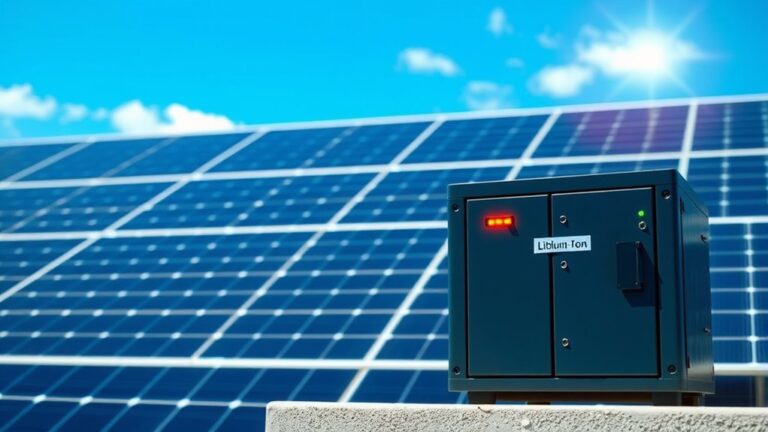
Don’t forget to trim nearby vegetation to prevent shading and ensure maximum sun exposure. Scheduling routine professional inspections helps maintain inverter and battery health.
Staying proactive with maintenance not only maximizes energy output but also extends your equipment’s lifespan. This directly boosts your profits.
Frequently Asked Questions
What Are the Initial Investment Costs for Starting a Solar Farm?
You’ll need to invest in land, solar panels, inverters, installation, permits, and grid connection. Initial costs typically range from $1 million to $3 million per megawatt, depending on location and scale.
How Long Does It Take to See a Return on Investment?
You’ll typically see a return on investment in 7 to 10 years.
Solar farms can generate 20-30% profit margins annually. So, your patience really pays off as energy demand and incentives keep boosting your earnings steadily.
Can Solar Farms Be Combined With Agricultural Activities?
Yes, you can combine solar farms with agriculture through agrivoltaics. You’ll grow crops or graze animals under panels, maximizing land use and boosting both energy production and farming efficiency simultaneously.
It’s a smart, sustainable approach. This way, you get the best of both worlds—farming and clean energy—working together.
What Are the Tax Incentives for Solar Farm Owners?
You can claim federal Investment Tax Credits, often 26% of your solar system cost.
Plus, you might get state incentives, property tax exemptions, or accelerated depreciation benefits. All these can help reduce your overall tax burden considerably.
How Do Solar Farms Impact Local Wildlife and Ecosystems?
You’ll find solar farms can disrupt local wildlife habitats but can also create new ones if managed well. You should plan carefully to minimize harm, protect biodiversity, and support surrounding ecosystems effectively.
It’s all about striking the right balance. When done thoughtfully, solar farms don’t just produce clean energy—they can actually help local nature thrive.
Conclusion
Starting your solar farm is like planting a seed that grows into a sustainable future. By finding the perfect land and securing permits, choosing the right panels, and keeping everything well-maintained, you’ll watch your investment shine bright.
Remember, every step you take today fuels cleaner energy and bigger profits tomorrow. Staying committed is key because solar energy farms don’t just benefit your wallet—they help the planet too.
With the right planning and care, your solar farm will become a beacon of success and sustainability for years to come. Embracing renewable energy through your solar farm not only supports a greener future but also positions you for long-term growth in this expanding industry. Keep pushing forward, and your solar energy farm will truly shine bright in both impact and returns.