What Happens If Your Solar Company Goes Out of Business?
If your solar company goes out of business, your solar panels will still generate power as usual. However, you might face challenges when it comes to maintenance, repairs, and monitoring your system.
Warranty coverage could become uncertain, especially if it’s not backed by the manufacturer or a third party.
You’ll probably need to find new service providers to keep your solar system running smoothly.
Don’t forget, any loan or lease obligations you have will still be in effect no matter what happens with your solar company.
It’s a good idea to check your company’s status regularly. This way, you can protect your warranty and be prepared to find reliable support if needed.
Staying informed helps you avoid surprises and keeps your solar investment safe.
Key Takeaways
- Solar panels will keep producing electricity, but getting maintenance and repairs might get tricky without support from the company.
- Warranty coverage could be at risk unless it’s backed by the manufacturer or a third party.
- Even if the company goes out of business, your loan or lease payments are still legally binding.
- It’s a good idea to look for other certified technicians or solar companies to handle repairs and upkeep.
- Also, make sure to check the company’s status through official channels. Keep all your system and warranty documents organized and handy.
What Happens When Your Solar Company Closes?
If your solar company closes, you might wonder what happens to your system and ongoing services. First, your solar panels will keep generating electricity since they operate independently.
If your solar company shuts down, your panels will continue to produce electricity independently.
However, maintenance, repairs, or system monitoring could become challenging without your provider. Warranty coverage might be at risk if the company ceases operations, especially if they don’t have a parent company backing those guarantees.
You might need to seek alternative service providers for upkeep or troubleshooting. If you financed your system, your loan or lease agreement remains valid, and payments still must be made.
It’s important to review your contract for specific terms regarding service continuation or transfer. Staying proactive helps you avoid surprises and guarantees your solar investment continues working effectively.
How to Check If Your Solar Company Is Still Operating
When you start noticing delays or communication gaps, it’s wise to verify whether your solar company is still operating. Begin by visiting their official website to check for recent updates or announcements.
Try calling their customer service number—if calls go unanswered or voicemail is full, that’s a red flag. Look them up on social media platforms; inactive accounts or lack of recent posts can signal trouble.
You can also search for recent news articles or reviews mentioning the company’s status. Check with your state’s business registry or the Better Business Bureau to see if the company remains in good standing.
Taking these steps promptly helps you stay informed and prepared if the company’s future is uncertain. It’s better to know early than be caught off guard later.
What to Do About Your Solar Warranty After a Company Shutdown
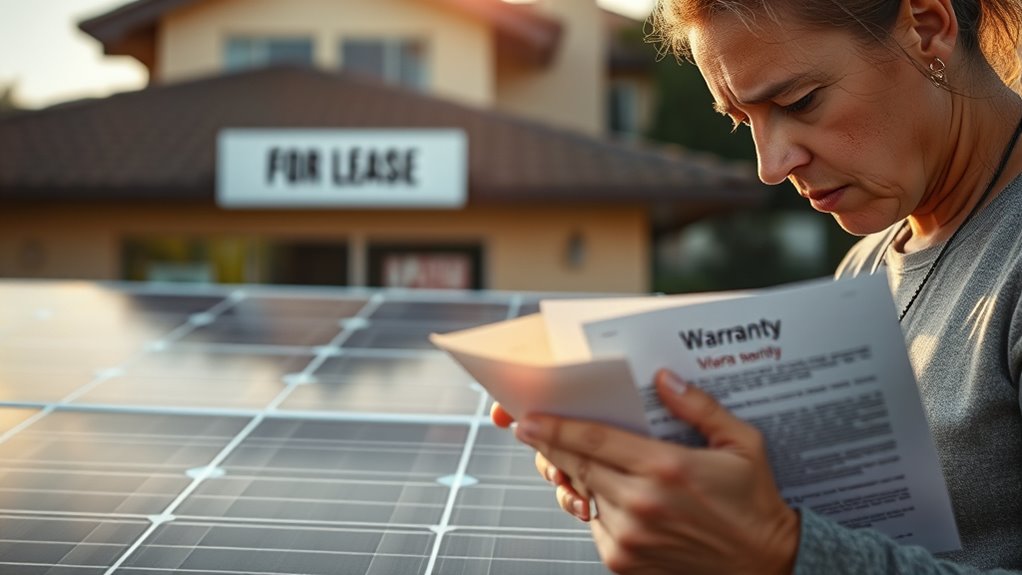
Although your solar company has shut down, your warranty protections don’t automatically disappear. You still have rights under the warranty terms originally provided.
First, review the warranty documents carefully to understand coverage and duration. If the warranty is backed by the manufacturer rather than the installer, contact the manufacturer directly for claims or repairs.
Review your warranty details and contact the manufacturer directly for claims if they back the warranty.
In cases where the installer offered the warranty, check if the warranty has been transferred to a third party or insurer. If you run into difficulties, consider reaching out to your state’s consumer protection agency or the Solar Energy Industries Association for guidance.
Taking these steps promptly helps guarantee your solar system stays protected despite the company’s closure. Don’t delay—your warranty rights remain valid and can still be enforced.
How to Find Your Solar System’s Paperwork and Records
Since your solar company has closed, locating your system’s paperwork and records becomes essential for managing warranties, maintenance, and potential repairs.
Start by gathering all your documents to stay organized and informed.
- Check your email inbox and any cloud storage for digital copies of contracts, invoices, and warranty papers.
- Look through physical files, including folders or binders where you might have stored installation and service documents.
- Contact your bank or credit card company for payment records related to your solar installation—they can help verify purchase details.
- Reach out to your local permitting office or utility provider for copies of permits or interconnection agreements tied to your system.
Keeping these records handy guarantees you can address any future issues without your original provider.
Who Can Repair or Service Your Solar Panels Without Your Provider?
Having your solar system’s paperwork organized puts you in a strong position to handle repairs or maintenance without your original provider. You can turn to licensed electricians or certified solar technicians who specialize in solar panel systems.
These professionals have the training to diagnose and fix common issues, such as inverter failures or wiring problems. Additionally, some manufacturers offer support directly, so contacting them with your system details can be helpful.
If your system uses specific components, confirm the technician is familiar with those brands to avoid compatibility issues. Local solar companies or renewable energy contractors also often provide repair services, even if they didn’t install your system initially.
How to Protect Yourself When Choosing a New Solar Company
When you choose a new solar company, doing thorough research can save you from future headaches and unexpected costs. You want to guarantee the company is stable, reputable, and ready to support your system long-term.
Here’s how to protect yourself:
- Verify the company’s financial stability and check for any recent business changes. It’s important to know they’re here for the long haul.
- Read customer reviews and ask for references to gauge satisfaction and reliability. Hearing from others can really give you a clear picture.
- Confirm they offer warranties and maintenance plans that transfer with ownership. That way, you’re covered even if you sell your home.
- Make sure they’re licensed, insured, and compliant with local regulations. This helps avoid any legal or safety issues down the road.
Frequently Asked Questions
Will My Solar Panels Continue Producing Energy if the Company Closes?
Yes, your solar panels will keep producing energy even if the company closes. They operate independently, so as long as your system’s intact and connected, you’ll continue generating electricity without interruption.
You won’t have to rely on the company’s status for your panels to work. So, no worries—your energy production should keep going strong!
Can I Transfer My Solar Lease to a New Provider?
Yes, you can usually transfer your solar lease to a new provider. But you’ll need to review your contract carefully and coordinate with both companies involved.
Make sure the new provider agrees to take over the lease terms before you move forward. It’s important to get everything clear so there are no surprises later on.
What Happens to My Solar Incentives or Tax Credits if the Company Shuts Down?
Your solar incentives or tax credits usually stay with you, not the company. As long as you meet eligibility requirements and keep proper documentation, you can claim them even if your solar provider shuts down.
How Do I Dispute a Bill or Contract After My Solar Company Closes?
If a bill or contract feels like a tangled web, you’ll want to gather all documents. Then, contact the company’s legal representative or trustee.
After that, file a formal dispute with your state’s consumer protection agency or the Better Business Bureau. It’s important to take these steps to protect yourself. Don’t hesitate to reach out for help if you need it.
Are There Government Programs to Help if My Solar System Needs Repairs?
Yes, you can check local and federal programs like the Weatherization Assistance Program or state energy offices. They often offer grants or low-interest loans to help you repair or maintain your solar system affordably.
It’s worth reaching out to see what options are available in your area. These programs can make fixing your solar system much more affordable and stress-free.
Conclusion
If your solar company fades away like a setting sun, don’t let your energy dreams dim. Keep your paperwork close, like a map guiding you through uncharted skies. Check warranties carefully, and seek skilled hands to tend your panels.
By staying vigilant and choosing your next provider wisely, you’ll keep your solar power shining bright. This way, you can turn cloudy uncertainty into a horizon full of radiant possibilities. Remember, even if your original solar company goes out of business, there are reliable options to maintain your solar system’s performance.
Make sure to verify warranty transfers and find a trusted solar service provider to handle repairs or maintenance. With the right approach, your investment in solar energy will continue to pay off—keeping your clean energy flowing and your savings growing for years to come.