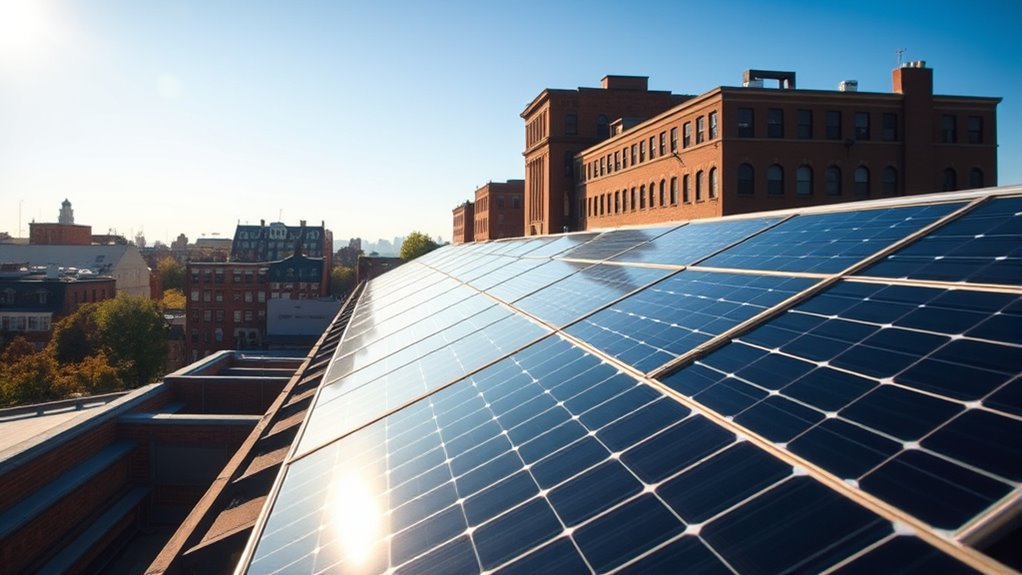
Are Solar Panels Worth It in Boston?
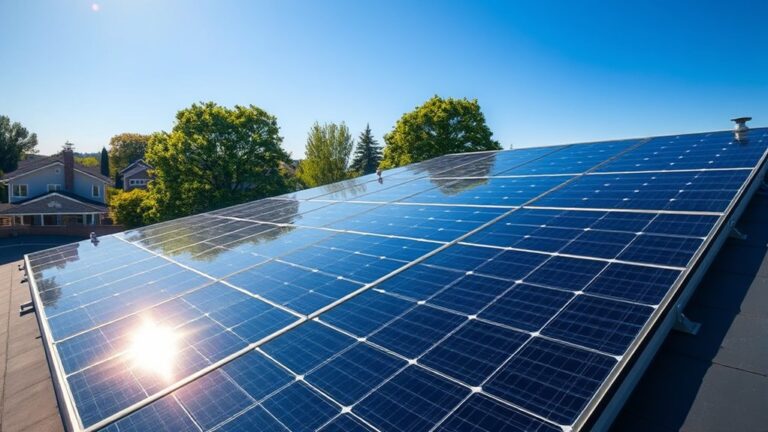
Solar panels are definitely worth it in Boston, especially if you’re looking to save money on your energy bills. Even though the city has its share of cloudy days, solar panels still generate power throughout the year, particularly in the sunnier months.
Plus, installing solar panels can increase your home’s value, which is a great bonus if you ever decide to sell.
Seasonal weather does affect how much energy your panels produce, but they’re designed to work efficiently even with some cloud cover. On top of that, you can take advantage of tax credits and local incentives that help lower the upfront costs, making solar more affordable than you might think.
Besides saving money, going solar means you’re supporting a cleaner environment and protecting yourself against rising utility rates. It’s a smart move that benefits both your wallet and the planet.
Keep exploring to see how solar power fits your Boston home and lifestyle!
Key Takeaways
- Solar panels in Boston provide significant electricity savings, especially during sunny months. This boosts long-term financial benefits for homeowners.
- There are federal and Massachusetts incentives, including tax credits and rebates. These substantially reduce installation costs and improve your return on investment.
- South or southwest-facing roofs with minimal shading are best for solar panels. Having the right angle, around 30-45 degrees, helps maximize solar efficiency in Boston.
- Sure, seasonal sunlight variations affect output. But panels still generate power year-round, even with some reductions during winter and cloudy days.
- Going solar supports Boston’s environmental goals by cutting carbon emissions and improving air quality. Plus, it helps enhance the city’s energy independence.
Are Solar Panels Worth It for Boston Homeowners?
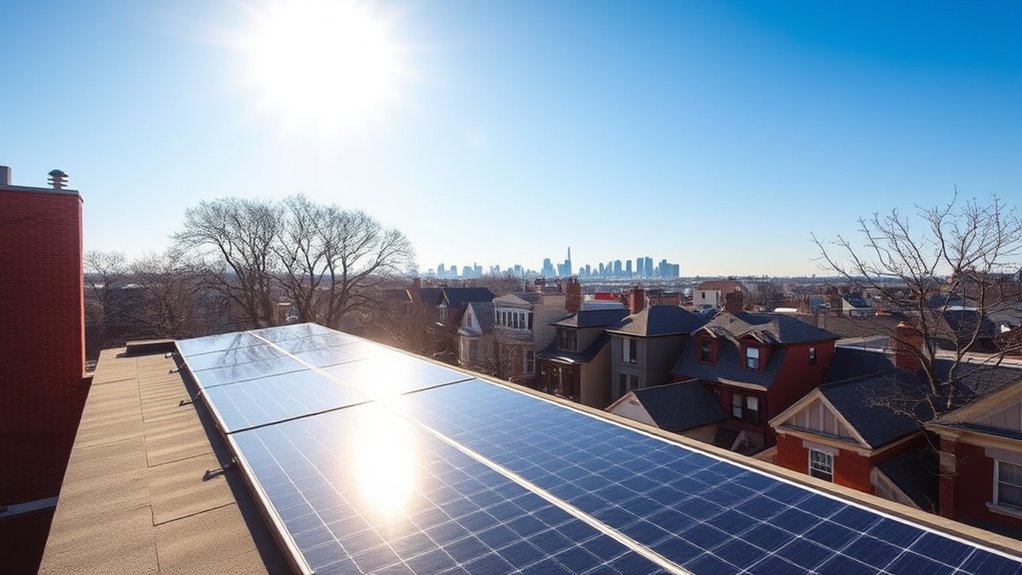
Although Boston’s winters can be challenging, installing solar panels can still be a smart investment for homeowners. You’ll benefit from significant electricity savings, especially during sunny months when solar production peaks.
Solar panels also increase your property value, making your home more attractive if you decide to sell. Plus, Massachusetts offers various incentives and rebates that help reduce upfront costs, making solar more affordable than you might expect.
You should also consider how your electricity rates are rising—solar energy can shield you from future price hikes. While the initial installation requires some effort, the long-term financial and environmental benefits make it worthwhile.
How Boston’s Weather Shapes Solar Panel Performance
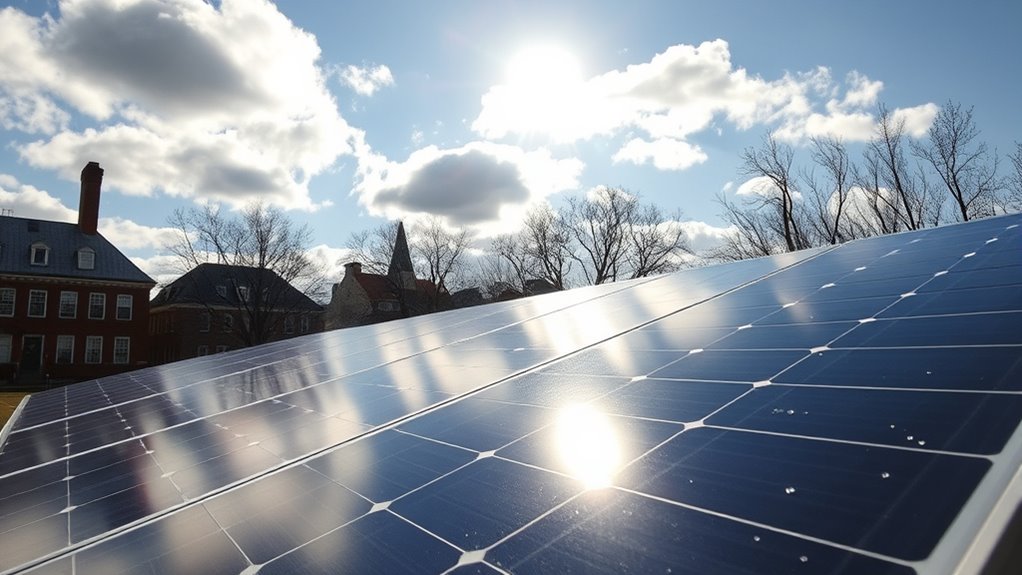
You’ll notice Boston’s sunlight changes a lot with the seasons, which affects how much energy your solar panels can produce.
Cloud coverage also plays a big role, often reducing the panels’ efficiency on overcast days.
Understanding these weather patterns helps you set realistic expectations for your solar investment.
Seasonal Sunlight Variations
How does Boston’s changing weather throughout the year affect your solar panel’s energy production? In Boston, sunlight hours vary a lot between seasons.
During summer, longer days and more direct sunlight boost your panels’ efficiency. This means they can generate plenty of energy for you.
Winter, on the other hand, brings shorter days and a lower sun angle. So, your panels get less sunlight and produce less power during those months.
Spring and fall offer moderate sunlight, which helps balance out the energy output. Even with these ups and downs, your solar panels still provide consistent energy all year by making the most of the sunlight available.
Knowing how the seasons affect sunlight helps you set realistic expectations for your solar investment in Boston’s unique climate.
Impact of Cloud Coverage
Cloud coverage in Boston plays a major role in determining your solar panels’ daily energy output. While cloudy days reduce the intensity of sunlight hitting your panels, they don’t stop energy production entirely.
Boston experiences frequent overcast skies, especially in fall and winter, which can lower your system’s efficiency by 10-25%. However, modern solar panels still generate power under diffuse light, so you’ll keep producing energy even when the sun isn’t shining brightly.
To maximize performance, consider panels with higher efficiency ratings and install them at *ideal* angles for Boston’s latitude. Understanding how cloud coverage affects your solar setup helps you set realistic expectations and *guarantees* you design a system that meets your energy needs year-round despite the city’s variable weather.
What Financial Incentives Can Lower Your Solar Costs?
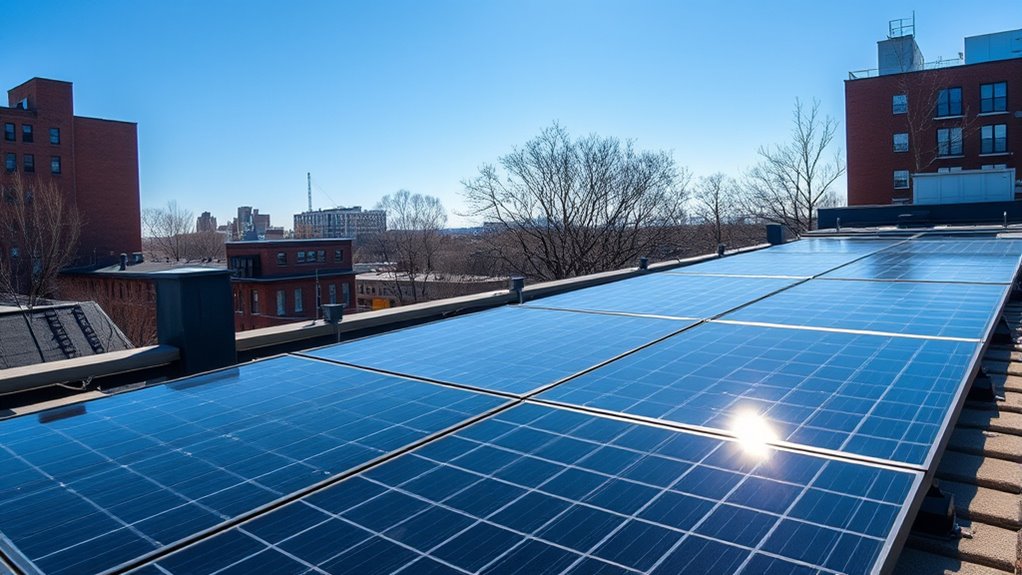
Although the upfront cost of solar panels can seem high, various financial incentives in Boston can considerably reduce your expenses. You can take advantage of federal, state, and local programs designed to make solar installation more affordable.
These incentives often come as tax credits, rebates, or performance-based payments that lower your net cost and speed up your return on investment. It’s a great way to make going solar more budget-friendly.
| Incentive | Description |
|---|---|
| Federal Solar Tax Credit | 30% credit on your total system cost |
| Massachusetts SMART Program | Performance-based payments per kWh |
| Massachusetts Solar Loan Program | Low-interest loans for solar systems |
| Local Utility Rebates | Cash rebates from utility companies |
How Much Can You Save on Energy Bills With Solar?
Beyond incentives that reduce your upfront costs, solar panels can substantially lower your monthly energy bills. When you install solar in Boston, you’re generating your own electricity. That means you buy less from your utility.
Here’s what you can expect:
- Immediate Savings: Your bill drops as soon as your system goes live, often by 50% or more.
- Long-Term Protection: You lock in lower energy costs, shielding yourself from rising utility rates.
- Net Metering Benefits: Excess power sent back to the grid can earn credits, further reducing bills.
Over time, these savings add up, making solar a smart financial move. You’re not just cutting costs—you’re investing in energy independence and stability.
Which Boston Homes Are Best Suited for Solar Panels?
To get the most from solar panels, your roof should face south or southwest with a moderate angle for ideal sunlight. You’ll want to check for shading from trees or nearby buildings that might reduce energy production.
Also, consider your home’s energy use, since higher consumption can make solar investments more worthwhile. It’s all about making sure you get the best bang for your buck!
Roof Orientation And Angle
Your roof’s orientation and angle play a crucial role in how effectively solar panels can capture sunlight throughout the day.
In Boston, a south-facing roof is ideal since it receives the most direct sunlight, maximizing your solar energy output. The angle of your roof also affects performance: a tilt similar to Boston’s latitude (around 42 degrees) helps panels absorb sunlight efficiently year-round.
Here’s what to evaluate:
- South-facing roofs capture sunlight best, boosting energy production.
- Roof angles between 30-45 degrees are best for Boston’s sun path.
- East- or west-facing roofs can still work but typically produce 15-20% less energy.
Shading And Tree Coverage
Although roof orientation and angle are important, shading from trees or nearby buildings can considerably reduce your solar panels’ efficiency. If your home is surrounded by tall trees or close to other structures casting shadows on your roof during peak sunlight hours, your solar output will drop.
You’ll want to assess your property carefully, especially in Boston where older neighborhoods often have mature trees. Consider trimming branches or removing small trees if possible.
Homes with clear, unobstructed roofs facing south or southwest are best suited for solar panels, as they receive the most direct sunlight. If significant shading is unavoidable, solar panels might not provide the savings you expect.
Using shading analysis tools or consulting a solar professional will help you determine if your home’s tree coverage affects solar viability.
Home Energy Consumption Levels
Shading and tree coverage can limit how much sunlight your panels capture, but another key factor to contemplate is how much energy your home uses. Solar panels are most beneficial if your consumption offsets the system’s output.
Consider these three points to see if your Boston home fits the bill:
- High Electricity Bills: If your monthly bills consistently exceed $100, solar panels can substantially reduce costs.
- Electric Heating or Appliances: Homes relying on electric heating, water heaters, or multiple appliances use more power, making solar more impactful.
- Roof Size and Orientation: Larger roofs facing south maximize panel efficiency, supporting higher energy needs.
If your home matches these criteria, investing in solar panels is likely a smart move for long-term savings and sustainability. It’s definitely worth thinking about!
What Environmental Benefits Does Solar Bring to Boston?
When you choose solar panels in Boston, you directly reduce reliance on fossil fuels that contribute to air pollution and climate change. Solar energy produces no greenhouse gas emissions during operation, helping improve local air quality and reduce Boston’s carbon footprint.
You also conserve water by avoiding the large amounts used in traditional power generation. Plus, solar panels support a cleaner, more sustainable energy grid, benefiting future generations.
| Environmental Benefit | Impact on Boston | Your Role |
|---|---|---|
| Reduced CO2 Emissions | Lower greenhouse gases | Generate clean energy |
| Improved Air Quality | Less smog and pollutants | Cut fossil fuel use |
| Water Conservation | Saves millions of gallons | Use solar power |
| Sustainable Energy | Reliable, renewable source | Invest in solar tech |
Frequently Asked Questions
How Long Does Solar Panel Installation Take in Boston?
Solar panel installation in Boston usually takes one to three days, depending on your roof’s size and complexity.
You’ll want to factor in permits and inspections too, which can add a few weeks before your system’s fully operational.
It might feel like a bit of a wait, but getting all the paperwork sorted is key for a smooth setup.
What Maintenance Do Solar Panels Require in New England?
Think of your solar panels as a garden—they need occasional care. You’ll clean them a couple of times a year, check for debris or shading, and schedule professional inspections every few years.
This helps keep them thriving in New England’s weather. It’s pretty simple once you get the hang of it!
Can Solar Panels Increase My Boston Home’s Resale Value?
Yes, solar panels can increase your Boston home’s resale value by attracting eco-conscious buyers and lowering energy costs. Buyers often pay more for energy-efficient homes, so installing solar panels is a smart investment for boosting your property’s appeal.
It’s a win-win situation—you save on energy bills while making your home more attractive in the market. Plus, with growing interest in sustainability, solar panels are becoming a major selling point.
Are There Any Local Boston Regulations or Permits for Solar Panels?
You’ll need permits from Boston’s Inspectional Services Department before installing solar panels.
Notably, over 70% of Boston homeowners qualify for local incentives, making the process smoother and more affordable than you might expect.
It’s definitely worth checking out what you qualify for before you start. That way, you can save some money and avoid any headaches along the way.
How Do Solar Panels Perform During Boston’s Winter Months?
Solar panels still perform well during Boston’s winter, even with shorter days and snow. You’ll get less energy, but panels work in cold weather.
Snow usually slides off, keeping them efficient throughout the winter months. So, while you might see a dip in power, your panels are still getting the job done.
Conclusion
Just like Paul Revere’s midnight ride sparked change, choosing solar panels in Boston can ignite your energy savings and environmental impact. Despite the city’s cloudy days, the financial incentives and long-term benefits shine bright.
You’ll cut costs, boost your home’s value, and contribute to a cleaner future. Solar energy isn’t just good for the planet—it’s smart for your wallet too. So, why wait? Embrace the solar revolution and let your home be part of Boston’s bright, sustainable story.
In short, solar panels are definitely worth it in Boston. The combination of local incentives, decreasing solar costs, and the chance to reduce your carbon footprint makes going solar a win-win. Whether you’re looking to save money or invest in a greener lifestyle, solar energy in Boston offers a bright future for both your home and the environment.