Are Solar Panels Worth It in Wisconsin?
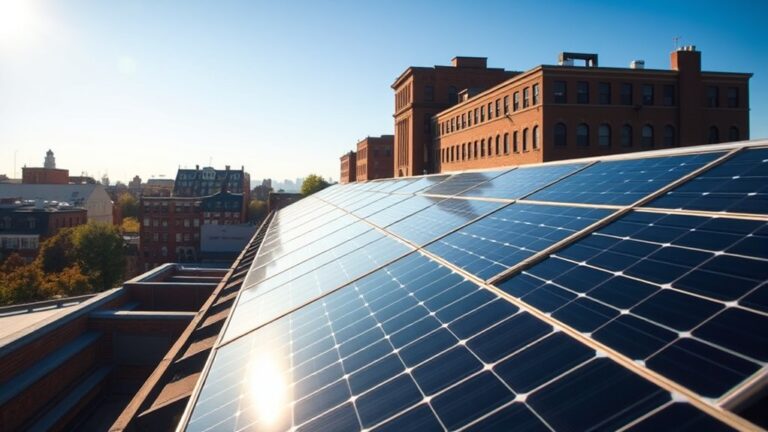
Yes, solar panels are worth it in Wisconsin because you get enough sunlight, especially in the longer months, to generate significant energy. Even though Wisconsin isn’t known for endless sunshine, the state still offers plenty of bright days to make solar power a smart choice.
Plus, there are great incentives like the federal tax credit and local rebates that help lower your installation costs.
While winters can reduce output, cold temperatures actually improve solar panel efficiency. And snow rarely causes long downtime, so your system keeps working through the season.
On top of saving money on energy bills, solar panels can also boost your home’s value. Keep exploring to discover how solar pays off both seasonally and financially. It’s definitely worth considering if you want to make the most of renewable energy in Wisconsin!
Key Takeaways
- Wisconsin’s average 2,500 sunlight hours annually make solar panels effective despite seasonal variations. So, even with those cold winters, you can still get good use out of solar energy.
- Installation costs range from $15,000 to $25,000 but are offset by quality choices and system size. You can customize your system to fit your budget and energy needs.
- Federal tax credits and local rebates like Focus on Energy significantly reduce upfront solar expenses. These incentives really help make solar more affordable for Wisconsin residents.
- Solar panels increase property value and support eco-friendly, sustainable living in Wisconsin homes. Plus, it feels great to reduce your carbon footprint.
- Long-term savings from energy cost reductions and net metering make solar financially beneficial. Over time, you’re likely to save a good chunk of money on your electricity bills.
Is Solar Worth It in Wisconsin?
Deciding if solar is worth it in Wisconsin depends on several factors, including your energy needs, local incentives, and the state’s sunlight levels. While Wisconsin doesn’t get as much sun as sunnier states, it still receives enough sunlight to make solar panels effective, especially during longer daylight months.
If your household uses a lot of electricity, solar can considerably reduce your bills. Plus, Wisconsin offers various incentives, like state tax credits and net metering, which lets you sell excess energy back to the grid. These benefits can boost your savings.
You should also consider your roof’s condition and orientation since south-facing roofs capture the most solar energy. Overall, if you want to cut energy costs and care about sustainability, solar panels could be a smart choice in Wisconsin.
What Does Solar Installation Cost in Wisconsin?
You’ll want to know the average cost of installing solar panels in Wisconsin before making a decision. Luckily, there are various financing options that can help manage the upfront expense.
Plus, state incentives and rebates can considerably lower what you actually pay. So, it’s definitely worth looking into those to save some money.
Average Installation Price
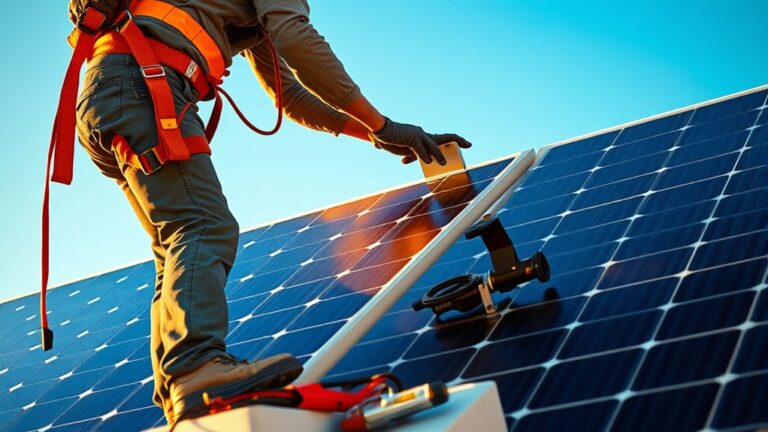
Several factors influence the average cost of solar panel installation in Wisconsin, but most homeowners can expect to pay between $15,000 and $25,000 before incentives. Your final price depends on the system size, panel quality, and labor costs in your area.
Here’s what you should consider:
- System Size: Larger systems cost more upfront but generate more electricity. That means they can potentially save you more over time.
- Panel Quality: Premium panels come with higher efficiency and longer warranties. This impacts the initial price you’ll pay.
- Labor and Permitting: Installation complexity and local permitting fees can vary quite a bit. These factors affect your overall costs too.
Financing Options Available
Although the upfront cost of solar panel installation in Wisconsin can seem high, various financing options make it more accessible. You can choose from solar loans that let you pay over time with low interest rates, helping you avoid a large initial expense.
Another option is a solar lease or power purchase agreement (PPA), where you pay a fixed monthly fee or per kilowatt-hour without owning the system upfront. Some local banks and credit unions also offer green energy loans tailored for solar projects.
Additionally, many installers provide flexible financing plans. By exploring these choices, you can find a solution that fits your budget and start saving on energy costs sooner rather than later, making solar power a viable investment for your home.
Incentives And Rebates
Exploring financing options can considerably reduce the initial burden of going solar, but understanding the incentives and rebates available in Wisconsin can lower your costs even further.
Here’s what you should know:
- Federal Solar Tax Credit: You can claim 30% of your solar installation costs as a tax credit on your federal taxes. This directly reduces what you owe.
- Focus on Energy Rebates: Wisconsin’s Focus on Energy program offers cash incentives for installing solar panels. This helps you save upfront.
- Net Metering: This allows you to earn credits for excess energy your system produces. Those credits can offset your future electricity bills.
How Wisconsin Incentives Help You Save on Solar
How can you make solar panels more affordable in Wisconsin? The state offers several incentives that reduce upfront costs and boost your savings.
You can take advantage of federal tax credits combined with state-specific rebates and programs. These incentives lower your installation expenses and shorten your payback period.
Here’s a quick look at Wisconsin’s key solar savings opportunities:
| Incentive Type | Description |
|---|---|
| Federal Tax Credit | 30% credit on total system cost |
| Focus on Energy Rebate | Up to $1,000 for residential systems |
| Property Tax Exemption | Solar doesn’t increase property taxes |
| Net Metering | Credits for excess energy sent to grid |
| Local Utility Incentives | Varies by provider, check availability |
How Much Sunlight Do Solar Panels Get in Wisconsin?
You might wonder how much sunlight your solar panels will actually get in Wisconsin. The state averages around 4 to 5 peak sunlight hours per day, but this changes with the seasons.
It’s good to understand these variations because they can help you set realistic expectations for your solar energy production. So, depending on the time of year, your panels might work a bit harder or get a little break.
Wisconsin Sunlight Hours
Wondering if Wisconsin gets enough sunlight to make solar panels a smart investment? On average, Wisconsin receives about 2,500 hours of sunlight annually, which is a solid foundation for solar energy.
Here are three key points about Wisconsin’s sunlight hours:
- Daily Average: You can expect roughly 6.8 hours of usable sunlight per day throughout the year.
- Comparison: Wisconsin’s sunlight hours are comparable to other northern states successfully using solar panels.
- Energy Impact: These sunlight hours translate into meaningful solar energy production, making panels effective for your home or business.
While Wisconsin isn’t the sunniest state, its sunlight hours are sufficient to generate substantial solar power.
This makes solar panels a viable option for reducing your energy bills and carbon footprint.
Seasonal Sunlight Variation
Although Wisconsin enjoys a decent amount of sunlight annually, the amount of solar energy your panels receive changes considerably with the seasons.
Winter months bring shorter days and more cloud cover, which reduces solar production. On the other hand, summer offers long, sunny days that maximize energy output.
Understanding this seasonal variation helps you set realistic expectations for your solar investment.
| Season | Avg. Sunlight Hours/Day | Energy Production Impact |
|---|---|---|
| Spring | 10 | Moderate |
| Summer | 14 | High |
| Fall | 9 | Moderate |
| Winter | 6 | Low |
How Do Solar Panels Perform in Wisconsin’s Winters and Summers?
While Wisconsin’s climate presents challenges like heavy snow and shorter winter days, solar panels can still generate significant energy throughout the year. You might wonder how they hold up during harsh winters and hot summers.
Despite Wisconsin’s harsh winters and summers, solar panels remain a reliable year-round energy source.
Here’s what you need to know:
- Winter Efficiency: Solar panels produce less energy on cloudy days and when covered in snow, but cold temperatures actually improve their efficiency. This helps you generate more power than you might expect.
- Snow Management: Snow usually slides off panels quickly because of their angled installation. This means downtime is kept to a minimum.
- Summer Performance: Longer daylight hours and strong sunlight boost energy production. That’s why summers tend to be the most productive season for your system.
What Financial Benefits Can Wisconsin Homeowners Expect From Solar?
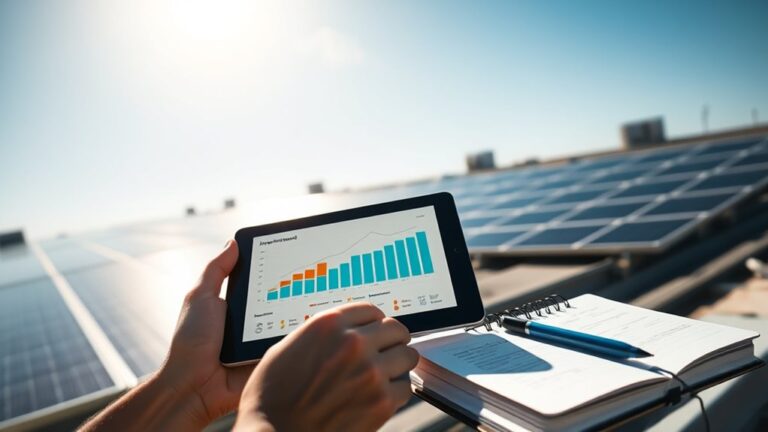
Several financial benefits make installing solar panels a smart investment for Wisconsin homeowners. First, you’ll save considerably on your electricity bills by generating your own power.
Wisconsin’s net metering policy lets you sell excess energy back to the grid, further reducing costs. You can also take advantage of the federal solar tax credit, which cuts 30% off your installation costs.
Additionally, some local incentives and rebates may be available, depending on your utility provider. Over time, these savings add up, allowing you to recoup your initial investment faster.
Plus, solar panels increase your home’s value, making it more attractive if you decide to sell. With these financial perks, going solar in Wisconsin is not just eco-friendly but financially savvy.
Frequently Asked Questions
How Long Does Solar Panel Installation Take in Wisconsin?
Solar panel installation in Wisconsin usually takes one to three days, depending on your system size and roof complexity.
You’ll want to factor in additional time for permits and inspections, which can add a few weeks to the process.
What Maintenance Do Solar Panels Require in Wisconsin?
You’ll need to clean your solar panels occasionally, especially after heavy snow or dust. Also, check for damage and monitor performance yearly.
Luckily, Wisconsin’s cool climate helps panels last longer with minimal maintenance. So, while a little upkeep is necessary, it’s not too demanding.
Can Solar Panels Increase My Home’s Resale Value in Wisconsin?
Yes, solar panels can boost your home’s resale value in Wisconsin. Buyers often appreciate energy savings and eco-friendliness, making your property more attractive.
Just make certain your system is well-maintained and properly documented for the best impact. It really helps to keep everything in order when you’re ready to sell.
Are There Local Wisconsin Companies That Specialize in Solar Installation?
Think of finding a local solar installer like picking a friendly neighbor to help—yes, Wisconsin has several companies specializing in solar installation, like SunVest and Focus on Energy.
They’re ready to guide you through the whole process smoothly. It’s pretty straightforward when you have the right folks by your side.
How Do I Choose the Right Solar Panel System Size for My Wisconsin Home?
You’ll want to assess your average energy usage, roof size, and sunlight exposure. Then, consult a local installer who can recommend a system sized to meet your needs and maximize efficiency in Wisconsin’s climate.
It’s really about finding the right fit for your home and lifestyle. Plus, local experts know the best options for dealing with Wisconsin’s weather patterns.
Conclusion
Choosing solar panels in Wisconsin is like planting a seed that grows savings and sustainability. Despite chilly winters, your investment will soak up summer sun, thanks to state incentives that brighten your financial outlook.
You’ll watch your energy bills shrink and your home’s value rise, making solar not just a smart choice but a sunny opportunity.
So, why wait? Let the Badger State’s sunlight power your future and light up your life. Installing solar panels in Wisconsin is worth it because you can take advantage of local rebates, federal tax credits, and the state’s net metering policies. These benefits help reduce upfront costs and maximize your long-term savings. Plus, solar energy is a clean, renewable resource that helps protect the environment while boosting your property value. Embracing solar power in Wisconsin means turning the state’s natural sunlight into reliable energy and financial benefits all year round.