
What Is Active Solar Energy and How to Use It
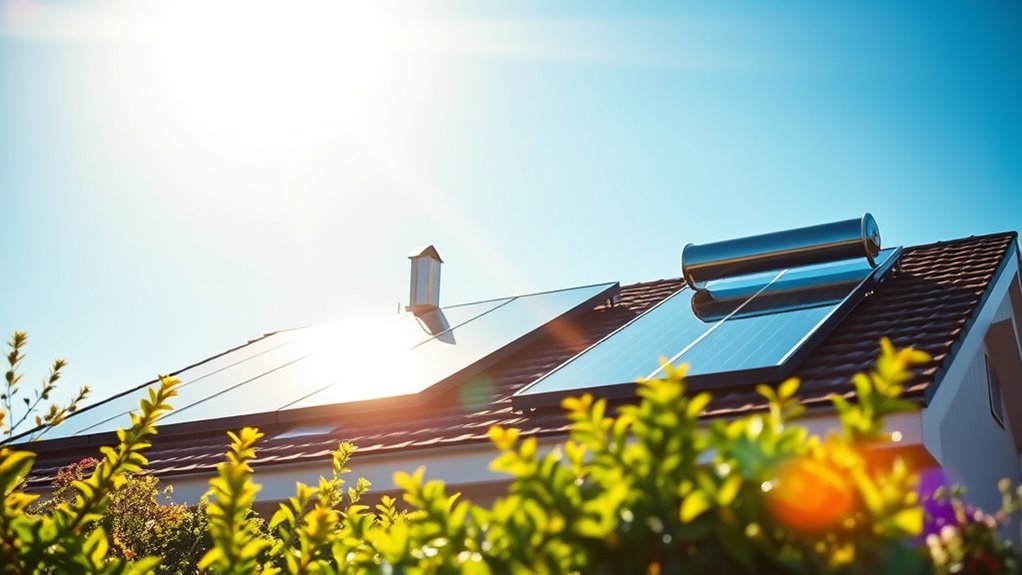
Active solar energy uses mechanical systems like pumps and fans to capture sunlight through panels or collectors. These systems convert sunlight into heat or electricity for your home, making your energy use more efficient and eco-friendly.
You’ll rely on fluid circulation and controllers to optimize the energy flow. This setup also allows you to store heat for later use, so you have warmth even when the sun isn’t shining.
While active solar energy needs some upfront investment and regular upkeep, the benefits are worth it. You get higher efficiency and more control compared to passive systems.
Curious about how these components work together or how to maintain them? There’s a lot more to explore!
Key Takeaways
- Active solar energy uses mechanical systems like pumps and fans to capture and transfer solar heat or electricity efficiently. These systems make sure the energy you get from the sun is used in the best way possible.
- Solar collectors absorb sunlight to heat fluids, which circulate through the system to warm homes or generate electricity. It’s pretty cool how the sun’s energy turns into warmth or power for your house.
- Controllers regulate pumps and flow to optimize energy capture and reduce waste in active solar systems. They keep everything running smoothly so you don’t lose any valuable energy.
- Active solar setups combine heating and photovoltaic panels for electricity, enabling energy storage and automated management. This means you can save energy for later and let the system handle things on its own.
- Regular maintenance, including cleaning panels and inspecting mechanical parts, ensures system efficiency and durability. Taking care of your system means it’ll keep working great for a long time.
What Is Active Solar Energy and How Does It Work
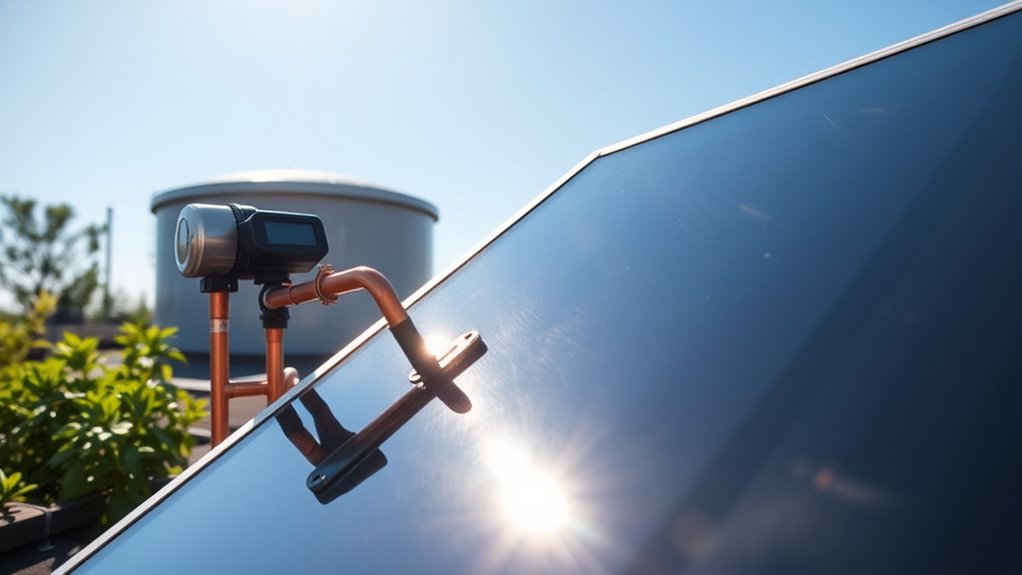
How does active solar energy actually work? You harness sunlight using technology that actively moves heat or electricity where you need it.
Unlike passive solar energy, which relies on natural heat flow, active solar energy uses mechanical systems like pumps or fans to circulate heated fluids or air.
Active solar energy uses pumps or fans to actively move heat, unlike passive systems relying on natural flow.
You capture solar energy through collectors—usually panels or tubes—then transfer that energy via a fluid or electrical system.
This allows you to heat your home, water, or even generate electricity efficiently.
By controlling the flow, you maximize energy use and minimize waste.
Active solar energy requires some upfront investment in equipment and maintenance, but it gives you more control and higher output compared to passive methods.
That’s why it’s a practical choice for many applications.
Main Parts of an Active Solar Energy System
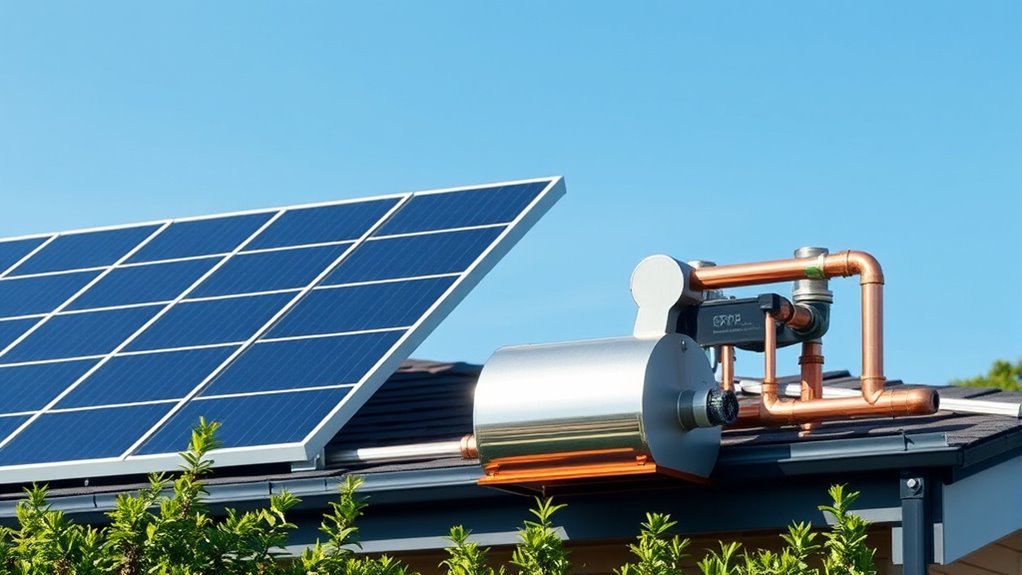
Before you can effectively harness active solar energy, you need to understand the main parts of the system that make it work. First, you have solar collectors, which capture sunlight and convert it into heat.
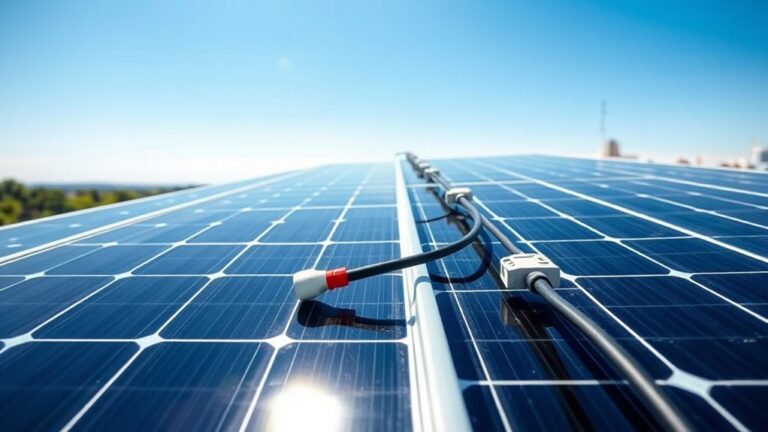
Next, a circulation system moves a fluid—usually water or antifreeze—through the collectors to transport that heat. You’ll also find a heat storage unit, like a tank, that stores the warmed fluid for later use.
Additionally, a controller regulates the flow, ensuring the system operates efficiently by turning pumps on or off based on temperature differences. Finally, pumps physically move the fluid through the system.
Knowing these components helps you grasp how active solar systems actively collect, transfer, and store solar energy. This understanding allows you to make informed decisions about installation and maintenance.
Using Active Solar Energy for Home Heating and Electricity
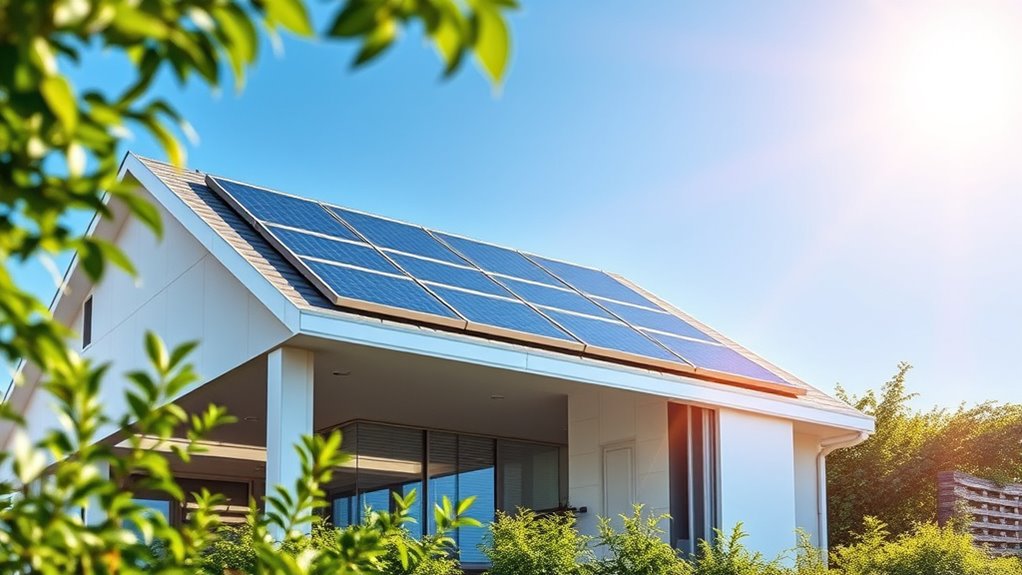
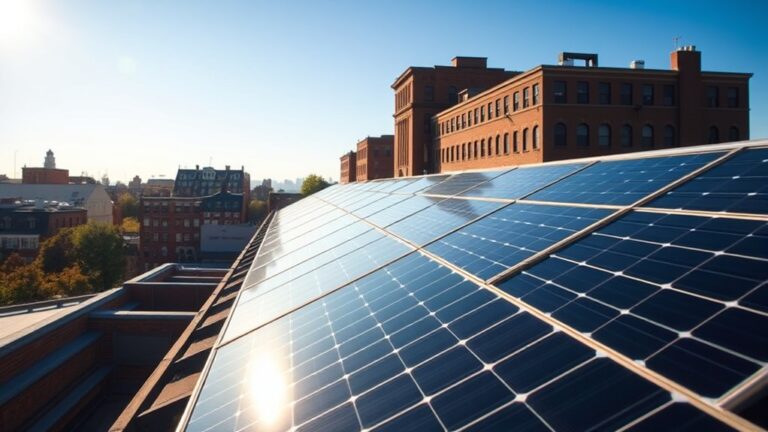
Wondering how active solar energy can power your home? You can use solar collectors to capture sunlight, converting it into heat for your living space. These collectors circulate a fluid through panels to absorb solar heat, which then warms your home’s water or air via a heat exchanger.
For electricity, photovoltaic (PV) panels convert sunlight directly into power you can use daily. By installing PV panels on your roof or property, you generate electricity, reducing reliance on the grid.
Combining these systems allows you to heat your home and produce electricity efficiently. You’ll need pumps, controllers, and storage tanks to manage energy flow effectively. With these components working together, you’ll harness active solar energy to meet your heating and electrical needs year-round.
Benefits of Active Solar Energy Compared to Passive Systems
Active solar energy systems give you greater control over capturing and using the sun’s power compared to passive systems. You can actively convert sunlight into electricity or heat using equipment like solar panels and pumps. This allows you to optimize energy output regardless of weather or time.
This flexibility makes active systems more efficient and reliable for your energy needs. It’s like having a smart setup that works harder to save you energy and money.
| Benefit | Why It Matters |
|---|---|
| Enhanced Efficiency | Actively captures and converts energy |
| Flexibility | Works anytime, not just when sunny |
| Energy Storage | Stores surplus energy for later use |
| Scalability | Easily expand system size |
| Automation | Operates with minimal manual input |
With active solar, you get consistent energy savings and greater independence from the grid. It’s a practical choice if you want to take charge of your energy future.
Common Challenges and How to Maintain Active Solar Energy Systems
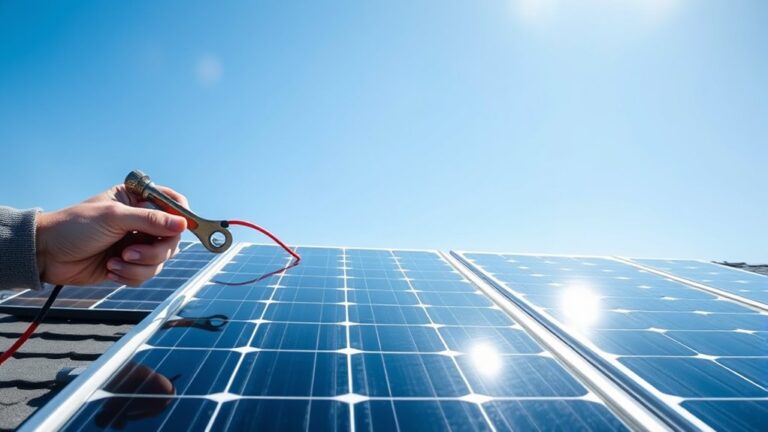
Although solar energy systems offer many benefits, you’ll face some common challenges that require regular attention to keep them running smoothly. Dust, dirt, and debris can accumulate on solar panels, reducing efficiency. You’ll want to clean panels regularly, especially in dusty or rainy areas.
Mechanical parts like pumps and fans may wear out or malfunction, so inspect them periodically and replace worn components promptly. Monitoring your system’s performance helps you spot issues early—consider using monitoring software to track energy output.
Additionally, freezing temperatures can damage pipes, so winterizing your system is vital if you live in cold climates. By staying proactive with maintenance, you’ll guarantee your active solar energy system operates efficiently and lasts longer, maximizing your investment and energy savings.
How to Choose the Right Active Solar Energy System for Your Home
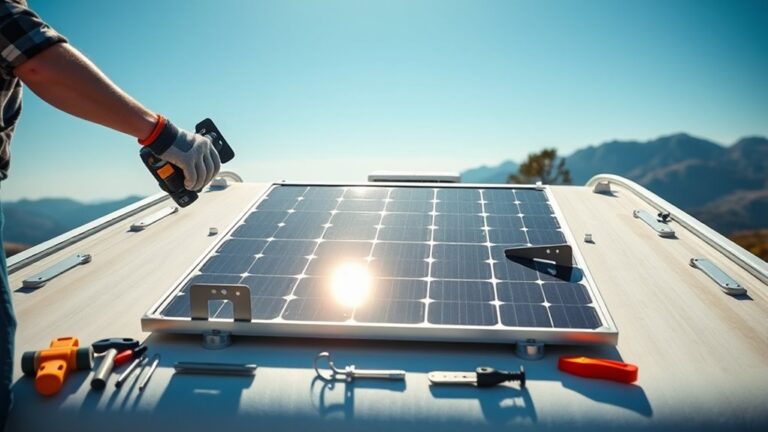
When selecting the right solar energy system for your home, you need to take into account factors like your energy needs, budget, and local climate. Start by evaluating how much hot water or heating you require daily.
Next, consider your budget and explore systems that fit within it while offering good efficiency. Also, factor in your local climate—some systems perform better in colder or cloudier areas.
Finally, check the system’s compatibility with your home setup.
| Factor | What to Consider |
|---|---|
| Energy Needs | Hot water, heating capacity |
| Budget | Installation, maintenance costs |
| Climate | Sunlight availability, temperature |
| Home Setup | Space, plumbing, electrical compatibility |
Frequently Asked Questions
How Does Active Solar Energy Impact Local Wildlife?
You’ll find active solar energy can disrupt local wildlife by altering habitats and causing heat islands.
You should plan installations carefully to minimize shading, noise, and chemical use.
Doing this helps protect animals and maintain ecosystem balance.
Are There Government Incentives for Installing Active Solar Systems?
Yes, you can often get government incentives for installing active solar systems. Many states and federal programs offer tax credits, rebates, or grants to help reduce your upfront costs and encourage renewable energy use.
It’s definitely worth checking out what’s available in your area. These incentives can make a big difference in making solar more affordable and accessible.
Can Active Solar Energy Be Integrated With Smart Home Technology?
You can’t put the cart before the horse, but you can definitely integrate active solar energy with smart home tech. It lets you optimize energy use, monitor performance remotely, and enhance efficiency seamlessly in your home.
Plus, smart home systems make it super easy to track how much energy you’re generating and using. So, you get real-time info and can adjust settings to save even more. It’s all about making your home smarter and greener without any hassle.
What Is the Typical Lifespan of Active Solar Panels?
You can expect active solar panels to last about 25 to 30 years. With proper maintenance, they often perform efficiently beyond that.
How Does Weather Variability Affect Active Solar Energy Efficiency?
You’ll notice weather variability impacts your active solar energy efficiency because cloudy or rainy days reduce sunlight, lowering output.
Cold, sunny days can boost performance, but overall, consistent sunlight helps your system work best. It’s really about having steady conditions to keep things running smoothly.
Conclusion
Now that you know how active solar energy works and its benefits, you’re ready to harness the sun’s power for your home. Remember, “a stitch in time saves nine”—regular maintenance keeps your system efficient and lasting.
By choosing the right setup, you can enjoy reliable heating and electricity while reducing your carbon footprint. It’s a smart way to save money and help the environment at the same time.
Embrace active solar energy, and watch your home become a bright example of sustainable living. With the right solar panels and equipment, your house can generate clean, renewable energy every day.
Using active solar energy not only lowers your utility bills but also supports a greener future. So, why wait? Start making your home more energy-efficient with active solar energy today. It’s easier than you think to make a positive impact!

One Comment