5 Key Ways You Save Much With Solar Panels
You save a lot with solar panels by cutting your electric bills since you generate your own power and use it during peak sunlight. This means you rely less on the grid and keep more money in your pocket.
Plus, solar energy is clean and renewable, so it’s good for the planet too.
You can tap federal tax credits, state rebates, and net metering to make installation affordable. These financial incentives help lower upfront costs and speed up your return on investment.
Solar panels also boost your home’s value and sell faster. Buyers love energy-efficient homes because they offer long-term savings and lower utility costs.
Plus, with low maintenance needs and protection from rising energy prices, you gain stability and long-term savings. Keep exploring to uncover more benefits and practical tips.
Key Takeaways
- Lower your monthly electricity bills by generating your own power. This means you rely less on the grid and save more each month.
- Take advantage of federal tax credits, state rebates, and net metering. These incentives help cut down both your upfront and ongoing costs.
- Boost your home’s value and make it more attractive to buyers by installing solar panels. The long-term energy savings are a big plus.
- Enjoy low maintenance with solar panels and benefit from long warranties. This keeps repair expenses to a minimum.
- Shield yourself from rising energy prices by using stable, self-generated electricity. Plus, you might earn credits for any excess energy you produce.
How Solar Panels Slash Your Monthly Electricity Bills
When you install solar panels, you immediately cut down your monthly electricity bills by generating your own power. Instead of relying solely on the grid, you produce clean energy right at home, reducing the amount of electricity you need to buy.
During sunny days, your panels can cover most or all of your energy usage, especially if you adjust your habits to use appliances when the sun is strongest. This means lower demand charges and fewer peak-time costs.
Over time, as energy prices rise, your savings grow because your solar power offsets those increases. You’ll notice your utility bills shrink consistently, giving you predictable, reduced expenses.
Plus, some systems even allow you to store excess energy, further cutting your reliance on the grid. It’s a smart way to save money and use cleaner energy every day.
How Financial Incentives Make Solar Panels Affordable
Lower electricity bills are just one part of how solar panels save you money. Financial incentives make installing solar panels even more affordable by cutting your upfront costs.
You can take advantage of federal tax credits, which often cover a significant percentage of your system’s price. Plus, many states and local governments offer additional rebates and incentives, reducing what you pay out of pocket.
Some utility companies provide net metering programs that credit you for excess electricity your panels generate. These savings add up quickly, making solar panels a smart investment.
How Solar Panels Boost Your Home’s Market Value
Since buyers are increasingly looking for energy-efficient homes, installing solar panels can considerably raise your property’s market value. When you add solar panels, you’re not just cutting energy costs—you’re making your home more attractive to potential buyers.
Studies have shown homes with solar systems sell faster and at higher prices compared to similar homes without them. Buyers appreciate the long-term savings on electricity bills and the reduced environmental impact.
Plus, solar panels signal that your home is modern and well-maintained, which boosts its appeal. By investing in solar, you’re enhancing your home’s marketability and potentially recouping a significant portion of your installation costs when you sell.
This makes solar panels a smart financial move beyond just energy savings. It’s a win-win for both your wallet and the planet!
Why Solar Panel Maintenance Costs Stay Low
Although solar panels require occasional upkeep, their maintenance costs remain surprisingly low compared to other home systems. You don’t have to worry about frequent repairs because solar panels have no moving parts, which means less wear and tear.
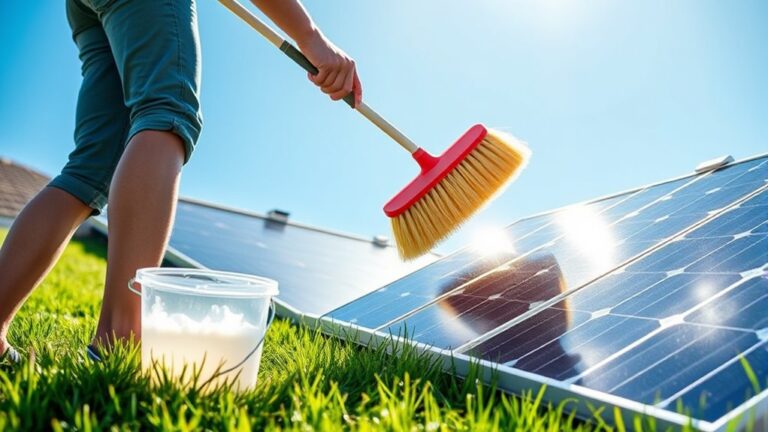
A simple annual inspection and cleaning usually keep them running efficiently. Dirt, dust, or debris can slightly reduce performance, but cleaning your panels a couple of times a year is quick and inexpensive.
You can even do it yourself with a hose and soft brush. Plus, most solar panel manufacturers offer long warranties, covering repairs or replacements if needed.
This reliability means you avoid unexpected expenses, helping you save money in the long run while enjoying clean, renewable energy at a low upkeep cost.
How Solar Panels Protect You From Rising Energy Prices
When energy prices rise, solar panels shield you by generating your own electricity, reducing your reliance on costly utility power. This means you won’t be as affected by fluctuating rates or sudden hikes.
Instead of watching your bills climb, you’ll enjoy more predictable energy costs. Over time, this stability helps you budget better and avoid unpleasant surprises.
Plus, if your system produces more energy than you use, you can sell it back to the grid, offsetting costs further. By investing in solar panels, you lock in lower energy expenses and gain independence from volatile markets.
This protection not only saves you money but also offers peace of mind amid unpredictable energy price changes.
Frequently Asked Questions
How Long Does It Take to Install Solar Panels?
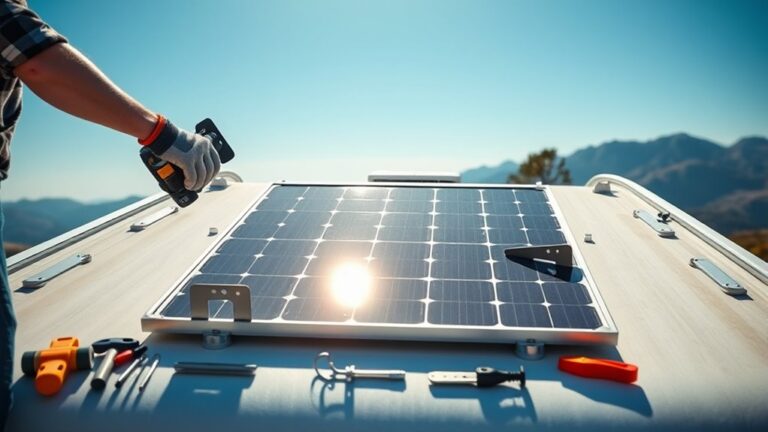
It usually takes you one to three days to install solar panels, depending on your roof’s size and complexity. Your installer will handle the work quickly, so you can start saving energy almost immediately.
Pretty cool, right? Getting your solar setup done fast means you’ll be enjoying those energy savings in no time!
Do Solar Panels Work During Power Outages?
About 42% of Americans experience power outages yearly.
Solar panels typically don’t work during outages unless you have a battery backup system. So, you’ll need that to keep your power running when the grid goes down.
What Is the Typical Lifespan of Solar Panels?
You can expect solar panels to last about 25 to 30 years. They gradually lose efficiency but still produce energy.
With proper maintenance, you’ll get reliable power for decades. That makes your investment worthwhile.
Can Solar Panels Be Installed on Any Roof Type?
You can install solar panels on most roof types, from asphalt shingles to metal. Like a tailor fitting a suit, installers customize mounting to your roof’s shape, ensuring a secure, efficient setup no matter your home’s style.
No matter what kind of roof you have, there’s usually a way to make solar panels work for you. It’s all about adapting the installation to fit perfectly. So, don’t worry if your roof looks a bit different — solar can probably still be a great option!
How Do Weather Conditions Affect Solar Panel Efficiency?
Weather affects your solar panel efficiency because cloudy or rainy days reduce sunlight, lowering energy output.
Extreme heat can also decrease performance, while cool, sunny conditions help your panels work at their best. So, it’s really about finding that sweet spot in the weather for maximum efficiency.
Conclusion
By choosing solar panels, you’re planting a money-saving tree that keeps growing. They slice your electricity bills and release financial incentives. Plus, they boost your home’s value—like sunshine turning into gold.
With low maintenance and protection against rising energy costs, your investment shines bright year after year. So, don’t just watch the energy market rise and fall.
Harness the sun’s power and let your savings soar like a kite on a windy day. Solar panels are a smart way to cut costs, increase your property’s worth, and secure long-term financial benefits. Start saving with solar today and watch those energy bills shrink while your home’s value climbs.