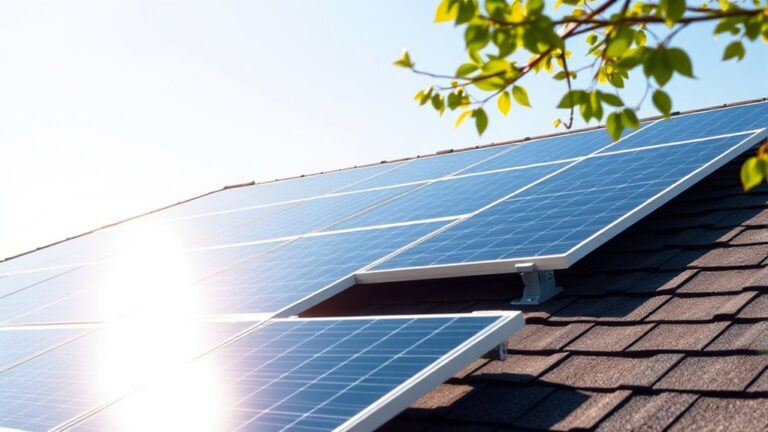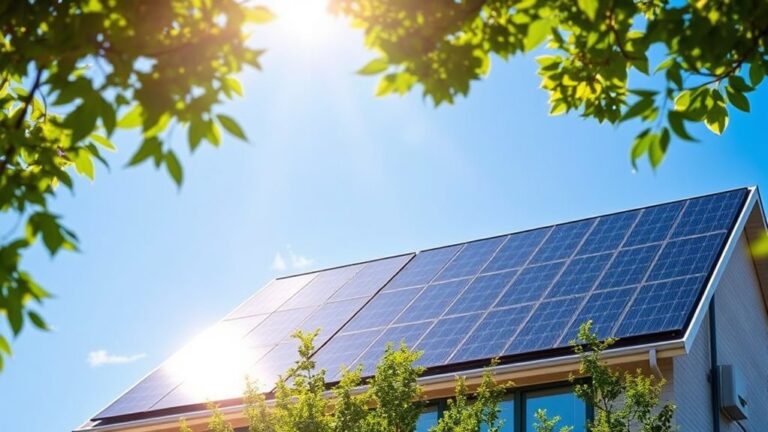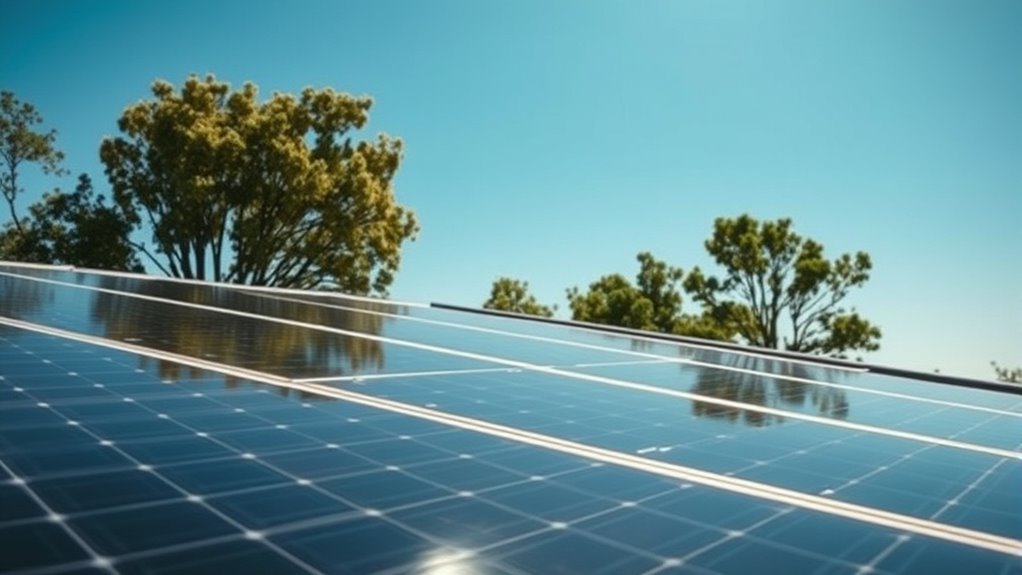
What Noise Do Solar Panels Make?
You won’t hear any noise from the solar panels themselves, but the supporting equipment might make faint sounds. Expect gentle humming or buzzing from the inverter and soft whirring if cooling fans are running.
Sometimes, clicking noises happen as panels expand and contract with temperature changes. These sounds are usually very quiet and blend into background noise, so they rarely disrupt daily life.
If you want to understand when noise signals a problem and how to keep it low, keep exploring more details. It’s helpful to know what normal sounds to expect from solar panels and their equipment so you can spot anything unusual early on.
Key Takeaways
- Solar panels themselves don’t make any noise. Any sounds you might hear come from the equipment that supports them, like inverters and cooling systems.
- Inverters usually give off a faint humming or buzzing sound. It’s pretty quiet, around 30-40 dB if you’re standing close to the device.
- Cooling fans or pumps can make a low-level whirring noise. They do this to keep the equipment from overheating.
- Sometimes, you might hear mechanical noises too. This can be clicking sounds from the panels expanding or motor noises from tracking systems.
- Usually, these noises are subtle and blend into the background. But if you hear something unusual and persistent, it might be a sign that maintenance is needed.
Do Solar Panels Make Noise?
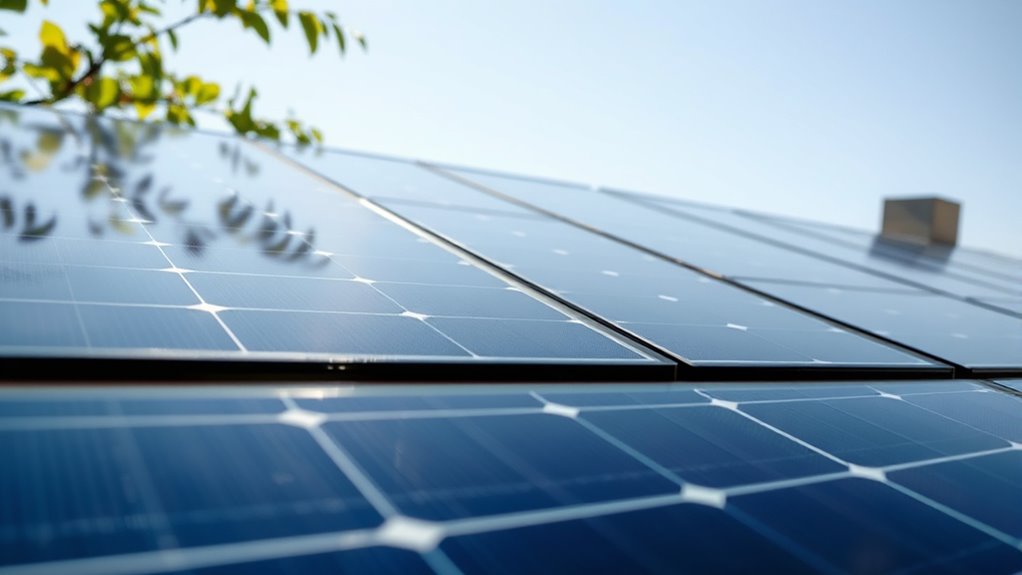
Although solar panels themselves don’t produce noise, you might hear sounds from the equipment that supports them, like inverters or fans. When sunlight hits the panels, they convert it into electricity silently.
However, the inverter, which changes that electricity from DC to AC for your home, can emit a faint humming or buzzing sound. Also, some systems include cooling fans to prevent overheating, and those fans create a low-level noise as they run.
If you’re standing near the equipment, you might notice these sounds. But from a distance, they’re usually barely perceptible. Understanding that the panels are silent while the supporting gear might make noise helps you know what to expect when installing a solar system at your home.
How Loud Is Solar Panel Noise in Real Life?
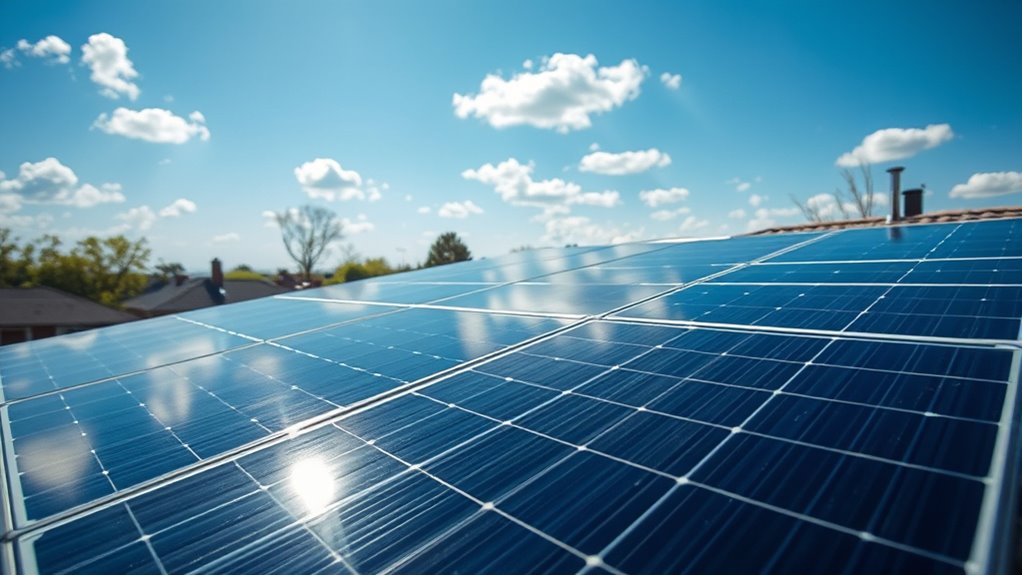
You might be wondering just how noticeable the humming or buzzing from your solar panel system’s inverter or fans will be in everyday life. Generally, these sounds are very subtle and often blend into the background noise of your environment.
You’re unlikely to be disturbed unless you’re very close to the inverter or in a very quiet setting.
| Location | Noise Level (dB) | Description |
|---|---|---|
| Near inverter | 30-40 dB | Comparable to a quiet room |
| Home interior | <30 dB | Almost inaudible |
| Outdoor yard | <25 dB | Drowned out by ambient sounds |
In most cases, solar panel noise is minimal and won’t interfere with your daily life. So, no need to worry about your panels adding any annoying background noise.
Types of Noise Solar Panels and Systems Produce
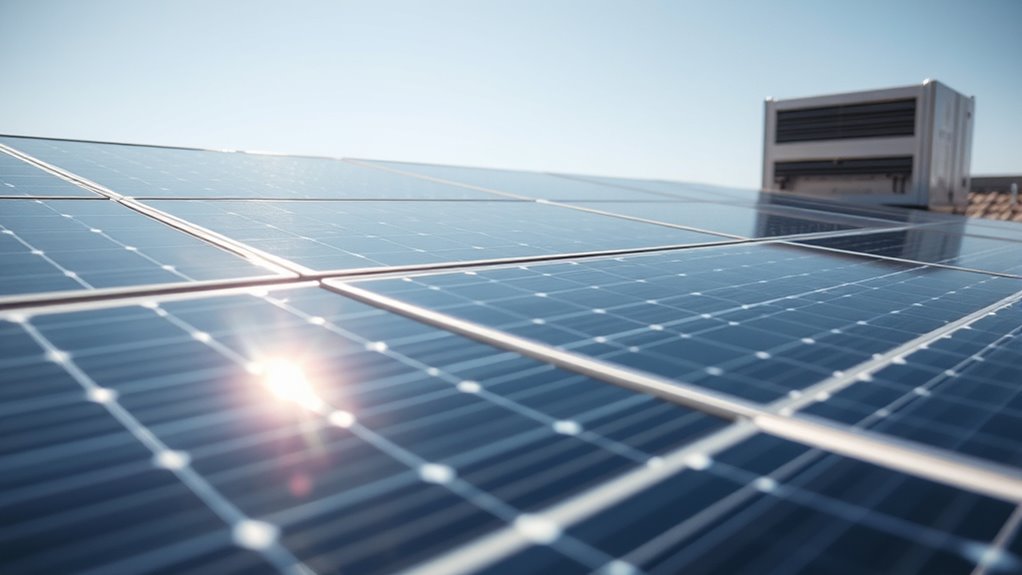
You might not notice much noise directly from the solar panels themselves, but the system does produce some sounds.
The inverter, which converts sunlight into usable electricity, often hums or buzzes during operation.
Let’s explore these typical noises and what causes them.
Panel Operational Sounds
When solar panels operate, they can produce a few subtle sounds that might catch your attention. You might hear a faint humming or buzzing caused by electrical currents flowing through the panels’ wiring. This noise is usually very soft and only noticeable in quiet environments.
Also, slight clicking noises can occur as the panels expand and contract with temperature changes throughout the day. If your system includes tracking panels that move to follow the sun, you may also hear gentle mechanical sounds from the motors adjusting their position.
These operational sounds are normal and generally not loud enough to disturb you. Understanding these noises helps you know when your panels are working properly and when something might require maintenance.
Inverter and Equipment Noise
Beyond the subtle sounds from the panels themselves, the inverter and other system equipment can generate noticeable noises. The inverter converts the DC electricity from your panels into usable AC power, and during this process, it often produces a low humming or buzzing sound.
This is usually constant but quiet enough to blend into background noise. Additionally, some inverters have cooling fans that kick in when temperatures rise, adding a gentle whir or fan noise.
Other components like transformers and junction boxes might emit occasional clicks or faint buzzing, especially during power fluctuations. While these sounds are generally minimal, placing your inverter in a well-ventilated area away from living spaces can help reduce any disturbance you might experience.
What Parts of Solar Panels Make Noise?
You might notice some noise coming from your solar panel system, mainly from the inverter and its cooling components. The inverter converts sunlight into usable electricity, often producing a humming sound.
Also, cooling fans or vents can create some background noise. They work to keep the system running efficiently, so a little buzz is normal.
Inverter Sound Emissions
Although solar panels themselves operate silently, the inverter—a key part that turns the sun’s energy into usable electricity—can make noticeable sounds. You might hear a low humming or buzzing noise, especially when the inverter is working hard during peak sunlight hours.
This sound comes from electrical parts inside the inverter, like transformers and capacitors. They vibrate slightly as they handle the power conversion.
Here’s a quick look at typical inverter sound sources:
| Component | Sound Type | Description |
|---|---|---|
| Transformer | Humming | Continuous low-frequency sound |
| Capacitors | Buzzing | Intermittent higher-pitched buzz |
| Cooling Fans | Whirring | Present only in some models |
| Circuit Boards | Clicking | Occasional operational clicks |
Knowing about these noises can help you understand what to expect from your solar panel system. It’s all part of how the inverter does its job!
Cooling System Noise
When your solar panel system runs hot, cooling components kick in to prevent damage, and these parts can produce noise. You’ll mainly hear fans or pumps working to lower temperatures, especially in systems with active cooling.
These fans spin quietly but can become noticeable if they run continuously on hot days. Some solar setups use liquid cooling, where pumps circulate coolant through pipes; the gentle hum or faint whirring from these pumps is usually subtle but present.
You might also catch the sound of air moving through vents or heat exchangers. Overall, cooling system noise is minimal compared to other household appliances, but if you’re sensitive to sound, it’s worth considering when installing your solar setup.
Proper maintenance keeps noise levels low and guarantees efficient cooling. So, keeping an eye on your system now and then really helps keep things running smoothly and quietly.
When Is Solar Panel Noise Something to Worry About?
If solar panel noise starts disrupting your peace or seems unusually loud, it’s time to pay attention. Normal sounds like gentle humming or occasional clicks are usually harmless.
But persistent buzzing, grinding, or rattling might signal a problem. These noises could indicate loose components, damaged inverters, or faulty wiring. Ignoring them can lead to more serious issues or reduced efficiency.
Also, if you notice noise changes after installation or maintenance, don’t dismiss them. Regularly check your panels and inverter for visible damage or wear.
If you’re unsure, contact a professional to inspect your system. Addressing unusual noise early helps safeguard your investment and ensures your solar panels keep working quietly and effectively.
How to Reduce Solar Panel Noise
Because solar panel noise can disrupt your comfort, you’ll want to take steps to minimize it. Start by ensuring your inverter is installed on a sturdy, vibration-absorbing surface to reduce buzzing sounds.
You can also use soundproofing materials around the inverter enclosure to block noise. Regular maintenance helps, too—tighten loose panels and clean debris that might cause rattling.
If your system uses fans, consider upgrading to quieter models or adding noise dampeners. Position your solar panels away from living spaces when possible to reduce noise impact.
Finally, consult with your installer about low-noise equipment options before installation. Taking these actions will help you enjoy solar energy without the distraction of unwanted noise.
Frequently Asked Questions
Do Solar Panels Affect Nearby Wildlife With Their Noise?
You won’t find solar panels disturbing nearby wildlife with noise since they produce almost none. The quiet operation guarantees animals stay undisturbed.
It lets nature continue peacefully around your solar setup without any noise-related impact. So, you can enjoy clean energy without worrying about bothering the local wildlife.
Can Solar Panel Noise Interfere With Home Audio Systems?
No, solar panel noise won’t interfere with your home audio systems since they produce minimal sound, mostly from inverters humming quietly.
You won’t notice any impact on your music or movie experience at all. It’s really that subtle.
Are Noise Levels Different Between Solar Panel Brands?
Yes, noise levels can vary between solar panel brands due to differences in inverter technology and cooling systems.
You’ll want to compare specs and reviews to find quieter options that won’t bother your home environment.
It’s a good idea to check out what other users say about the noise before making a decision. That way, you can pick a brand that suits your peace and quiet.
Do Solar Panels Make Noise During Installation?
Installing solar panels is like a brief thunderstorm—you’ll hear some hammering and drilling, but it’s short-lived. You won’t be overwhelmed; just a few noisy bursts before your home embraces quiet, clean energy.
It’s not constant noise, more like quick bursts here and there. Once the installation wraps up, things get pretty peaceful around your place.
How Does Weather Impact Solar Panel Noise Output?
You’ll notice that wind can cause a faint rustling or humming from solar panels, while rain might create a gentle tapping sound.
Extreme weather rarely increases noise, but it can affect panel performance and durability over time. So, while the sounds might be subtle, the weather’s impact goes beyond just noise.
Conclusion
Solar panels are mostly silent workers, humming softly like a gentle breeze rather than a roaring engine. You’ll rarely notice their subtle sounds unless something’s off.
If you do detect noise, it’s usually from inverters or loose parts, not the panels themselves. You can easily reduce any disturbance with simple maintenance.
So, let your solar system quietly power your home, like a calm river flowing steadily without a ripple of noise. With solar panels making almost no noise, you get clean, silent energy that won’t disrupt your daily life. Embracing solar means enjoying efficient power without the unwanted background noise, keeping your space peaceful and eco-friendly.