Do Solar Pool Heaters Work: A Guide to Effective Heating
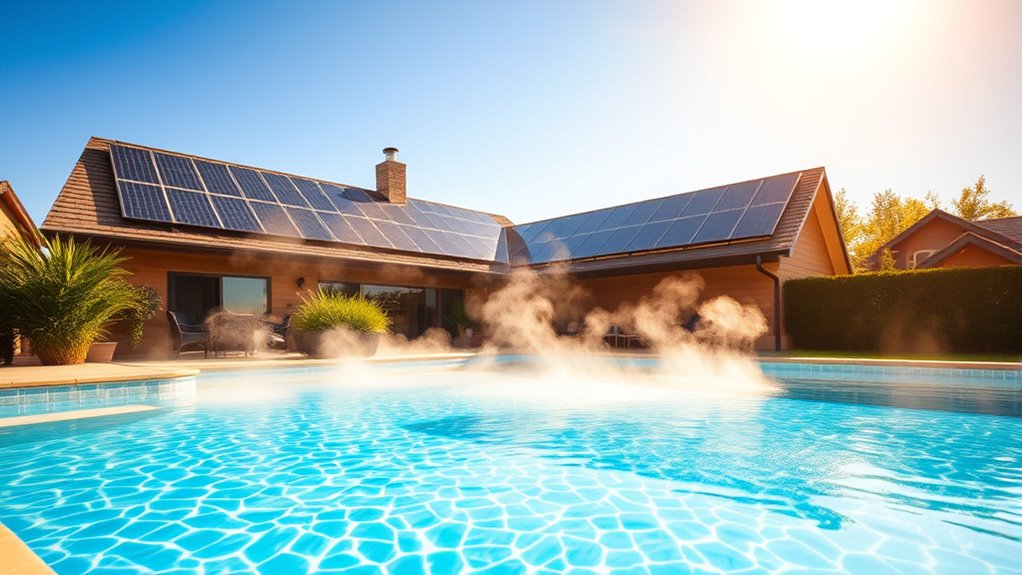
You can effectively warm your pool with solar pool heaters by circulating water through roof-mounted collectors that soak up sunlight. These collectors gently increase the water temperature using free, renewable energy.
Typically, solar pool heaters raise the water temperature by 6 to 10°F. This helps you extend your swim season quietly and cheaply without relying on electricity or gas.
To get the best results, make sure the solar panels get plenty of direct sun. Also, maintain good water flow through the system and use a pool cover to keep the heat from escaping.
Keep reading to explore key factors, handy tips, and troubleshooting advice that will help you get the most out of your solar pool heater. It’s a smart, eco-friendly way to enjoy warmer pool water!
Key Takeaways
- Solar pool heaters use sunlight to warm water by circulating it through collectors, providing free, renewable energy for gentle pool heating.
- They typically raise pool temperatures by 6 to 10°F, extending the swimming season and enhancing comfort efficiently.
- Optimal performance depends on factors like sunlight exposure, correct panel angle, pool size, and proper system installation.
- Using a pool cover, positioning panels in full sun, and running pumps during peak sunlight maximize heating efficiency.
- Regular maintenance, including cleaning panels and checking for leaks or flow issues, ensures consistent and effective heating.
How Solar Pool Heaters Warm Your Pool Water
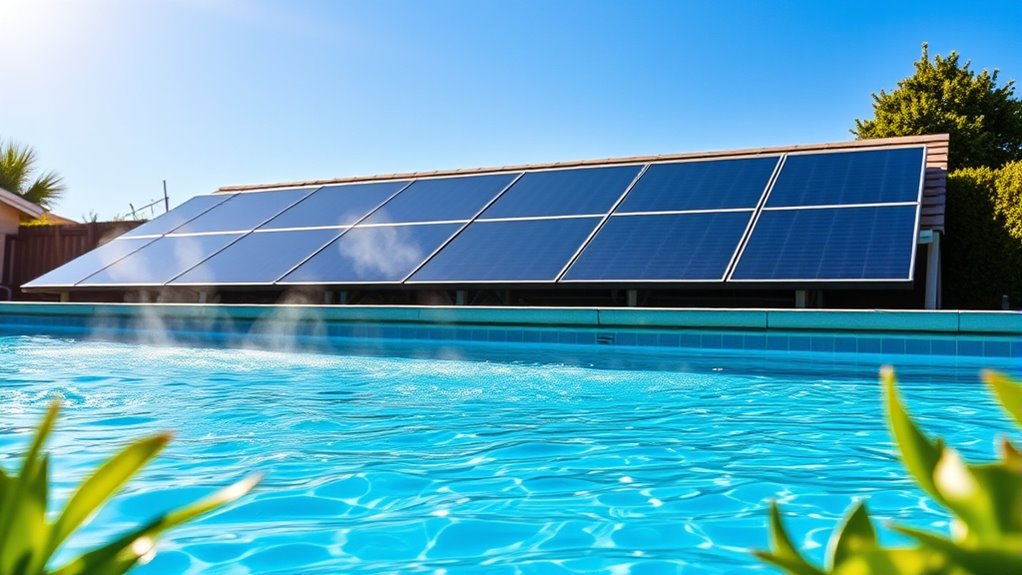
How exactly do solar pool heaters warm your pool water? You’ll start by pumping your pool water through solar collectors, usually placed on your roof or another sunny spot. These collectors absorb the sun’s heat and transfer it directly to the water passing through them.
As the water circulates, it gradually warms up before returning to your pool. The system works by harnessing free, renewable energy, so you won’t need extra fuel or electricity to heat your pool.
You can control the flow so the water spends enough time in the collectors to reach a comfortable temperature. This simple, eco-friendly process helps you enjoy warmer water without increasing your energy bills or carbon footprint.
How Effective Are Solar Pool Heaters at Heating Pools?
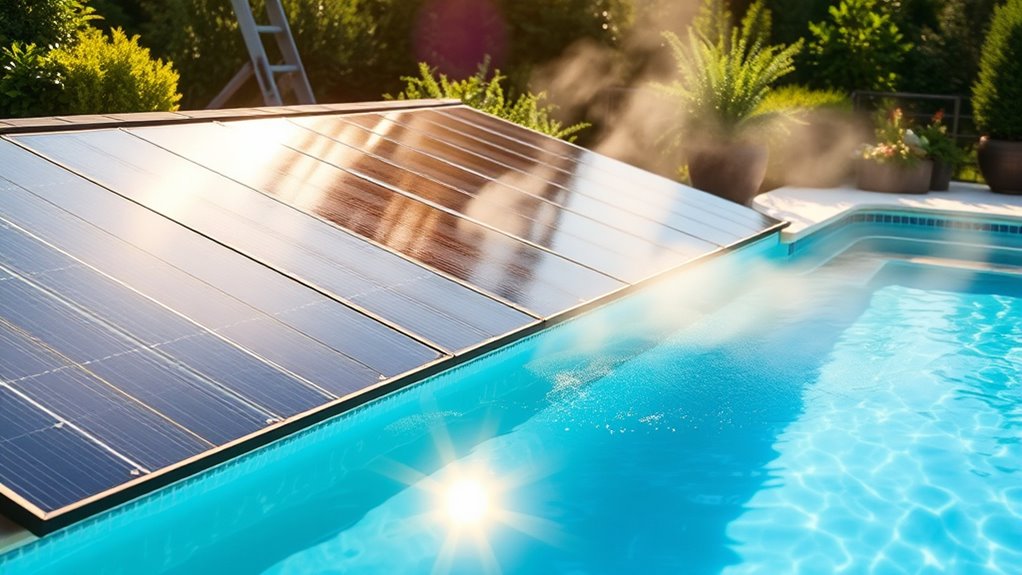
Although solar pool heaters rely on the sun’s energy, they can effectively raise your pool’s temperature by 6 to 10 degrees Fahrenheit on average. This increase is usually enough to extend your swimming season and make your pool more comfortable without the high costs of conventional heating systems.
You’ll find that solar heaters work quietly and sustainably, using renewable energy to warm your water. While they won’t turn a cold pool into a hot tub, they provide consistent, gentle heating that’s perfect for most pools.
You’ll also appreciate the low operating costs since sunlight is free. Overall, solar pool heaters offer a reliable, eco-friendly way to boost your pool temperature, making your swimming experience more enjoyable without driving up your energy bills.
Key Factors That Affect Solar Pool Heater Performance
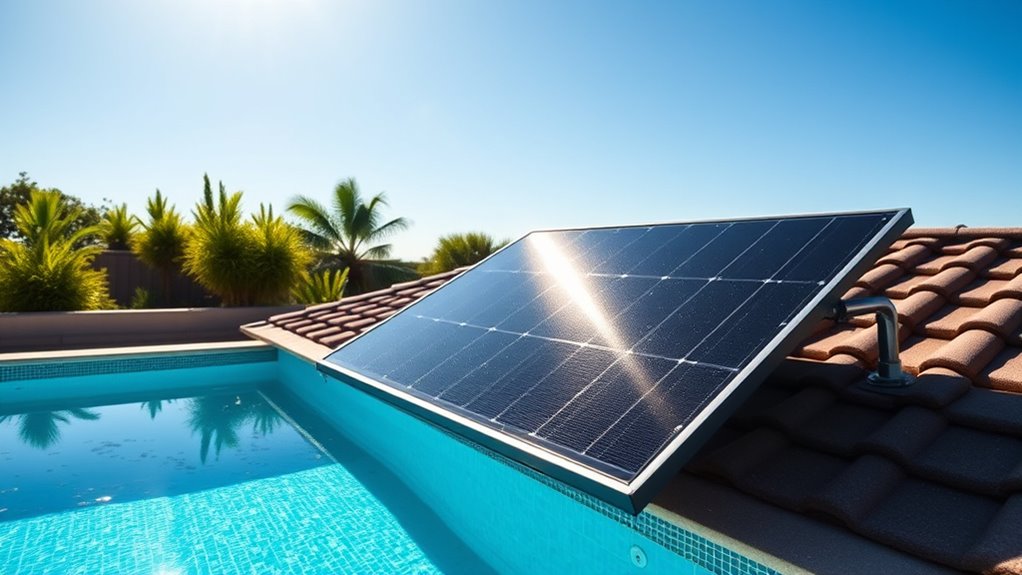
Solar pool heaters can raise your pool’s temperature, but their effectiveness depends on several factors you should consider. Location, sunlight availability, and pool size all play vital roles in how well your system performs.
Also, the design and installation quality greatly influence heating efficiency. Getting those right can make a big difference in how quickly your pool warms up.
| Factor | Impact on Performance |
|---|---|
| Sunlight Exposure | More sun means faster heating |
| Pool Size | Larger pools require more energy |
| Installation Angle | Proper tilt maximizes sun capture |
Tips to Maximize Efficiency and Retain Heat
To get the most from your pool heater, you’ll want to focus on both maximizing efficiency and retaining heat effectively. Start by using a pool cover whenever your pool isn’t in use; it greatly reduces heat loss and evaporation.
Position your solar panels in a sunny spot with minimal shading to capture maximum sunlight. Regularly clean the panels to keep them free from debris and dirt, ensuring ideal heat absorption.
Adjust your pool pump settings to run during peak sunlight hours, which improves circulation and heat transfer. Finally, consider insulating pipes to prevent heat loss as water travels between your pool and solar heater.
Troubleshooting Common Solar Pool Heater Problems
If your solar pool heater isn’t working right, start by checking for low water flow. Make sure it’s getting enough sunlight too.
You’ll also want to inspect the system carefully to spot any leaks. Catching these common issues early can really make a difference.
Low Water Flow
When your pool heater isn’t warming the water properly, low water flow is often the culprit. If the water moves too slowly through the solar collectors, it won’t absorb enough heat.
First, check for clogged filters or debris blocking your pump and pipes. Clean or replace filters as needed to restore proper circulation.
Also, inspect your pump to ensure it’s running efficiently; a faulty or undersized pump can reduce flow rates. Sometimes air trapped in the system causes flow issues, so bleed any air from the lines.
Finally, verify all valves are open and functioning correctly. By maintaining good water flow, you help your solar heater work at its best, maximizing heat transfer and keeping your pool comfortably warm.
Insufficient Sunlight Exposure
Ensuring proper water flow is just one part of keeping your solar pool heater effective; sunlight exposure plays a big role too. If your heater isn’t warming the pool as expected, check if the solar collectors receive enough direct sunlight throughout the day.
Shadows from trees, buildings, or other obstructions reduce the system’s efficiency markedly. Position your panels where they get at least 6 to 8 hours of sunlight daily, ideally facing south in the northern hemisphere.
Cloudy weather and seasonal changes also impact performance, but consistent shading is the bigger issue you can control. Adjusting the placement or trimming nearby foliage can boost sunlight exposure, helping your heater work at its best.
System Leaks Detection
Although solar pool heaters are designed for durability, leaks can still develop over time and reduce system efficiency. You should regularly inspect your system to catch leaks early and avoid costly repairs.
Start by checking connections, joints, and the collector panels for visible signs of water or dampness. Look for pools of water beneath the system or unexplained drops in water pressure.
Also, keep an eye out for wet spots on pipes or fittings, rust or corrosion around metal parts, and algae growth near suspected leak areas.
If you spot any of these signs, shut off the system and address the leak promptly. Using soapy water on joints can help reveal small leaks by forming bubbles.
Regular maintenance guarantees your solar pool heater runs efficiently and lasts longer. So, don’t skip those checks!
Is Solar Pool Heating a Good Investment for Your Pool?
Wondering if solar pool heating is worth the cost? It often is, especially if you want to extend your swimming season without skyrocketing energy bills. Solar pool heaters use the sun’s free energy, so after the initial installation, your ongoing costs are minimal.
Solar pool heating cuts energy bills by using the sun’s free power, with minimal ongoing costs after installation.
You’ll save money compared to electric or gas heaters, and you reduce your carbon footprint. However, the upfront investment depends on your pool size, location, and system type.
If you live in a sunny area and use your pool frequently, solar heating provides excellent value. It also adds to your property’s appeal.
Just remember, it’s not a quick fix; the system takes time to pay off but delivers long-term savings and sustainable warmth.
Frequently Asked Questions
How Long Does Installation of a Solar Pool Heater Take?
Installing a solar pool heater usually takes one to two days. You’ll need time for mounting panels, connecting plumbing, and testing the system.
Sometimes, if the setup is more complex, it might take longer. But most installations wrap up quickly and smoothly.
Can Solar Pool Heaters Be Used in Indoor Pools?
You can’t effectively use solar pool heaters for indoor pools since they rely on sunlight. Without direct sun exposure, they won’t heat the water efficiently.
What Maintenance Is Required for Solar Pool Heaters?
You don’t need to become a solar scientist—just clean panels regularly, check for leaks, and clear debris.
If you enjoy chasing squirrels on your roof, you’ll find this maintenance delightfully minimal and surprisingly rewarding!
Are There Any Environmental Benefits to Solar Pool Heating?
Yes, you’ll reduce your carbon footprint by using solar energy instead of fossil fuels. Solar pool heaters cut greenhouse gas emissions and lower energy consumption.
Plus, they help you save money while protecting the environment. It’s a win-win!
Do Solar Pool Heaters Work in Cloudy or Rainy Weather?
Think of solar pool heaters like plants—they still absorb some sunlight on cloudy days. So, yes, they work in cloudy or rainy weather, but your pool won’t heat as quickly or reach as high temperatures as on sunny days.
It’s kind of like when the sun is hiding behind the clouds—there’s still some warmth, just not as much. So, your pool will still get warmer, just at a slower pace.
Conclusion
If you want to enjoy warm pool water without skyrocketing energy bills, solar pool heaters are your best friend. They work by harnessing the sun’s power, turning chilly water into a cozy oasis.
Performance depends on factors like sunlight and system setup. But with a few smart tweaks, you can boost efficiency dramatically.
Investing in solar heating means you’ll be swimming in comfort, feeling like you’ve captured a slice of the sun itself! Solar pool heaters work by using renewable energy, making them an eco-friendly and cost-effective way to keep your pool warm. By optimizing your system and maximizing sunlight exposure, you can enjoy longer swimming seasons without the high costs of traditional heaters. So, if you’re looking for an effective heating solution, solar pool heaters are definitely worth considering.