Day: September 22, 2026

  • How Long Do Solar Lights Take to Charge – Step-by-Step Guide

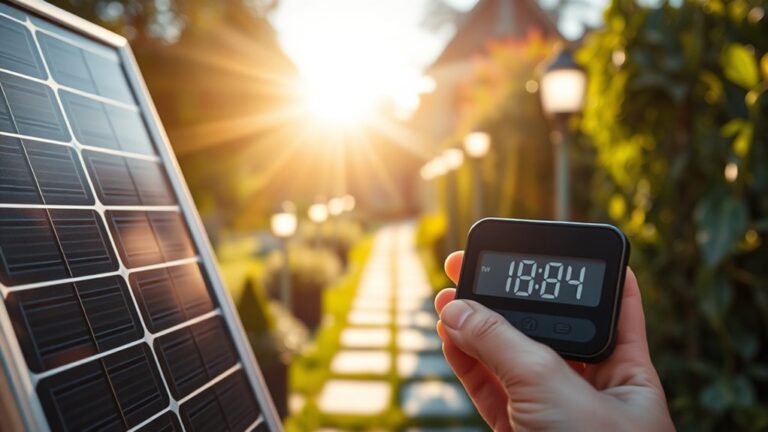
    You’ll need 6 to 8 hours of direct sunlight to fully charge your solar lights, which then provide 8 to 12 hours of nighttime illumination. Charging time depends on your solar panel size, battery capacity, and sunlight intensity.

    Make sure you place your lights in sunny, shadow-free spots and keep panels clean for the best performance. If your lights charge slowly or dim early, there are easy ways to troubleshoot and improve their efficiency you’ll want to explore.
  • Do You Know If Your Solar Panels Are Working?

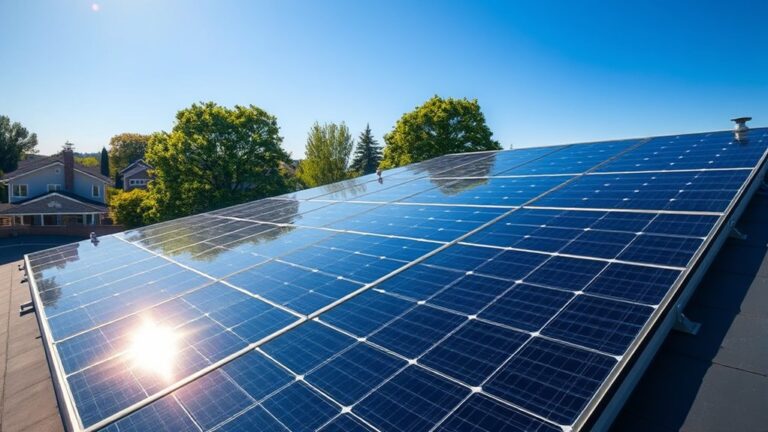
    You can tell if your solar panels are working by checking your inverter’s display or using a monitoring app to see real-time power output. On sunny days, you should notice consistent energy production.

    If output drops unexpectedly, take a look for physical damage, dirt buildup, or loose wiring. These things can affect how well your system performs.

    If your system’s performance seems off, try resetting the inverter first. And if that doesn’t help, don’t hesitate to contact a professional.

    Understanding your tools, the effects of weather, and some basic maintenance tips can really help keep your system running efficiently. It’s all about staying on top of things!

  • 5 Tips to Keep Snow Off Solar Panels

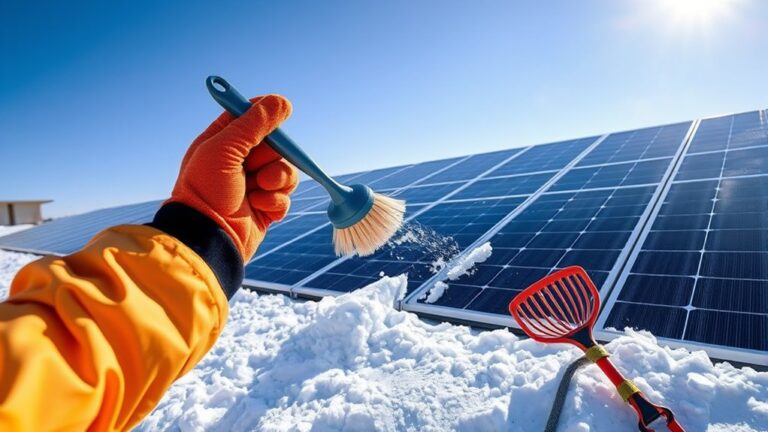
    To keep snow off your solar panels, tilt them between 30 to 45 degrees so snow slides off easily. Use soft tools like roof rakes with foam edges or gentle brushes to clear snow without damage.

    Applying anti-snow coatings can repel buildup, while installing heating elements helps melt snow quickly. Also, plan regular snow removal during heavy winters to maintain efficiency.

    If you want to guarantee your panels stay clear and productive all season, exploring more detailed tips will help. It’s all about staying proactive and keeping things simple!

  • How Do You Connect Solar Panels in 10 Easy Steps

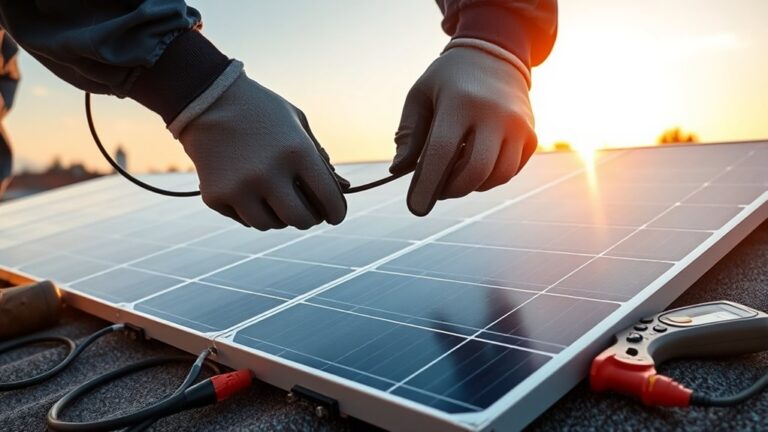
    First, choose solar panels that fit your energy needs and space. Gather tools like a drill, wire cutters, and safety gear.

    Plan your panel layout for maximum sun exposure and mount brackets securely on roof supports. Attach panels using corrosion-resistant bolts.

    Then, wire them in series or parallel to your charge controller. Connect the controller to your battery bank, then link batteries to the inverter.

    Finally, test all connections and monitor system performance to guarantee efficiency. Keep going to uncover detailed tips for each step.

  • Does Solar Panels Emit Radiation: How to Understand

    You don’t need to worry about harmful radiation from solar panels because they don’t emit dangerous types like X-rays or gamma rays. They convert sunlight into electricity using the photovoltaic effect, producing only safe, non-ionizing electromagnetic fields similar to those from household devices.

    Any heat or light they release is harmless. Solar panels are designed with safety standards to minimize exposure, so you can trust their use.

    If you want to understand their radiation impact fully, there’s more to explore.

  • Does Rain Clean Solar Panels and How to Maximize Natural Cleaning

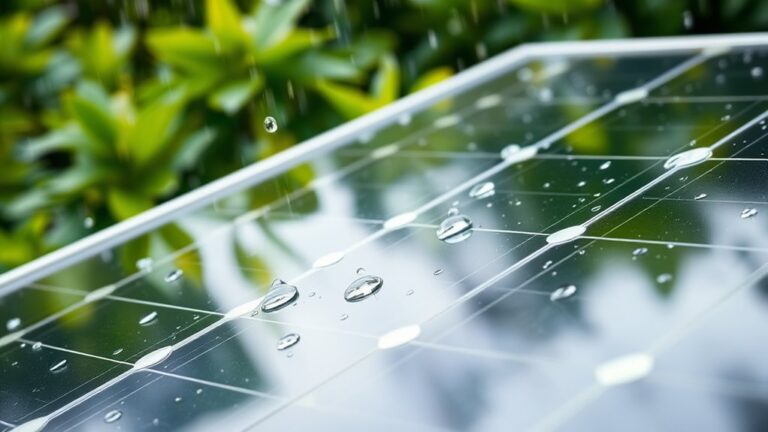
    Rain can help wash away loose dust on your solar panels, but it won’t remove stubborn dirt like bird droppings, pollen, or oily films.

    To maximize natural cleaning, angle your panels steeply for better runoff. Also, trim nearby trees, and consider hydrophobic coatings to help water carry dirt away.

    Regular checks and occasional manual cleaning keep your panels at peak efficiency. Keep exploring to discover simple ways to boost your panels’ natural cleanliness and performance.

  • Do Solar Pool Ionizers Work: A Guide for Pool Owners

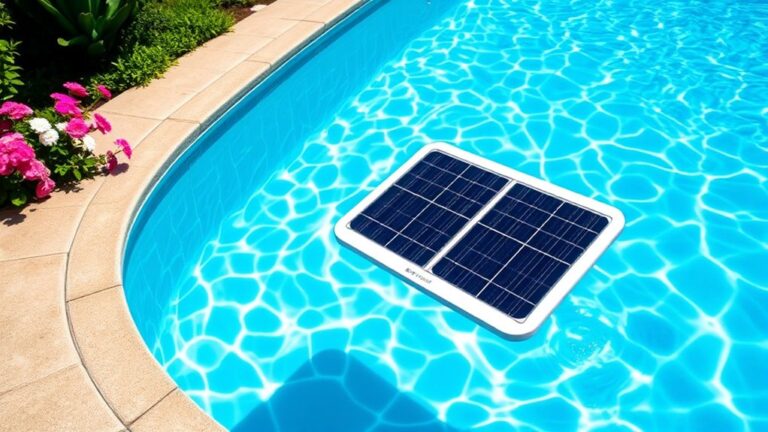
    Solar pool ionizers use sunlight to release copper and silver ions that combat algae and bacteria in your pool. They help reduce chemical use and keep water clearer. But they work best alongside traditional methods like filtration and occasional chemical treatment.

    While they’re eco-friendly and low maintenance, they’re slower and less effective alone, especially in large pools. If you want to understand how to choose, maintain, and get the most from one, you’ll find useful insights ahead.