Do You Know If Your Solar Panels Are Working?
You can tell if your solar panels are working by checking your inverter’s display or using a monitoring app to see real-time power output. These tools make it easy to track how much energy your system is producing throughout the day.
On sunny days, you should notice consistent energy production, which means your panels are doing their job.
If you see a drop in output, don’t panic. First, look for physical damage, dirt buildup, or loose wiring that might be affecting performance. Sometimes, a quick reset of the inverter can solve the issue.
If things still seem off, it’s best to contact a professional. Understanding how your system works, the effects of weather, and basic maintenance tips will help keep your solar panels running efficiently and saving you money.
Key Takeaways
- Check the inverter’s display for real-time energy output and error messages. This helps confirm your solar panels are producing power.
- Use solar monitoring apps to track daily and monthly energy production. They give you consistent insights into how your system is performing.
- Inspect your panels regularly for any physical damage, dirt buildup, or shading. These things can reduce how much power your panels generate.
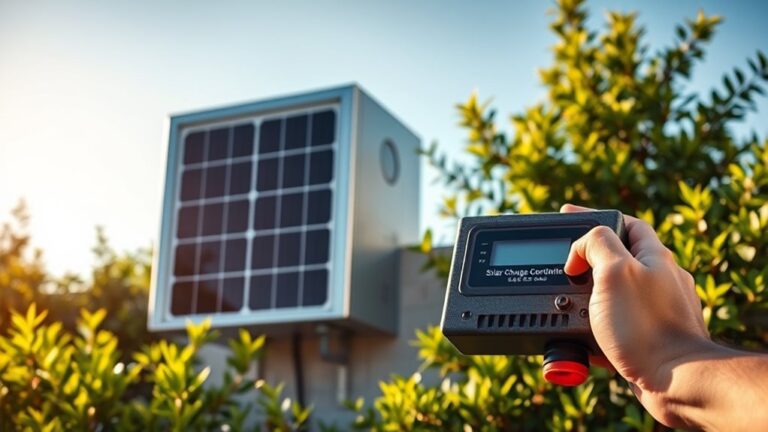
- If you’re comfortable, measure voltage with a multimeter to verify the electrical output directly from the panels.
- Keep an eye on production data over time and compare it to weather conditions. This way, you can spot any unusual drops that might indicate potential issues.
How to Check If Solar Panels Are Producing Power
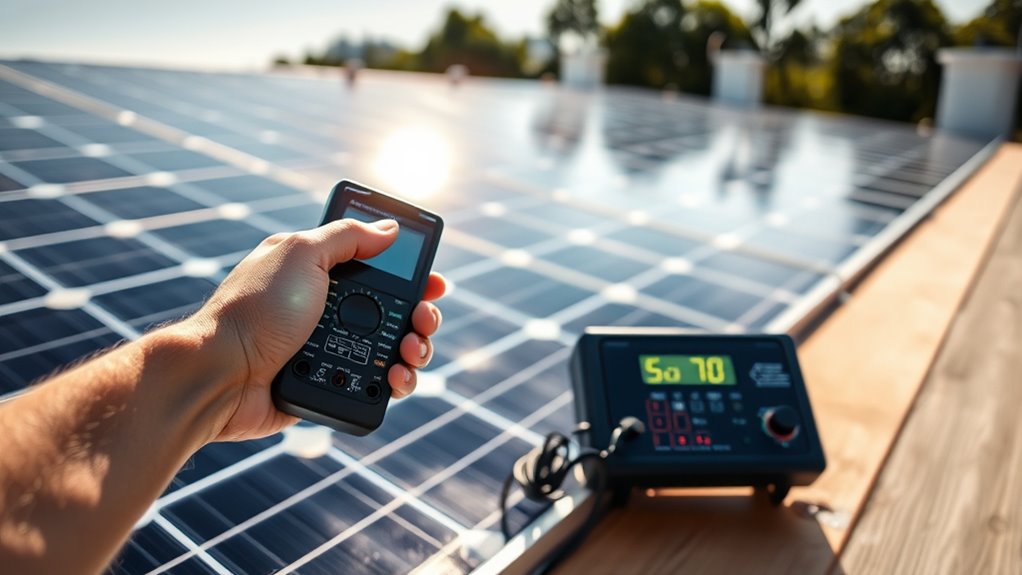
Before you can trust your solar panels to save you money, you need to verify they’re actually producing power. The easiest way is to check your inverter’s display, which shows real-time energy output. If it’s blank or showing an error, your system may not be working properly.
You can also use a solar monitoring app if your system supports it; these apps provide detailed data on daily and monthly production. On sunny days, your panels should generate noticeable power—if production is consistently low, something’s wrong.
Finally, you can measure voltage with a multimeter, but only if you’re comfortable working with electrical equipment. Regularly monitoring your system ensures you catch any drops in performance early, helping you maximize your solar investment.
How to Spot Common Solar Panel Problems?
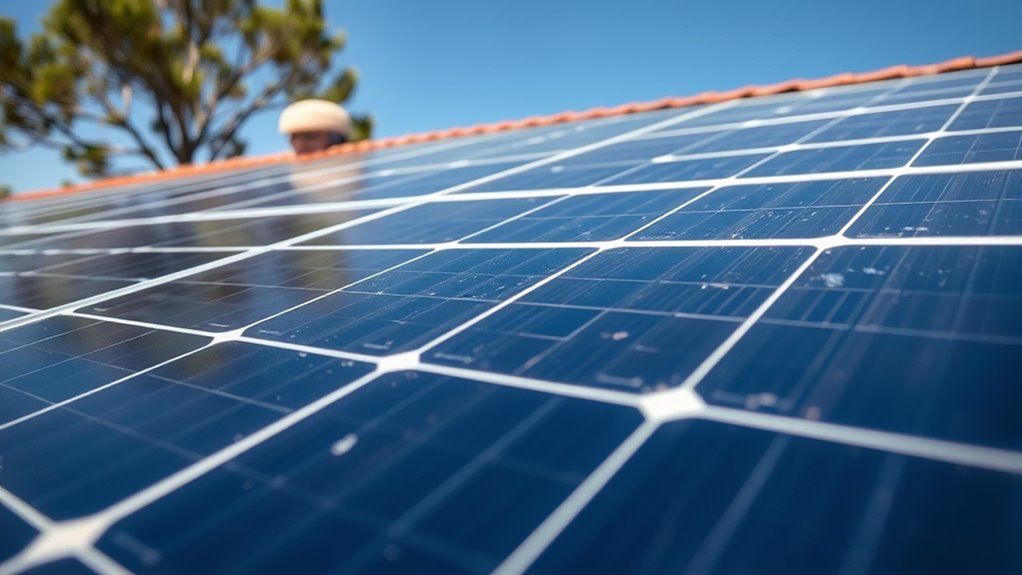
You should regularly check your solar panels for signs of performance drops or physical damage. Watch for cracks, dirt buildup, or loose wiring that can affect energy output.
Catching these issues early helps keep your system running smoothly. It’s easier to fix problems before they get worse, so stay on top of your panel’s condition.
Identifying Performance Issues
Although solar panels require minimal maintenance, knowing how to spot common problems early can save you from costly repairs and energy loss. Pay attention if your energy bills suddenly spike or your system’s output drops markedly—that’s often the first sign your panels aren’t performing at their best.
You can also monitor your system’s performance through your inverter display or a monitoring app, which shows real-time energy production. If you notice irregular fluctuations or consistent low output, it might point to shading issues, dirt buildup, or wiring faults.
Keep in mind, temperature and weather changes affect output too, so compare data over time rather than day-to-day. Catching these performance issues early helps you maintain efficiency and avoid bigger problems down the line.
Detecting Physical Damage
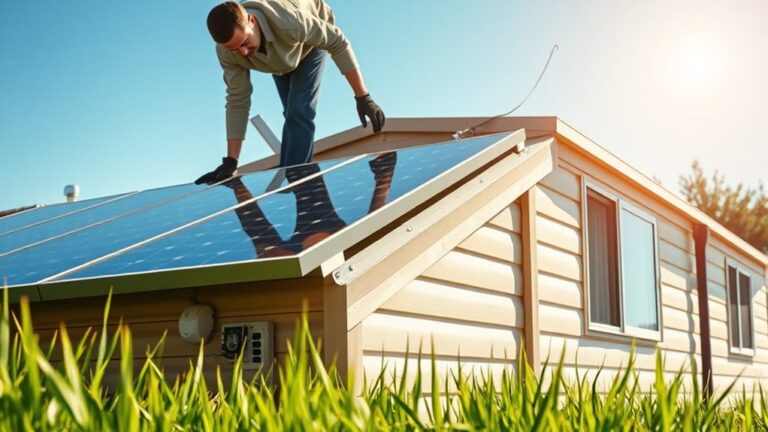
How can you tell if your solar panels have suffered physical damage? Start by inspecting them regularly for visible signs like cracks, chips, or discoloration. Damage can reduce efficiency and may require prompt repair.
Also, pay attention to loose wiring or mounting issues. These can cause problems too, so don’t overlook them. Here’s a quick guide to common physical problems:
| Problem | What to Look For | What It Means |
|---|---|---|
| Cracks/Chips | Visible fractures on glass | Reduced energy output |
| Discoloration | Dark or faded spots | Panel degradation or overheating |
| Loose Wiring | Exposed or hanging cables | Electrical faults or safety risks |
| Mounting Issues | Panels not firmly attached | Risk of damage in bad weather |
Spotting these early helps keep your system running smoothly. So, keep an eye out and catch issues before they get worse!
What to Do When Solar Panels Stop Working
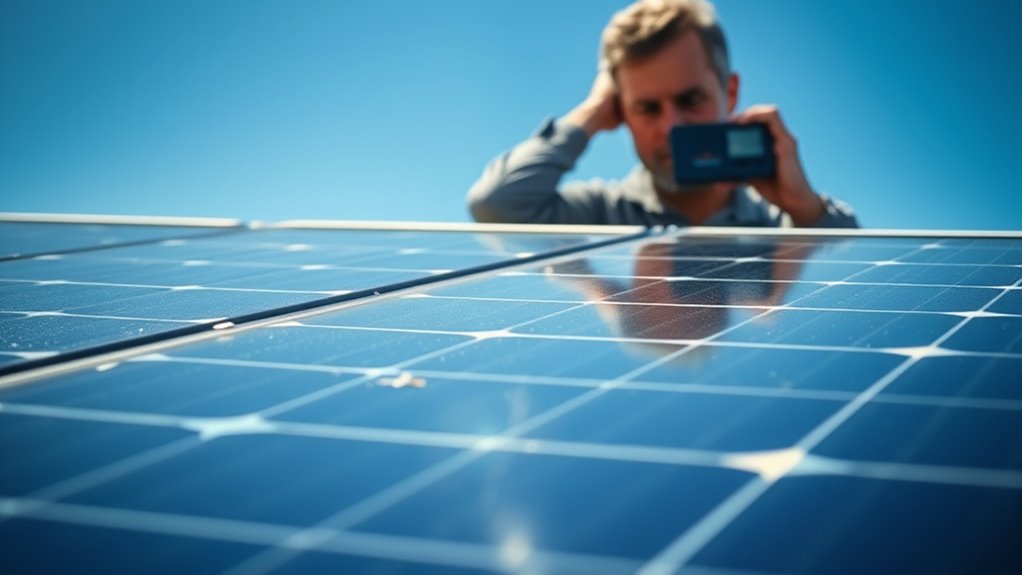
When solar panels suddenly stop working, it’s essential to act quickly to identify the issue and minimize energy loss. First, check your inverter to see if it’s displaying any error messages or warning lights.
Act quickly to diagnose issues and reduce energy loss by first checking your inverter for error messages or warnings.
If the inverter isn’t functioning properly, reset it according to the manufacturer’s instructions. Next, inspect your panels for visible damage like cracks or debris blocking sunlight.
Also, verify all wiring connections are secure and free from corrosion. If you don’t spot any physical issues, consult your solar system’s warranty or contact your installer for professional diagnostics.
Try to avoid attempting complex repairs yourself, as this could void warranties or cause further damage. Taking prompt action helps restore your system’s efficiency and protects your investment in clean energy.
Best Tools and Apps to Monitor Solar Panels
You’ll want the right tools and apps to keep an eye on your solar panels’ performance. These top monitoring apps provide real-time data and alerts to help you spot issues early.
Let’s explore the essential tools that make tracking your solar system easy and effective. With the right setup, staying on top of your energy production is a breeze.
Top Monitoring Apps
Although solar panels quietly generate energy on your roof, staying informed about their performance requires reliable monitoring tools. Top monitoring apps like SolarEdge, Enphase Enlighten, and Tesla’s app give you real-time data on energy production and system health.
These apps let you track daily output, detect faults early, and optimize energy usage from your smartphone or tablet. With intuitive interfaces, they make understanding your solar system’s performance simple, even if you’re not tech-savvy.
Some apps also send notifications if your system’s output drops unexpectedly, so you can act quickly. By using these top apps, you’ll guarantee your solar panels work efficiently and maximize your return on investment without any guesswork.
Essential Solar Tools
Since keeping your solar panels in top shape is essential, using the right tools can make all the difference. You’ll want a reliable solar irradiance meter to measure sunlight intensity, ensuring your panels get enough sun.
A multimeter helps you check voltage and current output, so you can spot drops in performance early. Thermal cameras are handy for detecting hot spots indicating faulty cells.
For ongoing monitoring, smart apps paired with inverters provide real-time data on energy production and consumption. Combining these tools lets you quickly identify issues, optimize efficiency, and schedule maintenance before problems escalate.
How Weather Affects Solar Panel Efficiency
How does weather impact the efficiency of your solar panels? Your panels perform best under direct sunlight, but factors like clouds, rain, and temperature can change their output.
Overcast skies reduce sunlight, lowering energy production, though panels still generate some power. Rain can actually help by washing dust off the panels, improving efficiency temporarily.
Cloudy days cut sunlight and energy, but rain cleans panels, boosting efficiency for a short time.
However, extreme heat can decrease performance because solar cells operate less efficiently at high temperatures. Cold, sunny days are often ideal since panels work better when cool.
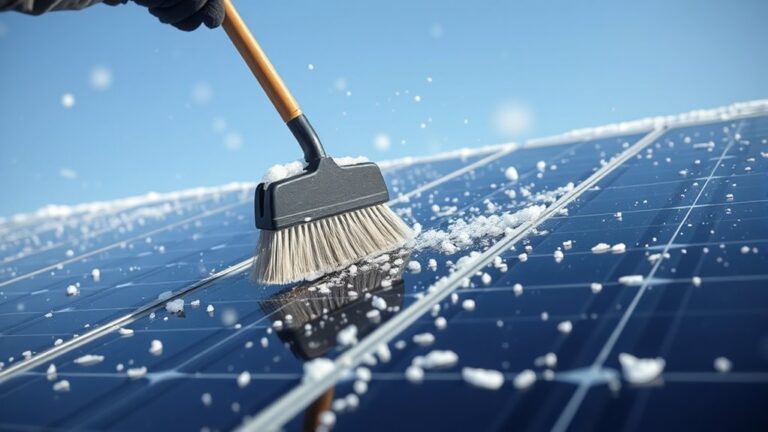
Snow can block sunlight if it accumulates, but once it melts or slides off, your system bounces back. Understanding these weather effects helps you set realistic expectations about your solar panel’s daily and seasonal energy output.
When and How to Clean or Maintain Your Solar Panels
Weather changes can affect how much energy your solar panels produce, but keeping them clean and well-maintained plays a big role in ensuring they work efficiently every day.
You should clean your panels at least twice a year, or more often if you live in dusty or pollen-heavy areas. Early morning or late afternoon is the best time to clean, avoiding the hottest part of the day to prevent thermal shock.
Use a soft brush or sponge with water and mild soap—avoid harsh chemicals or abrasive tools that can damage the surface. Regularly inspect your panels for dirt, debris, or shading from growing plants.
If you notice significant drops in output, consider professional maintenance to check wiring and connections. Staying proactive helps maximize your solar investment’s performance.
Frequently Asked Questions
How Long Do Solar Panels Typically Last?
Solar panels typically last around 25 to 30 years. You’ll notice they slowly become less efficient over time.
But don’t worry, with proper maintenance, they can keep generating power well beyond their warranty period. It’s pretty impressive how long they can keep working!
Are Solar Panels Environmentally Friendly?
Yes, solar panels are environmentally friendly because they reduce greenhouse gas emissions by generating clean energy.
You’ll cut your carbon footprint and rely less on fossil fuels.
That way, you’re helping protect the planet for future generations.
Can Solar Panels Increase My Home’s Value?
Solar panels can skyrocket your home’s value! Buyers love energy savings and eco-friendliness, making your property stand out.
You’ll enjoy higher resale prices and faster sales, turning your investment into a real treasure trove. It’s a smart move that pays off!
Is It Possible to Install Solar Panels Myself?
Yes, you can install solar panels yourself if you’re handy and follow safety guidelines. It’s definitely doable with some basic skills and the right tools.
However, it’s often better to hire professionals to guarantee proper setup and avoid mistakes. Plus, they help you qualify for warranties and incentives, which can be a big deal.
Do Solar Panels Work During a Power Outage?
No, your solar panels usually won’t work during a power outage unless you have a battery backup or an off-grid system.
Grid-tied systems shut down for safety, so you won’t get power without stored energy.
Basically, unless your setup includes a way to store or isolate the power, the panels won’t be able to keep your lights on when the grid goes down.
Conclusion
Imagine your solar panels as a garden: if you don’t check for weeds or dry soil, your plants won’t thrive. Just like a garden needs regular care, your solar panels need monitoring to keep producing power efficiently.
Remember, over 80% of solar issues are preventable with simple checks and cleaning. By staying vigilant, you guarantee your panels keep soaking up the sun and saving you money—just like a well-tended garden keeps blooming.
Keeping an eye on your solar panels isn’t hard. Regular inspections and cleaning help catch problems early, ensuring maximum energy production. So, if you want your solar panels working at their best and reducing your electricity bills, make monitoring a part of your routine. It’s the key to efficient solar power and long-lasting savings.