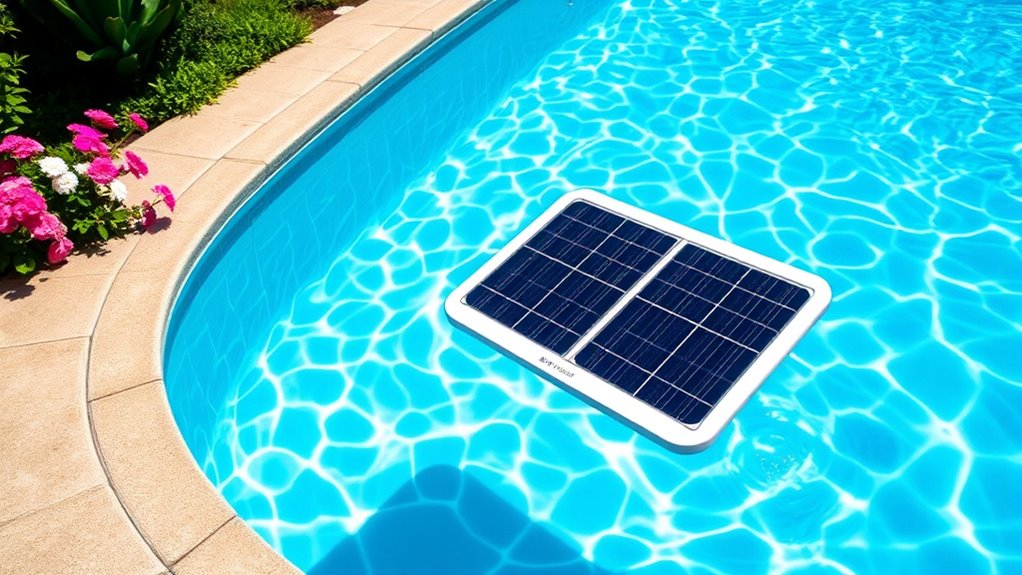
Do Solar Pool Ionizers Work: A Guide for Pool Owners
Solar pool ionizers use sunlight to release copper and silver ions that combat algae and bacteria in your pool. These devices are a popular choice for pool owners looking to reduce chemical use and maintain clearer water naturally. They work by releasing ions that help keep your pool clean and fresh.
However, solar pool ionizers work best when used alongside traditional methods like filtration and occasional chemical treatment. They’re eco-friendly and low maintenance, which makes them appealing for many people.
But keep in mind, they’re slower and less effective on their own, especially in larger pools.
If you want to understand how to choose the right solar pool ionizer, maintain it properly, and get the most out of it, you’re in the right place. We’ll walk you through all the useful insights you need to keep your pool sparkling with less hassle.
Key Takeaways
- Solar pool ionizers release copper and silver ions that disrupt algae and bacteria, improving water clarity and hygiene. They’re pretty handy for keeping your pool cleaner without too much fuss.
- They’re eco-friendly and help cut down on chemical use, which is great if you want a more natural approach. Just keep in mind, they work a bit slower and need strong sunlight to do their best.
- Ionizers are a great support system but don’t totally replace your traditional sanitizers and filtration systems. You’ll still want those running to keep your pool truly healthy.
- Make sure you place the ionizer properly, do regular maintenance, and keep an eye on your water chemistry. That’s key to getting the most out of your ionizer.
- These devices work best for small to medium pools and really shine when you use them alongside other cleaning methods. So, think of them as part of a team rather than a solo act.
How Do Solar Pool Ionizers Keep Your Pool Clean?
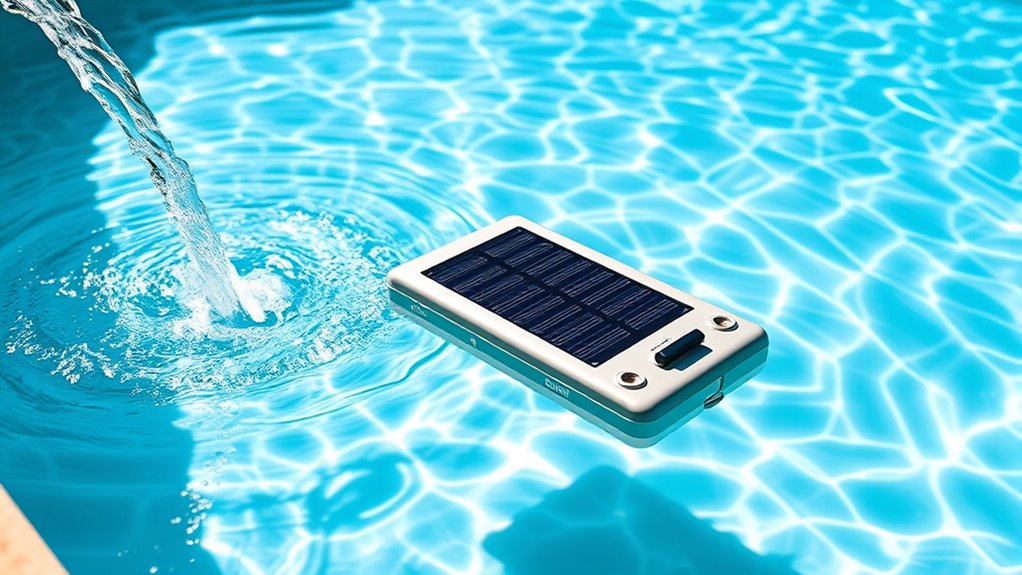
Although you might not see it working, a solar pool ionizer keeps your pool clean by releasing charged metal ions that eliminate algae and bacteria.
When sunlight powers the ionizer’s solar panel, it generates an electric current that triggers the release of copper and silver ions into the water.
These ions circulate and interact with contaminants, preventing algae from growing and bacteria from thriving.
You don’t have to worry about complicated setups; the unit simply floats or mounts in your pool, using the sun’s energy to work continuously.
By reducing the reliance on harsh chemicals, it helps maintain clearer, healthier water with less effort.
You’ll appreciate how this eco-friendly device supports your pool’s cleanliness quietly and efficiently.
Are Solar Pool Ionizers Effective Against Algae and Bacteria?
You might wonder if solar pool ionizers really keep algae and bacteria at bay. These devices release minerals that can prevent algae growth and reduce harmful bacteria in your pool.
Let’s explore how effective they are in maintaining a cleaner, healthier swimming environment. It’s pretty interesting to see how these little gadgets work!
Algae Prevention Capabilities
How well do solar pool ionizers tackle algae and bacteria in your pool? When it comes to algae prevention, these ionizers can be quite effective. They release copper and sometimes silver ions, which disrupt algae growth by damaging its cell structure.
By interfering with algae’s ability to reproduce and thrive, solar pool ionizers help keep your pool water clearer and reduce those slimy green or yellow patches. However, their effectiveness depends on proper placement, water chemistry, and regular maintenance.
You’ll still need to monitor your pool’s pH and chlorine levels to maintain a balanced environment. While ionizers support algae control, they don’t replace good pool hygiene and filtration systems.
Think of them as a helpful ally rather than a standalone solution for algae prevention.
Bacterial Control Efficiency
Solar pool ionizers release copper and silver ions that target not only algae but also many common bacteria in your pool. These ions disrupt bacterial cell walls and interfere with their reproduction, helping to reduce harmful microorganisms.
While ionizers are effective against a broad range of bacteria, they typically work best as a supplement to traditional sanitizers like chlorine or bromine. Relying solely on ionizers might not provide complete bacterial control, especially in heavily used pools.
You’ll find that regular ionization helps maintain clearer, healthier water by lowering bacterial levels and minimizing chemical use. However, it’s important to monitor your pool’s water quality and adjust treatments as needed to guarantee ideal hygiene and safety for swimmers.
Pros and Cons of Using Solar Pool Ionizers for Pool Care
Although pool ionizers offer an eco-friendly way to maintain clean water, they come with both advantages and drawbacks you should consider before investing. They reduce chemical use and are energy-efficient, but their effectiveness can vary based on pool size and sunlight availability.
Maintenance is generally low, yet initial costs and slower sanitizing compared to traditional methods might be a concern.
| Pros | Cons | Notes |
|---|---|---|
| Eco-friendly cleaning | Slower sanitizing action | Works best with strong sunlight |
| Reduces chemical usage | Higher upfront cost | May need occasional cleaning |
| Low maintenance | Limited effectiveness | Not ideal for large pools |
Weigh these factors to decide if solar ionizers fit your pool care routine.
Combining Solar Pool Ionizers With Traditional Pool Cleaning Methods
When you combine pool ionizers with traditional cleaning methods, you get a balanced approach that maximizes water clarity and safety. Solar pool ionizers release copper and silver ions to reduce algae and bacteria, but they don’t replace regular cleaning tasks like skimming debris, vacuuming, or brushing pool surfaces.
Using ionizers alongside filtration and manual cleaning cuts down on chemical use while maintaining water hygiene. You still need to test and adjust pool chemistry regularly to keep pH and sanitizer levels within safe ranges.
This combination helps prevent common issues such as cloudy water or algae buildup more effectively than relying on one method alone. By integrating both, you maintain a healthier pool environment with less effort and fewer harsh chemicals.
Key Factors for Choosing the Right Solar Pool Ionizer
When choosing a solar pool ionizer, you’ll want to evaluate its output capacity to ensure it matches your pool size. You should also think about how easy it is to install and maintain over time.
These factors will help you get the most efficient and hassle-free experience. It’s all about finding a balance between performance and convenience. That way, you can enjoy your pool without any extra headaches.
Ionizer Output Capacity
Choosing the right solar pool ionizer means understanding its output capacity, which directly impacts how effectively it keeps your pool clean. The output capacity refers to the amount of copper or silver ions the device releases into your pool water.
Higher output capacities suit larger pools or those exposed to heavy contamination. This ensures balanced ion levels for algae and bacteria control.
If your pool is smaller, a lower output capacity ionizer can maintain cleanliness without wasting ions. Assess your pool’s size and typical usage to select an ionizer with the appropriate output.
Installation and Maintenance
How easy is it to install and maintain your solar pool ionizer? Most models are designed for straightforward installation, often requiring little more than placing the unit in your pool or attaching it to the filtration system.
Maintenance usually involves regular cleaning and monitoring ion levels to maximize performance. Here’s what you should consider:
- Check if the unit is plug-and-play or needs plumbing adjustments
- Look for clear installation instructions or support
- Clean electrodes regularly to prevent buildup
- Monitor copper or silver levels to avoid over- or under-dosing
- Inspect the solar panel for dirt or damage
Choosing a model with simple installation and minimal upkeep saves you time and keeps your pool water clean and balanced effortlessly. It really makes pool care a breeze!
What Can You Really Expect? Results and Maintenance Tips
Although solar pool ionizers offer an eco-friendly way to keep your pool clean, you should know what results to expect and how to maintain them properly. You can anticipate reduced algae growth and lower chemical use, but ionizers work best as part of a balanced pool care routine, not a complete replacement.
Results vary based on pool size, sunlight, and water conditions. To keep your ionizer effective, clean the electrodes regularly to prevent buildup, and check the unit’s placement to ensure maximum sun exposure.
Also, monitor copper levels to avoid staining or irritation. Remember, consistent maintenance and realistic expectations are key—your pool will stay clearer and healthier, but it won’t eliminate all maintenance tasks.
Frequently Asked Questions
Are Solar Pool Ionizers Safe for Children and Pets?
Yes, solar pool ionizers are safe for children and pets when used correctly. You just need to follow the manufacturer’s instructions and maintain proper water chemistry.
This helps prevent any irritation or health risks for your loved ones. It’s really about keeping things balanced and monitored.
How Long Does a Solar Pool Ionizer Typically Last?
A solar pool ionizer typically lasts around 3 to 5 years, depending on maintenance and water conditions. You’ll want to clean it regularly and check for wear to keep it working effectively throughout its lifespan.
Keeping an eye on it now and then really helps. That way, you can catch any issues early and make sure it lasts as long as possible.
Do Solar Pool Ionizers Require Professional Installation?
Think of your solar pool ionizer as a small sun catching butterflies—no professional help needed.
You can easily install it yourself, saving money and gaining satisfaction while your pool sparkles under your own handiwork.
Can Solar Pool Ionizers Be Used in Saltwater Pools?
Yes, you can use solar pool ionizers in saltwater pools, but you’ll need to check compatibility since saltwater systems already produce chlorine.
Using both may affect efficiency, so adjust your pool maintenance accordingly for best results. It’s a good idea to keep an eye on how the two systems work together to get the most out of them.
What Is the Average Cost of a Solar Pool Ionizer?
You can expect to pay between $150 and $400 for a solar pool ionizer. Prices vary based on brand, size, and features.
But investing in one can save you money on chemicals over time. It’s a smart choice if you want to keep your pool cleaner without extra hassle.
Conclusion
Using solar pool ionizers is like giving your pool a gentle, sun-powered guardian that quietly fights algae and bacteria. They work by releasing ions that help keep your water cleaner. While they won’t do all the heavy lifting alone, they can definitely lighten your cleaning load and keep your water sparkling with less effort.
By combining solar pool ionizers with traditional pool cleaning methods, you create a harmonious dance of clean and clear water. This teamwork helps turn your pool into an invigorating oasis that’s easier to maintain and enjoy all season long. So, if you’re wondering, “Do solar pool ionizers work?” the answer is yes—they’re a smart, eco-friendly addition to your pool care routine that complements other methods for the best results.